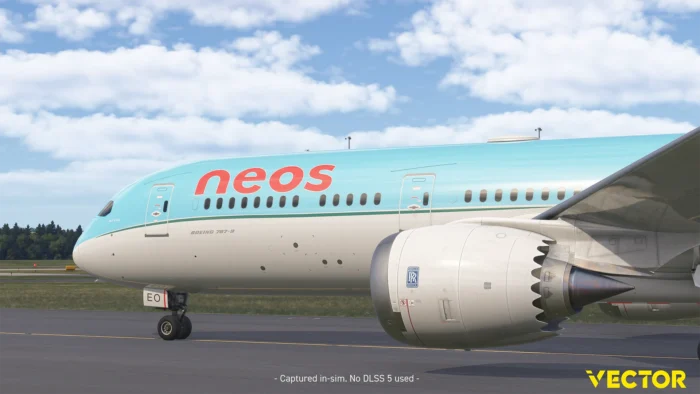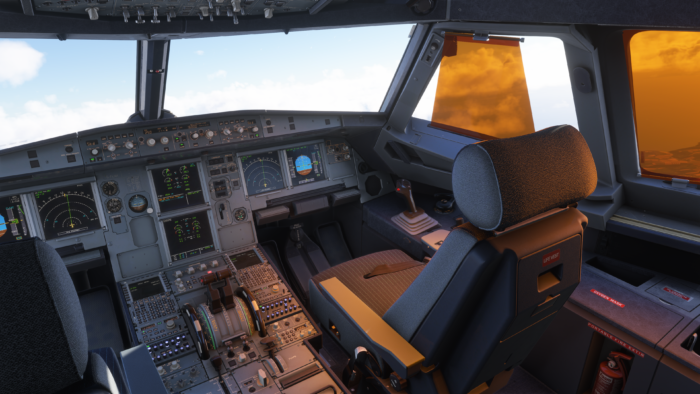
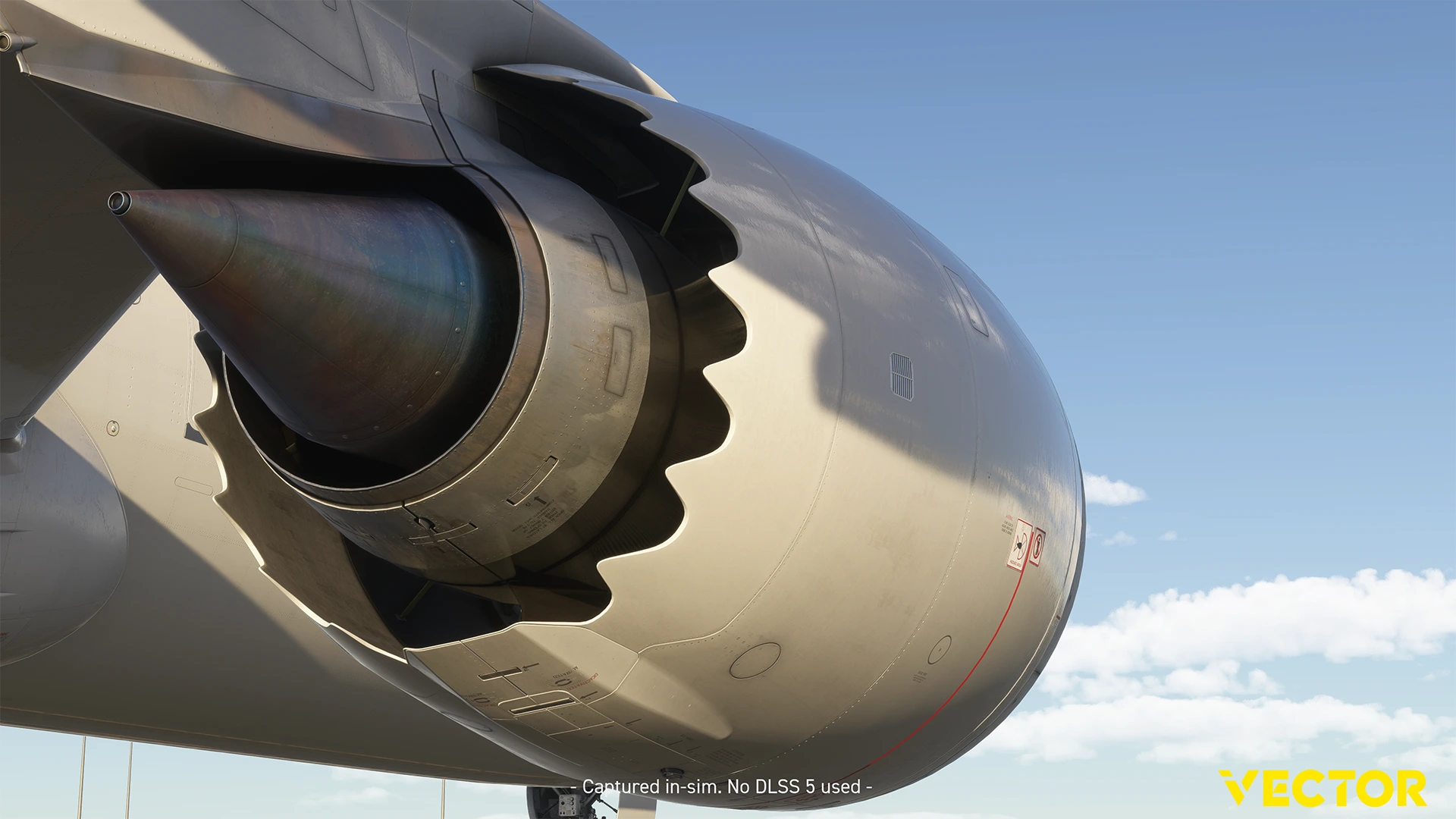
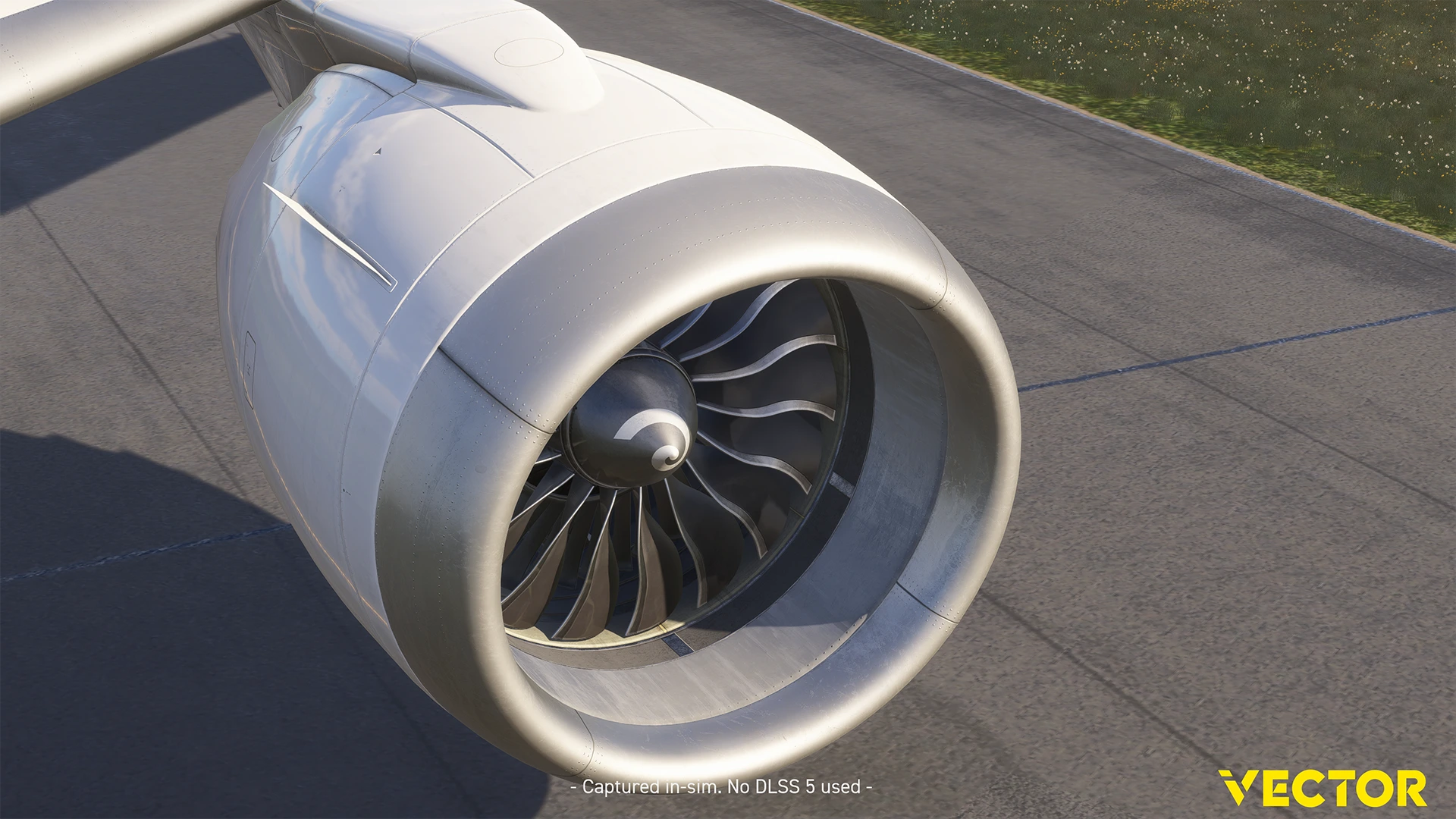
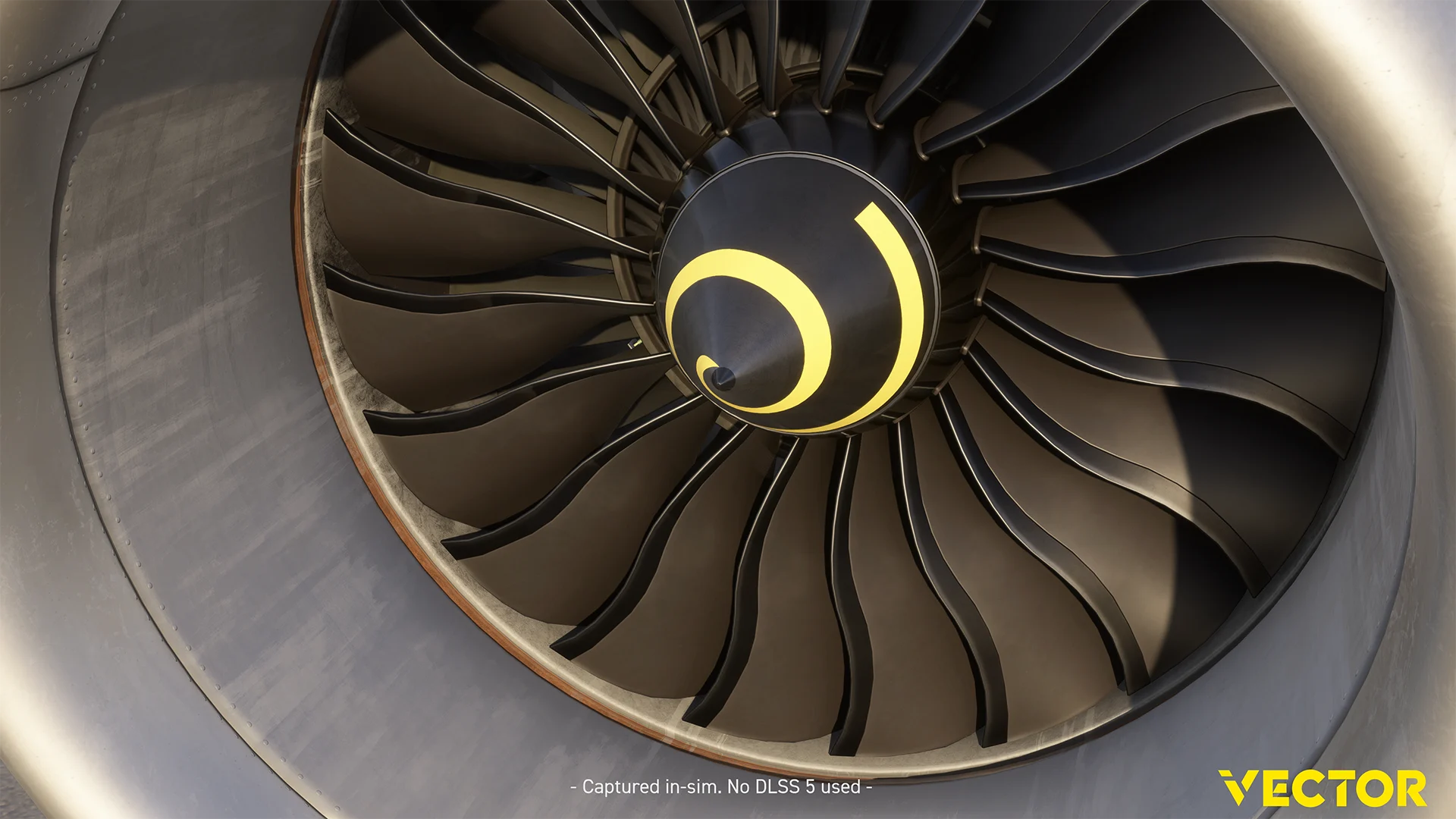
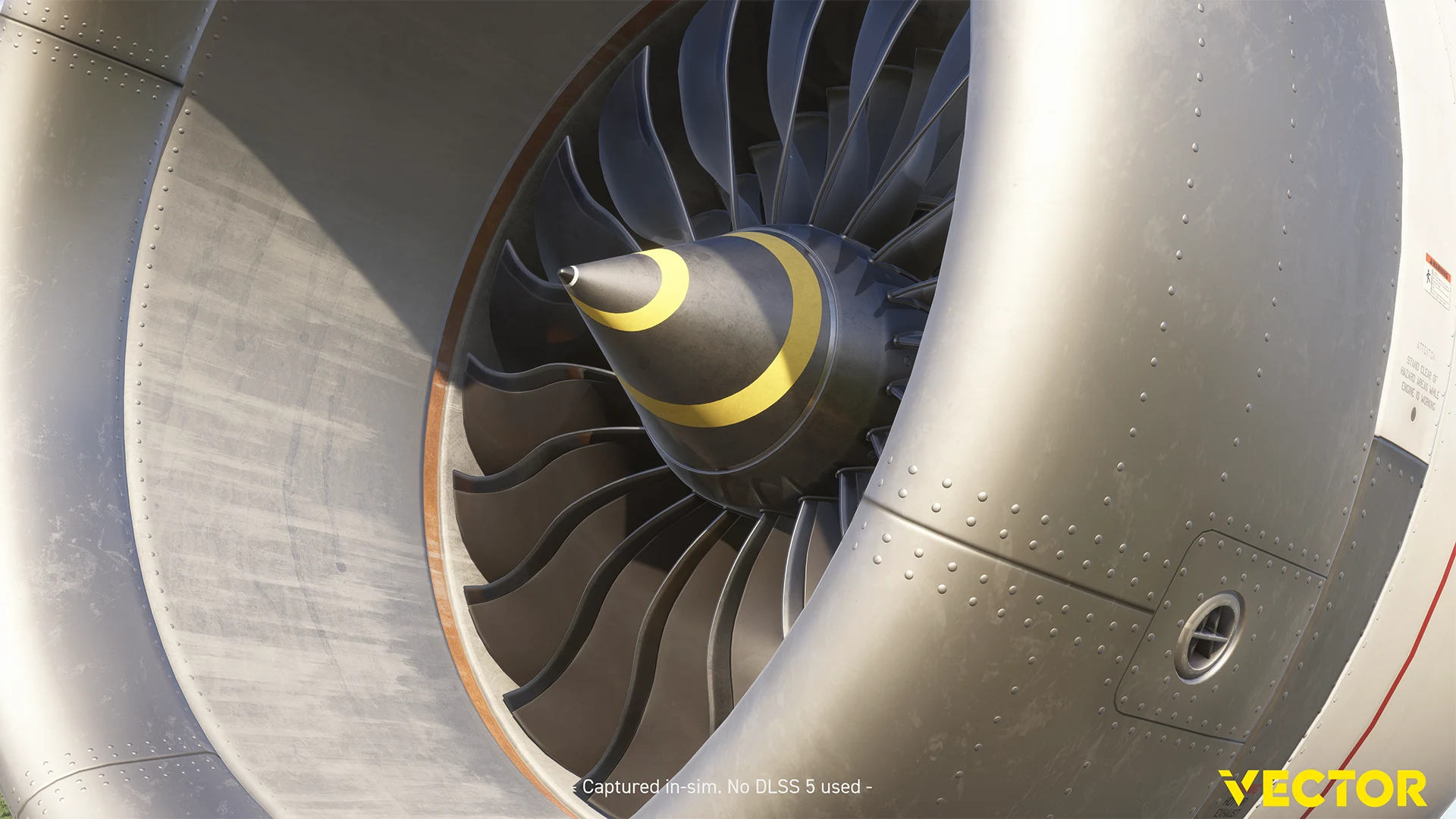
Vector has shared a closer look at the engine and fuel simulation of its upcoming Boeing 787-9 for Microsoft Flight Simulator, in a post titled “Lets talk Engines!” on its website. The team says it wrote the post in response to community questions and discussion about the aircraft’s engines. It also says it is on track for a 2026 release, with external beta testing set to begin in the coming days.
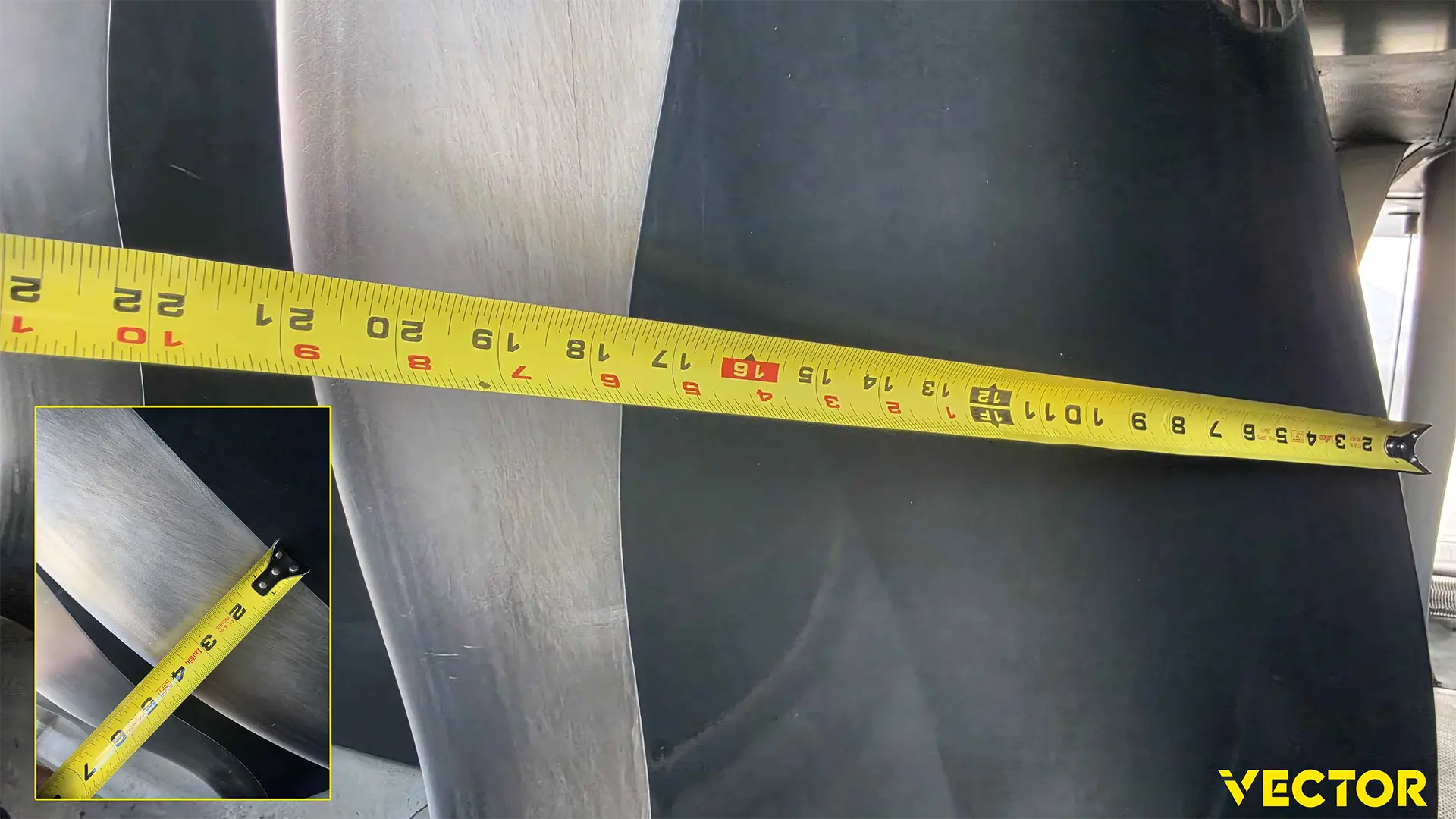
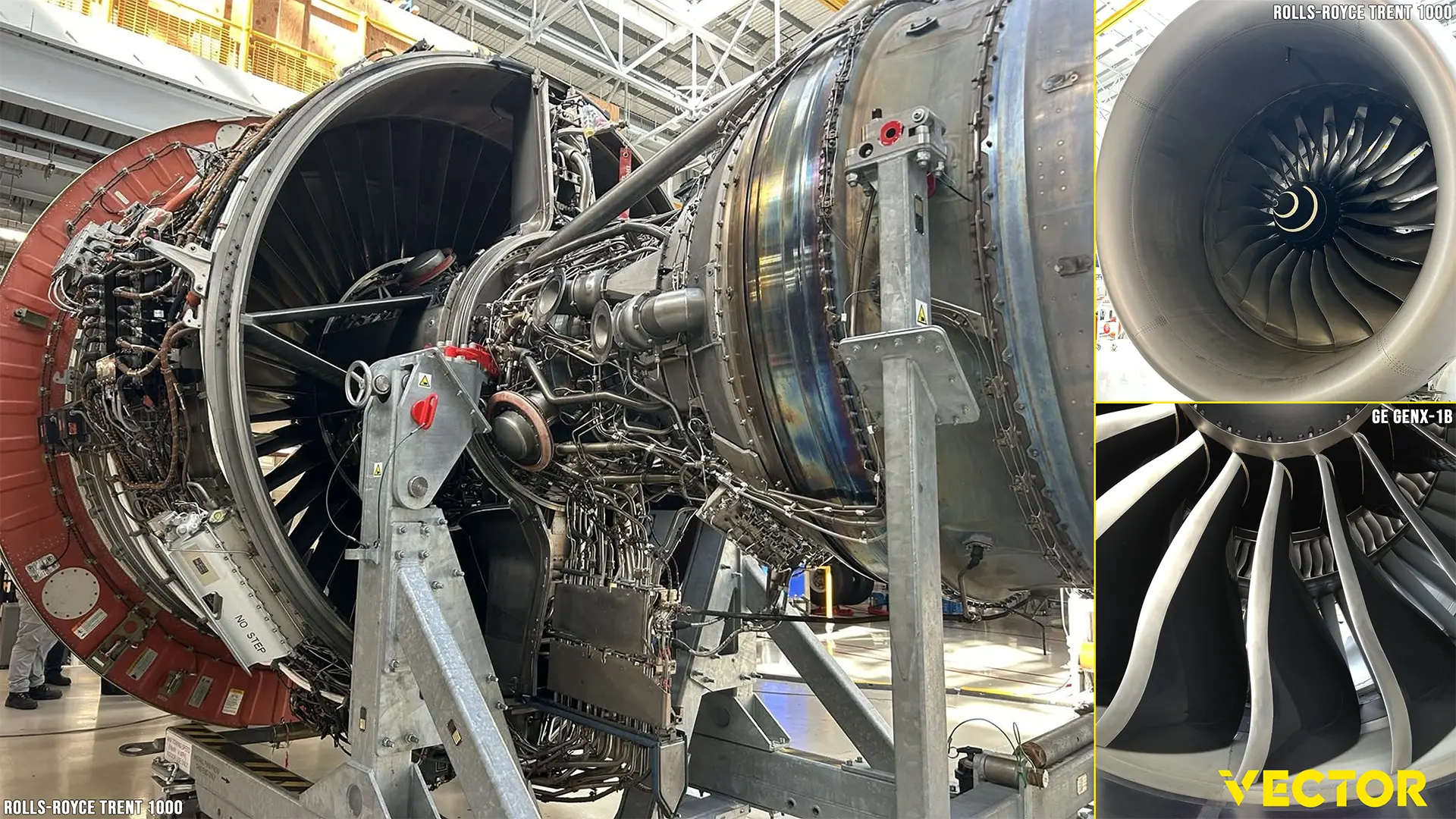
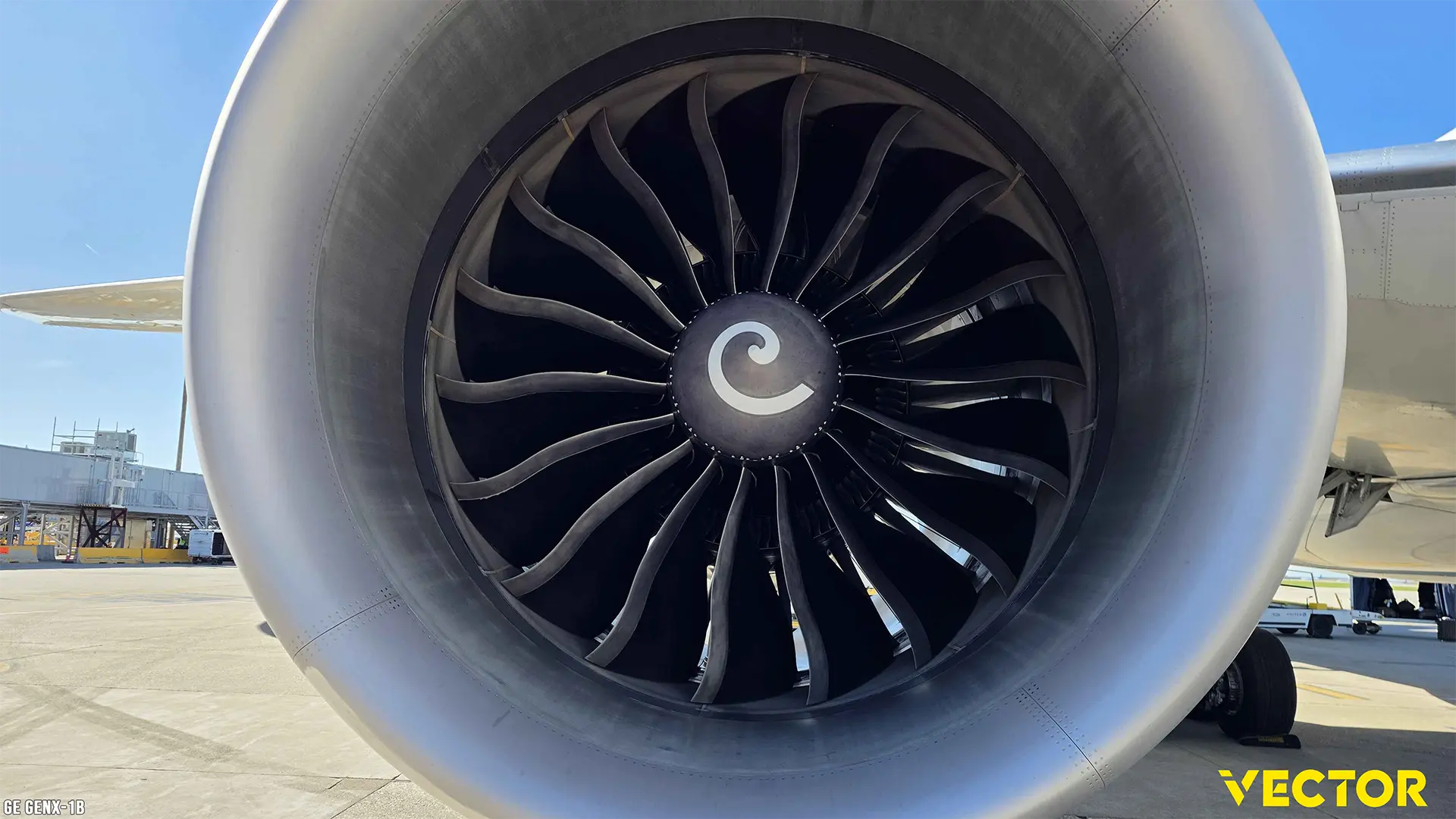
The 787-9 is Boeing’s long-range, twin-engine widebody and is offered with either Rolls-Royce Trent 1000 or General Electric GEnx-1B engines. Vector is modelling both variants and says it keeps the reference material for each engine type separate. According to the developer, it recently completed additional blade measurements and cross-checked references from different operators. It adds that its team has regular access to the real aircraft.
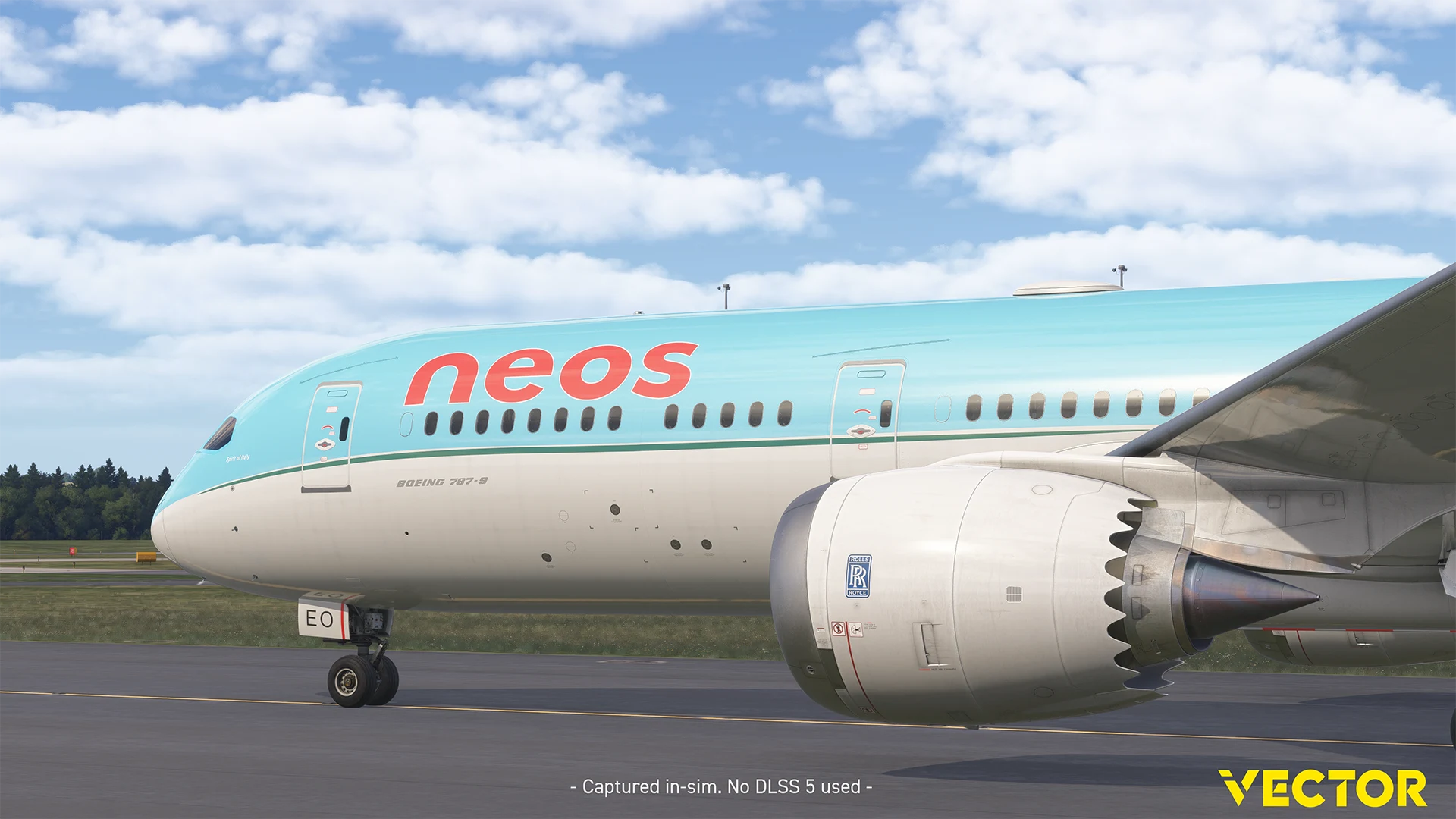
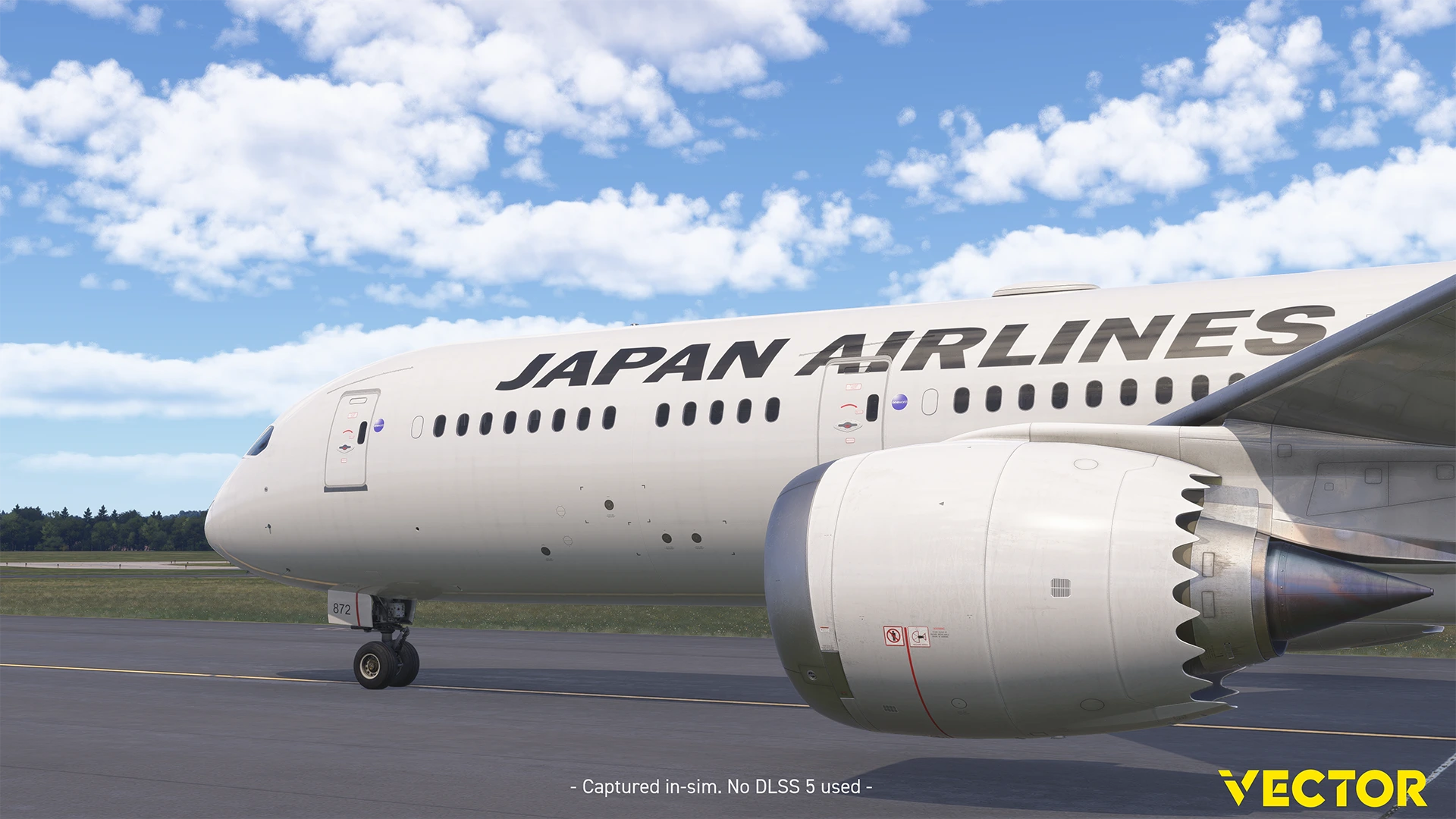
The main focus of the post is the systems behind the engines. Vector describes its approach as schematic-level, with the fuel system coded valve by valve and line by line, including electrical dependencies, pumps, sensors and control functions. The developer lists five tanks, 19 fuel lines including jettison, nine pumps and 22 valves, along with balance, scavenge and jettison systems. Engine-driven pumps provide suction, so an engine can keep running even when the tank pumps are off.
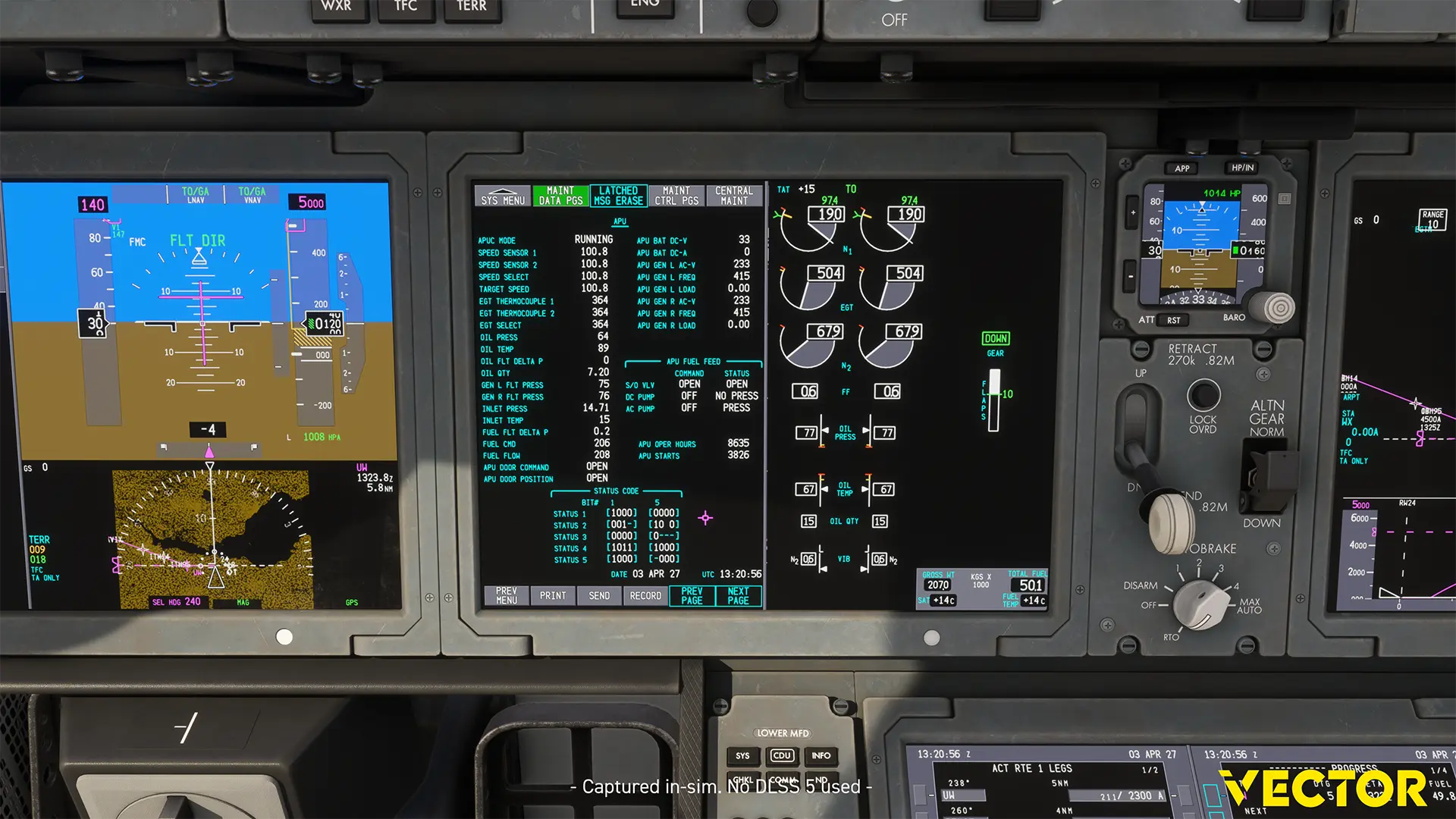
On the engine side, the team says each engine has its own electronic engine controller (EEC) functions. These include overspeed protection, thrust ramping, idle selection, autostart, in-flight ignition and auto-relight, and thrust reverser control. The list also covers a large set of sensors, starters, igniters, oil system components, and fire detection and extinguishing. Anti-ice has automatic and manual modes. Vector says a short EICAS message can be the visible end of a chain of events across connected systems, all of which actually take place in the simulation.
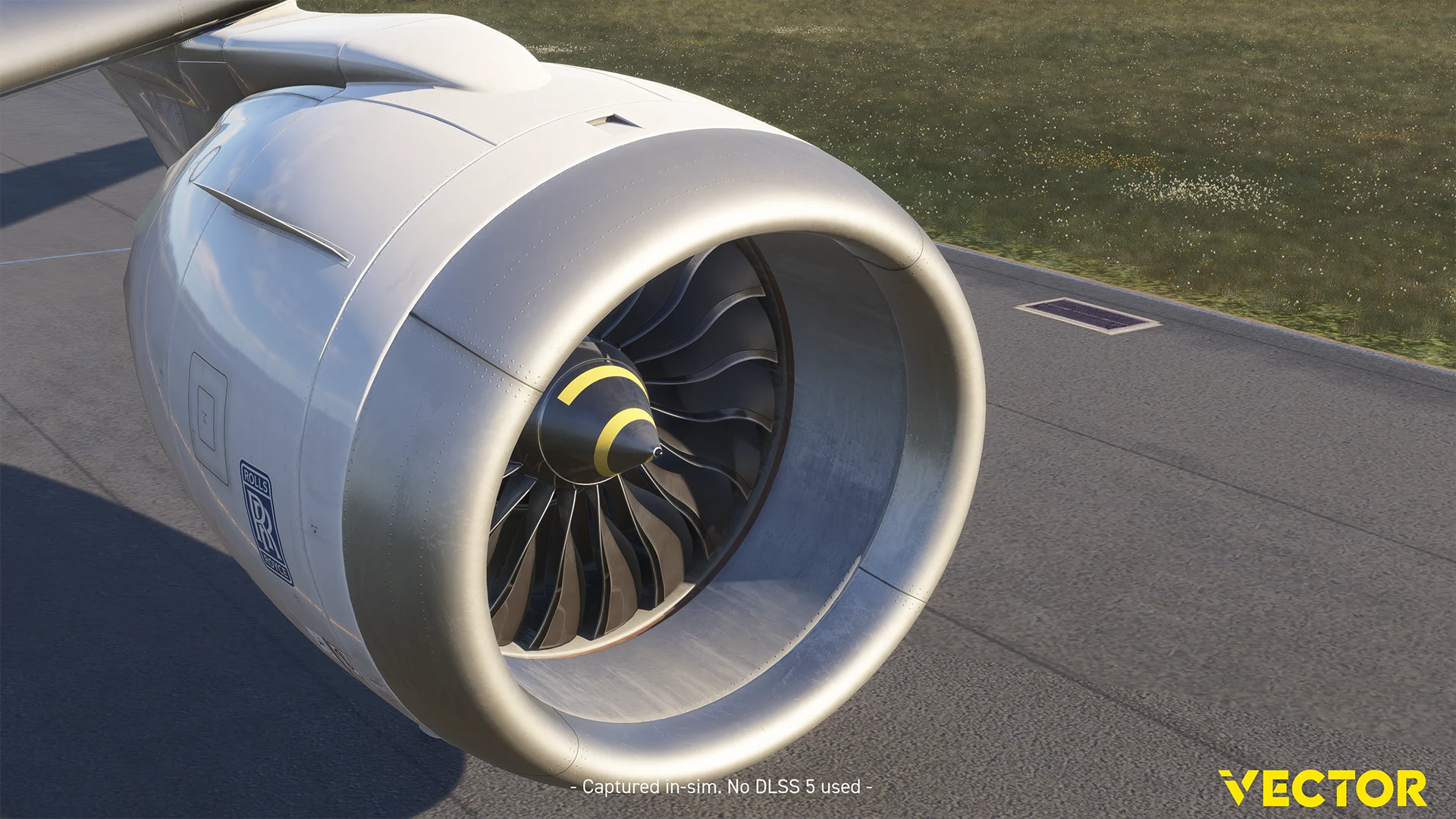
Fuel burn also responds to engine operation and flight conditions. Vector says an airline dispatcher from a major carrier has joined the team to help fine-tune fuel-burn profiles. The 3D model and animations are described as in their final polish, and the developer says the model and code are being built together as one engine simulation.
Vector has not announced a price or an exact release date for the 787-9 for MSFS. A separate announcement with more details on the beta is promised shortly. If you want to learn more about the development of the Vector 787-9 for MSFS, you can check out our previous article covering the aircraft entering the alpha stage by clicking here.
Feel free to join our Discord server to share your feedback on the article, screenshots from your flights or just chat with the rest of the team and the community. Click here to join the server.