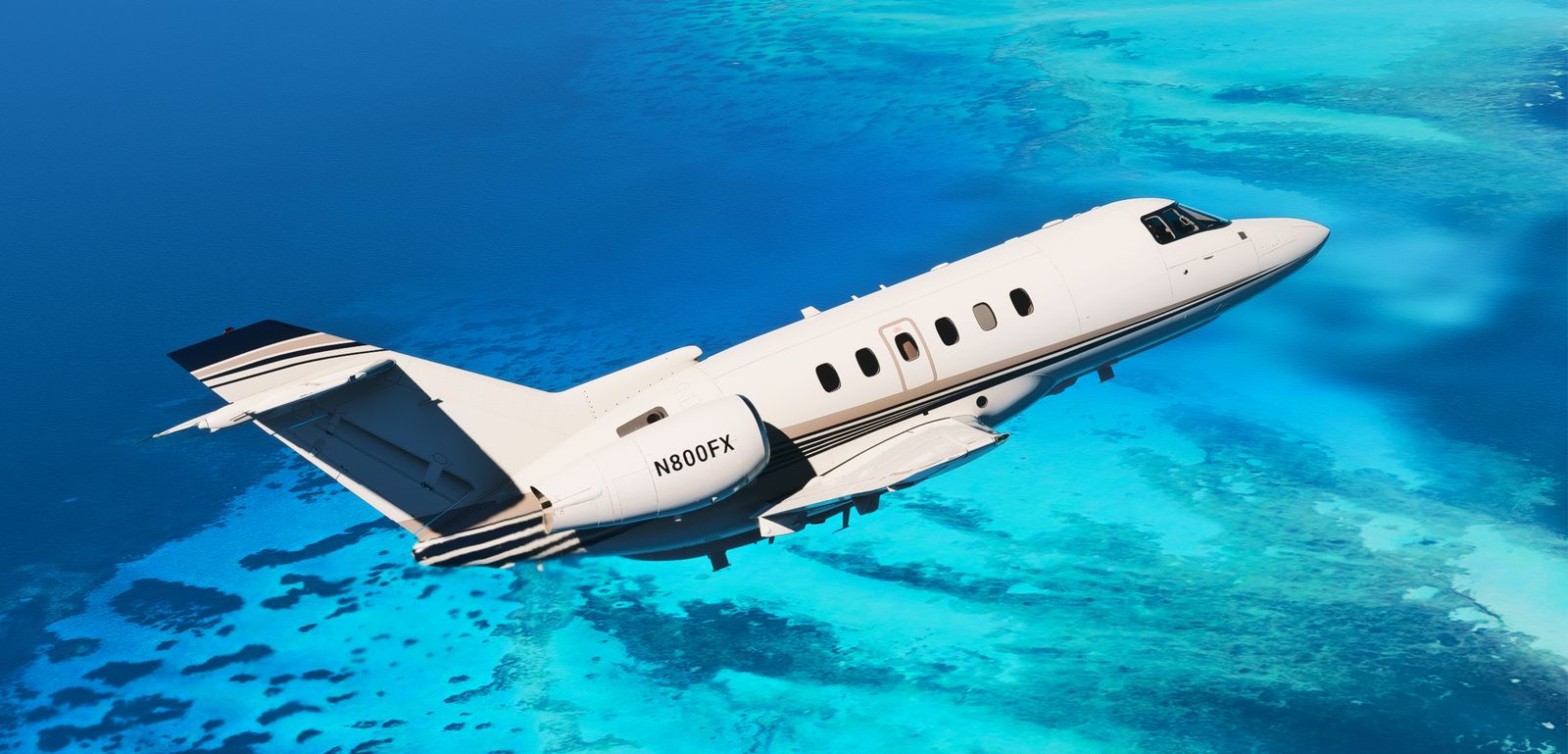
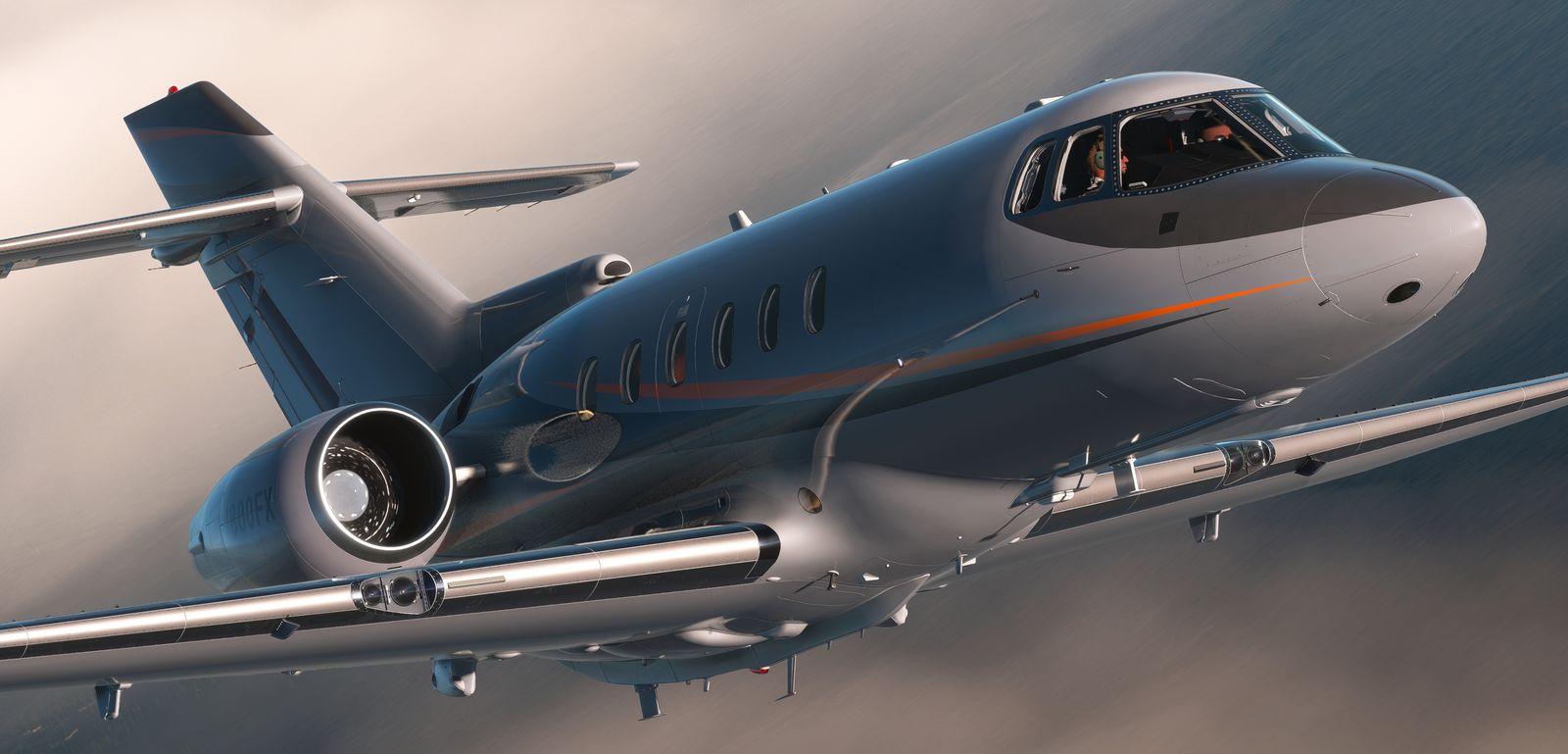
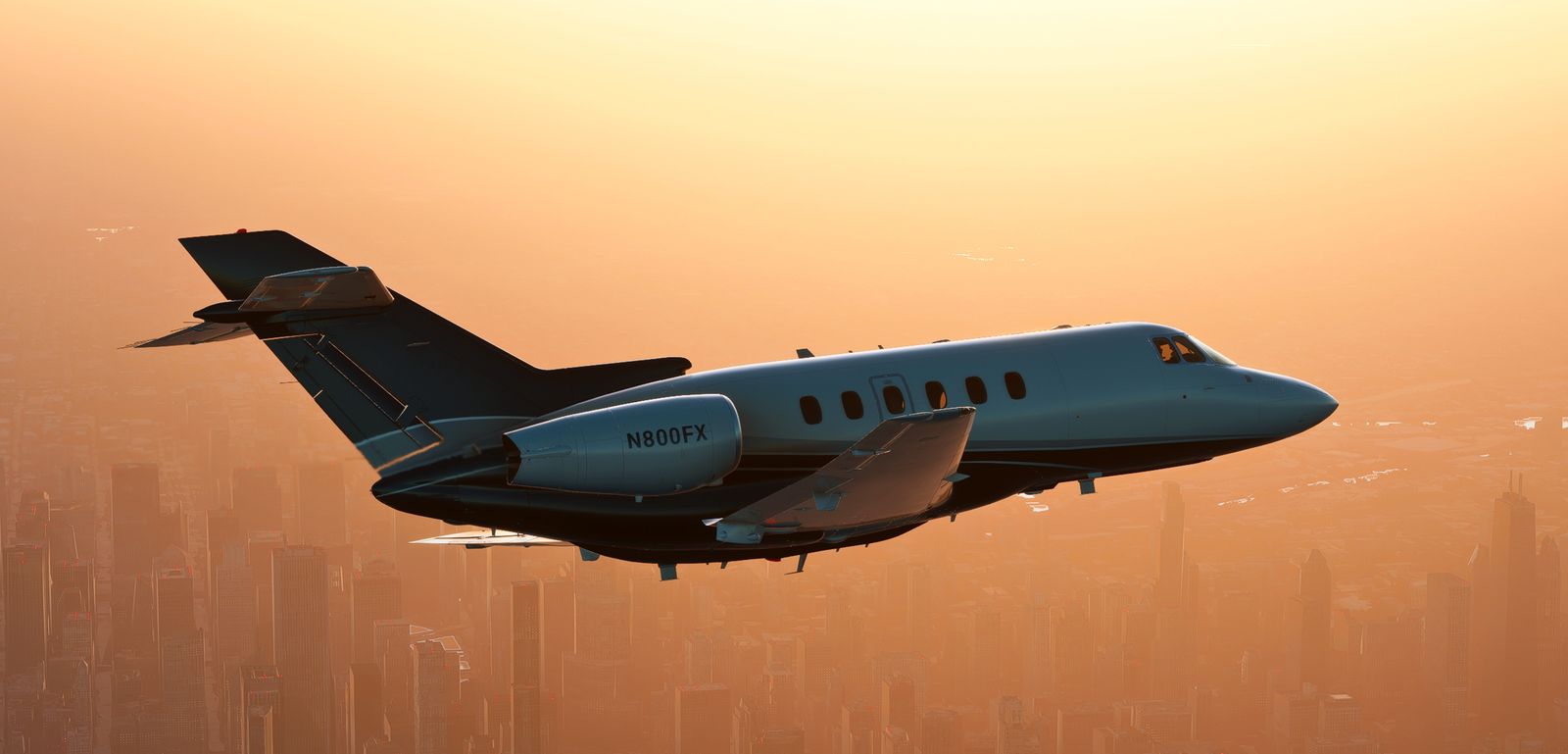
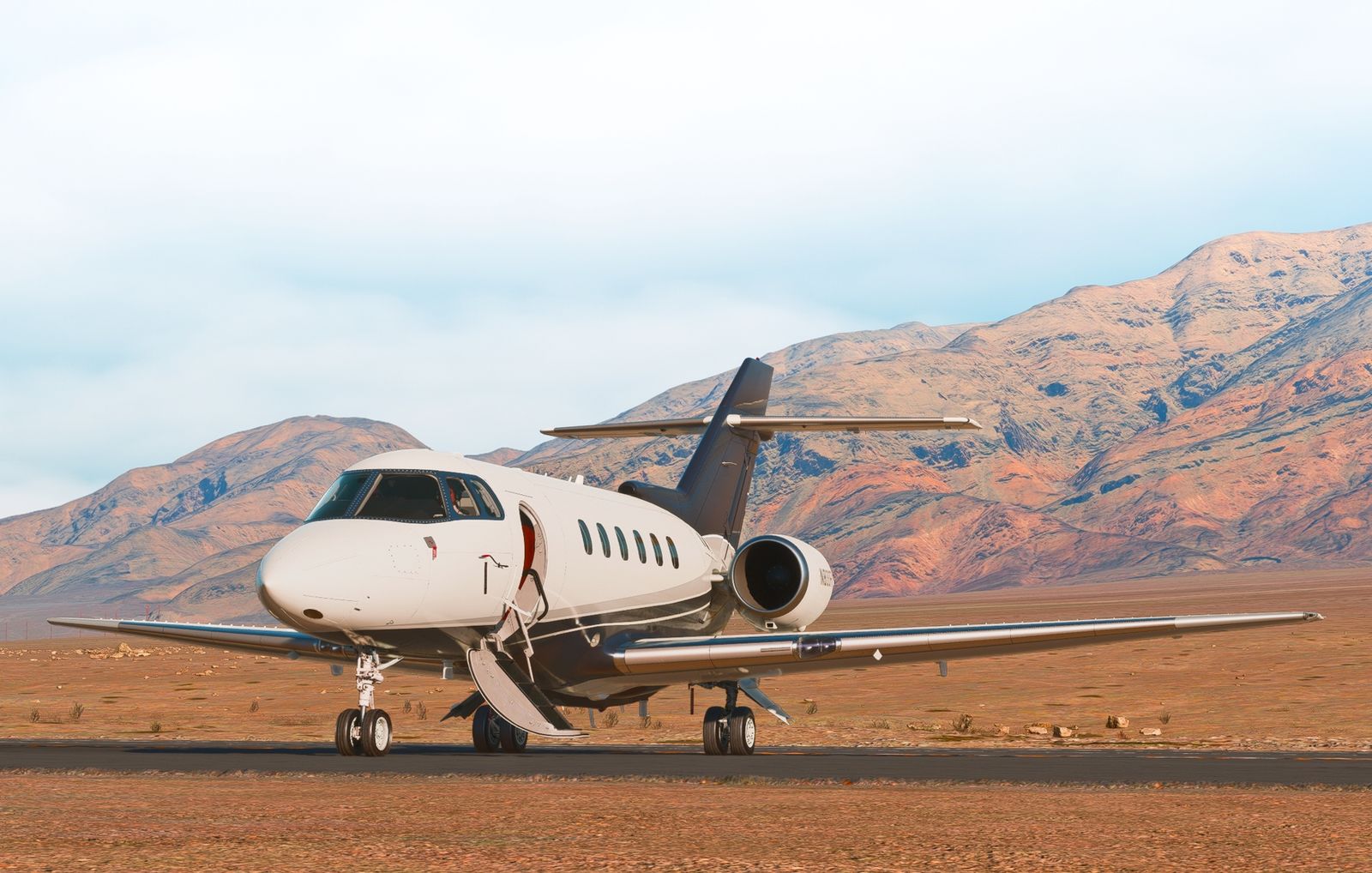
FlightFX has announced the Hawker 800XP for Microsoft Flight Simulator 2024, with release scheduled for September 8, 2026, exclusively through the in-sim Marketplace. The midsize business jet arrives with a Pro Line 21 flight deck, interactive system diagrams and persistent aircraft states. A launch trailer and new exterior, cockpit and cabin screenshots accompany the reveal, while the developer describes custom flight dynamics and a sound package recorded from the real jet.
One addition gives pilots a closer look at what happens after they operate a cockpit control. The announcement on the Microsoft Flight Simulator forums identifies the 800XP as the first FlightFX aircraft with detailed system maps on its electronic flight bag. These cover the electrical, hydraulic, fuel, pneumatic and pressurisation systems, making their operation visible from the tablet as a flight progresses. The published specifications list a maximum cruise speed of Mach 0.80, a 41,000-foot service ceiling and seating for ten passengers.
Pro Line 21 and Flight Preparation
The avionics build on Working Title’s Pro Line 21, adapted to the Hawker’s side-selection keys and cockpit layout. FlightFX lists weather radar with adjustable tilt, Navigraph and MSFS LIDO chart support, and custom FMC pages for thrust limits and engine and fuel information. Takeoff and landing performance calculations are included, alongside normal, abnormal and emergency checklists. The avionics feature breakdown also describes expanded map labelling with geographical borders, countries and cities.
The VAMS 3.0 tablet imports SimBrief flight plans and loading data, synchronising routes with the FMS and transferring weights to the load manager. Its navigation tools include SimLink integration and an OpenStreetMap-based moving map, while separate controls handle ground services. Pilots can manage ground power, the fuel truck, chocks and protective covers from the EFB. Refuelling and defuelling use the pantry panel, with overflow protection and real-time fuel-truck interaction described in the product specifications.


Engines and Systems Behind the Panels
The TFE731-5BR engines have custom digital electronic engine control, with fuel consumption and spool behaviour calibrated against real-world data. The simulation includes temperature and overspeed protection, automatic power reserve and thrust-reverser logic that supports taxiing with one reverser. An optional autothrottle retrofit links to vertical navigation and flight-level-change modes. Synchronisation can follow either N1 or N2. Individual engines develop different operating characteristics as their hours accumulate, affecting performance, fuel flow and temperature relationships, according to the systems feature announcement.
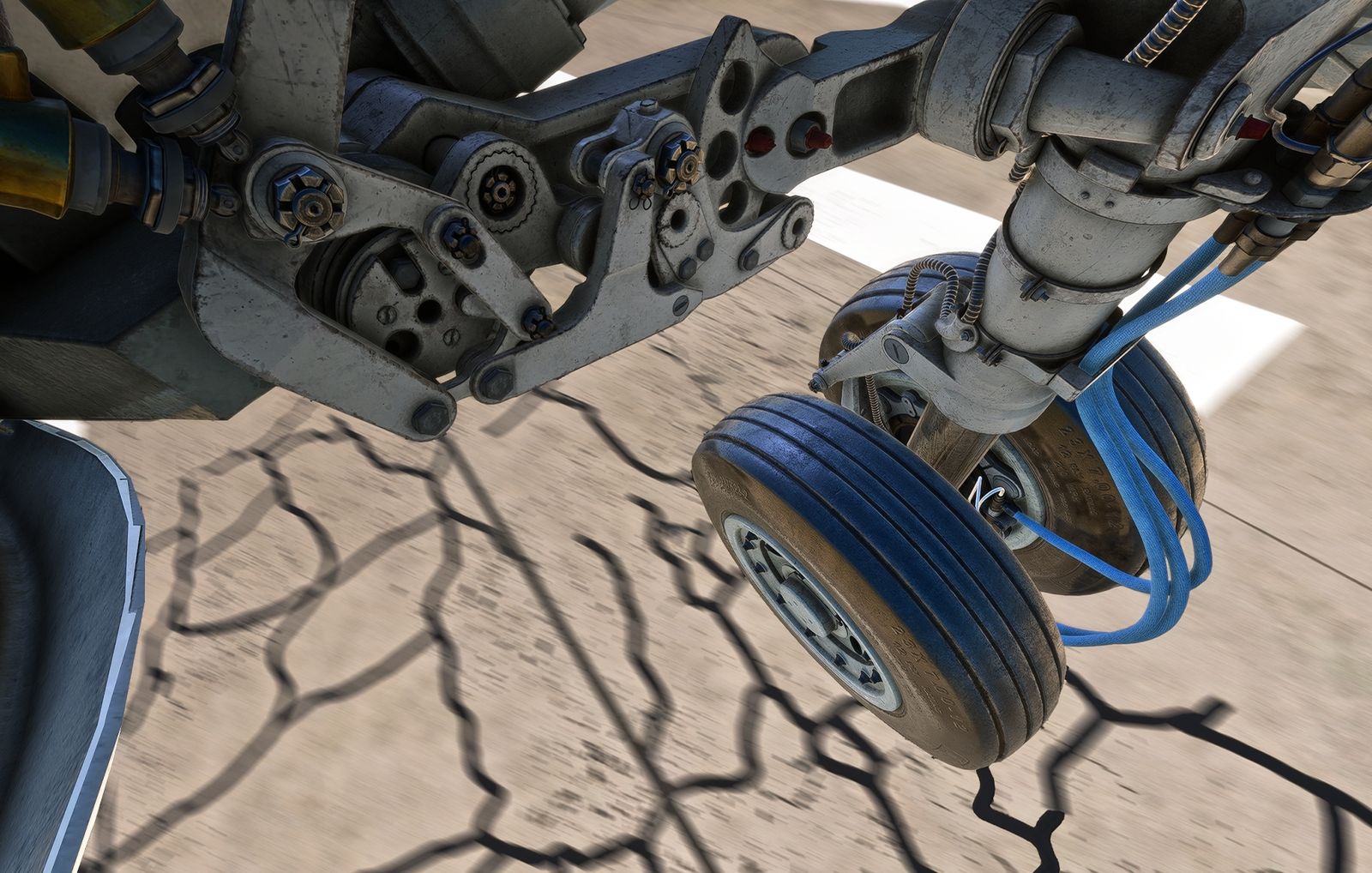
Electrical modelling covers six batteries and nine documented power configurations, with emergency and backup supplies represented. Hydraulic pressure governs the landing gear, flaps and airbrakes. Pumps, valves, accumulators and fluid losses form part of that simulation. Automatic and manual pressurisation modes are modelled too. Live tablet diagrams display power paths, airflow, pressures and valve positions, giving pilots a way to follow the effects of their inputs. Ice protection includes consumable TKS fluid, with visible application across the wings and replenishment through a service port.
An Aircraft That Remembers Each Flight
FlightFX’s Total Persistence stores more than 1,300 parameters for each airframe. Switch positions, doors, drawers, fuel, loading, hydraulic and de-icing fluid quantities, and individual engine hours carry over between sessions when the option is enabled. The saved shutdown state is restored for a cold-and-dark start; runway and airborne starts retain the appropriate configuration. This makes the condition in which the aircraft is parked relevant to the next flight, including the fluids and fuel left on board.

Cabin Details and Sound
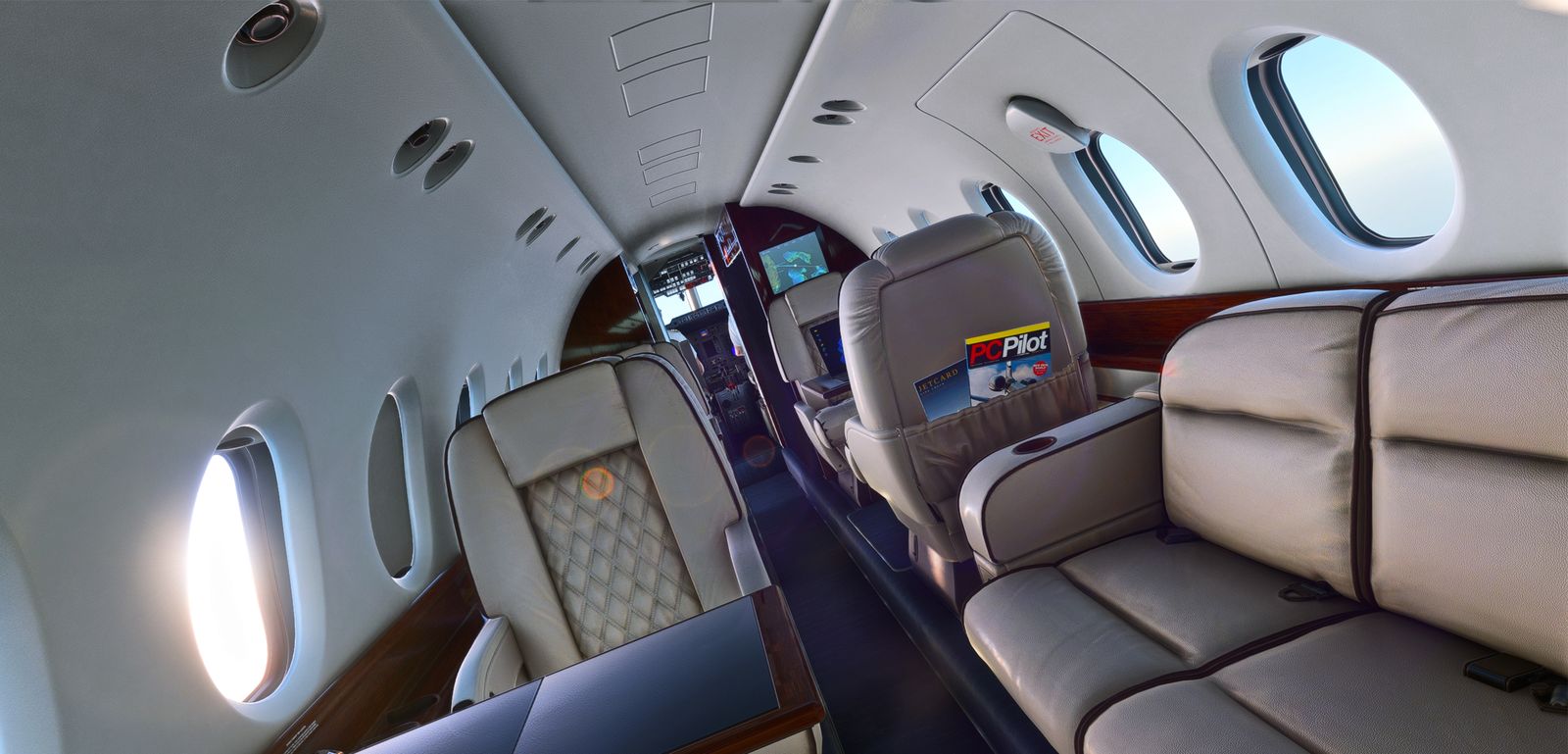
Sound comes from Boris Audio Works, using recordings made on the real aircraft. FlightFX’s inertia effects add body and seat movement associated with turbulence, ground roll, touchdown and stall buffet. In the passenger cabin, FlightFX Enroute displays the active route and journey progress, including altitude, groundspeed, distance remaining, flight number and estimated arrival time. The published interior images show cream seating, a side-facing sofa and wood-finished cabinetry, with views of the galley, storage compartments and the aisle leading towards the flight deck.

September 8 Marketplace Release
The announced launch is September 8 on the MSFS 2024 Marketplace. FlightFX’s product page did not list a price at the time of writing. Readers can find the full specifications and image gallery on the official Hawker 800XP page, follow the developer through its FlightFX Discord server, and discuss the announcement in the Microsoft Flight Simulator forum thread. Images accompanying this article are from FlightFX’s gallery and FlyngWithJay’s forum post.
Feel free to join our Discord server to share your feedback on the article, screenshots from your flights or just chat with the rest of the team and the community. Click here to join the server.