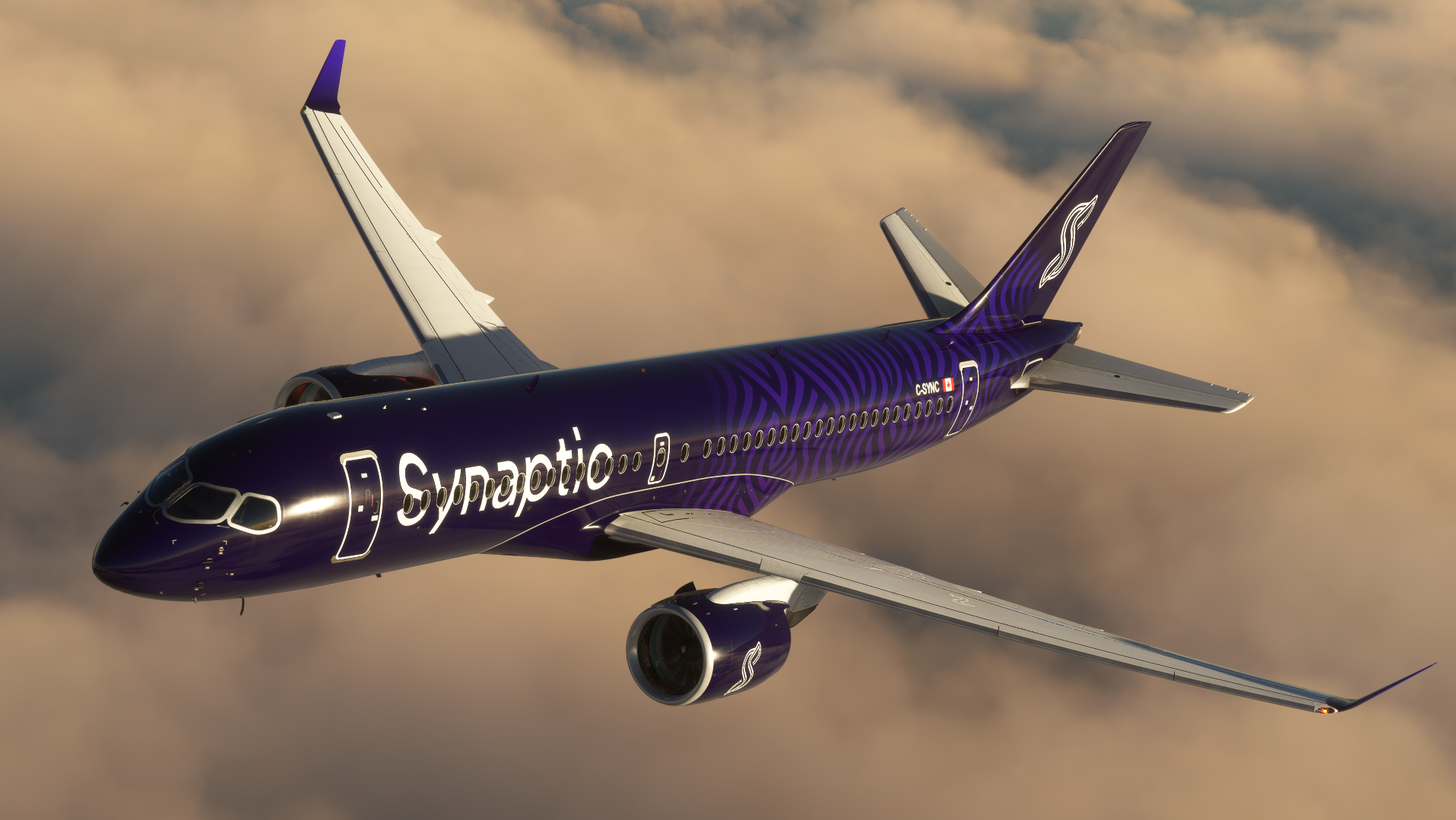
Few aircraft have generated as much anticipation in Microsoft Flight Simulator as the Synaptic A220. After almost five years of public development, the aircraft is finally approaching release, giving virtual pilots the opportunity to experience one of the most distinctive modern airliners.
Although it now carries the Airbus name, the A220 did not begin life in Toulouse. Originally developed by Bombardier as the CSeries, it was designed to bridge the gap between traditional regional jets and larger single-aisle aircraft. Airbus acquired a majority stake in the programme in 2018, and the CS100 and CS300 subsequently became the A220-100 and A220-300. The family typically covers the market from around 100 to 160 passengers.
That makes the A220 very different from an A320 or A321. Rather than replacing Airbus’ larger narrow-body family, it complements it by serving routes where passenger demand, airport restrictions or operating economics make a smaller mainline aircraft the more suitable choice.
The aircraft’s virtual journey has been almost as remarkable. Synaptic Simulations originally developed the project as a free and open-source aircraft before announcing in January 2024 that it would become a commercial product supported by iniBuilds. The initial release will feature the A220-300, with the A220-100 and ACJ variants planned to follow later. The aircraft is currently scheduled for summer 2026 for Microsoft Flight Simulator 2020 and 2024.
We have selected five real-world operations that highlight why airlines choose the A220. These are not simply five attractive destinations; each route demonstrates a different reason why the aircraft fits the mission.
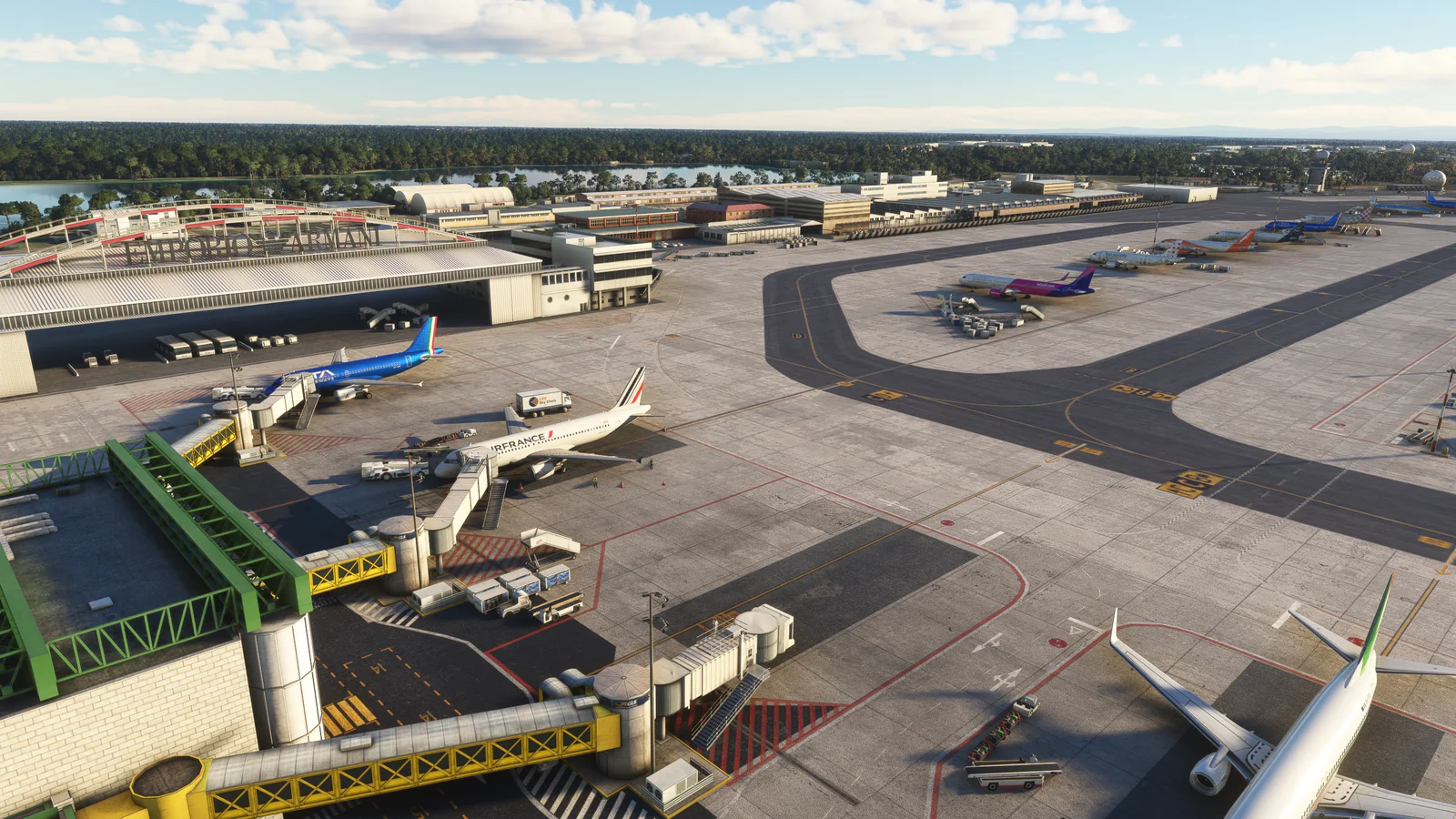
1. ITA Airways — Milan Linate to London City
If there is one route that clearly demonstrates why the Airbus A220 exists, this is it.
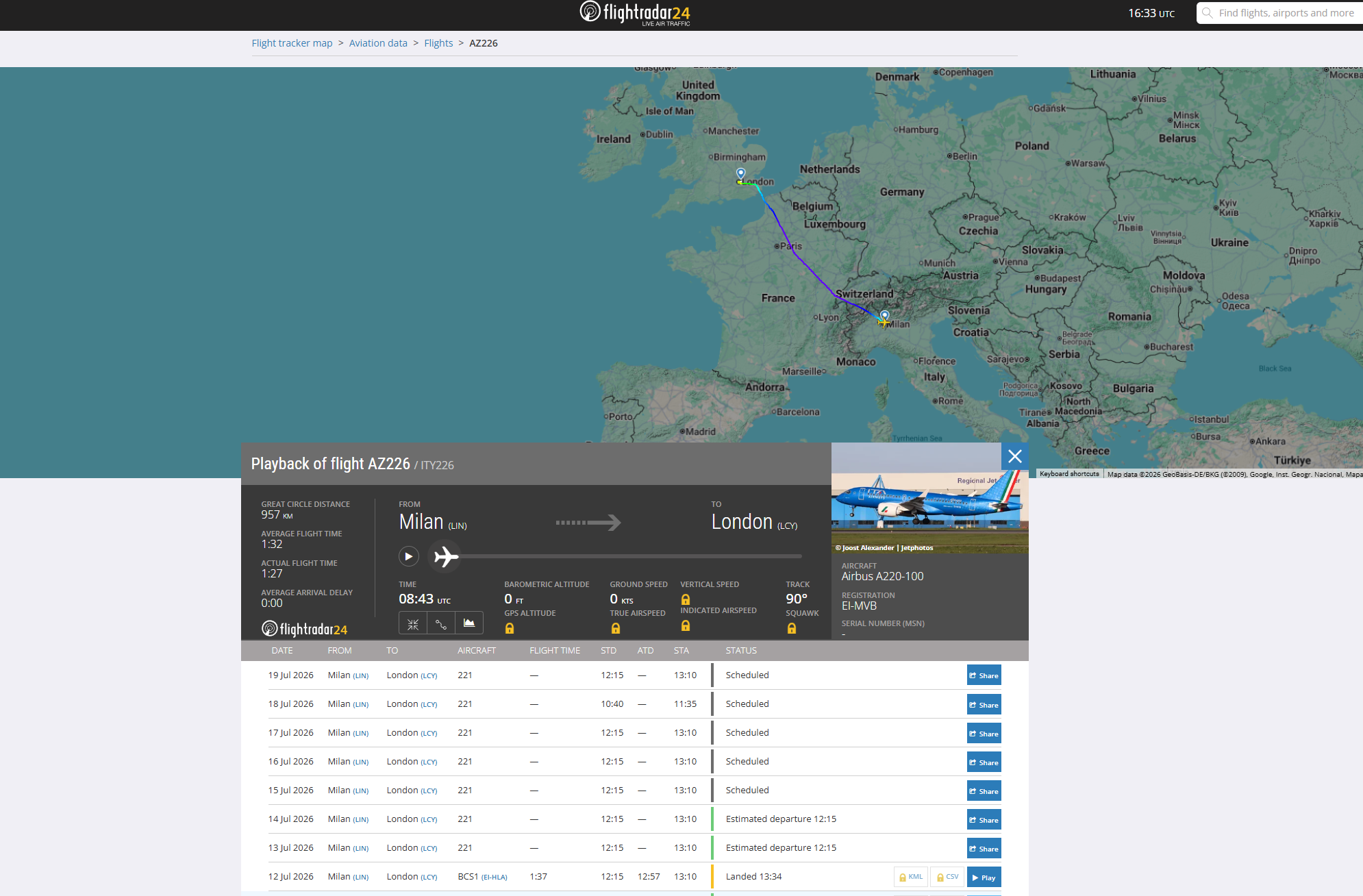
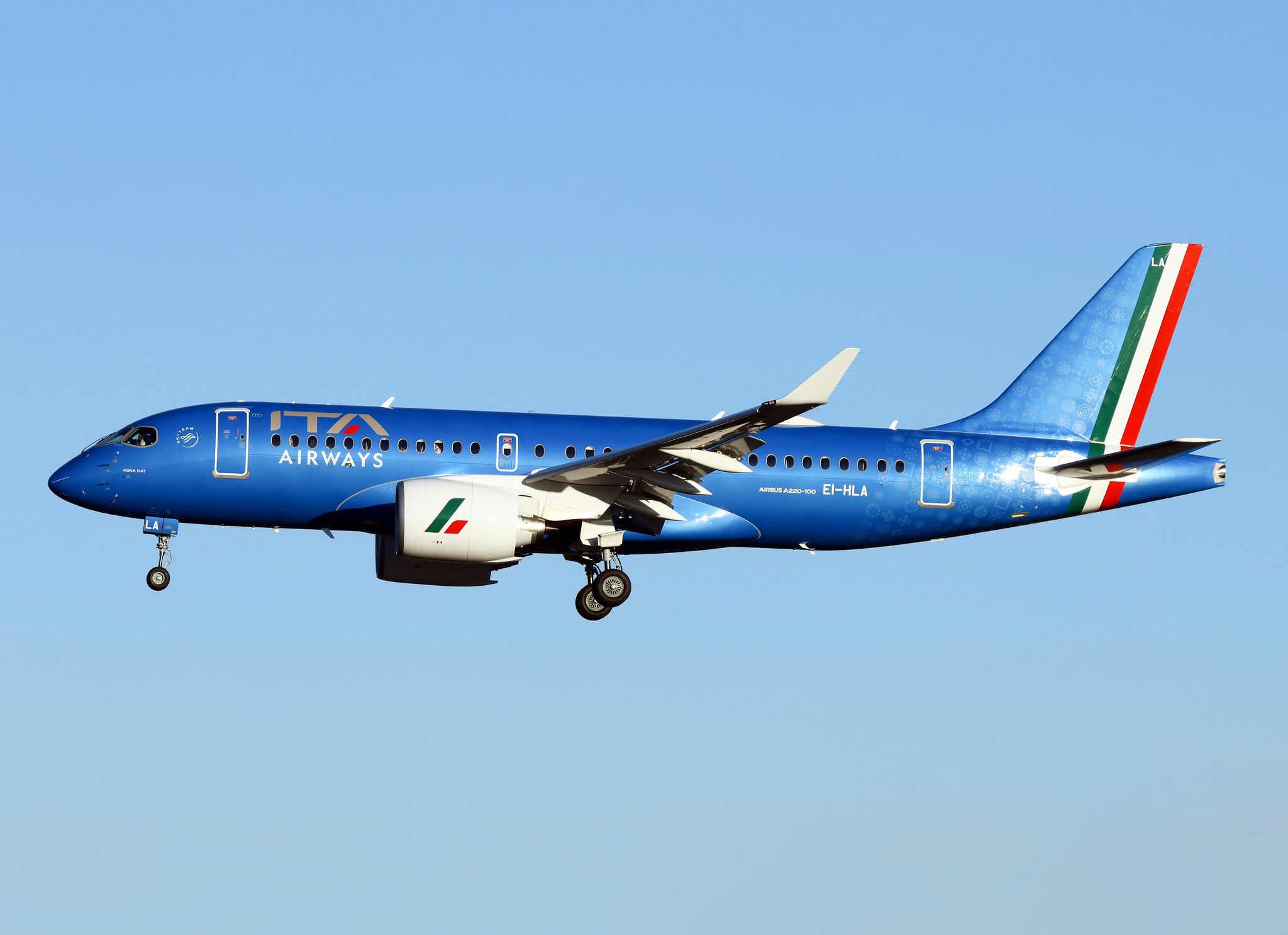
ITA Airways connects Milan Linate with London City using the A220-100, linking two airports located unusually close to their respective city centres. Although the flight lasts only around 90 minutes, the arrival into London City is anything but routine.
London City combines a 1,508-metre runway with a published approach angle of up to 5.5 degrees, considerably steeper than the three-degree path used at most commercial airports. The aircraft and operator require approval for steep-approach operations, while crews must complete the relevant training and maintain the necessary qualifications.
For virtual pilots, the route combines busy European airspace, a real airline operation and one of the most distinctive approaches available to recreate in Microsoft Flight Simulator.
Flight Details
Airline: ITA Airways
Flight: AZ226 / ITY226
Aircraft: Airbus A220-100
Departure: Milan Linate (LIML/LIN)
Arrival: London City (EGLC/LCY)
Typical flight time: 1 hour 30 minutes
A220 inaugural service on this route: 3 November 2023
Operational focus: Steep-approach operations and London City’s 1,508-metre runway
Variant note: Synaptic’s initial release will be the A220-300. The A220-100 used by ITA Airways on this route is planned to arrive later.
Sample routing
OMETO9C OMETO DCT AOSTA DCT ORSUD DCT MOLUS DCT GILIR DCT PENDU DCT IXILU DCT EPL DCT ROUSY DCT IDOSA DCT KOMOB DCT BUB L608 SUMUM SUMUM1C
This routing is based on the example flight plan dated 11 July 2026. Runways, departure and arrival procedures may change with weather, traffic and the AIRAC cycle.
Sceneries
Microsoft Flight Simulator 2020
Microsoft Flight Simulator 2024
2. QantasLink — Brisbane to Wellington
London City is a challenge written into the chart. Wellington is a challenge written into the wind.
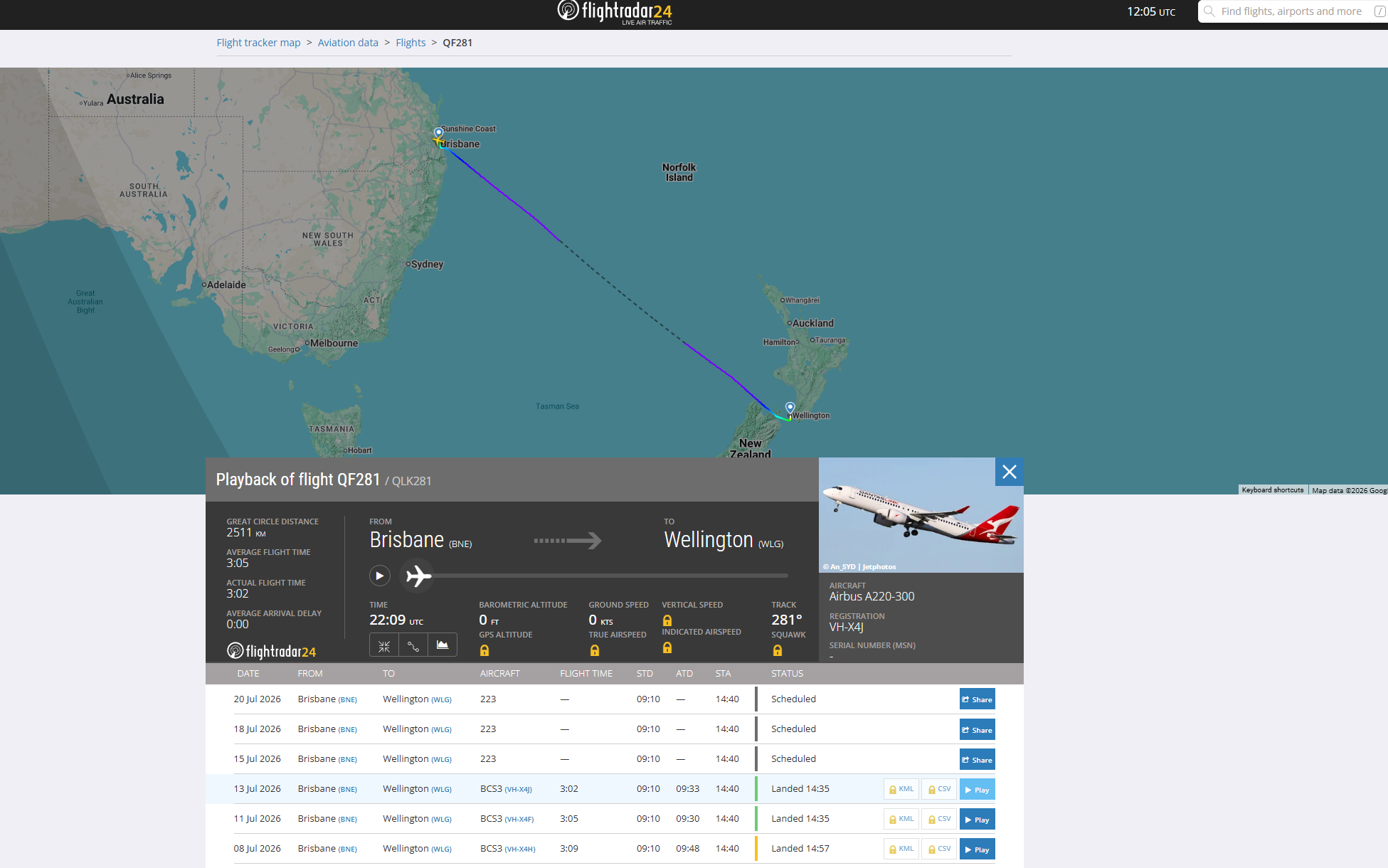
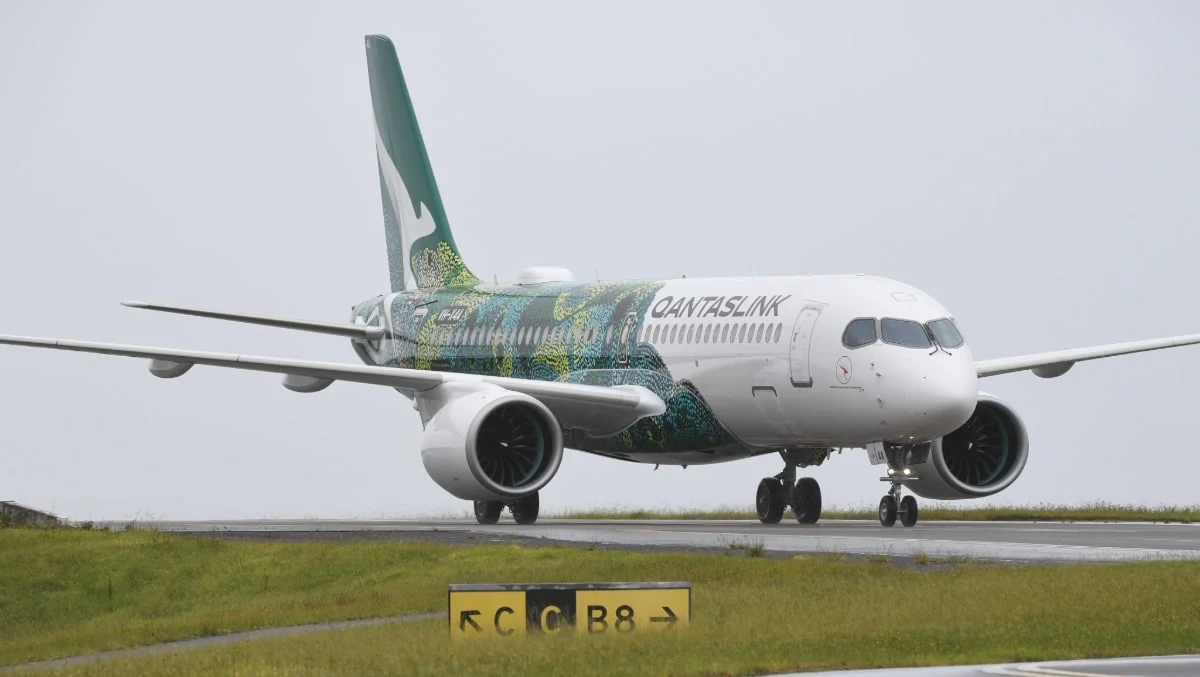
QantasLink’s service between Brisbane and Wellington became the airline’s first scheduled international A220 operation in February 2026. The A220-300 replaced the Embraer E190 and some Boeing 737 services, giving Qantas an aircraft whose 137-seat capacity and operating economics are particularly well suited to selected trans-Tasman flights.
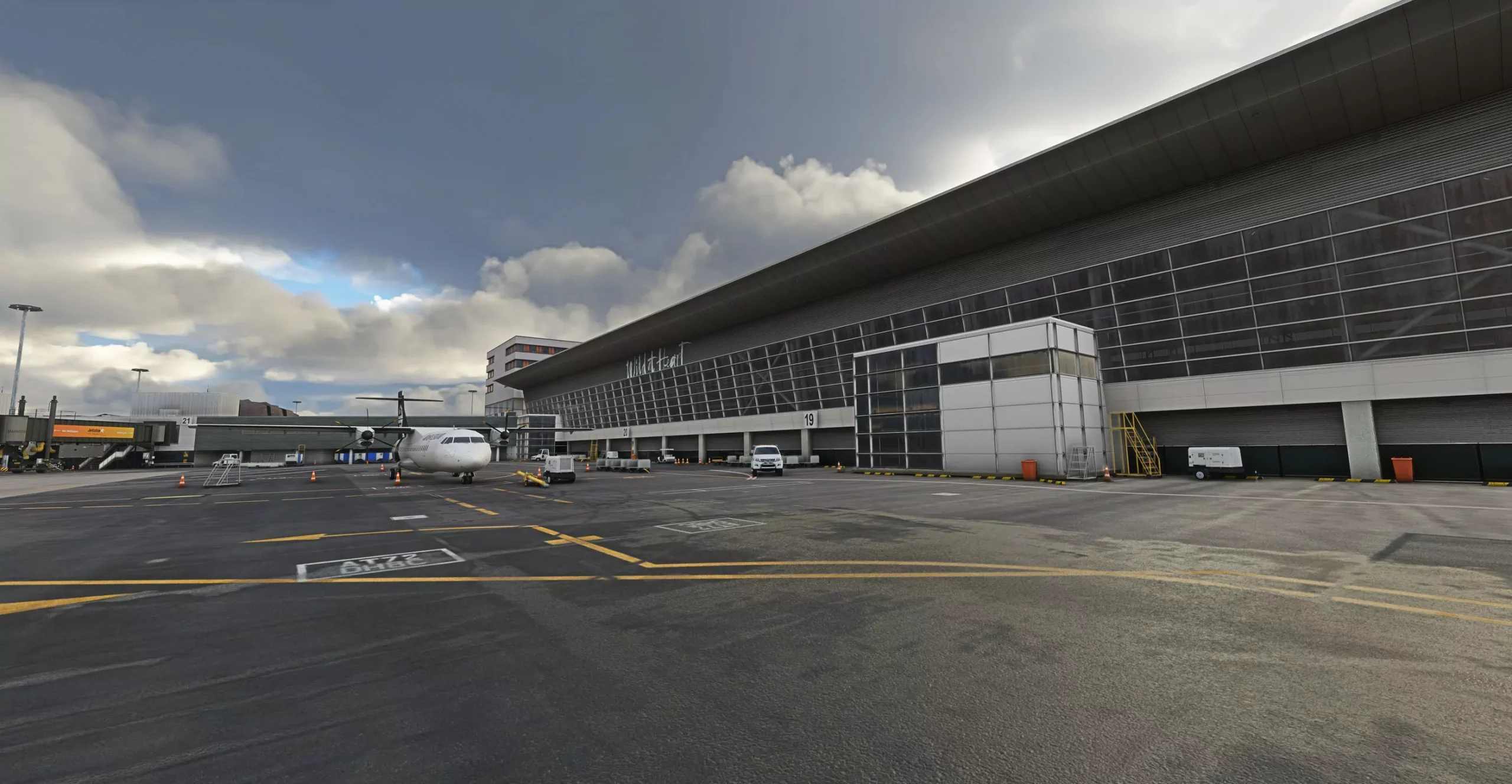
For virtual pilots, the journey offers around three hours over the Tasman Sea before an arrival shaped by New Zealand’s famously changeable weather. Winds flowing through Cook Strait can strengthen near Wellington, while the surrounding terrain may introduce turbulence and windshear. Unlike London City’s fixed 5.5-degree challenge, no two arrivals here need feel exactly the same.
That combination makes QF281 an ideal second route: it uses the A220-300 that Synaptic will release first, marks an important milestone in Qantas’ fleet programme and finishes at an airport where the weather—not simply the chart—can decide how demanding the final minutes become.
Flight Details
Airline: QantasLink
Flight: QF281 / QLK281
Aircraft: Airbus A220-300
Departure: Brisbane International (YBBN/BNE)
Arrival: Wellington International (NZWN/WLG)
Typical flight time: 3 hours 5 minutes
A220 inaugural service on this route: 2 February 2026
Historical significance: Qantas’ first scheduled international A220 service
Operational focus: Trans-Tasman and ETOPS flying, followed by Wellington’s challenging wind conditions
Sample routing
SCOTT J208 LHI M639 GULUT SIMZI4C
Sceneries
Microsoft Flight Simulator 2020
Microsoft Flight Simulator 2024

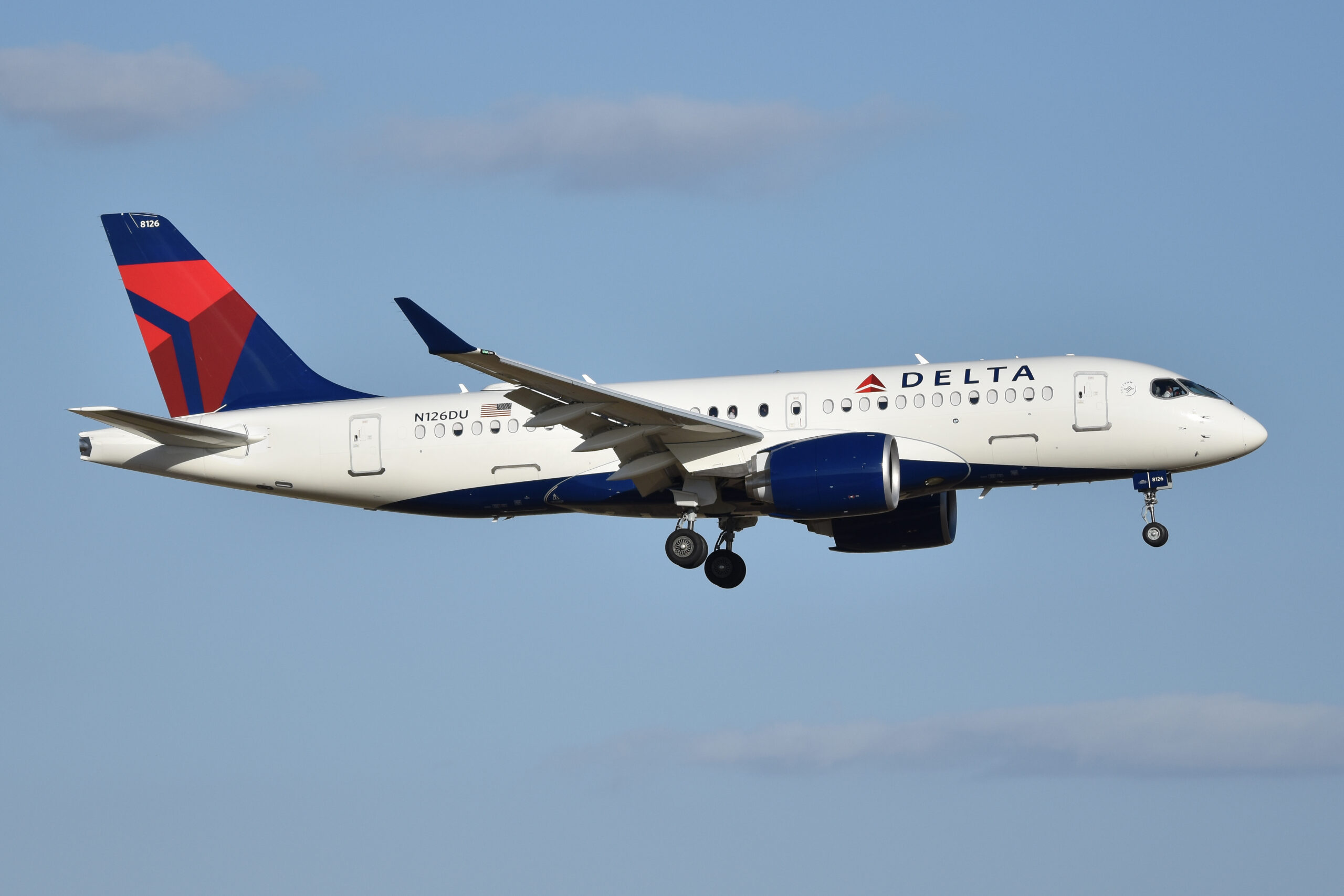
3. Delta Air Lines — New York LaGuardia to Boston
Before the A220 became a familiar sight across the United States, its story in the Americas began with a short flight along the East Coast.
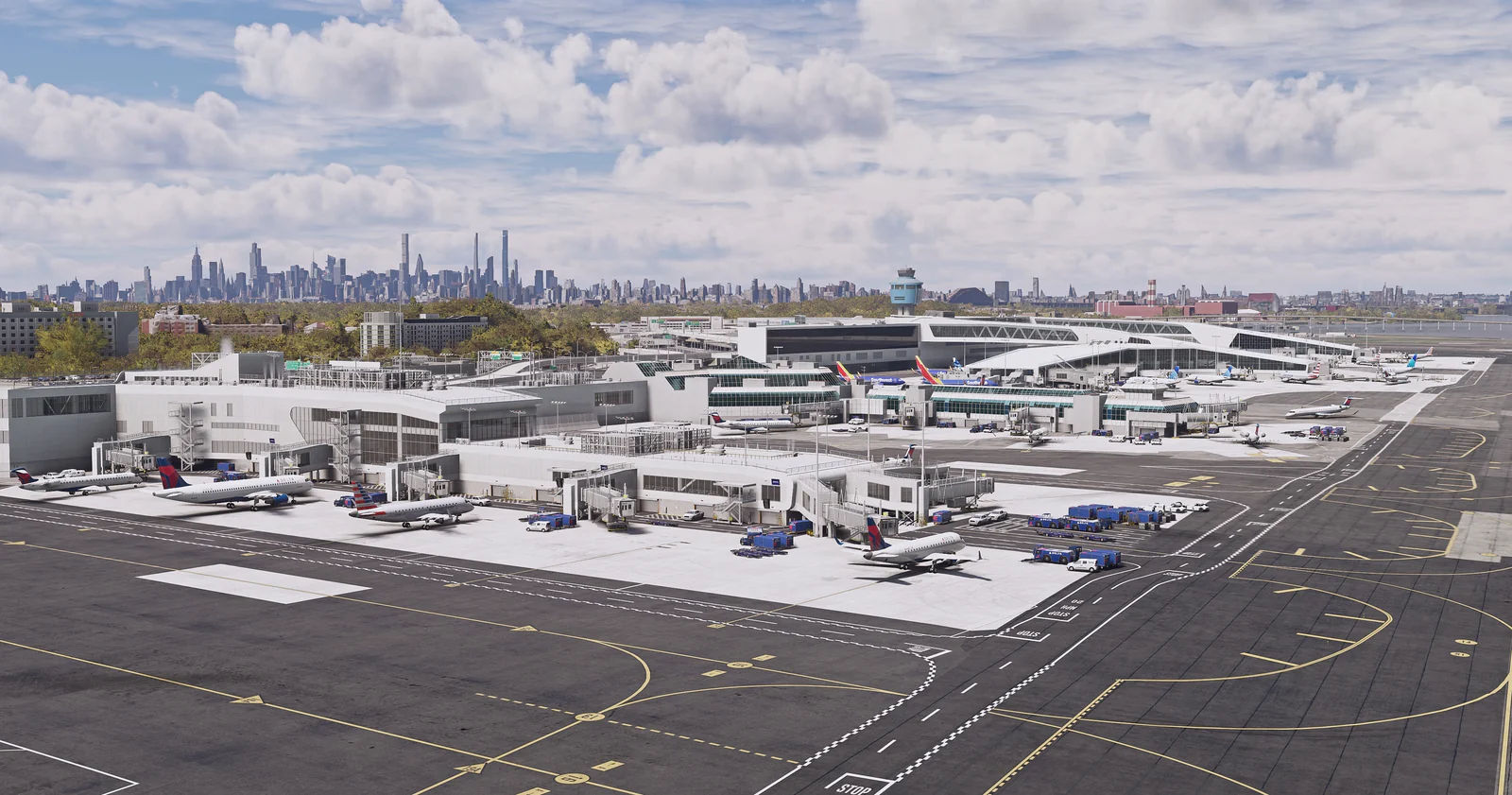
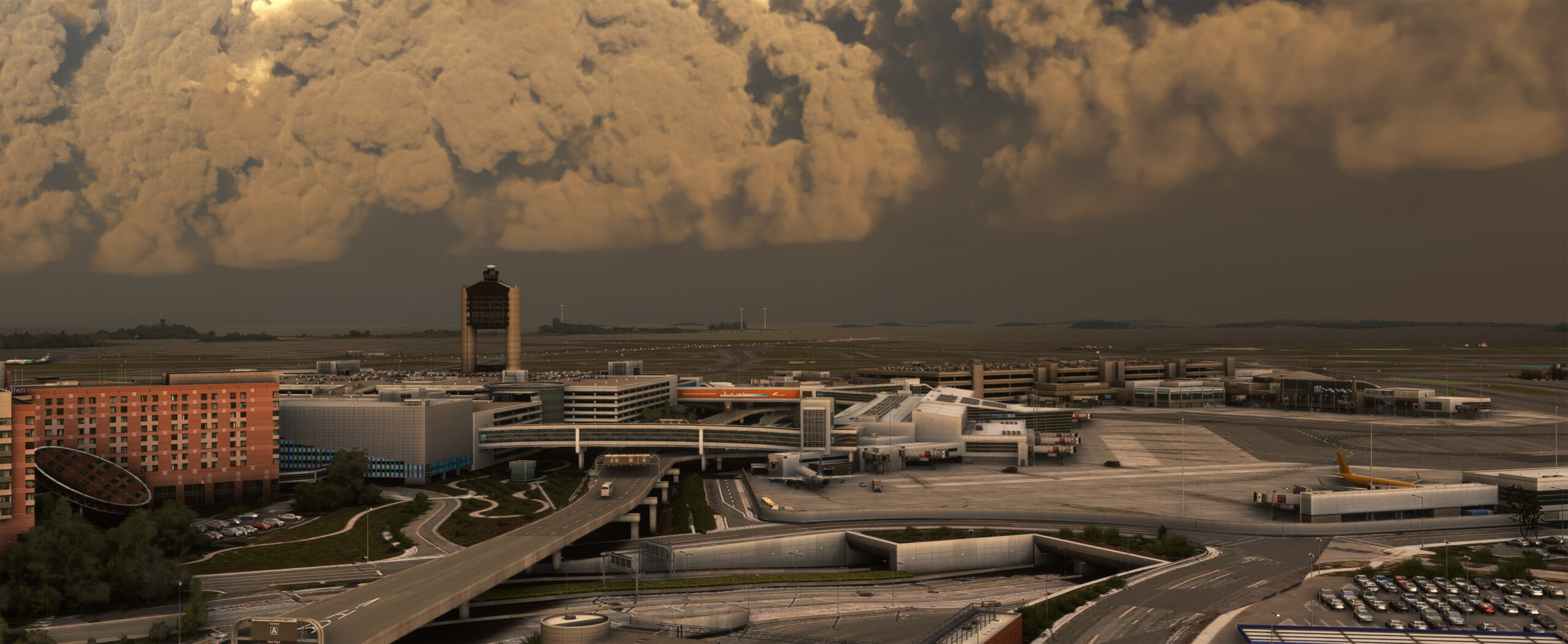
On 7 February 2019, Delta flight DL744 departed New York LaGuardia for Boston Logan, becoming the first revenue-earning A220 flight in the Americas. Delta was the aircraft’s North American launch customer, while a second inaugural route from LaGuardia to Dallas/Fort Worth began later that same day.
LaGuardia–Boston was a fitting place to introduce the aircraft. The route links two important Delta markets and traditionally attracts frequent business traffic, but its short duration does not necessarily require the capacity of a larger narrow-body. Delta’s 109-seat A220-100 filled the space between smaller regional aircraft and larger mainline jets, while still offering a full mainline cabin on a sector lasting little more than an hour. This made the route a practical demonstration of the role the A220 had been designed to perform.
For virtual pilots, this is less about a difficult approach and more about recreating a moment in aviation history. A departure from LaGuardia’s congested airspace, a brief flight along the northeastern United States and an arrival into busy Boston make DL744 an ideal short sector for learning the A220-100 while recreating the flight that introduced the aircraft to passengers in the Americas.
Flight Details
Airline: Delta Air Lines
Historical inaugural flight number: DL744
Aircraft: Airbus A220-100
Inaugural aircraft registration: N102DU
Departure: New York LaGuardia (KLGA/LGA)
Arrival: Boston Logan International (KBOS/BOS)
Typical flight time: 1 hour 5 minutes
A220 inaugural service on this route: 7 February 2019
Historical significance: First revenue-earning A220 flight in the Americas
Operational focus: A short, high-frequency business route demonstrating the role of the A220-100
Sample routing
MERIT ROBUC3
This is a historical recreation of Delta’s inaugural A220 service. DL744 must not be presented as the current flight number or as a current A220 assignment on this route.
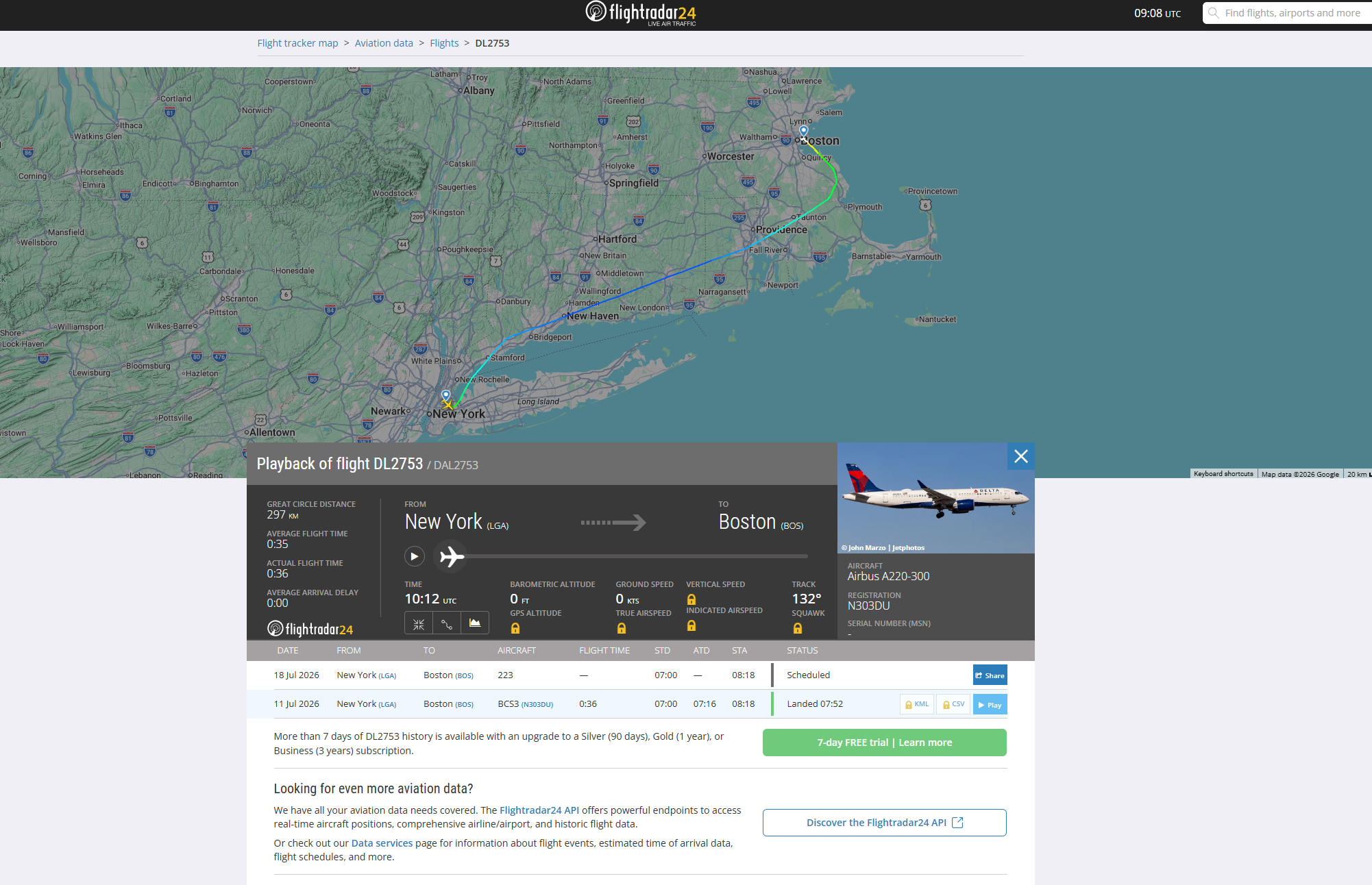
For pilots seeking a more recent operation, DL2753 was operated between LaGuardia and Boston by an A220-300 on 11 July 2026. Flight numbers and aircraft assignments remain subject to schedule and operational changes.
Sceneries
Microsoft Flight Simulator 2020
Microsoft Flight Simulator 2024
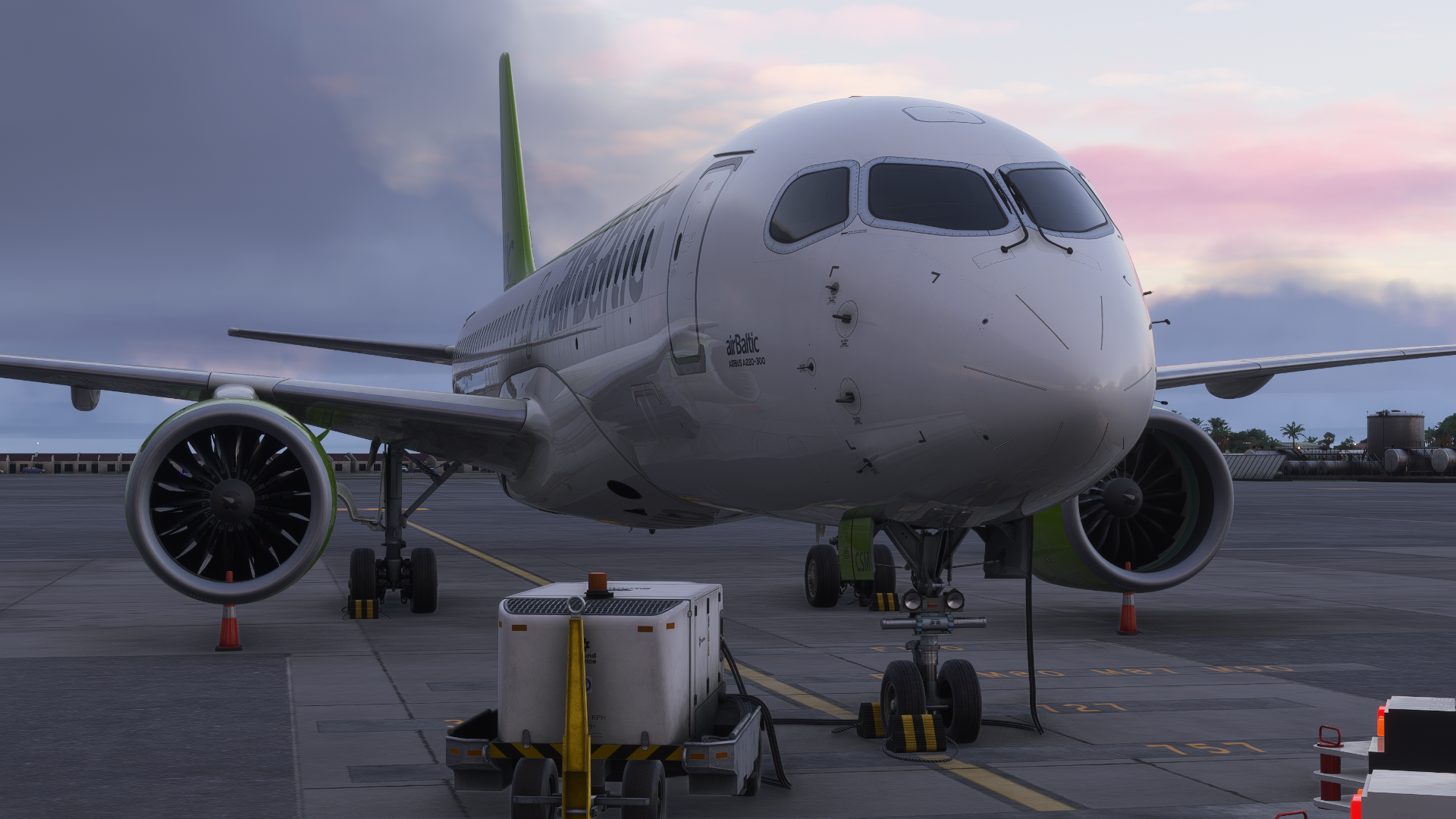
4. airBaltic — Riga to Amsterdam
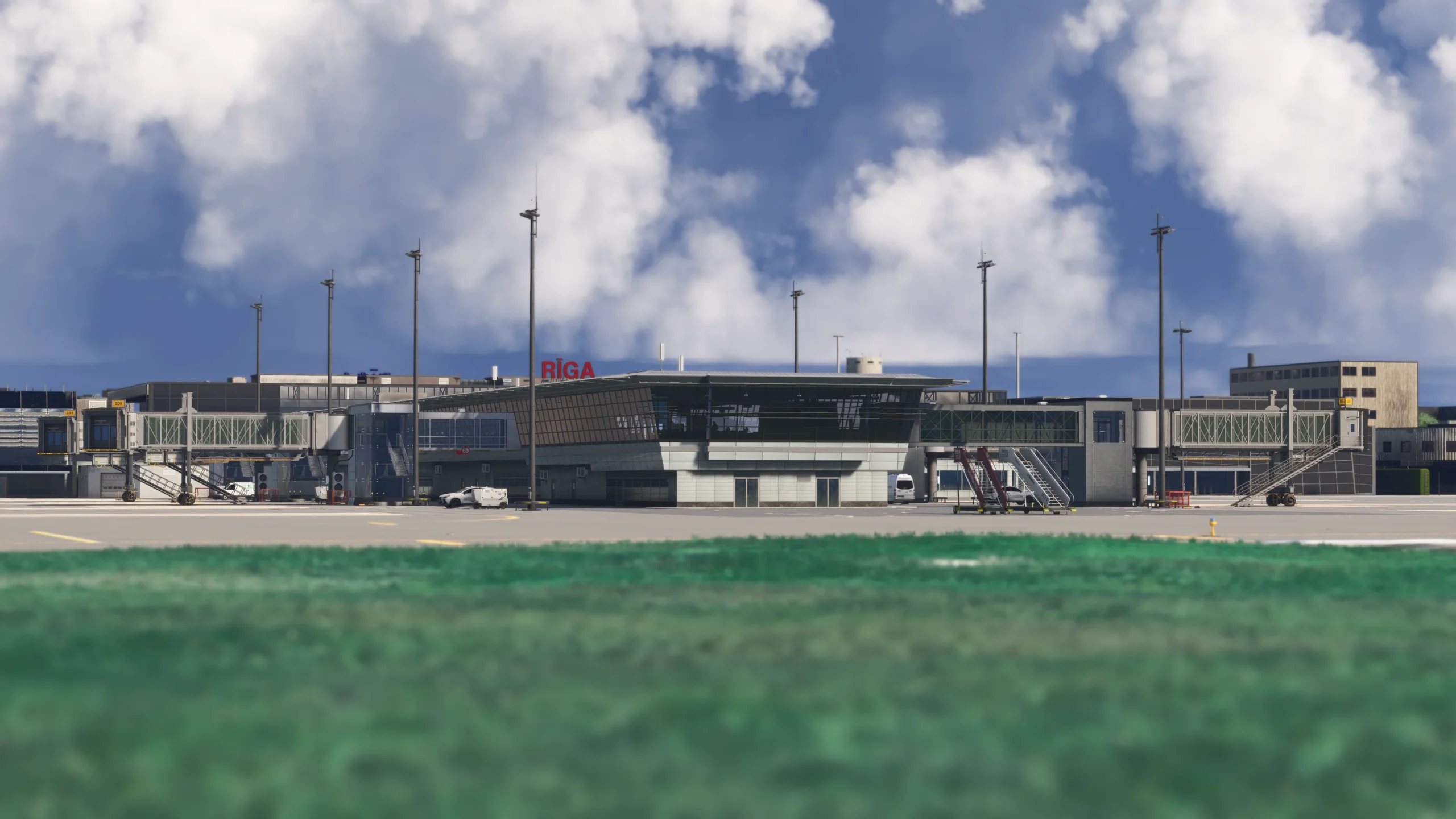
Some routes are worth flying because of their scenery or demanding approaches. Riga to Amsterdam belongs on this list because it marks the moment the A220-300’s commercial story began.
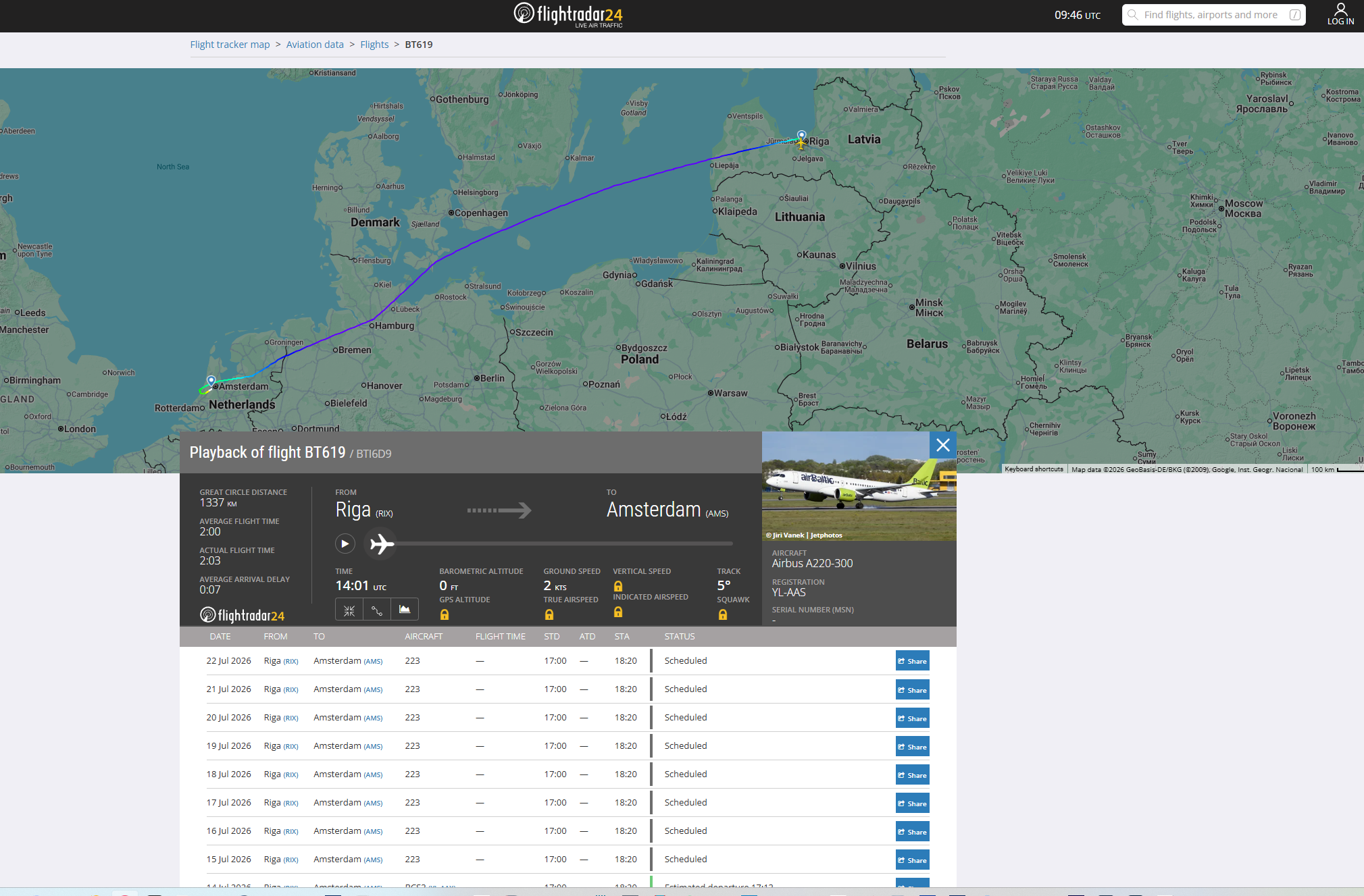
On 14 December 2016, airBaltic flight BT619 departed Riga for Amsterdam with YL-CSA, completing the first revenue passenger service operated by the Bombardier CS300. The aircraft had not yet adopted the Airbus name, but this was the commercial debut of the variant now known as the A220-300. airBaltic was its global launch operator, and Amsterdam became the first destination reached by the larger member of the CSeries family.
There was nothing unusually extreme about the sector—and that is precisely why it suited the aircraft. Riga–Amsterdam connects airBaltic’s home hub with one of Europe’s principal international gateways on a flight lasting a little over two hours. It represents the type of mission for which the A220-300 was designed: enough capacity for an important European connection, but without requiring a larger narrow-body aircraft. Its 120-to-160-seat market positioning and low operating costs allow it to cover everything from short regional sectors to longer European services efficiently.
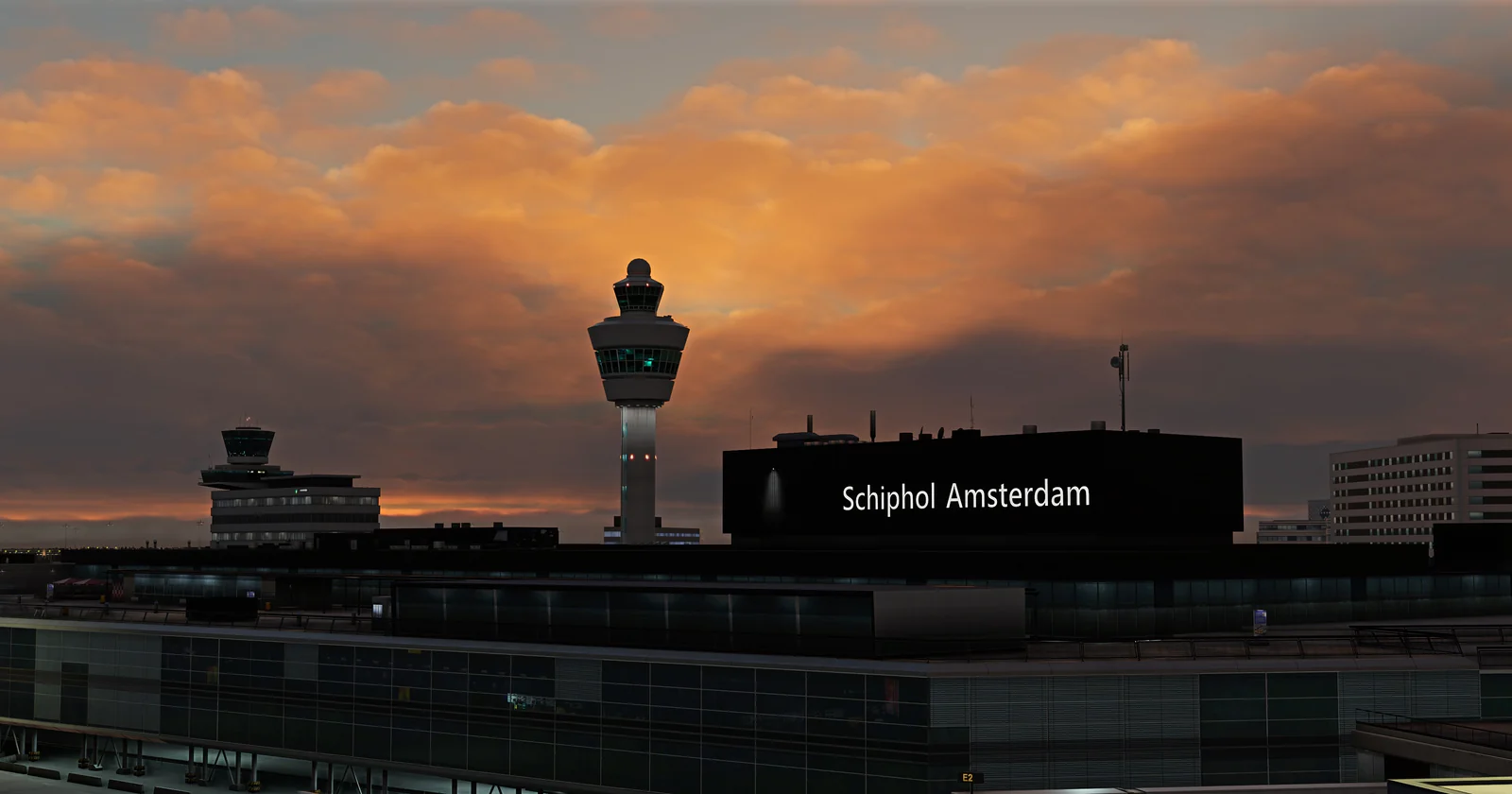
For virtual pilots, BT619 offers the chance to recreate a defining moment in the A220-300’s commercial history. The journey begins at the airport where airBaltic’s A220 story was born, crosses northern Europe and finishes in the complex traffic environment of Amsterdam Schiphol. What started with a single CS300 flight to Amsterdam eventually became the foundation of airBaltic’s all-A220-300 fleet.
Flight Details
Airline: airBaltic
Flight: BT619 / BTI619
Aircraft: Airbus A220-300
Historical aircraft designation: Bombardier CS300
Inaugural aircraft registration: YL-CSA
Departure: Riga International Airport (EVRA/RIX)
Arrival: Amsterdam Airport Schiphol (EHAM/AMS)
Typical flight time: 2 hours 20 minutes
A220-300 inaugural service on this route: 14 December 2016
Historical significance: First commercial passenger flight operated by the CS300, now known as the Airbus A220-300
Operational focus: A major European hub connection demonstrating the capacity, efficiency and versatility of the A220-300
Sample routing
VALE4J VALED M869 LEP M864 ADAXA DCT NINTA DCT GIMRU DCT BLUFA BLUF1A
The inaugural flight number remains in use today. BT619 continues to operate between Riga and Amsterdam with the Airbus A220-300, although schedules and individual aircraft assignments remain subject to operational changes.
Sceneries
Microsoft Flight Simulator 2020
Microsoft Flight Simulator 2024
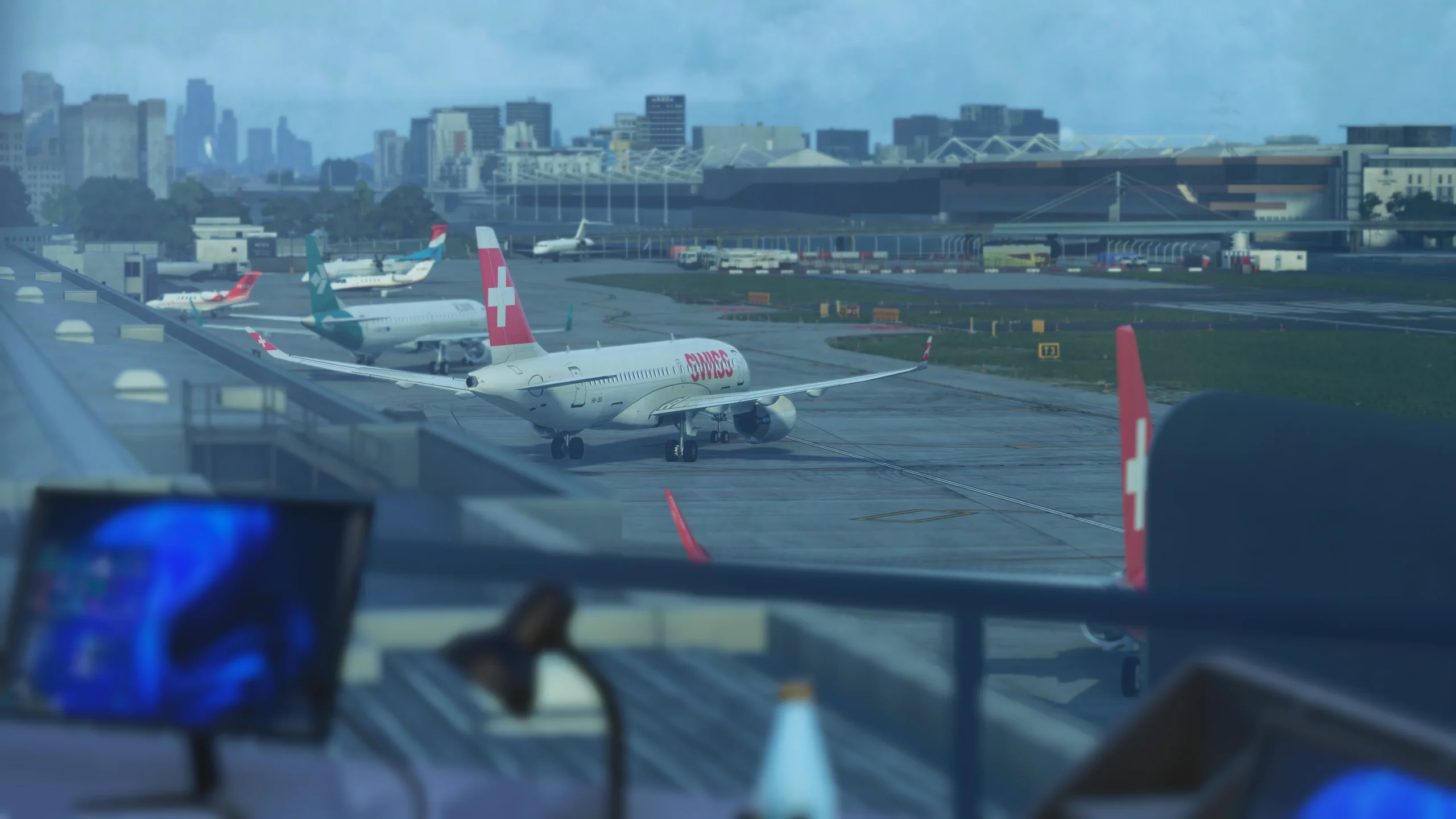
5. SWISS — Zurich to Paris Charles de Gaulle
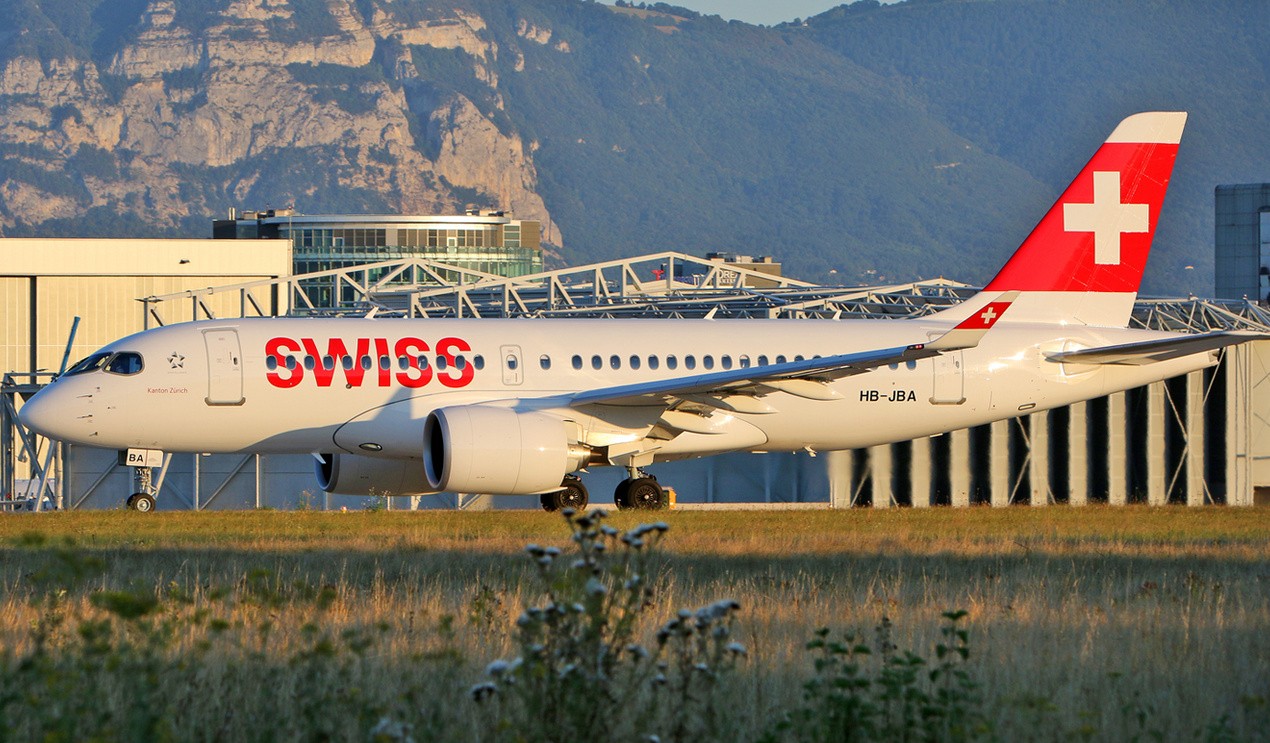
Some routes are memorable because of terrain or weather. Zurich to Paris Charles de Gaulle earns its place for a different reason: this is where the commercial story of the entire A220 family began. On 15 July 2016, SWISS flight LX638 departed Zurich with HB-JBA, the first Bombardier CS100 delivered to the airline, and carried paying passengers to Paris.
Known today as the Airbus A220-100, the 125-seat aircraft was a natural fit for a major but relatively short European business route. Zurich and Paris both feed large connecting networks, while the sector does not require the capacity of a larger narrow-body on every frequency. The CS100 gave SWISS mainline comfort without oversizing the flight, demonstrating exactly why the smaller A220 variant existed.
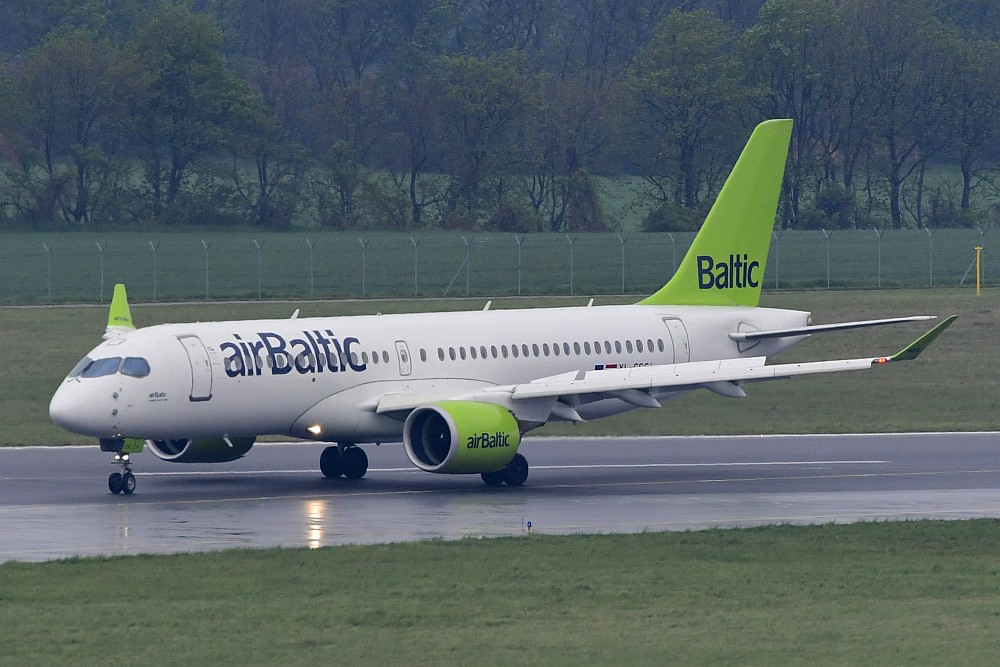
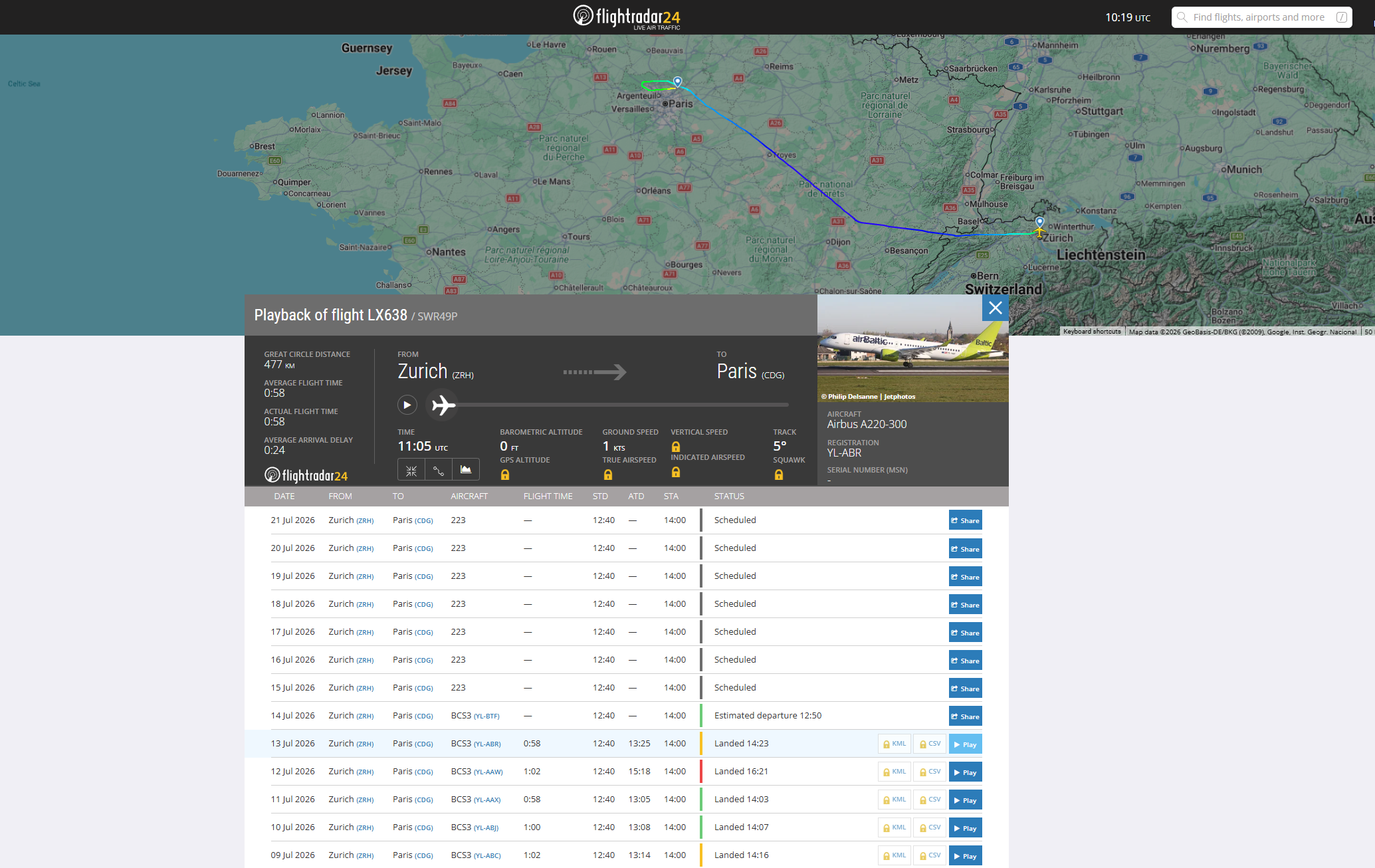
For virtual pilots, LX638 is more than another short European hop. It begins at SWISS’s home hub, crosses busy continental airspace and ends at one of Europe’s largest and most complex airports. The flight number remains in use on the same route today, although its modern operation comes with an interesting twist. Some LX638 services are flown by airBaltic A220-300s under a wet-lease agreement, with airBaltic supplying the aircraft and crew while the flight continues to be marketed by SWISS. This means that a flight which introduced the smaller CS100 in 2016 can now occasionally be seen operated by the larger A220-300.
Flight Details
Airline: SWISS
Flight: LX638 / SWR638
Aircraft: Airbus A220-100
Historical aircraft designation: Bombardier CS100
Inaugural aircraft registration: HB-JBA
Departure: Zurich Airport (LSZH/ZRH)
Arrival: Paris Charles de Gaulle Airport (LFPG/CDG)
Typical flight time: 1 hour
A220-100 inaugural service on this route: 15 July 2016
Historical significance: First commercial passenger flight operated by any member of the CSeries family, now known as the Airbus A220
Operational focus: A major short-haul European connection demonstrating the A220-100’s right-sized capacity
Sample routing
VEBIT1T VEBIT T10 LUMEL T14 MOROK DCT PENDU DCT JAVVU DCTGIVRI DCT TINIL TINIL9W
The inaugural flight number remains in use today. LX638 continues to connect Zurich with Paris Charles de Gaulle, although some services are operated by airBaltic A220-300 aircraft on behalf of SWISS under a wet-lease agreement. The historic inaugural flight on 15 July 2016 was operated directly by SWISS with CS100 HB-JBA.
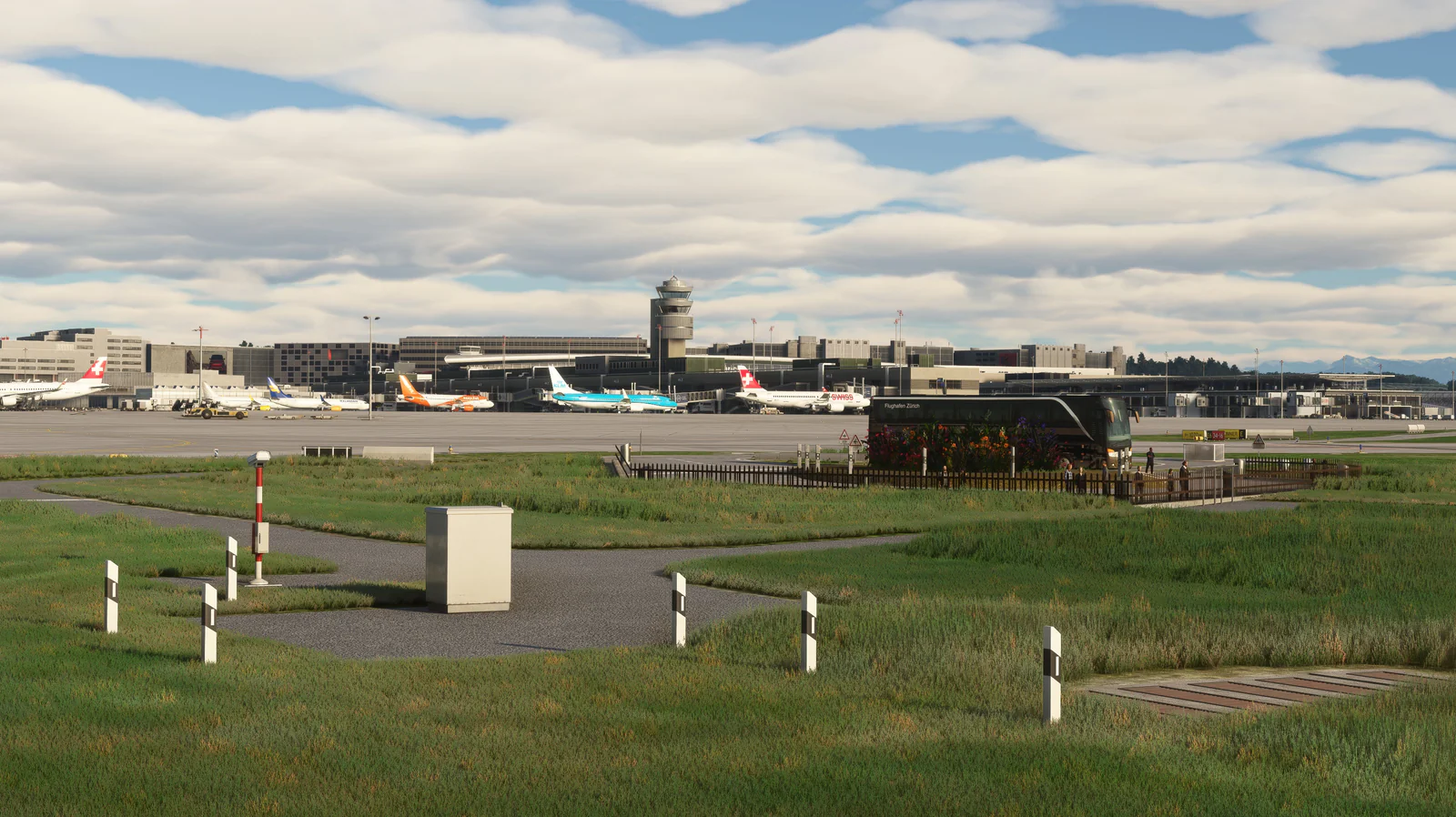
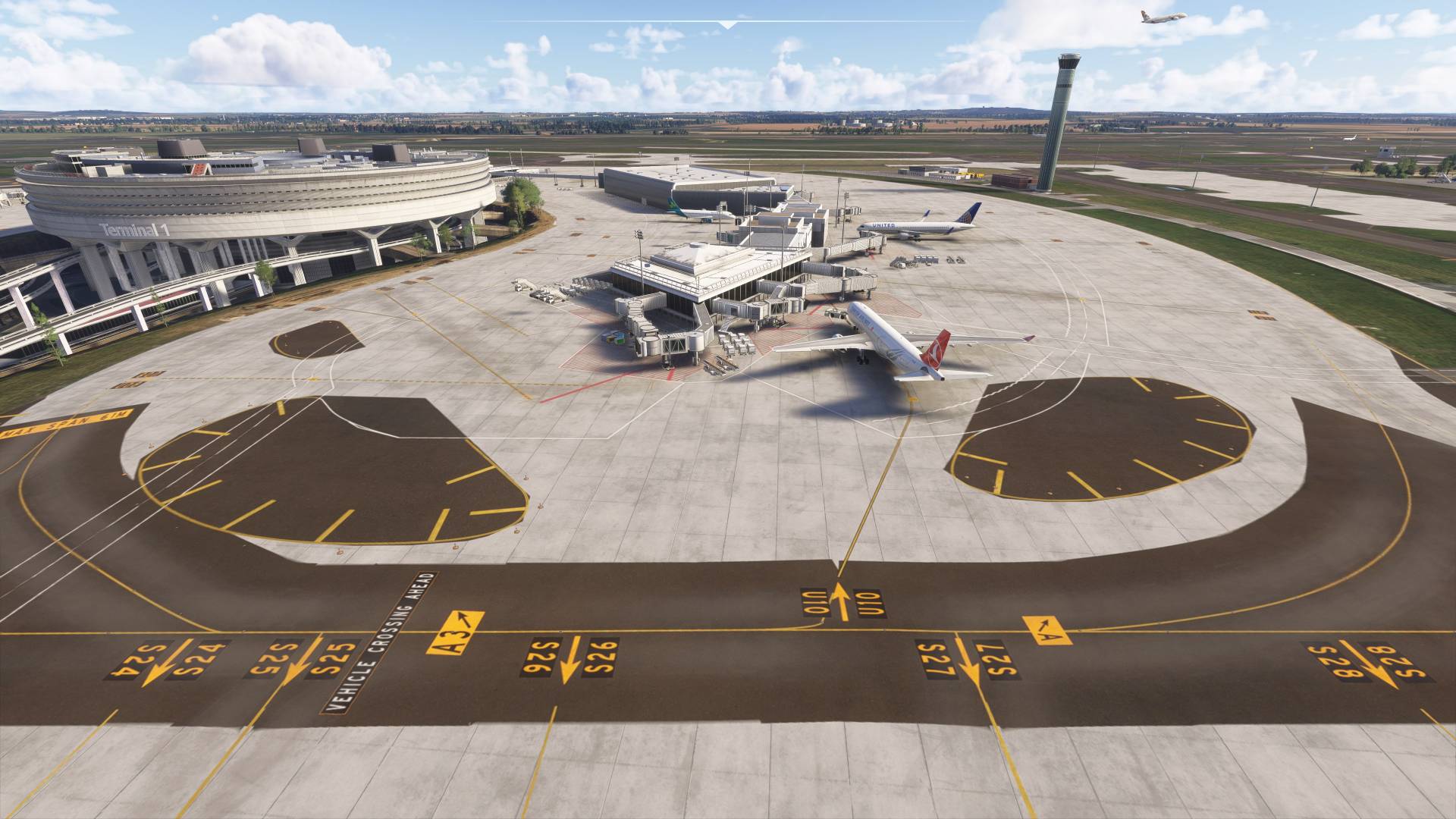
Sceneries
Microsoft Flight Simulator 2020
- MK Studios — Zurich International Airport
- Default scenery — Paris Charles de Gaulle Airport
Microsoft Flight Simulator 2024
- MK Studios — Zurich International Airport
- Default scenery — Paris Charles de Gaulle Airport
Five Routes, One Remarkable Aircraft
These five flights tell very different stories. London City demonstrates the A220’s ability to operate where larger aircraft face restrictions, Wellington tests it against demanding weather, while LaGuardia–Boston, Riga–Amsterdam and Zurich–Paris preserve some of the most important moments in the aircraft’s history.
With the A220-300 arriving first from Synaptic and the smaller A220-100 planned to follow, virtual pilots will eventually be able to recreate every route on this list with the correct variant. Whether you are looking for a challenging approach, a realistic short-haul sector or the opportunity to retrace an aviation milestone, the A220 offers far more than another modern airliner to learn.
The only question left is where its first flight in your simulator will take you.
Feel free to join our Discord server to share your feedback on the article, screenshots from your flights or just chat with the rest of the team and the community. Click here to join the server.
Affiliate link
Please note that this article may contain affiliate links, which means we may earn a commission if you make a purchase through these links. However, rest assured that our content is not influenced by their presence. For more information, please refer to our Advertising Policy & Charter.