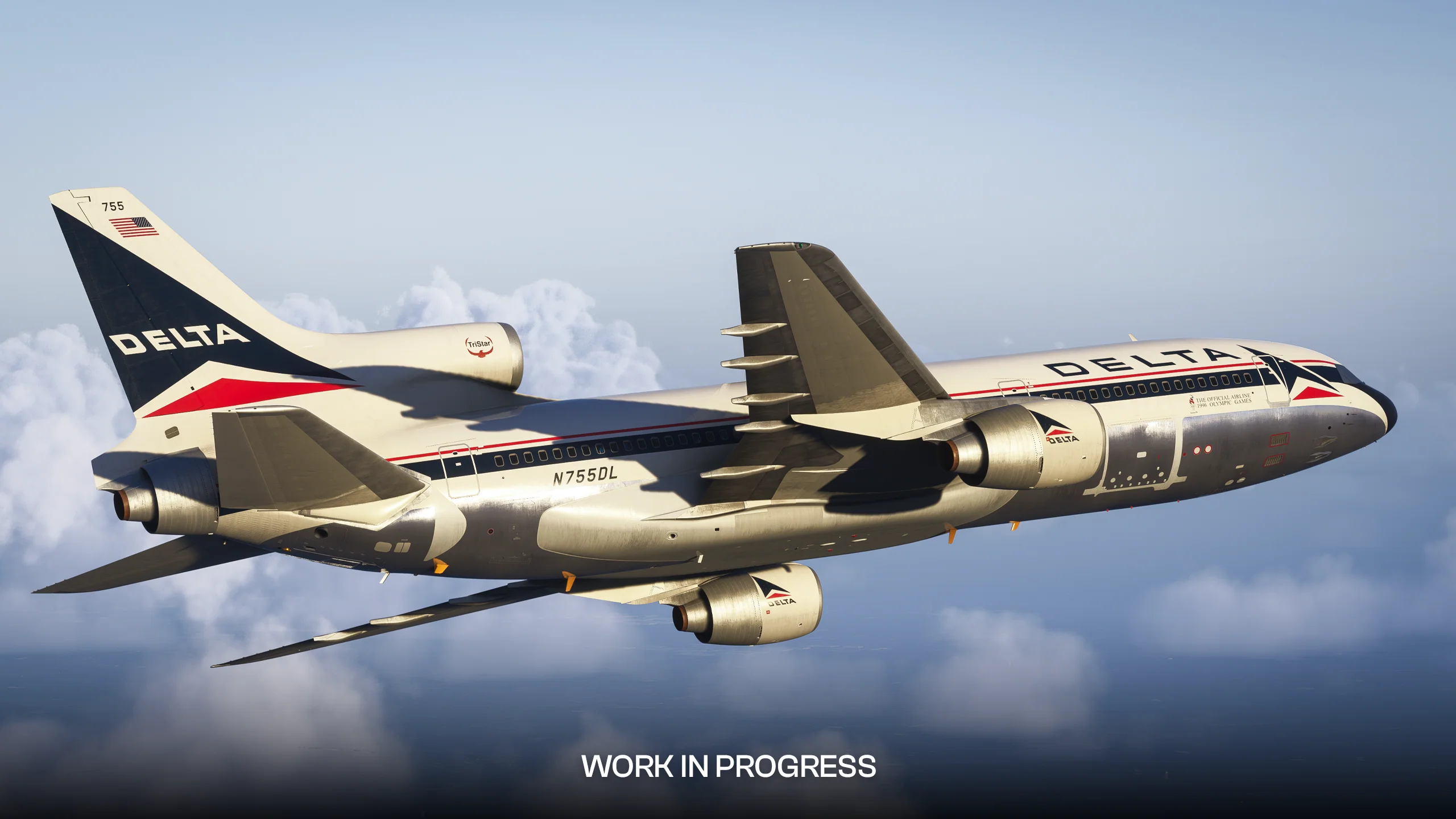
iniBuilds has released a new development update for its upcoming TriStar Airliner, outlining the systems, flight modelling, navigation philosophy, and visual features the aircraft will feature at launch. The project is based on the Lockheed L-1011 TriStar -500 and is being developed for Microsoft Flight Simulator 2024. According to the team, development is now entering its final phase, with further refinements still underway before release.
Flight and Engine Model Simulation
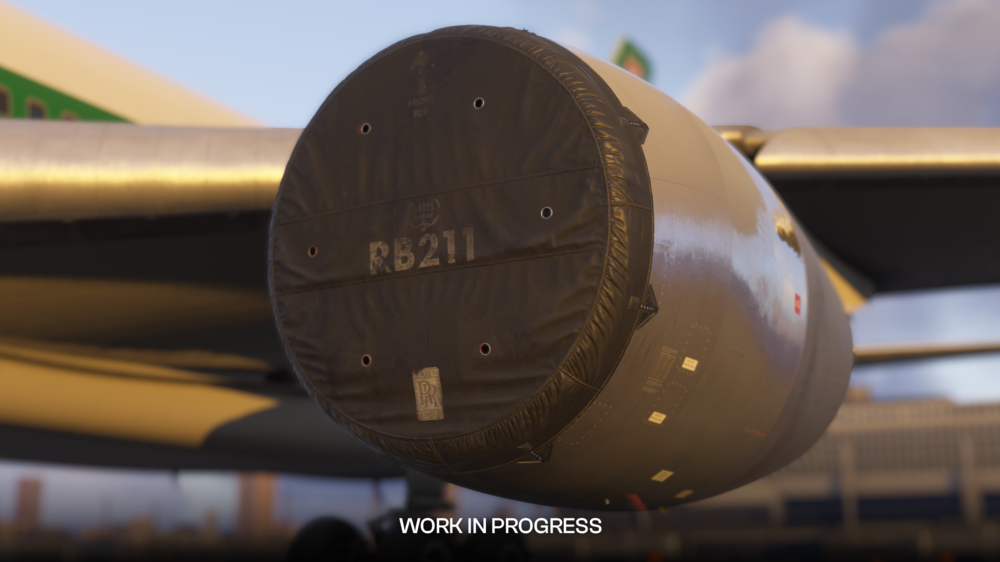
At the core of the add-on will be the TriStar’s three Rolls-Royce RB211-524 engines, modelled with EPR-based thrust logic and carefully tuned spool characteristics. iniBuilds explains that acceleration limits, transient behaviour, and power changes are being calibrated to reflect the RB211’s distinctive response profile. The aircraft will aim to reproduce the deliberate and smooth power management associated with the real-world TriStar across all phases of flight.
Approach and landing behaviour will feature a full simulation of Direct Lift Control. The spoiler-to-pitch coupling system will allow fine glidepath corrections without significant pitch change, mirroring the aircraft’s real-world handling characteristics. According to the developer, the overall flight model is being refined to reflect the TriStar’s reputation for stability and wide-body smoothness.
Automatic Flight Control and Core Systems
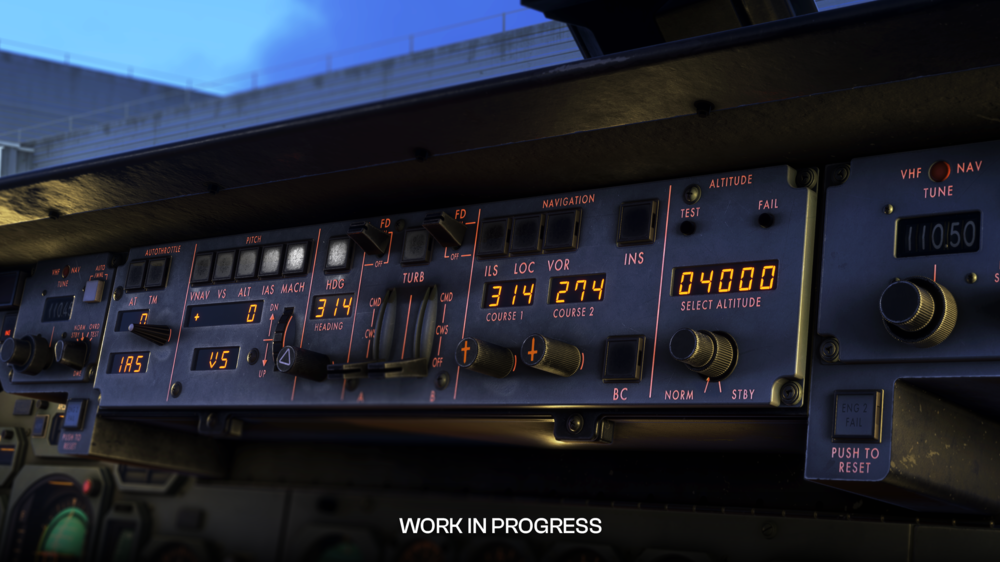
The Automatic Flight Control System will include full CAT IIIB autoland capability, complete with flare logic, de-rotation, and rollout control. The auto-throttle system will integrate with the Performance Management System and navigation logic, reflecting the aircraft’s advanced automation for its era. Lateral and vertical modes, along with capture and intercept behaviour, are being modelled to match documented real-world logic and limitations.
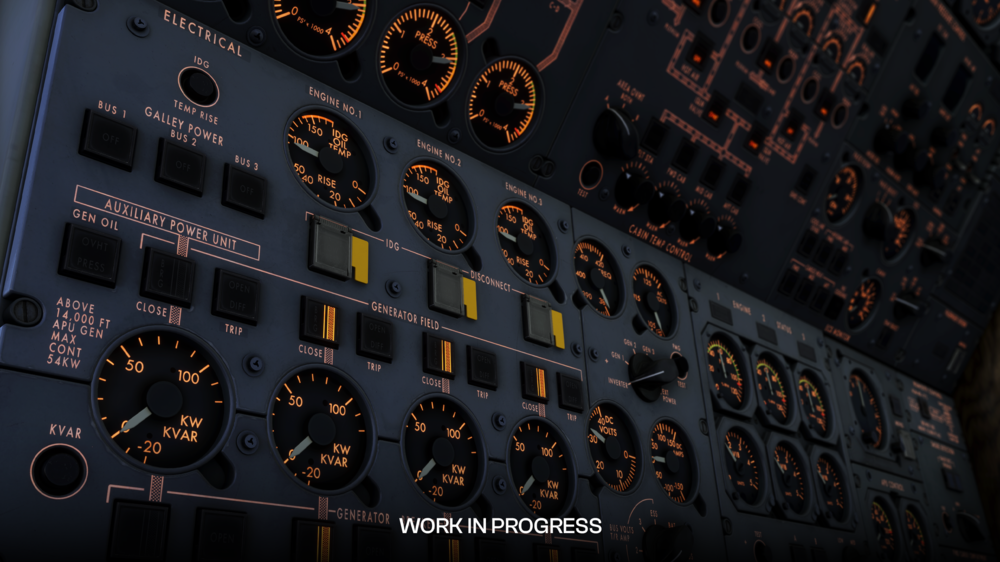
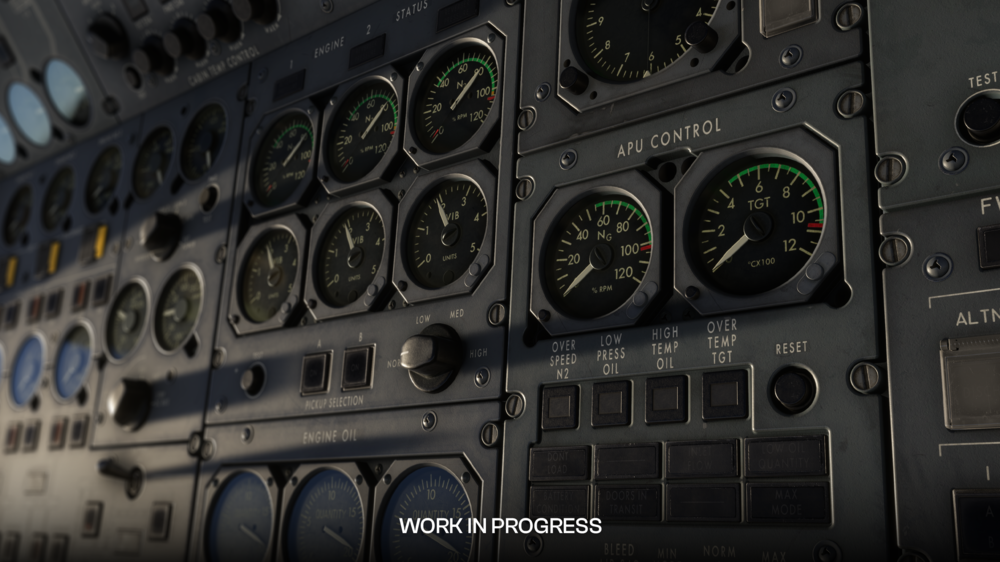
Hydraulic, pneumatic, and electrical systems will be fully represented, including three independent hydraulic circuits and a complete AC and DC architecture. The fuel system will feature the authentic tank layout and transfer logic, alongside trim changes as fuel shifts through the airframe. All of these systems will be manageable from a fully interactive Flight Engineer station, with an optional AI-driven automation mode accessible via the Paper Flight Bag interface.
Navigation Philosophy and GPS Integration
iniBuilds states that the TriStar will support multiple navigation philosophies, including RADNAV, INS, GPS, and hybrid INS plus GPS modes. Rather than introducing fictional cockpit controls, the team will use the Paper Flight Bag to define the navigation source, preserving the authenticity of the original AFCS panel. When GPS-only operation is selected, the INS label on the AFCS will be replaced while maintaining the original cockpit workflow.
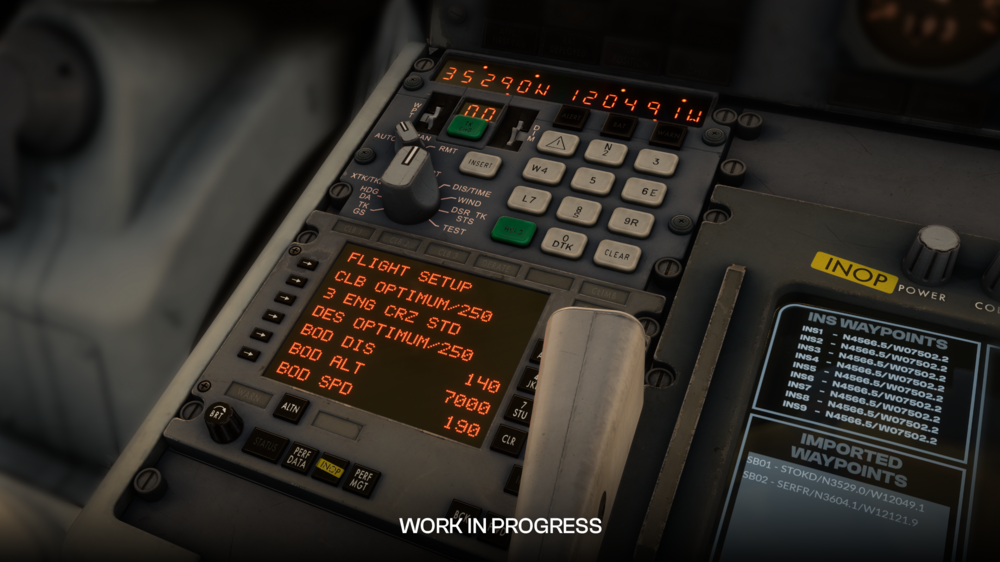
GPS guidance will be provided through integration with the Garmin GNS 530, without adding non-authentic hardware to the flight deck. The developer has also confirmed that route imports from SimBrief and the simulator’s own EFB into the INS are planned, reducing manual data entry while retaining procedural depth. This structure is intended to allow both purist inertial navigation and more accessible modern workflows from day one.
Paper Flight Bag and Crew Workflow
Instead of a conventional tablet-style EFB, iniBuilds will introduce a period-themed “Paper Flight Bag,” a philosophy reminiscent of what Flight Sim Studio adopted for its 727. The clipboard-style interface will provide performance calculations, aircraft configuration tools, fuel and payload management, navigation references, and control over the automated Flight Engineer. The design will aim to preserve immersion while still offering the functionality simmers expect from a modern airliner add-on.
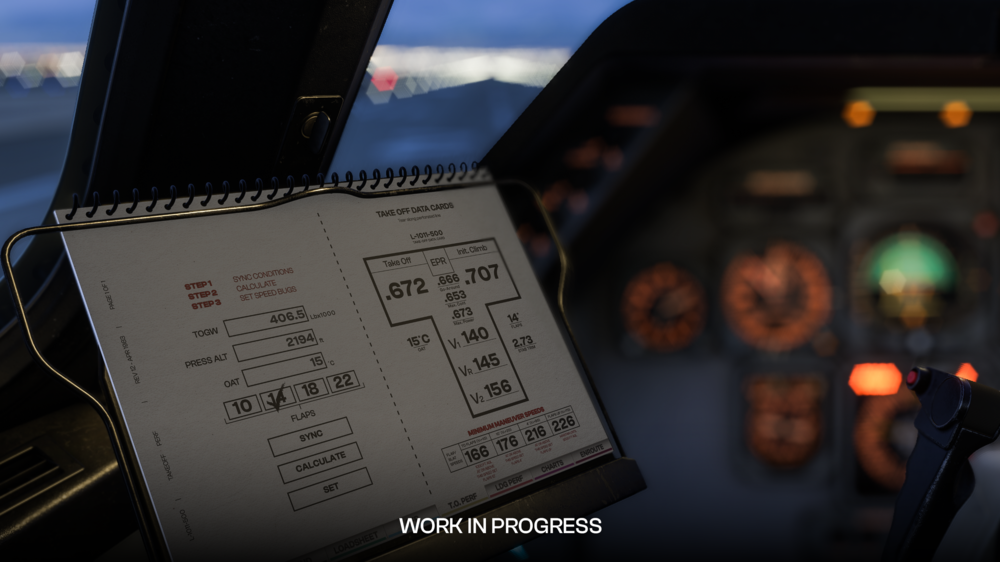
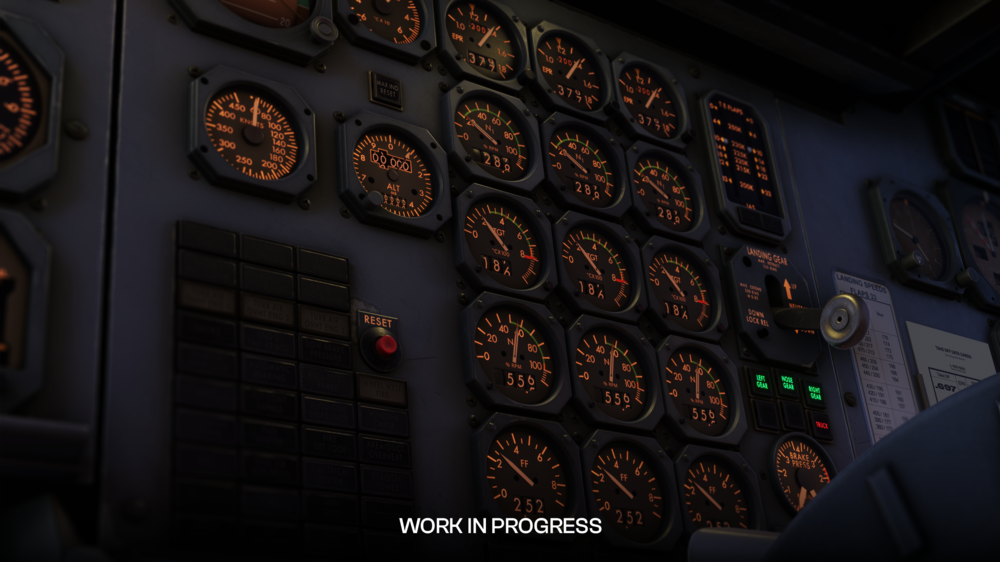
The three-crew environment will remain central to the experience, with the Captain, First Officer, and Flight Engineer stations fully modelled. According to the update, procedures and flows are being based on real-world references, with full system monitoring available when operating manually. An automated Flight Engineer mode will also be available and can be toggled through the Paper Flight Bag.
Exterior, Interior and Lighting
Externally, the TriStar will feature mechanically accurate control-surface sequencing, spoiler lift behaviour, flap timing, and landing-gear compression. Secondary visual effects such as wing flex, engine vibration, and dynamic heat shimmer behind the wing-mounted engines are also planned. Together, these elements are intended to convey the aircraft’s mass and power during all phases of operation.

The cockpit will recreate the L-1011-500 flight deck with high-resolution materials and restrained wear modelling. Textures will include aged labels, chipped paint, polished switch guards, and accumulated grime informed by photographic reference. Lighting is being calibrated using physically based intensity values to remain consistent with the aircraft’s era while leveraging the lighting capabilities of Microsoft Flight Simulator 2024.
Liveries and Release Outlook
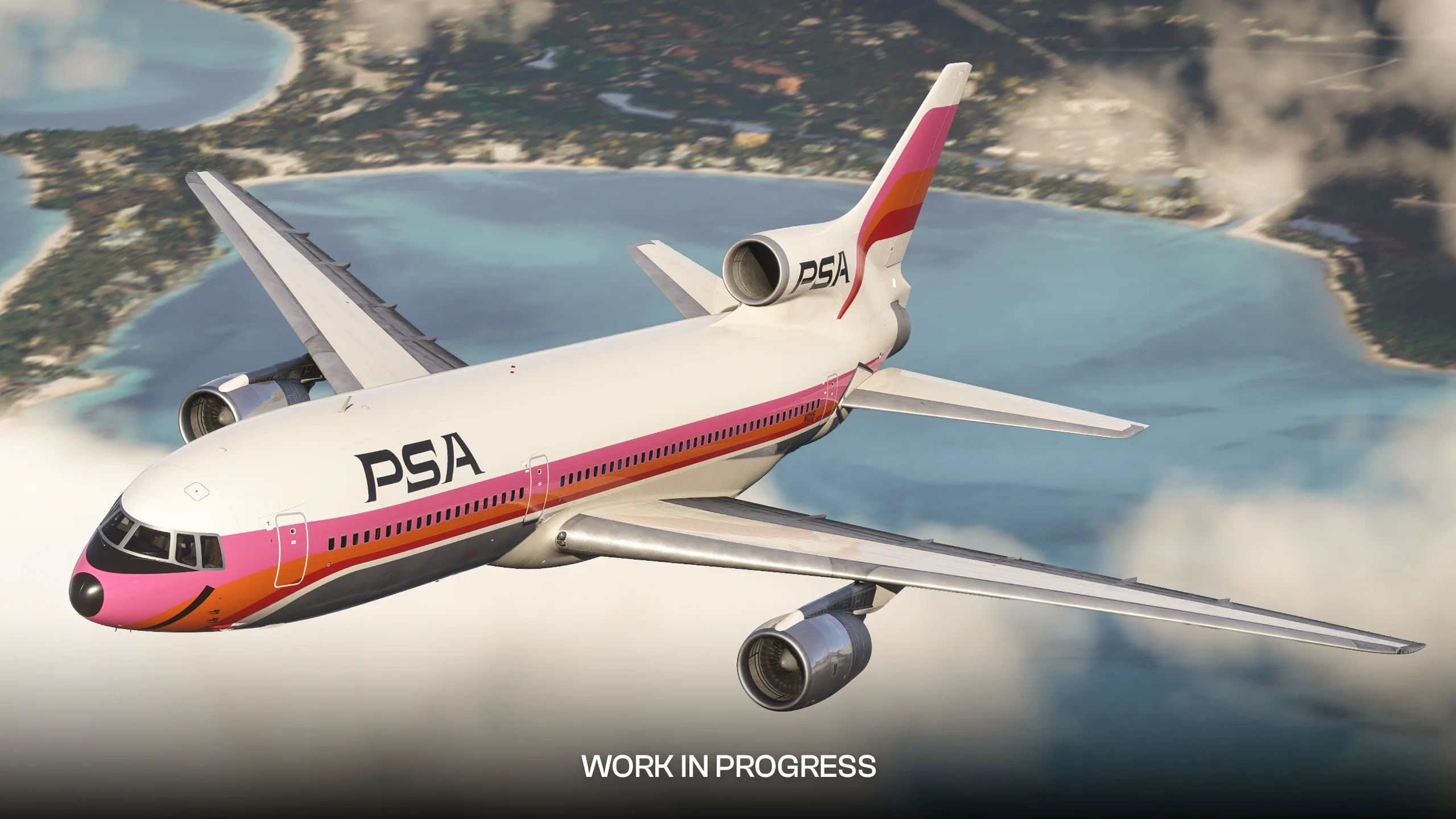
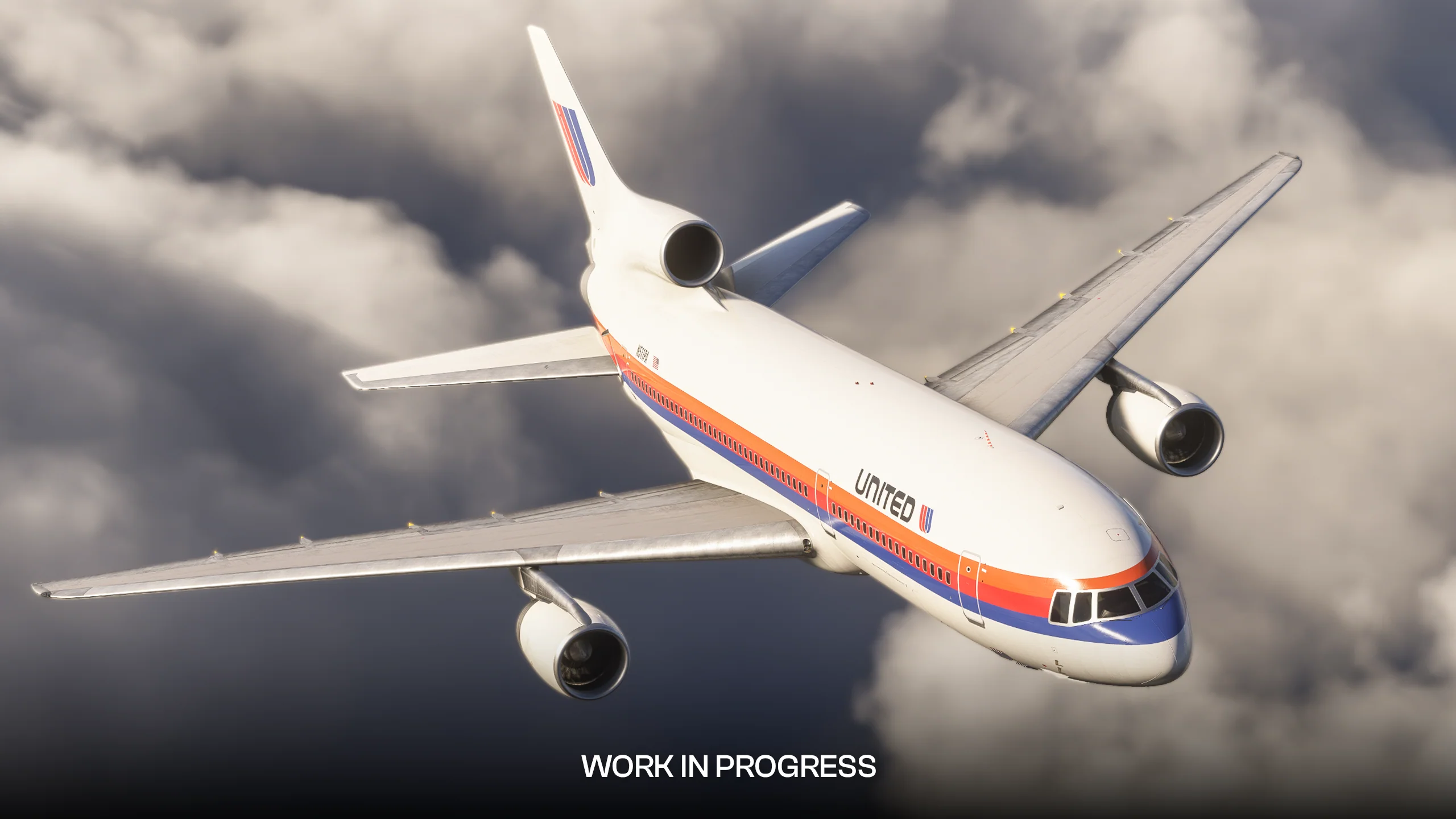
At release, iniBuilds plans to include multiple airlines that operated the L-1011-500, including Delta, British Airways, Air Transat, LTU, Pan Am, and United. Liveries will use the simulator’s recommended 3D decal workflow to maintain detail while preserving performance in close-up views. While development is entering its final stage, no release date has yet been announced, and another development update is expected before launch.
Feel free to join our Discord server to share your feedback on the article, screenshots from your flights or just chat with the rest of the team and the community. Click here to join the server.