The FlightFX C750 (Citation X) for MSFS finally hit the tarmac in late July after an extensive development process. Promising to bring the “pinnacle of speed and luxury” to Microsoft Flight Simulator 2020 and 2024, the FlightFX C750 enters a kind of fringe category: business general aviation. While the flashy airliners and grungy GA workhorses seem to get all the headlines, I think that business jets often get sidelined – through no fault of their own.
At least, that’s how it has been for me. I am primarily a GA and airliner simmer, and I have always found business jets to be somewhat droll. Then again, I am the kind of person to gawk over a cool city bus, so perhaps that’s more of a reflection on myself than the category. Regardless, the FlightFX Cessna Citation C750 (Also known as the Citation X) might just change that for good. In this first impressions article, I will describe how its smooth handling, deep systems, and excellent “vibe” have captivated me from the first wheels up. FlightFX kindly provided the copy of their C750 used in this review, but as always, all opinions contained herein are solely my own.
Clocking In
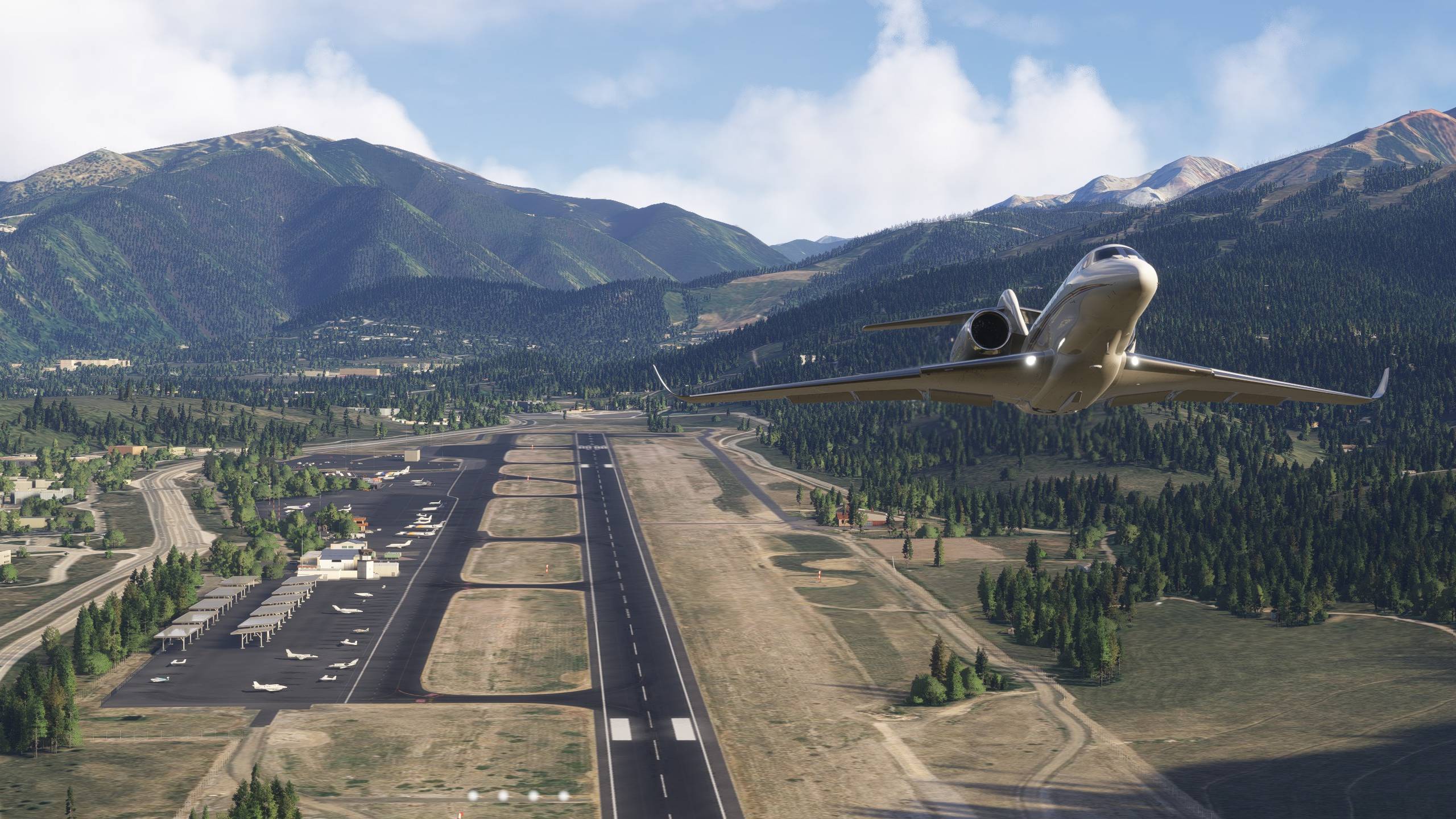
The Citation X is a mid-sized business jet produced by Textron (Cessna) and was first delivered in 1996. You wouldn’t know it, however, by its exquisite design featuring swooping, aggressive curves. In an effort to shed the “Slowtation” moniker, the Citation X’s stunning aerodynamic lines, swept wings, and powerful Rolls-Royce AE3007C engines set speed records from its first delivery. In 2008, striking elliptical winglets became an aftermarket option, further increasing its performance.
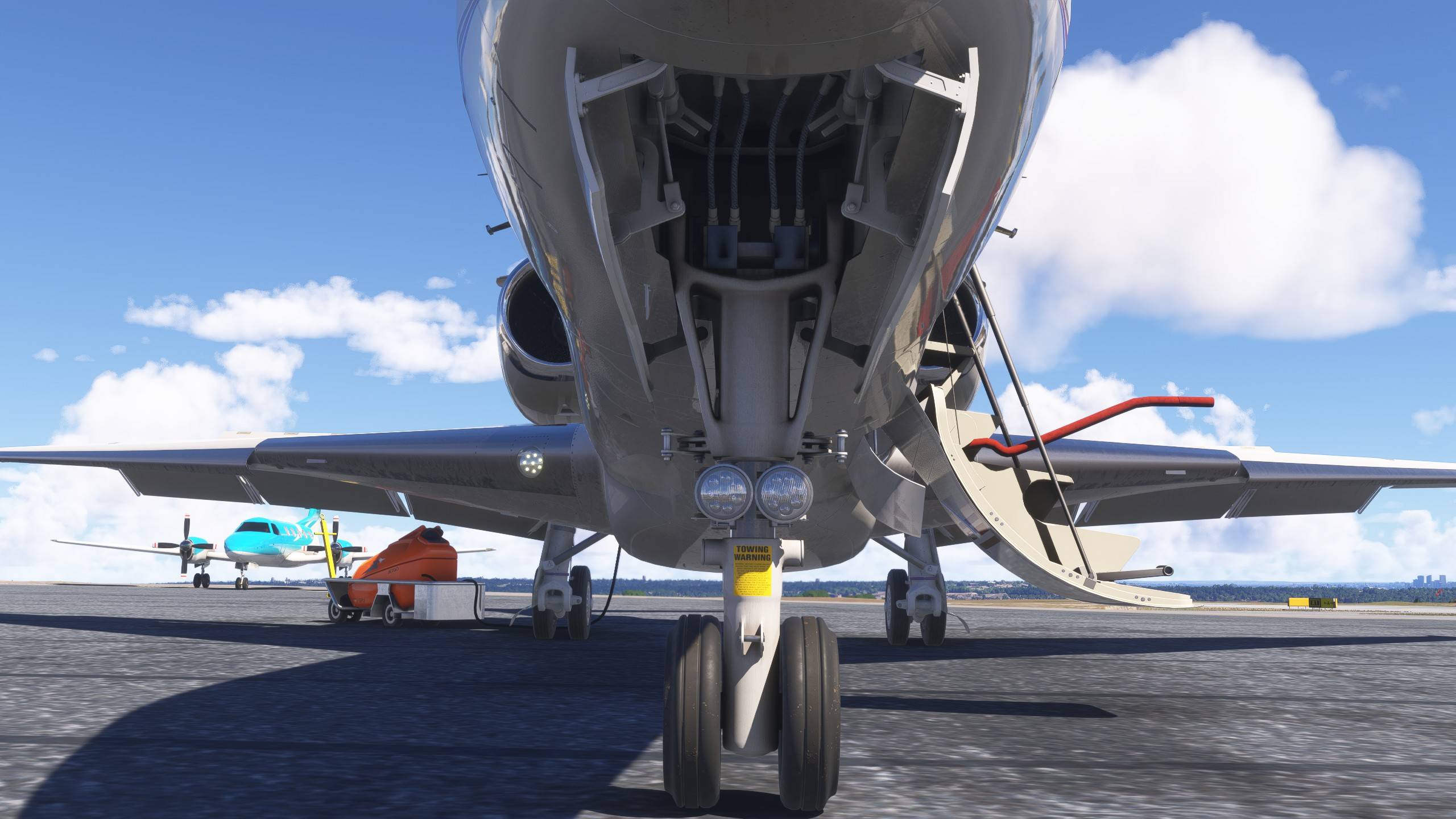
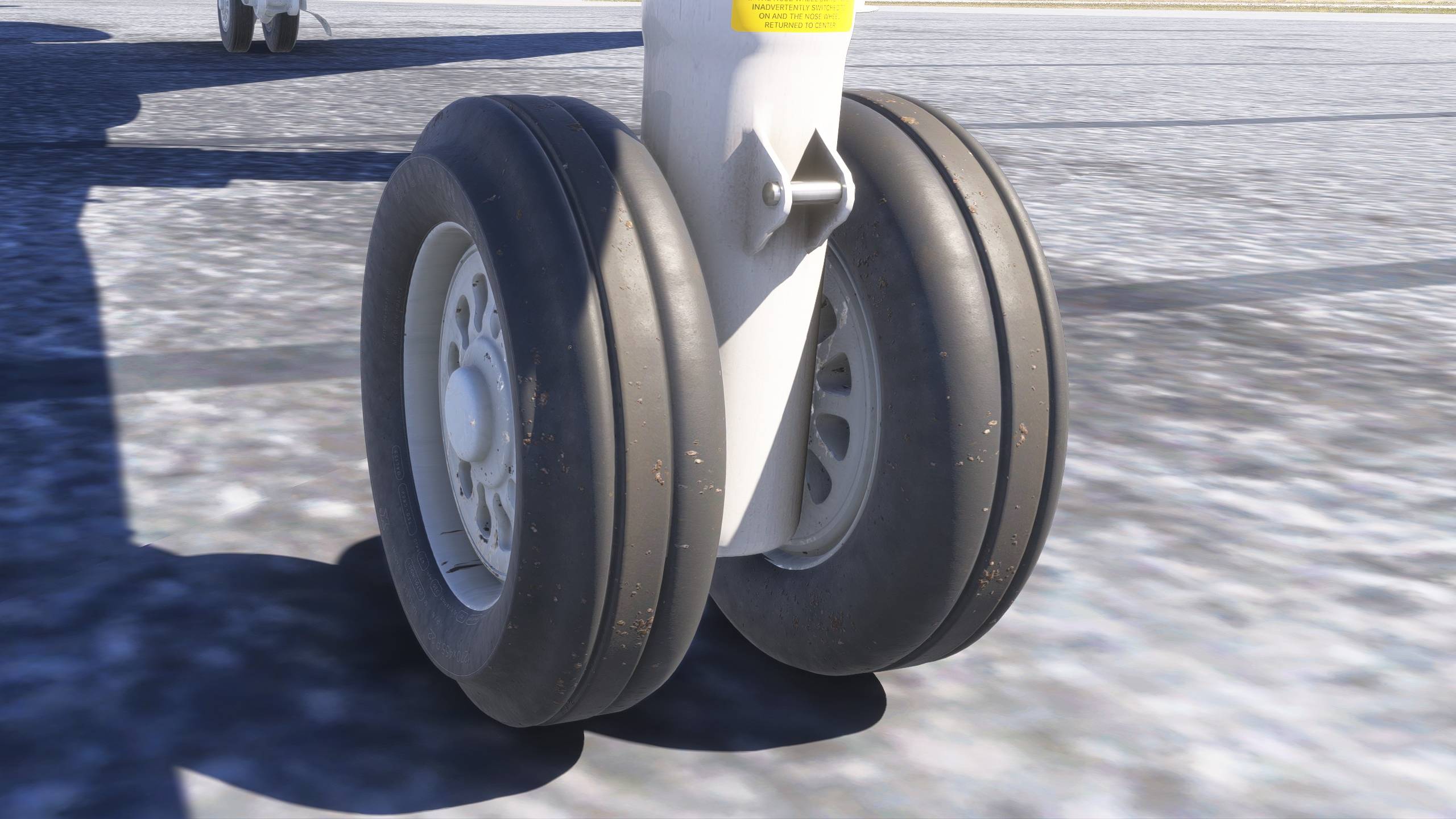
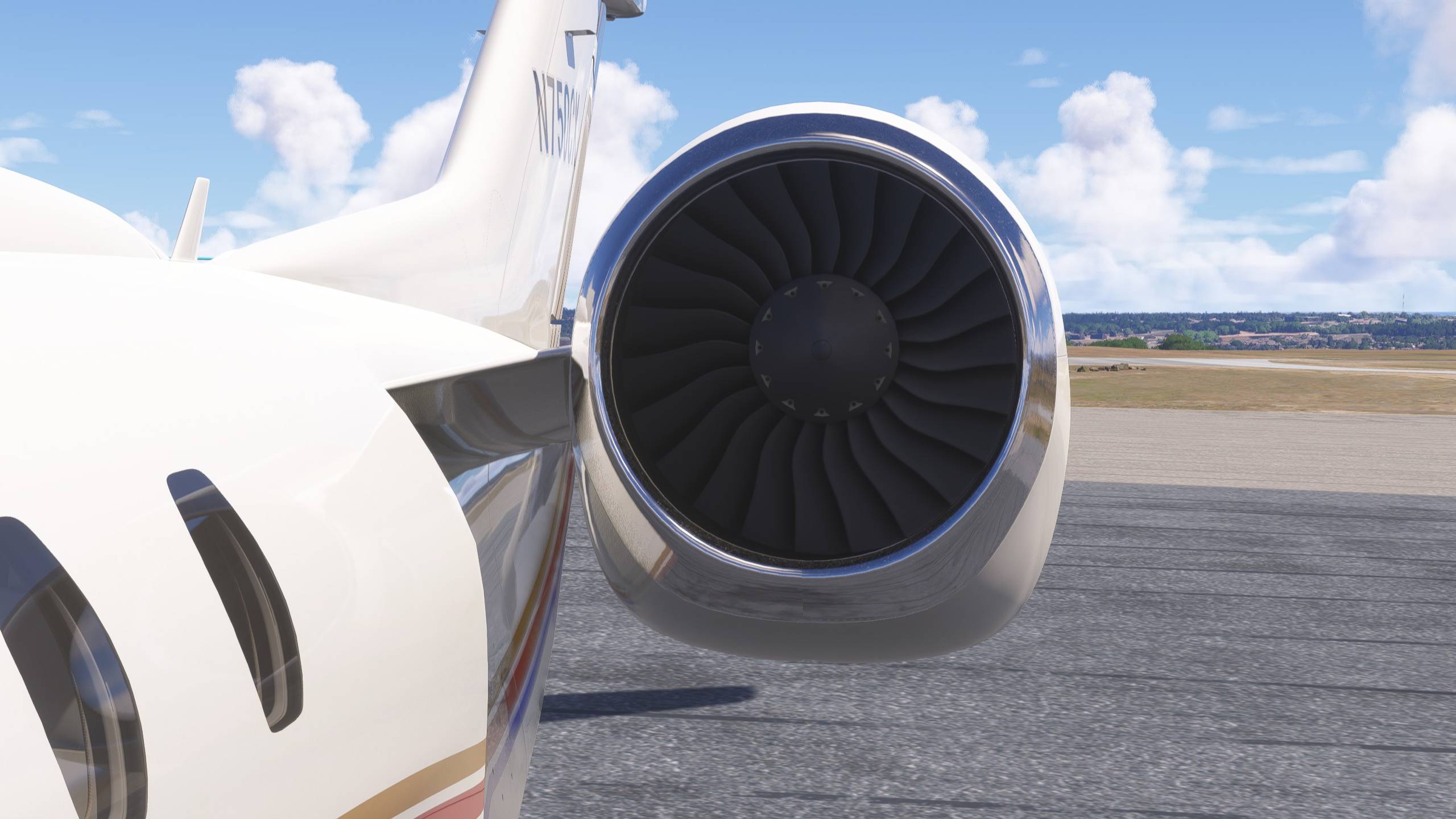
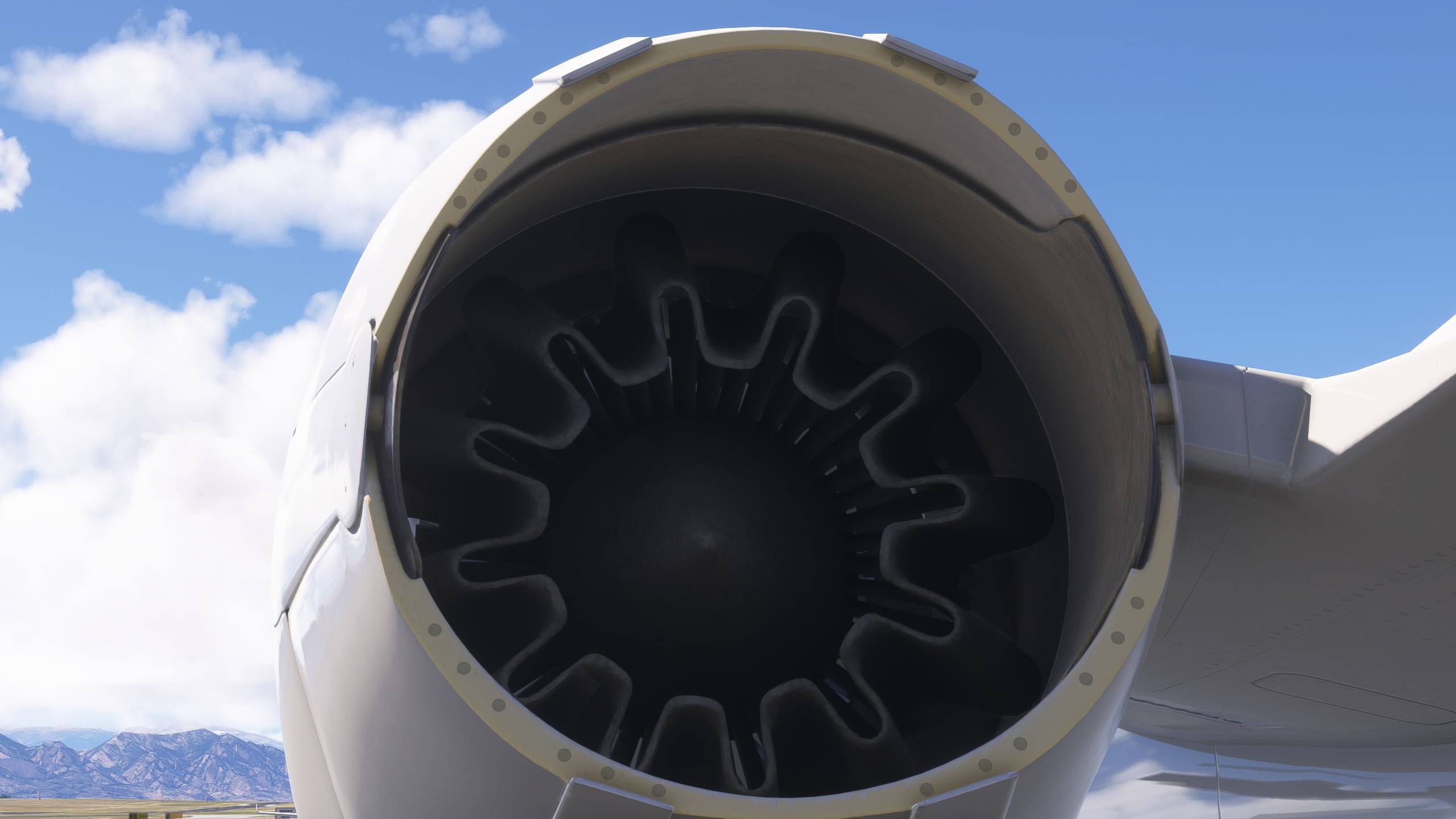
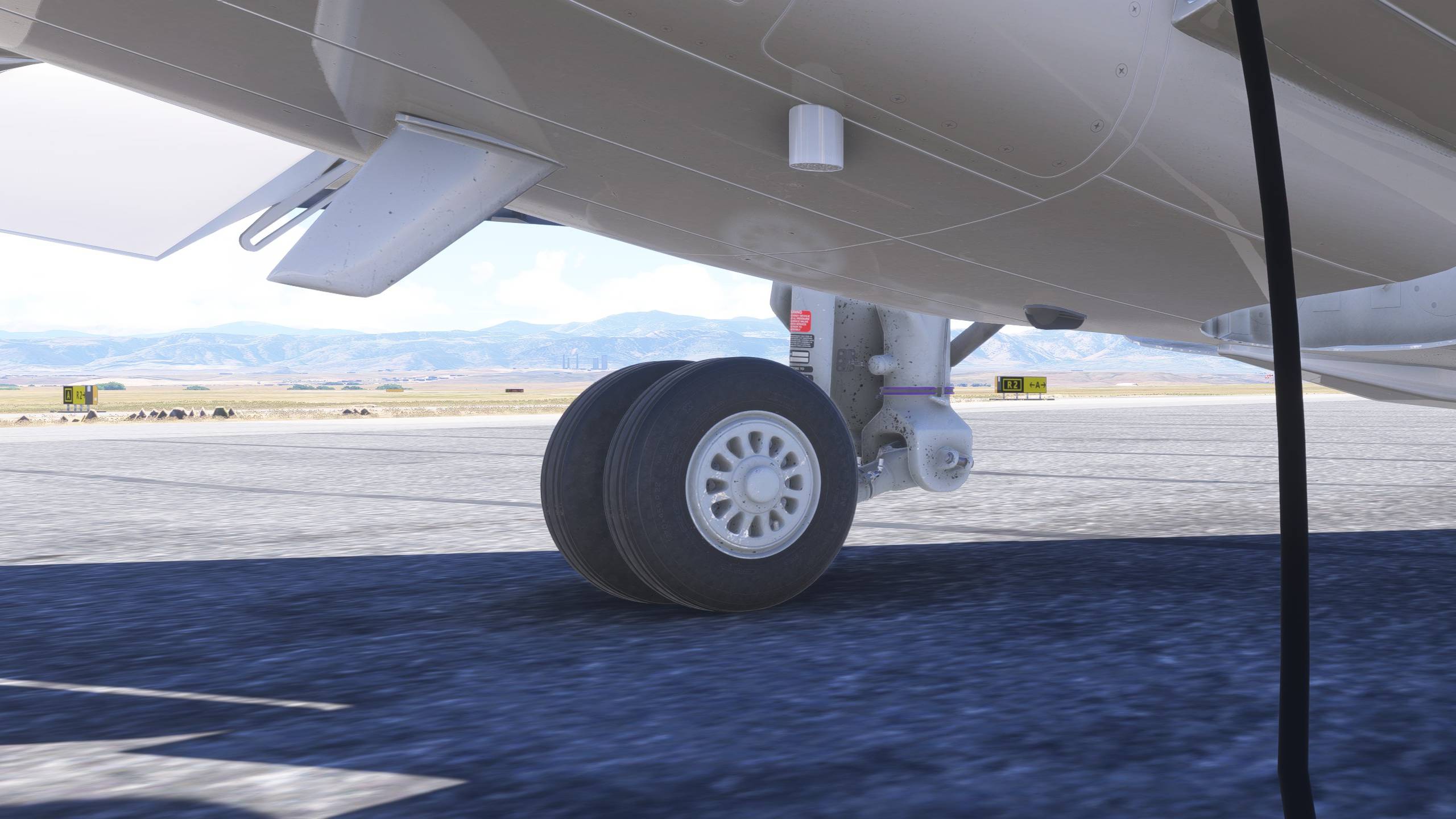
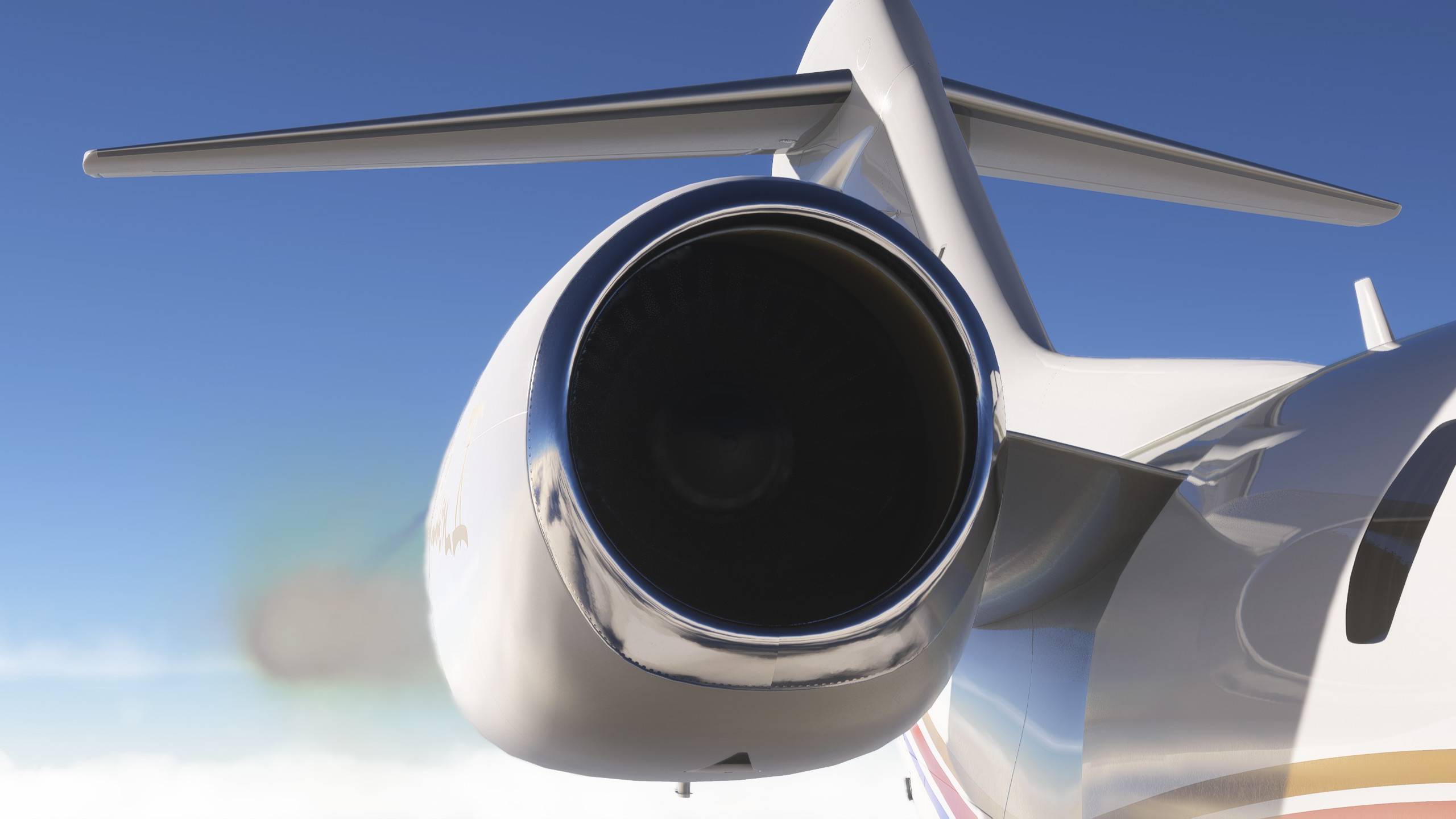
The FlightFX Citation X (FlightFX C750) is a faithful and beautiful recreation of this design. It has an undeniable ramp presence in the simulator, just as it does in real life. Texturing is excellent, with every screw visible and all decals crisp and legible even from close-up.
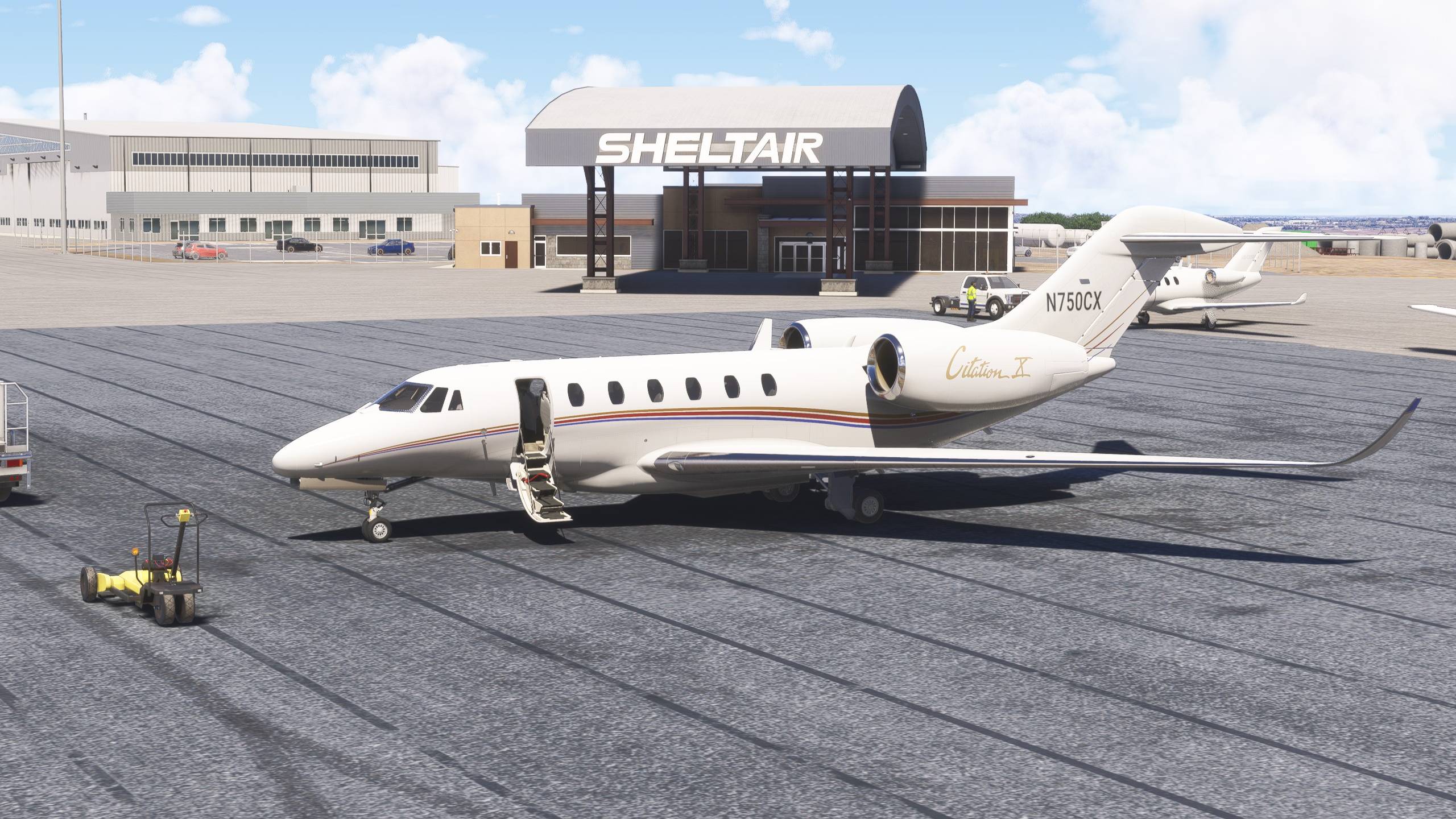
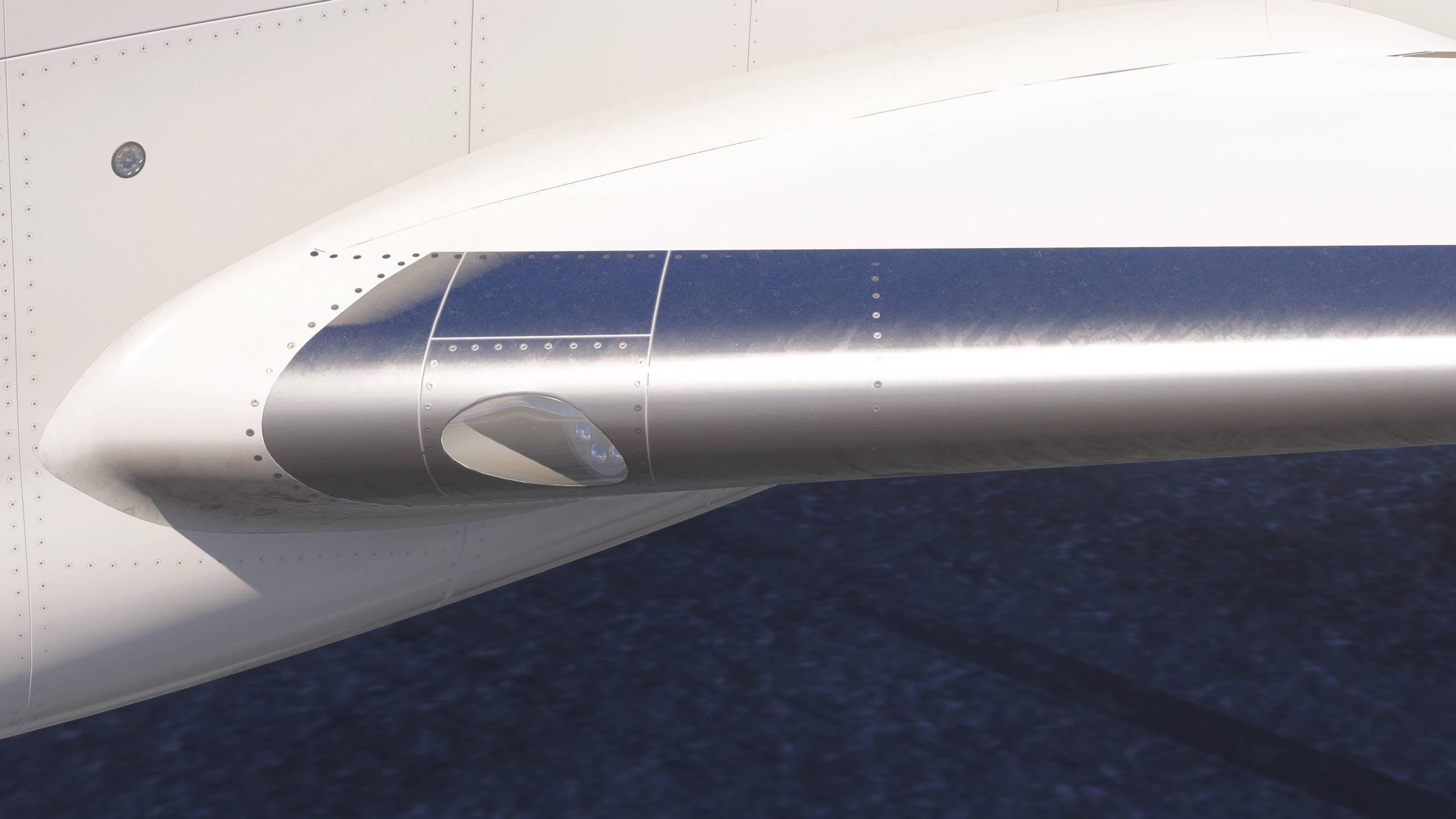
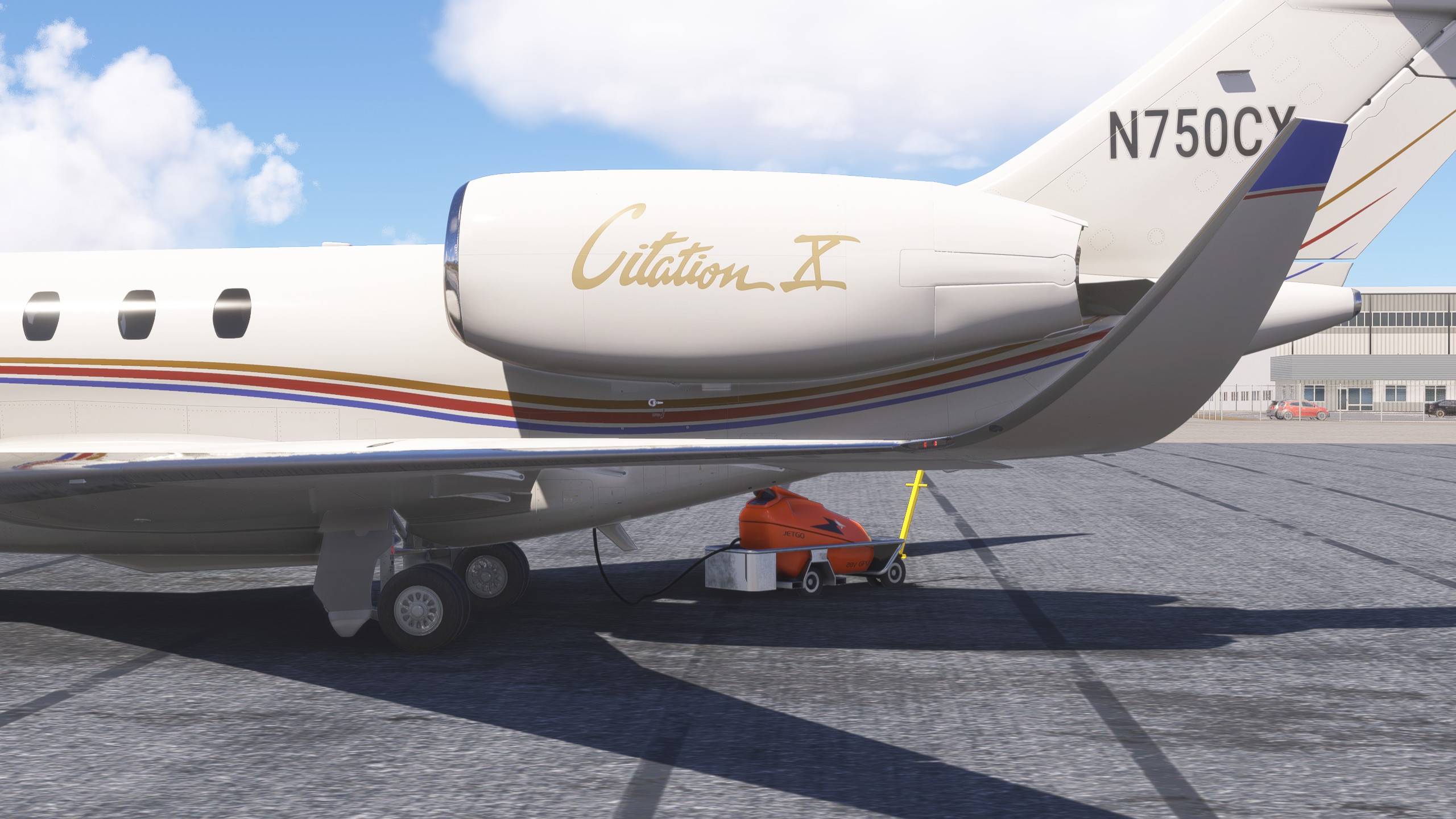
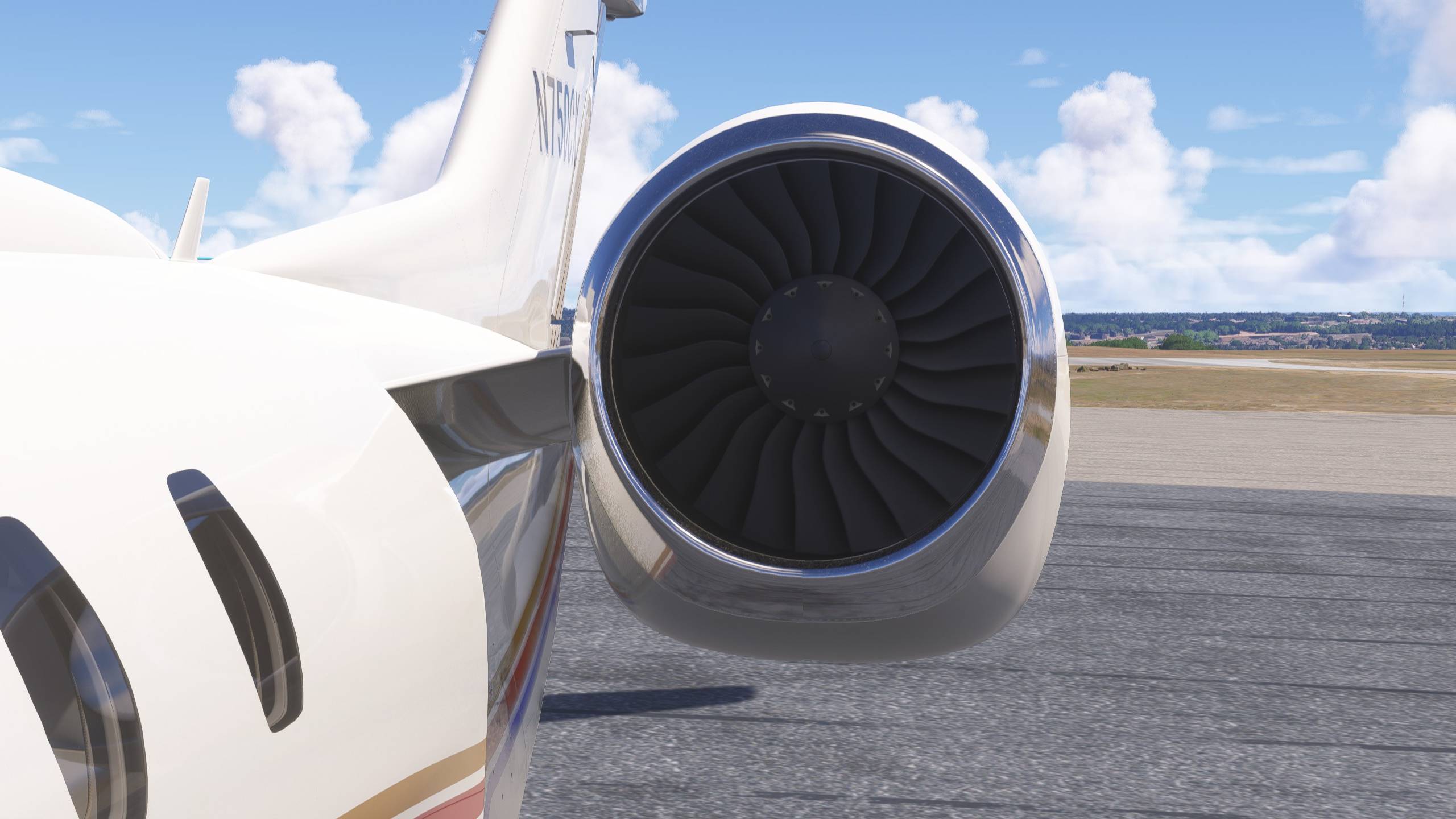
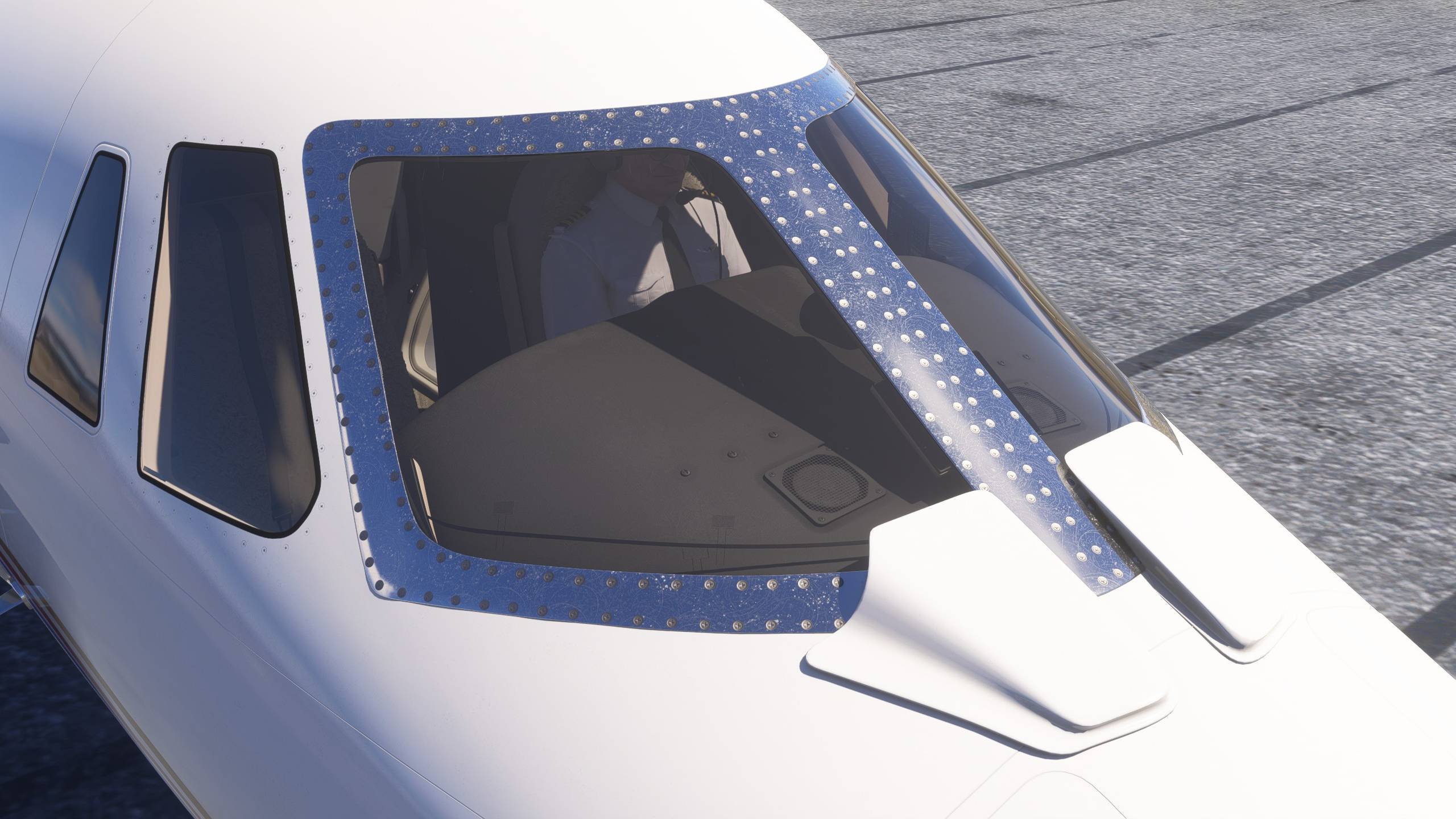
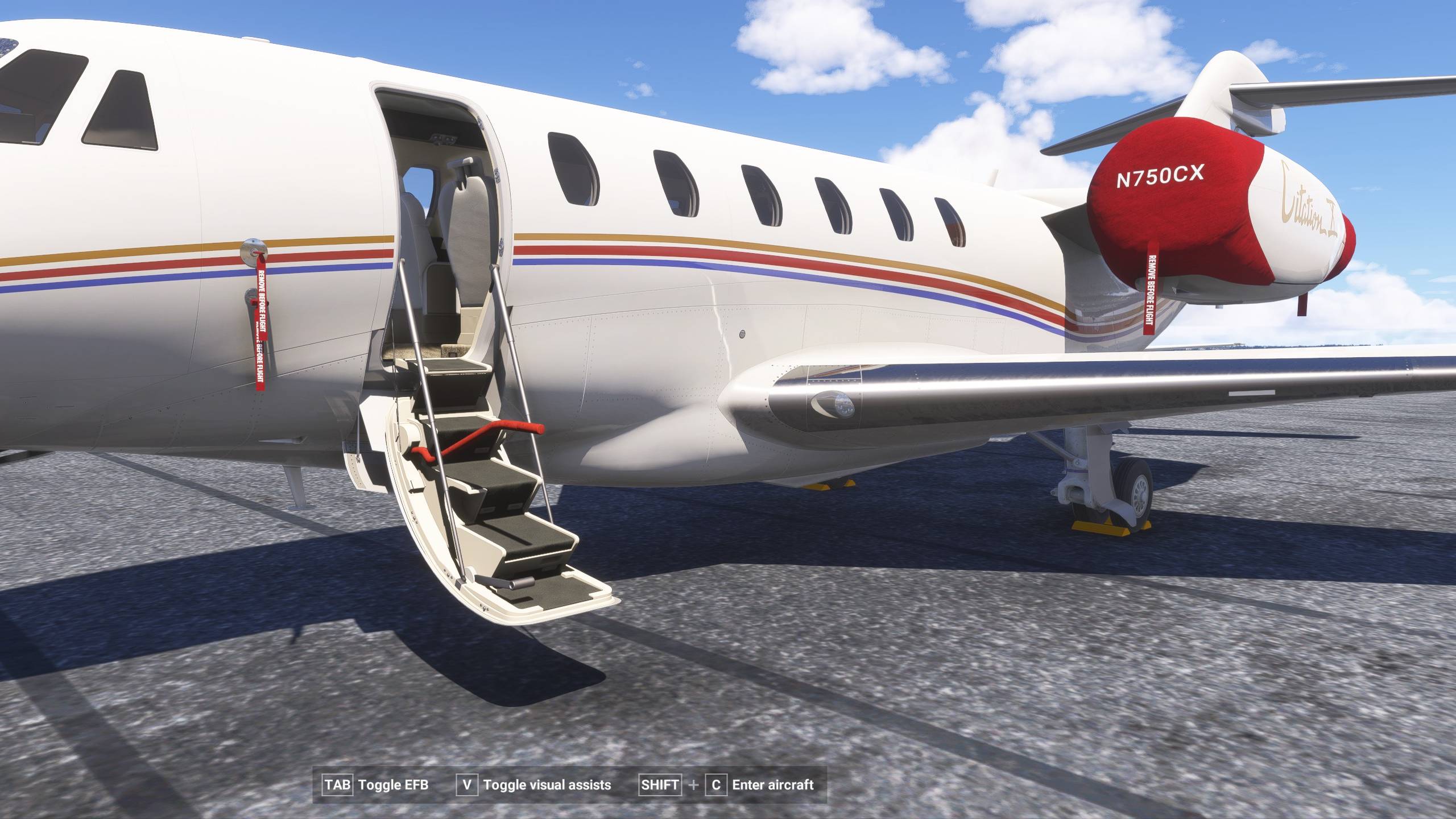
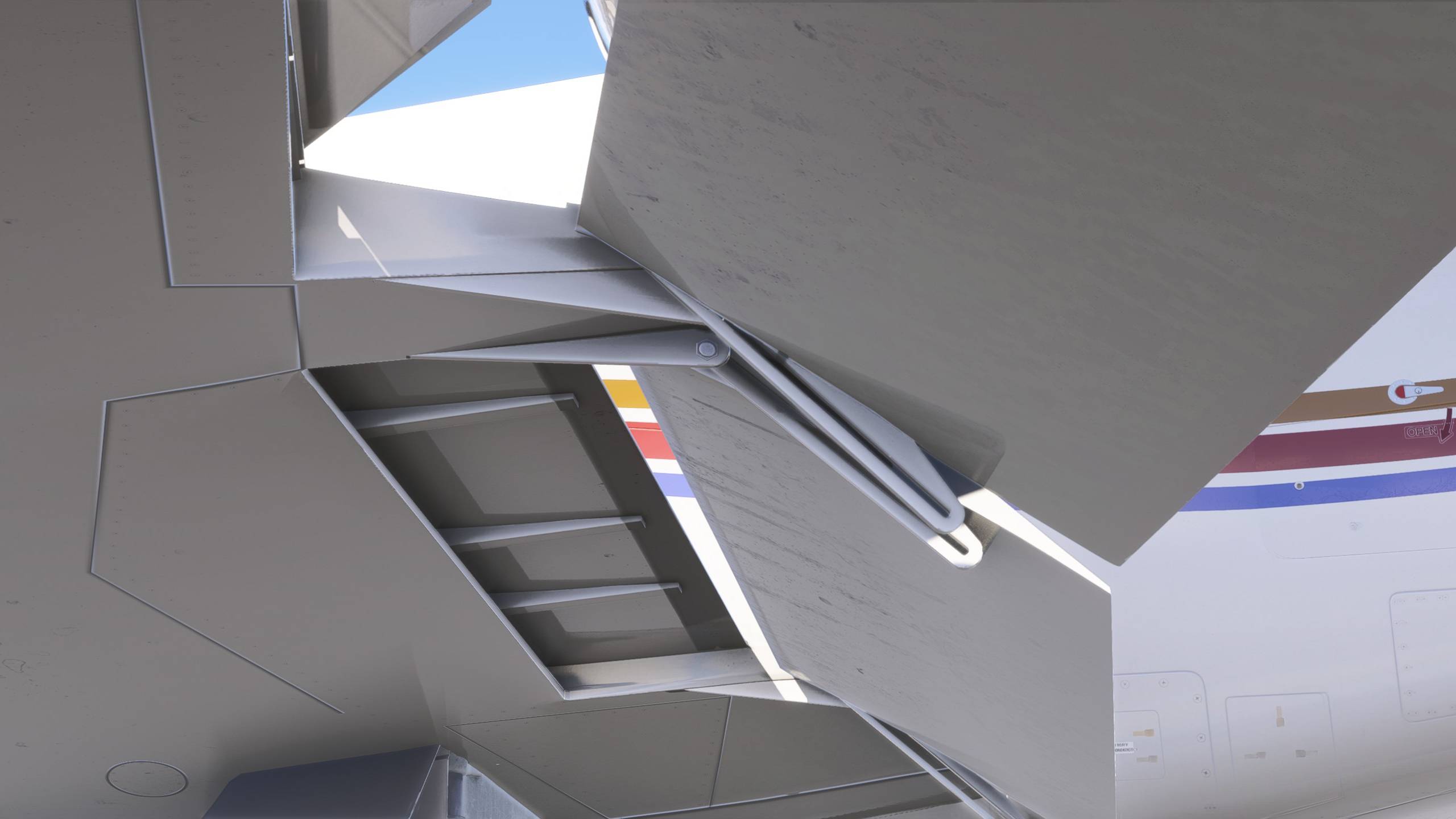
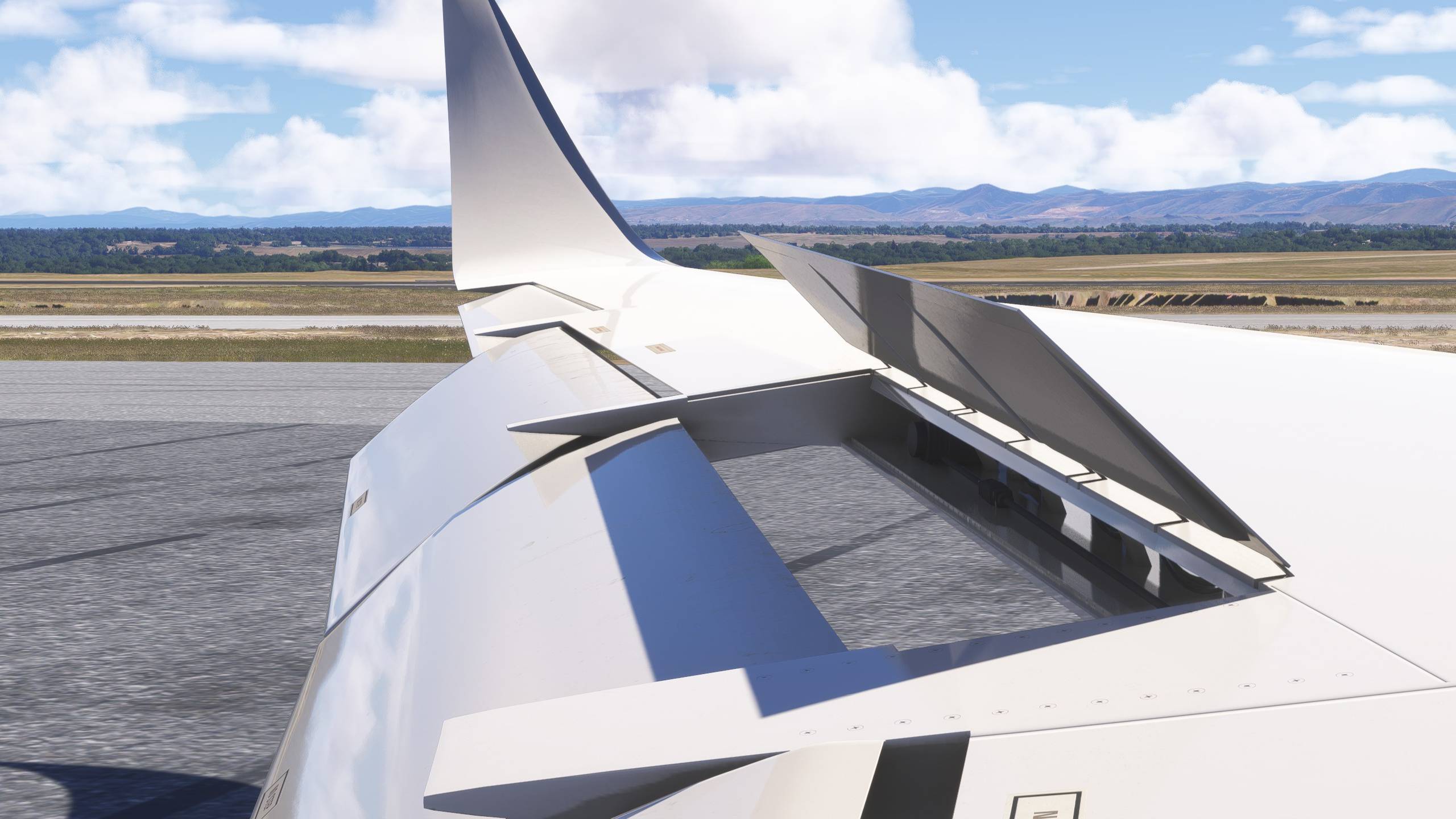
FlightFX has managed to capture the elegance of the C750 well, and they’ve done a reasonable job on the modeling. Some items are modeled without much detail, such as the flap and spoiler machinery, and there are some instances of antennae looking “detached” from the fuselage. These issues, fortunately, are confined to close inspection. I may not put this model with the best I have ever seen, but it’s far from poor and still looks impressive in every screenshot, from every angle.
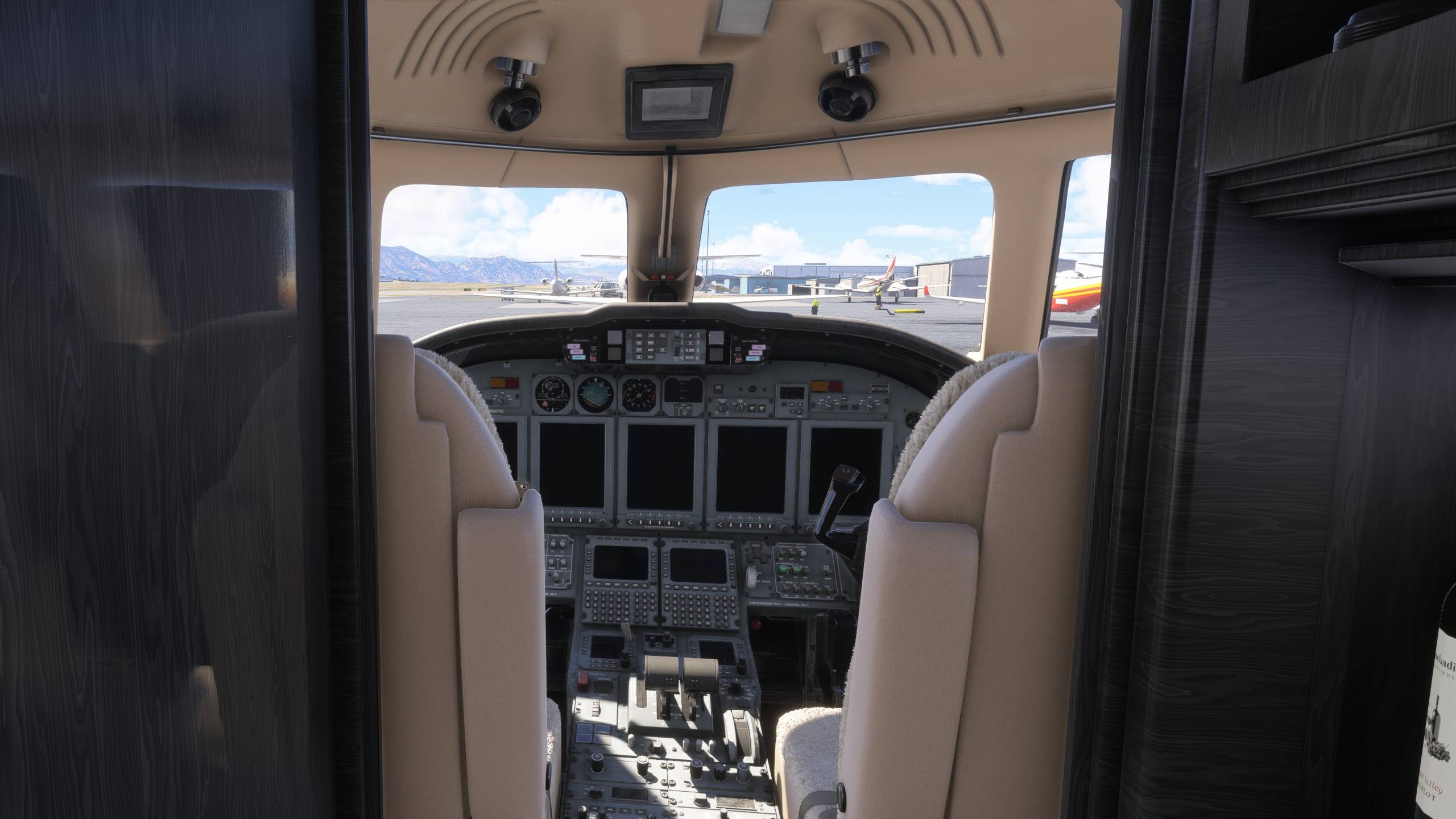
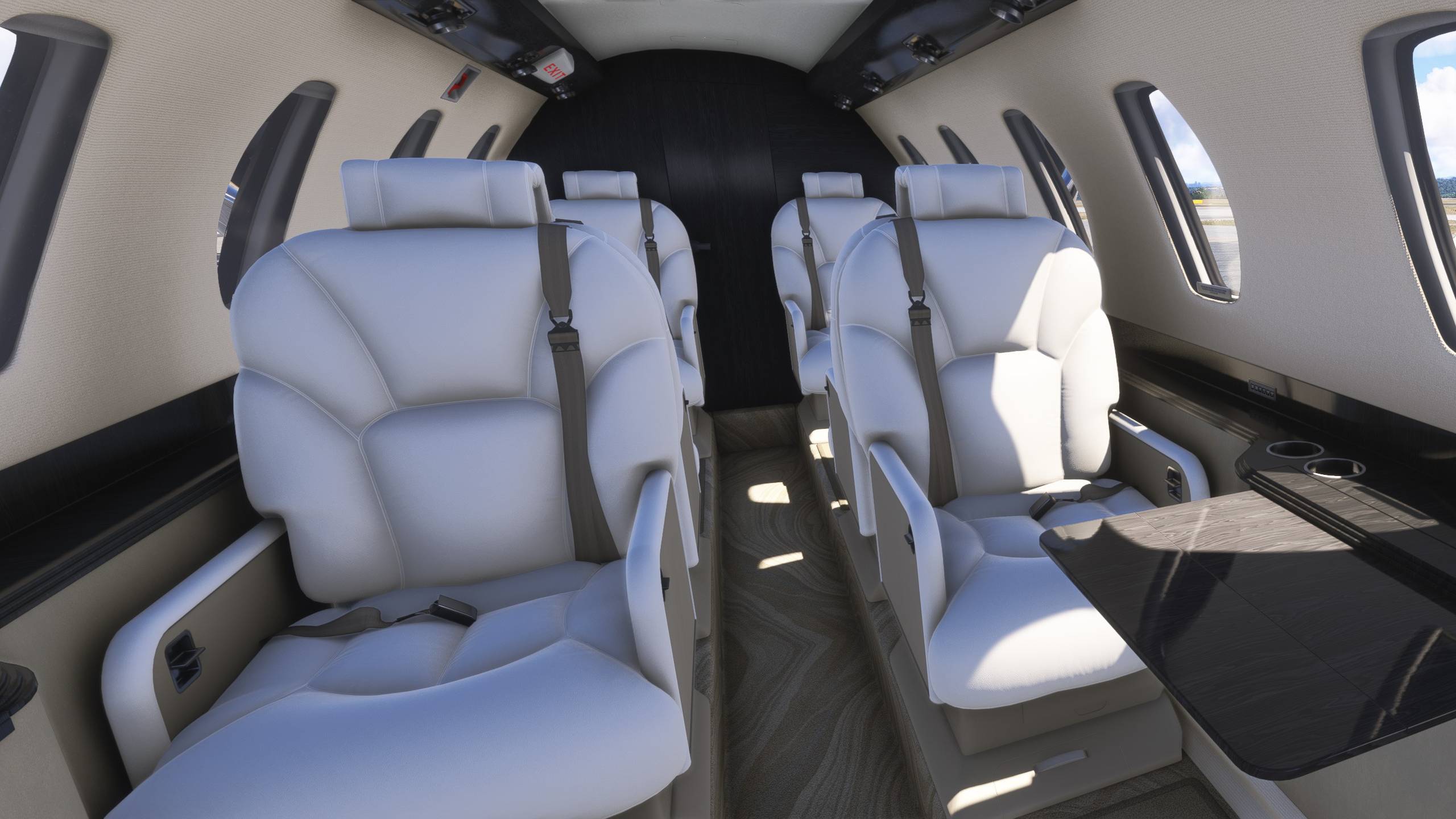
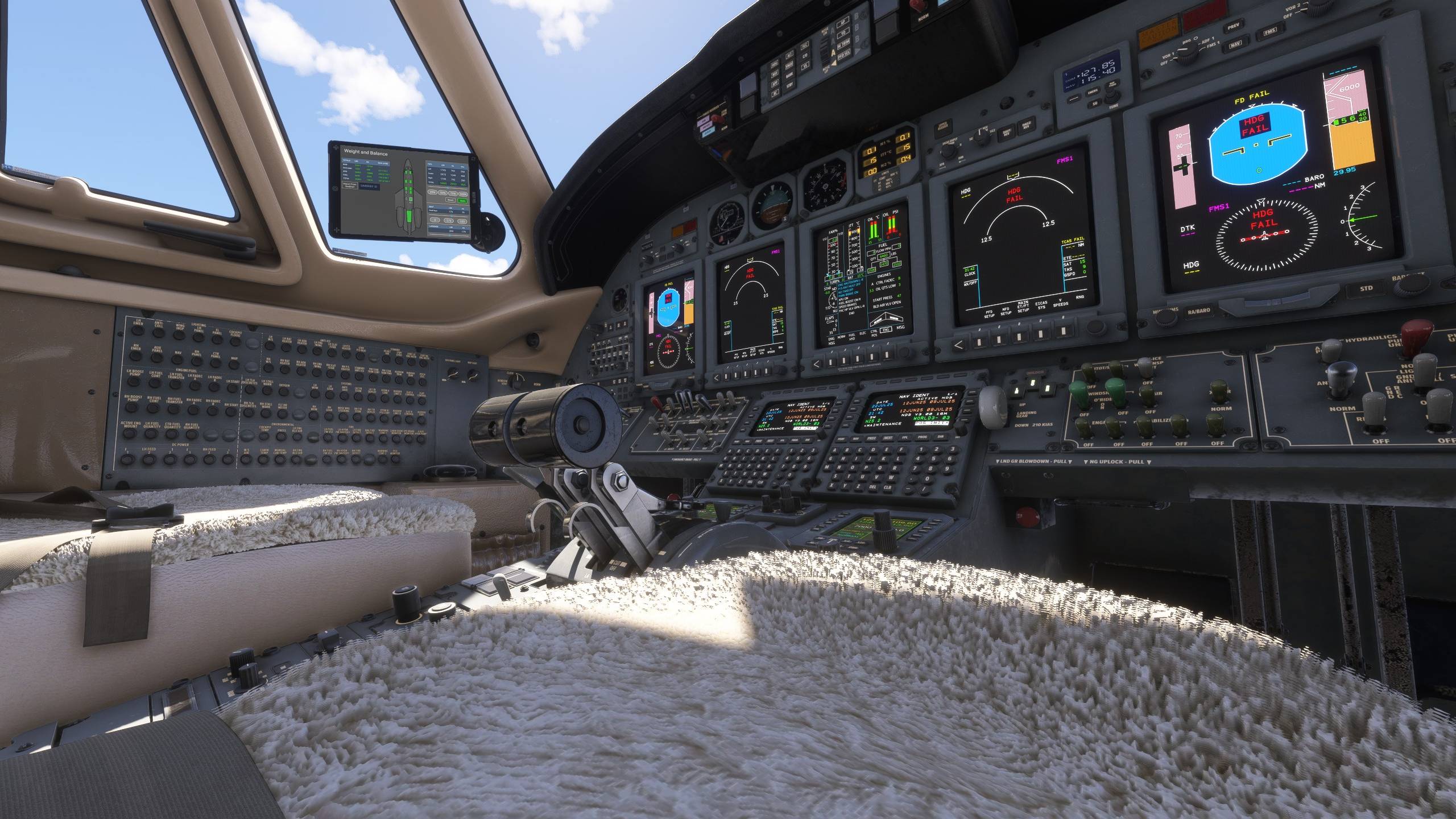
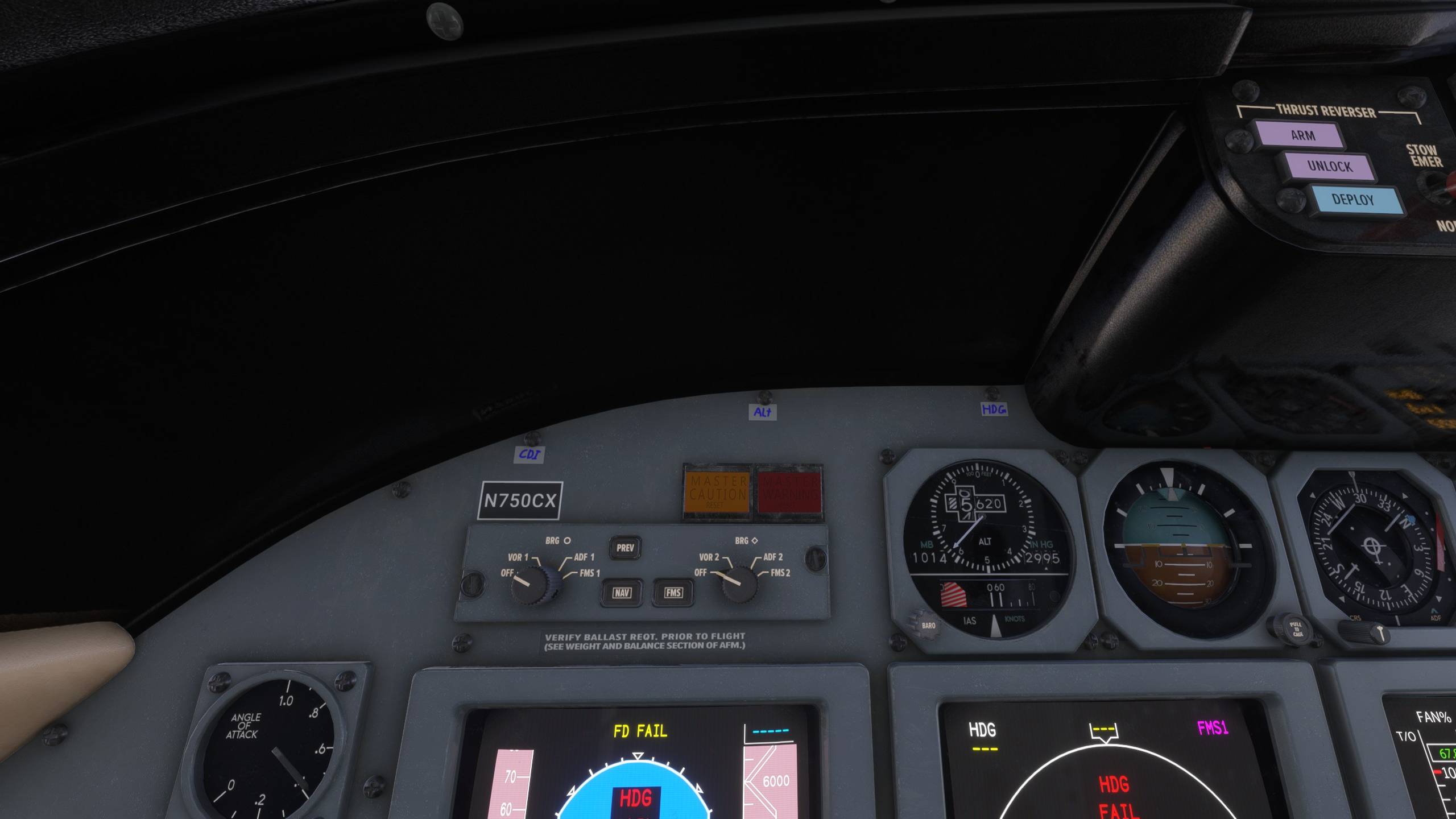
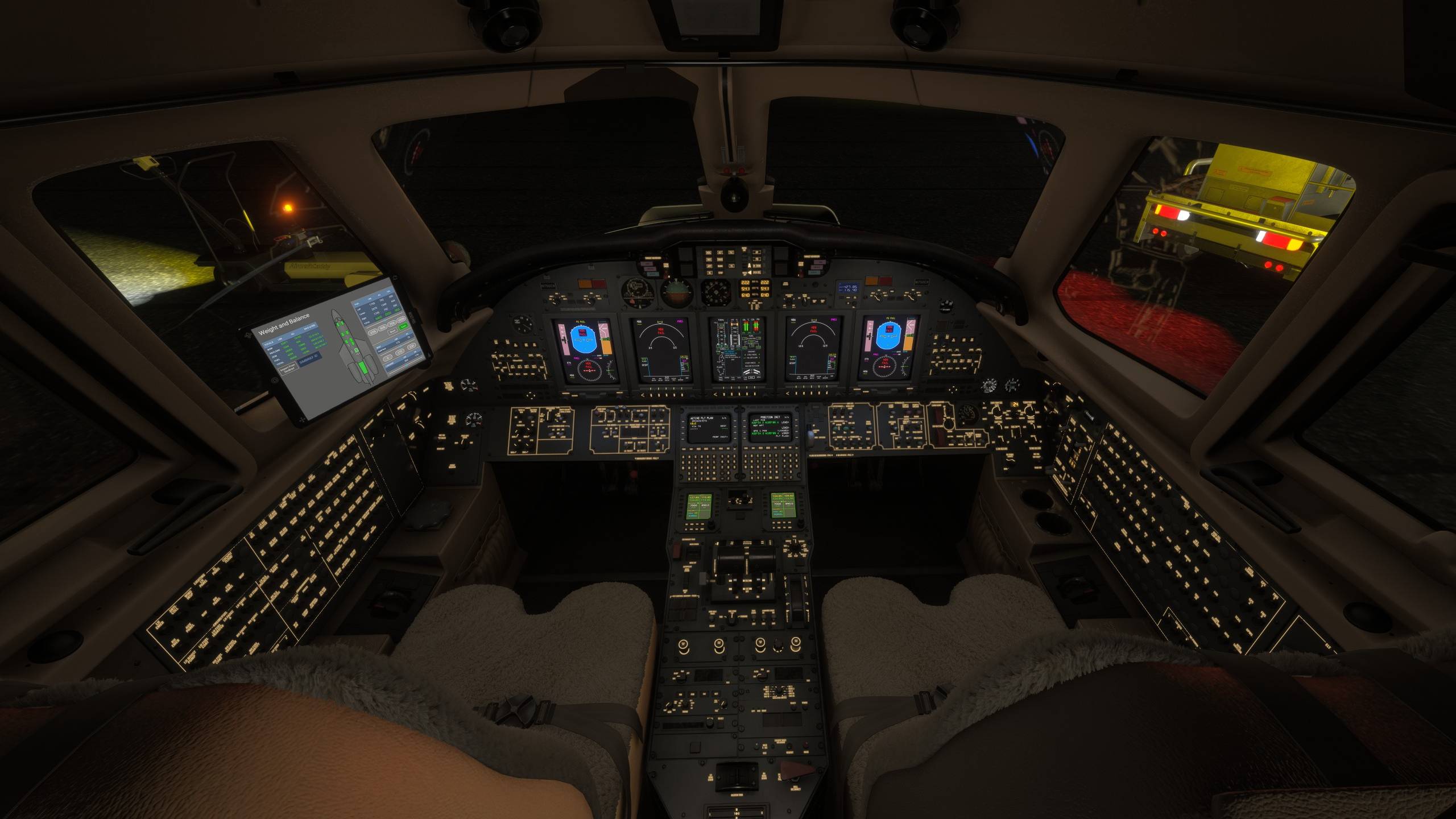
The interior looks excellent. FlightFX’s attention to detail is on full display here. All materials are distinct and tactile, from the inviting seats to the cold metal of the throttle quadrant. Little details are implemented well, such as handwritten labels on screws and texturing in the footwell.
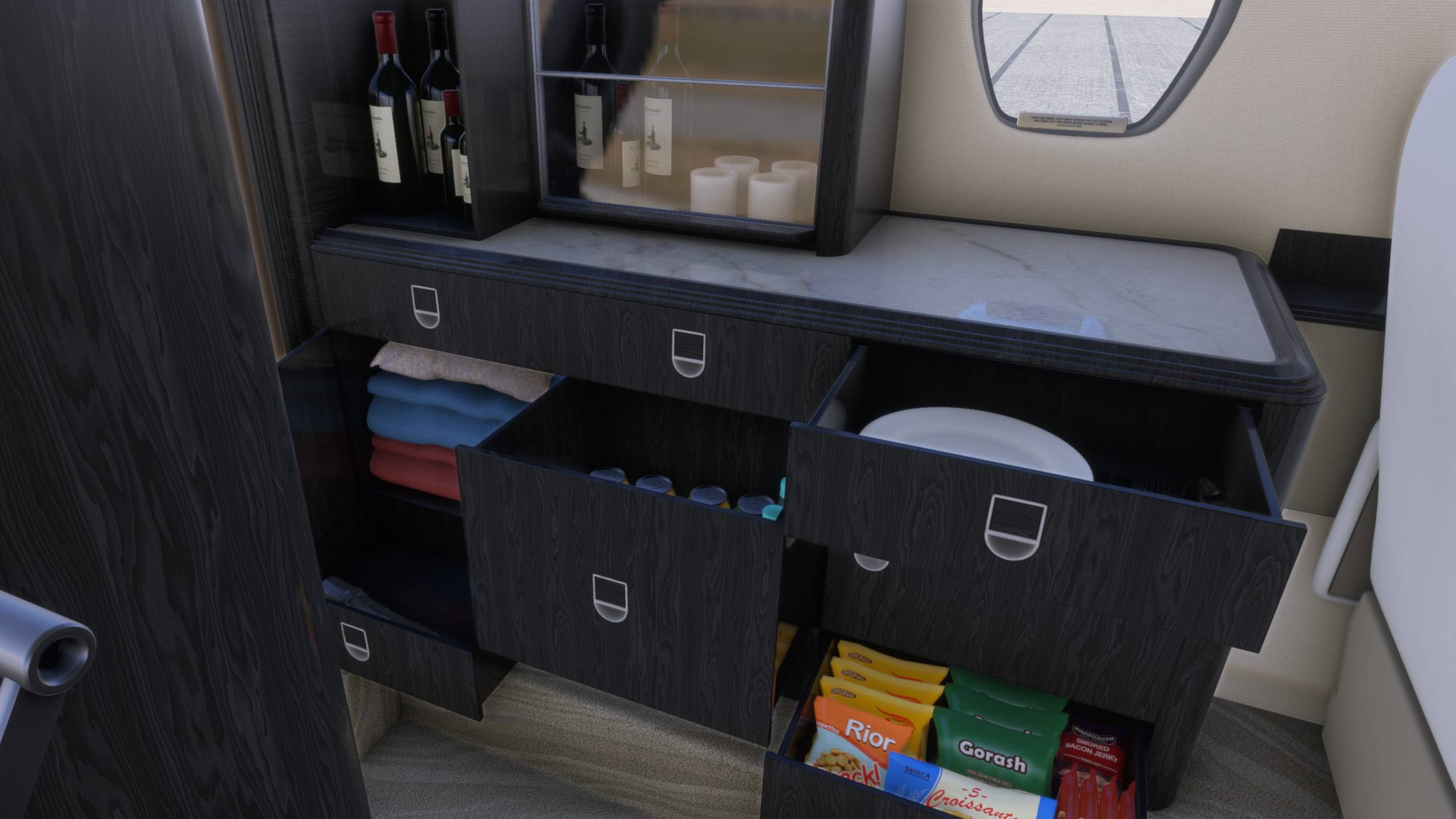
The cabin is fantastic, with a fully openable minibar and microwave with which to enjoy your “Winelandia” vintage, as well as adjustable cabin shades and lighting. Passenger lights and shades are not individually adjustable, and along with a couple of cabin lights not working, I feel like there are one or two places where FlightFX could make this cabin next-level.
Morning Stand-Up
In the full review, I will dive much deeper into the systems of the FlightFX C750, but for now, I think it suffices to say that I was not disappointed by any of my flights so far. FlightFX provides a fantastic, thorough manual as well as a tutorial flight on YouTube to help you learn the aircraft. The Honeywell Primus 2000 seems faithfully represented, with almost all buttons functional.
Autothrottle is an option, and FlightFX’s tablet EFB provides a very simple calibration utility. The manual also gives you step-by-step instructions on how to bind reverse thrust for popular throttle hardware, which is an excellent touch that I wish more developers would implement.
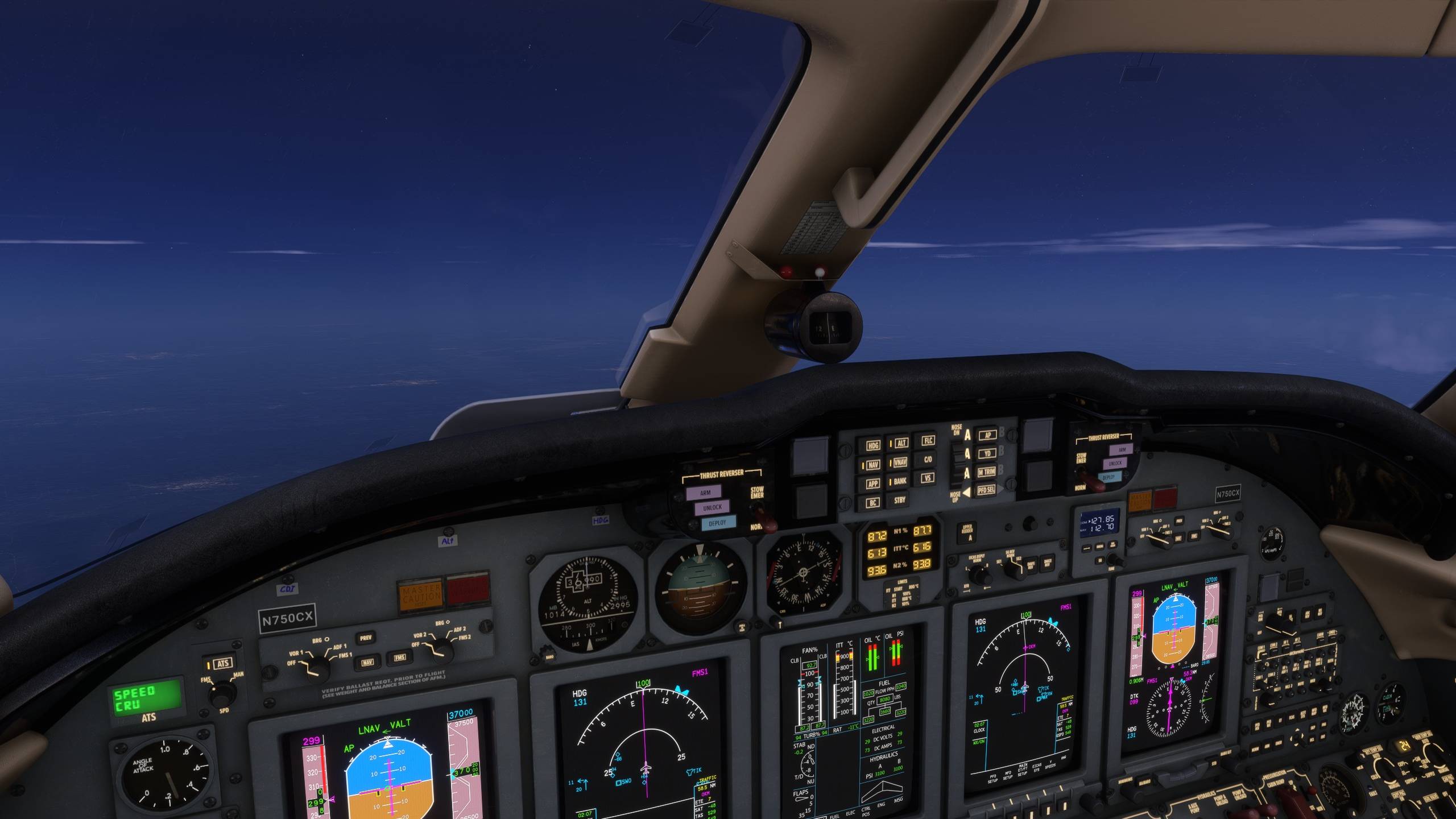
I encountered no bugs during my time so far with the FlightFX C750. I did find that my “taxi light” switch on the Honeycomb Alpha was inexplicably inverted, compared to every other aircraft I fly, which was odd. That was the only oddity in a sea of fully functional flying fun. Nothing important to normal operations is left unimplemented, and everything, from the FMS to the auto-flight control panel, is responsive and instills confidence that it won’t randomly crash when trying to change a STAR. FlightFX does not advertise failure implementation, but through my own accidental botching of the engine start sequence, I learned it is possible to screw up “normal” operations if you don’t know what you’re doing.
Happy Hour
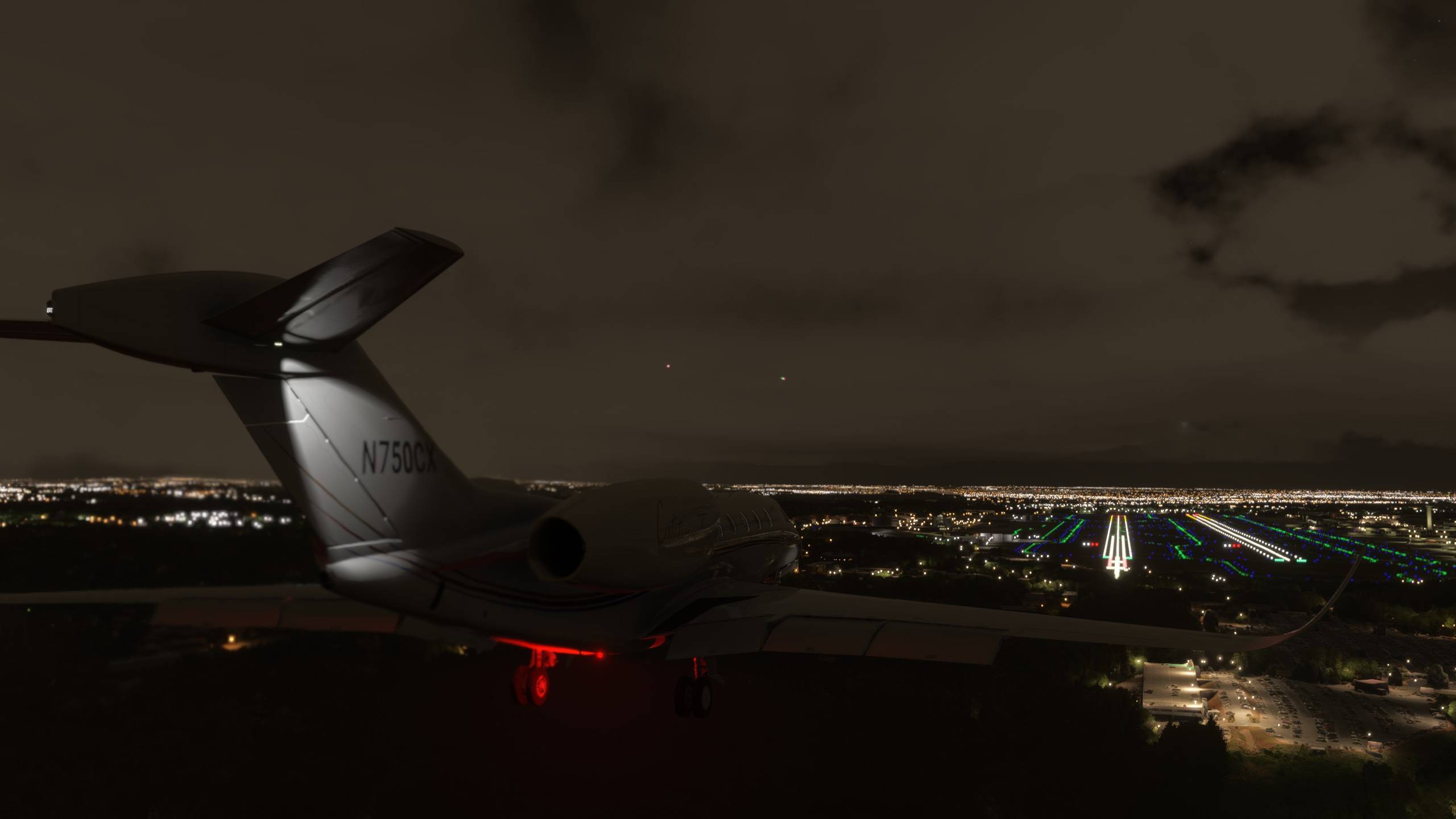
Handling the FlightFX C750 is simple and, for the most part, excellent. I did find it to be extremely twitchy on the ground, but there may be a way to adjust my control sensitivity for tiller steering to alleviate this. Once the wheels leave terra firma, though, the C750 is joyful. It’s powerful and responsive, and extremely stable in flight. FlightFX has made the trim feel excellent, which is a considerable achievement in MSFS. I had no trouble at all taking it by hand up to 42,000′, then back down for a manual ILS landing – and greasing the first touchdown, which almost never happens!
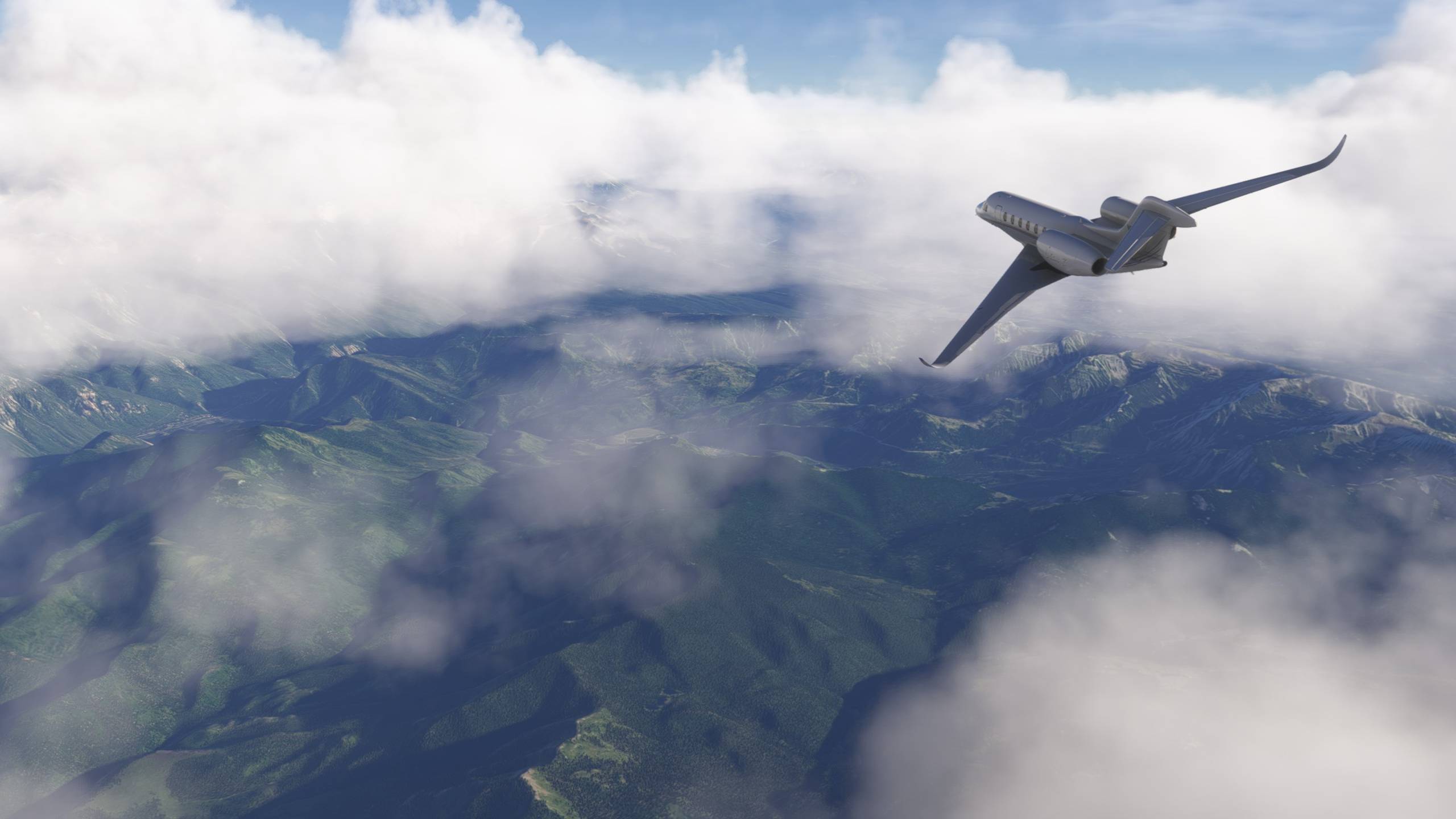
FlightFX provides detailed performance tables for the C750 at all altitudes of cruising flight, and during my flights, these seemed quite accurate. A Simbrief profile is already integrated into Simbrief, and importing your flight plan and loading data is easy. Achieving Mach 0.92 is a new feeling for me, and climb performance remains good even high up into the flight levels.
The FlightFX C750’s soundscape is excellent. This is a small aircraft, and they have done an excellent job of making you feel connected to it through sound. Motors, fans, and hydraulic actuators are all present, but the little things, such as shakes and creaks of the airframe as it turns sharply on the ground, really enhance the immersion. Transient alarms during engine start drive home the idea that the aircraft is doing things, and the engine sounds themselves are excellent.
Homeward Bound: FlightFX C750 First Impressions Review
It is at this point that I feel compelled to mention that this joyous flying package comes to you, exclusively in the Marketplace (For both ’20 and ’24), for $30. It’s less than some of the high-fidelity General Aviation add-ons, but more than the well-liked but basic aircraft that usually occupy the $20 tier. I think that is the perfect price. It does not offer complex failure scenarios or wear and tear, nor is it a massive airliner, but it also offers a connected and immersive experience that’s a defined step above the entry-level add-ons.
As I mentioned in the introduction, I am not generally drawn to business jets in my simulator. The FlightFX C750 may change that, however. It’s only been a couple of flights, but so far I am really enjoying this jet. Stay tuned here for the full, in-depth review in the coming weeks after I have had a chance to learn the aircraft inside and out, but until then, I’ll see you happily at Flight Level 510.
Feel free to join our Discord server to share your feedback on the article, screenshots from your flights or just chat with the rest of the team and the community. Click here to join the server.