SimWorks Studios, known for aircraft such as the Kodiak and PC-12, has just released another plane that could be considered a STOL legend, the GA-8 Airvan from GippsAero. The initial release is only compatible with MSFS 2020; however, an MSFS 2024 version is already in the works, and owners of the 2020 version will receive the 2024 upgrade for free.
From looking at the manual and feature set, it’s clear that this may just be SWS’s most advanced aircraft. With in-depth walkarounds and an advanced engine simulation that includes wear, tear, and failures, SWS looks to be entering the realm of A2A and Black Square when it comes to GA aircraft fidelity with the Airvan.
Despite being a General Aviation and bush plane lover, I initially wasn’t all that interested in the GA-8, primarily because of its looks. However, in-depth systems and engine simulations are relatively rare in the GA space, so I was very intrigued when I found out just how advanced the GA-8 is supposed to be. These advanced features are available with the “SystemsPulse” add-on, which is separate from the base aircraft package and costs $17.49. SWS generously provided a copy of the aircraft for review; however, my opinions on it have not been altered by this fact and remain my own.
What Is This Weird-Looking Thing?
In 1991, after the success of its first aircraft, the GA-200 Fatman, Gippsland Aeronautics looked to develop a new, small, piston-powered plane for hauling cargo and passengers. Over the following years, the company would go on to develop the Airvan, which first flew in August 1996. The Airvan would be certificated by the Australian Aviation Authorities in 2000 and by the FAA and EASA in 2003 and 2005, respectively, after which its use around the world began to grow.
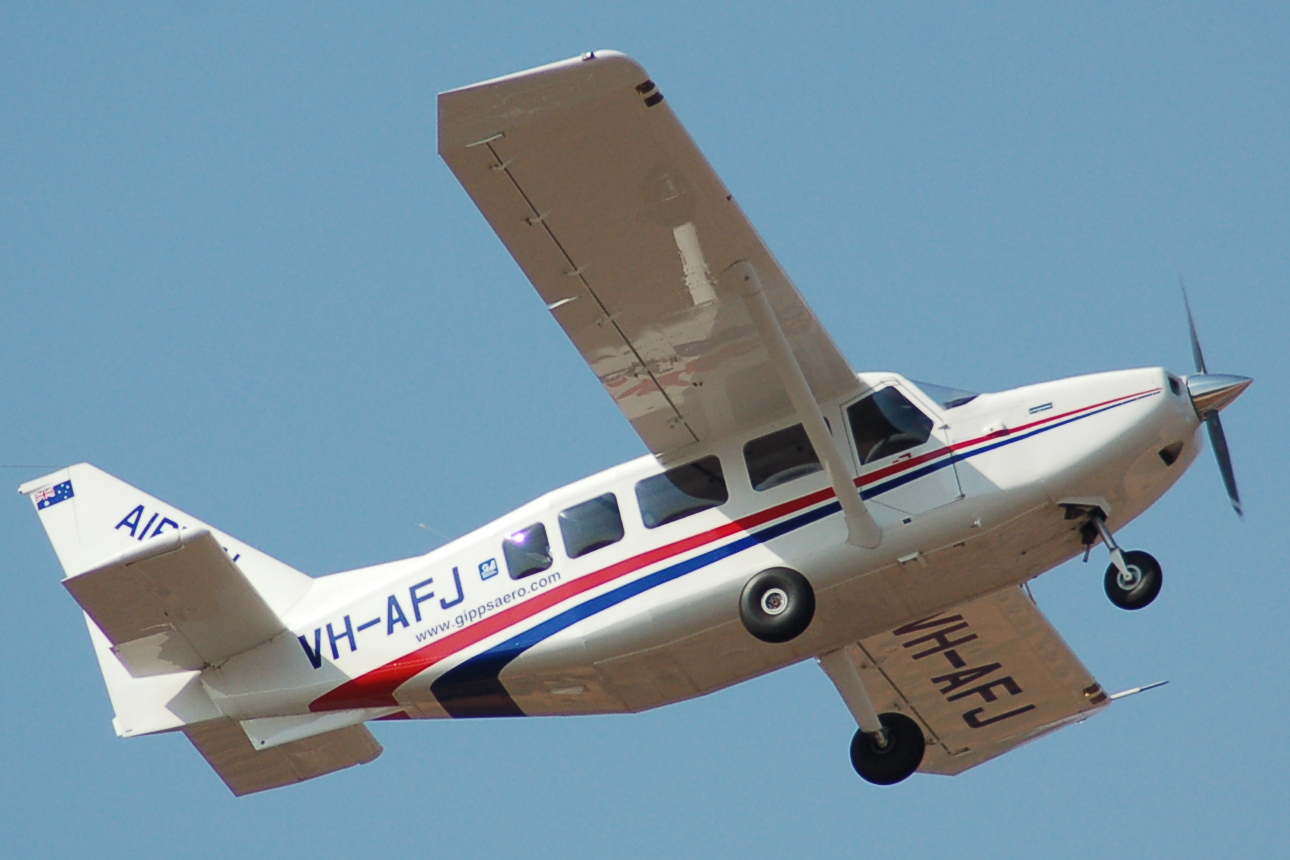
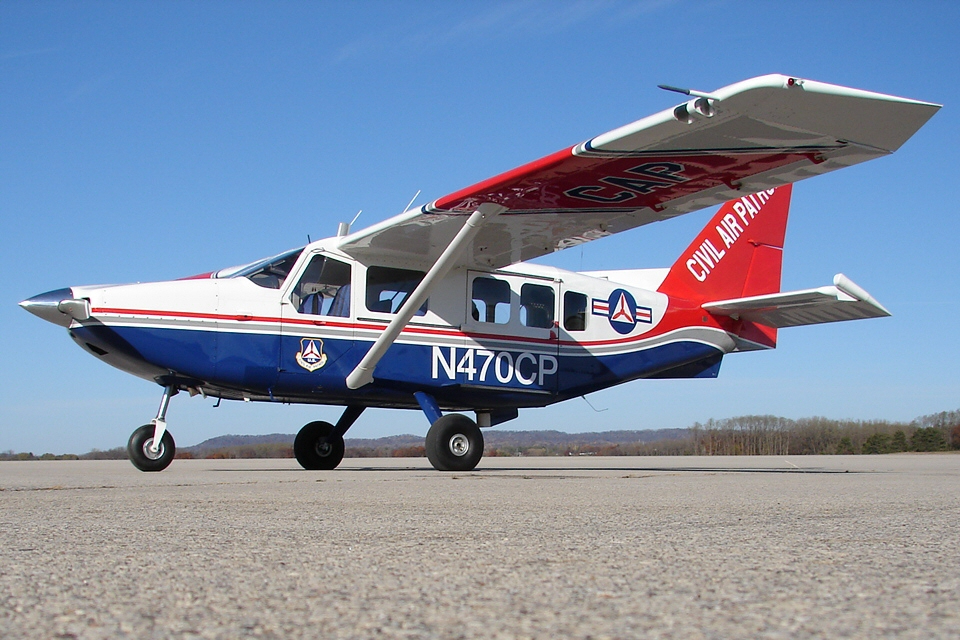
The Airvan was designed to fill a role somewhere in between the Cessna 206 and the 208 Caravan. It is larger and can carry a bigger payload than the 206 and, unlike the 208, is piston-powered, which makes it less expensive than similar turbine-powered aircraft. Specifically, the GA-8 has a 300-horsepower Lycoming IO-540, giving it adequate power for a plane of its size. Like the two Cessnas, the Airvan is capable of taking off and landing on short airstrips.
Ground Checks
Every first flight of the day begins with a walkaround, a feature that is available in SWS’s Airvan. Wheel chocks, pitot covers, and engine covers can all be placed and removed when clicking on them. You can also drain each tank and sump to check for water in the fuel, and clicking on the auxiliary power port connects a small external power bank. Clicking on the oil check door pulls out the dipstick so you can visually inspect the oil levels, which, with the SystemPulse package installed, will be consumed over time and must be refilled periodically.
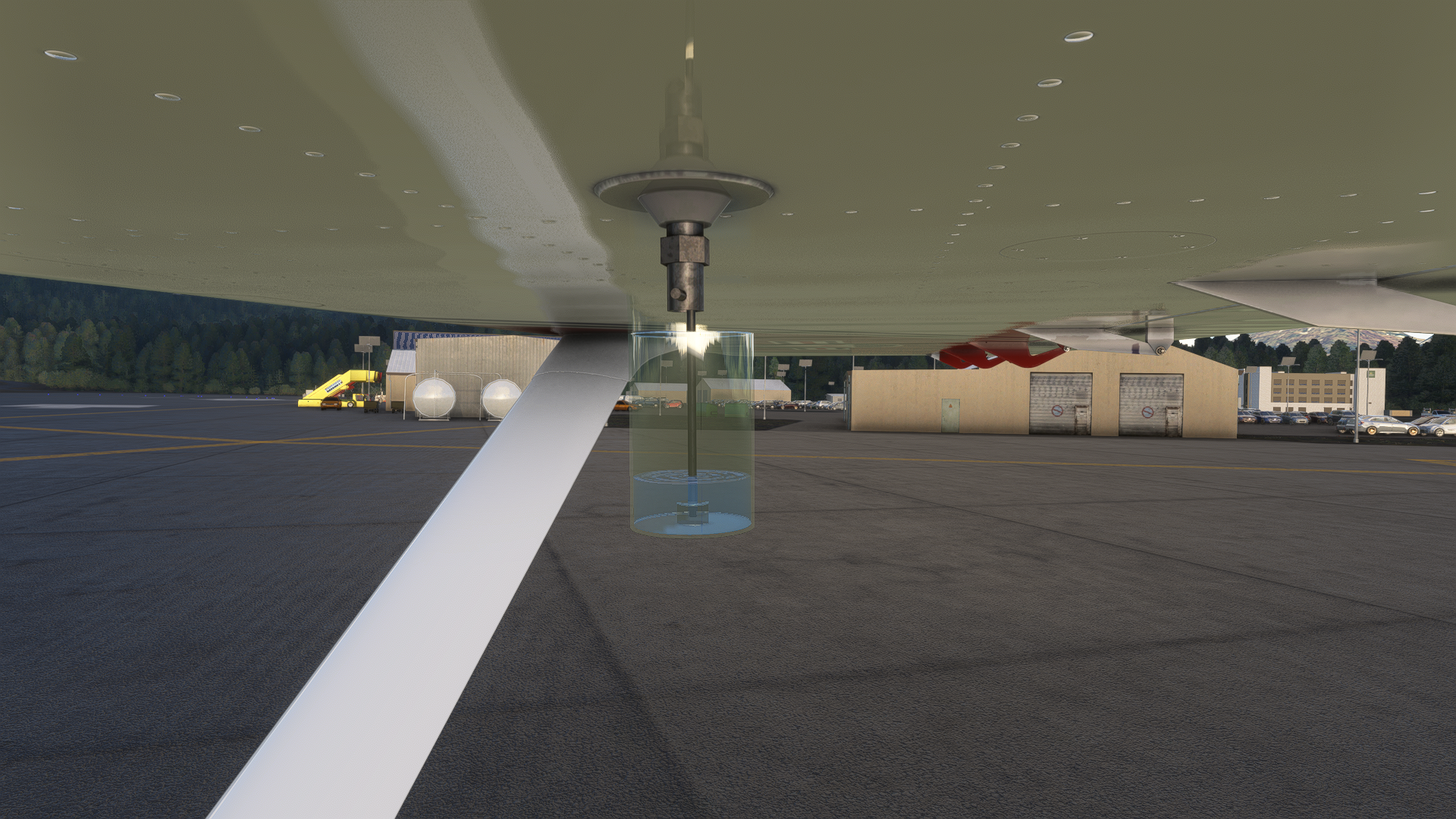
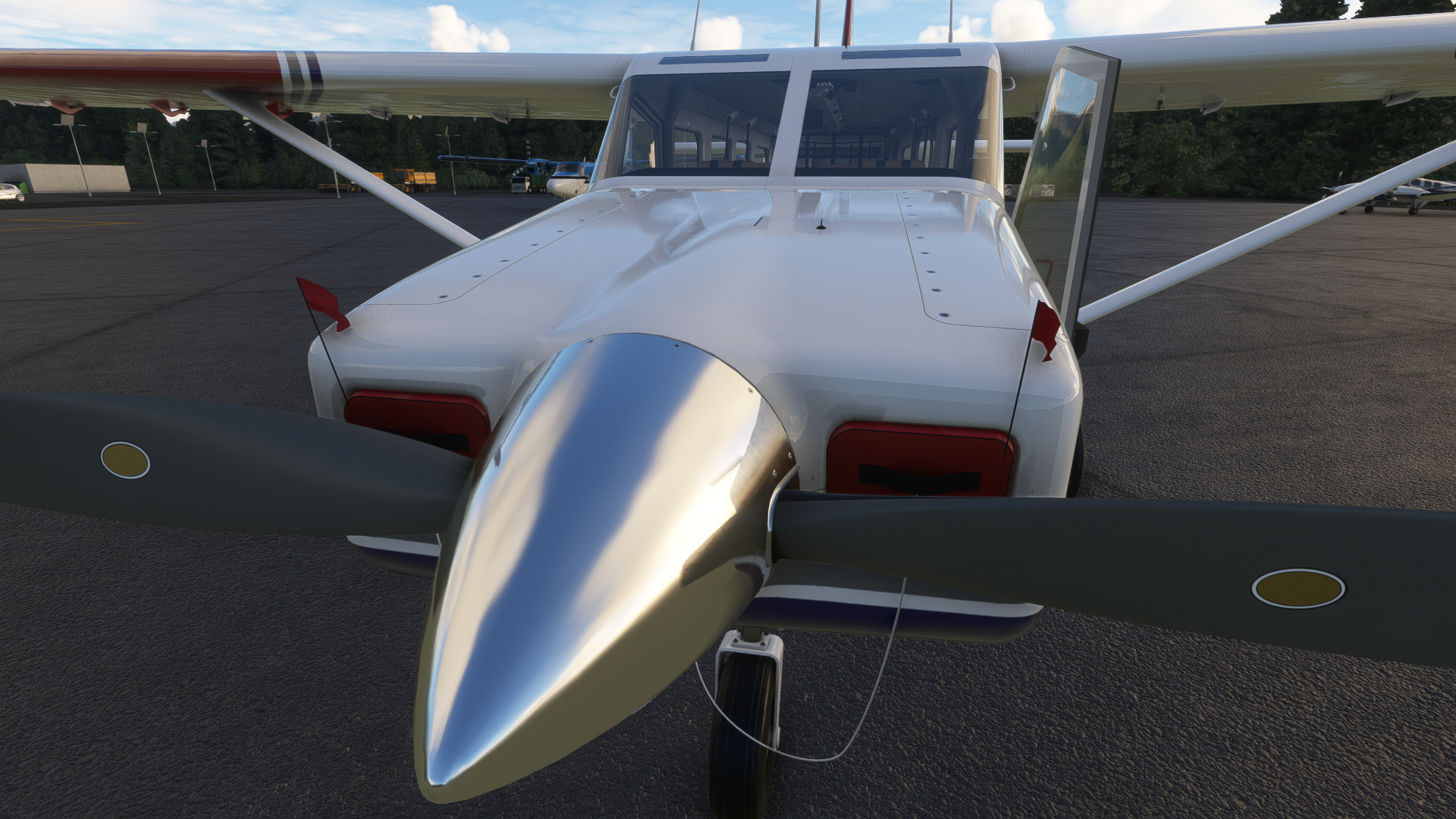
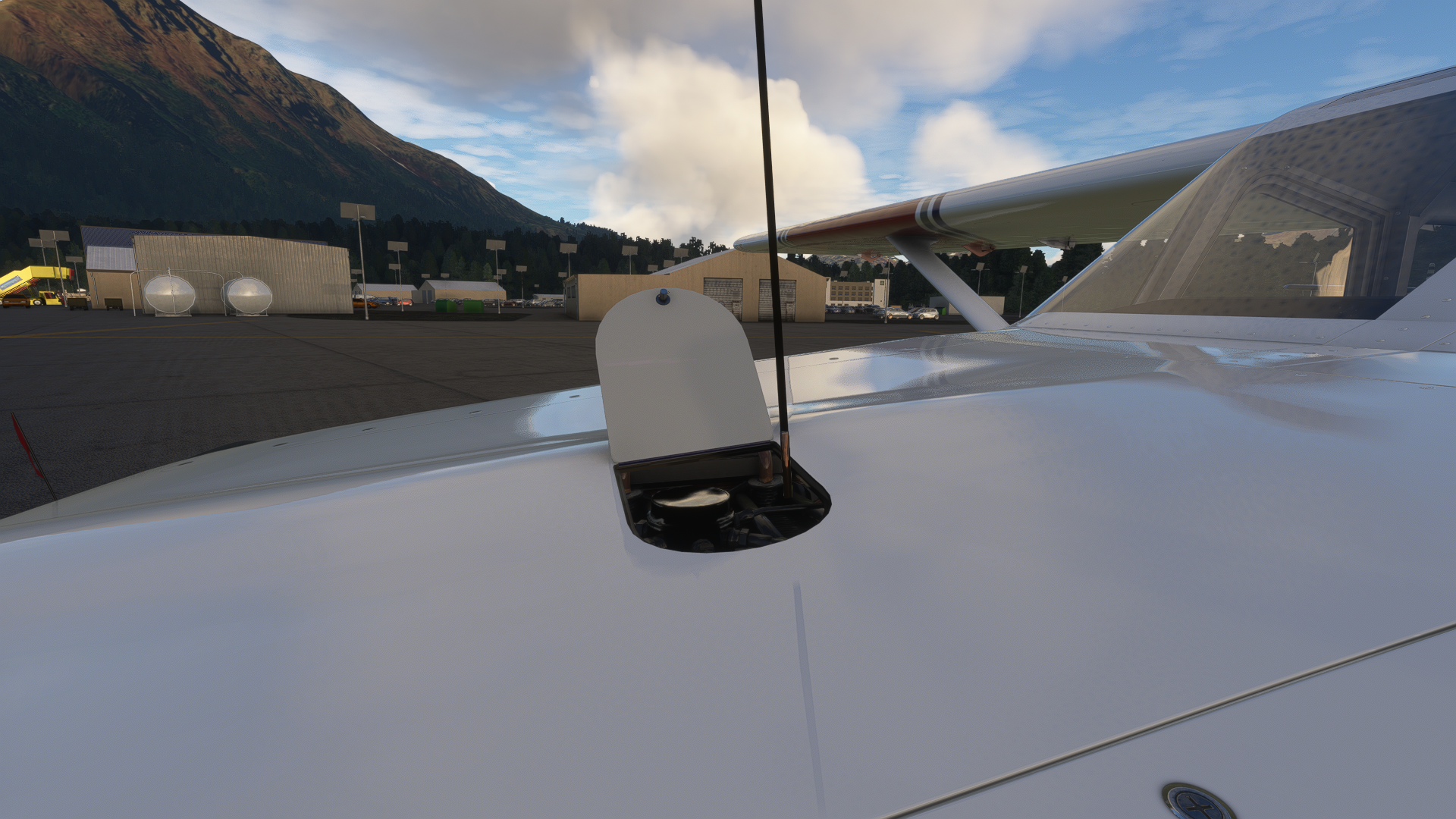
The walkaround in the Airvan is good, but it currently relies on you using your keyboard to clunkily move the camera around to each point. This is something that will be solved once the FS24 version comes out, but I do wish there was an easier way to move the camera around to the different areas, like in the A2A Comanche, where clicking a button on the EFB moves you around to different camera presets so you can do your checks. One other thing the walkaround is missing is being able to move the flight control surfaces, which SWS says will be implemented in the FS24 version.
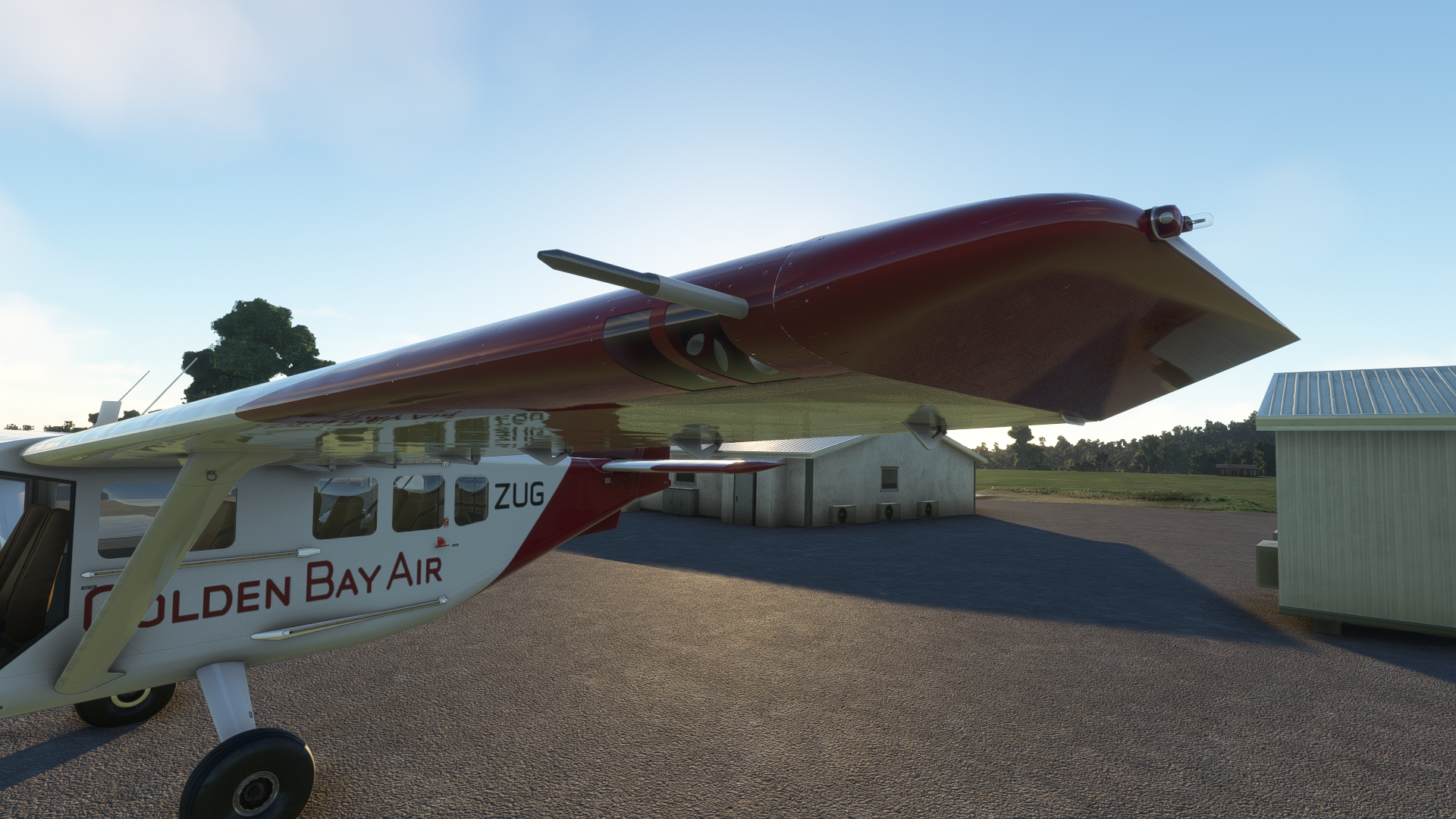
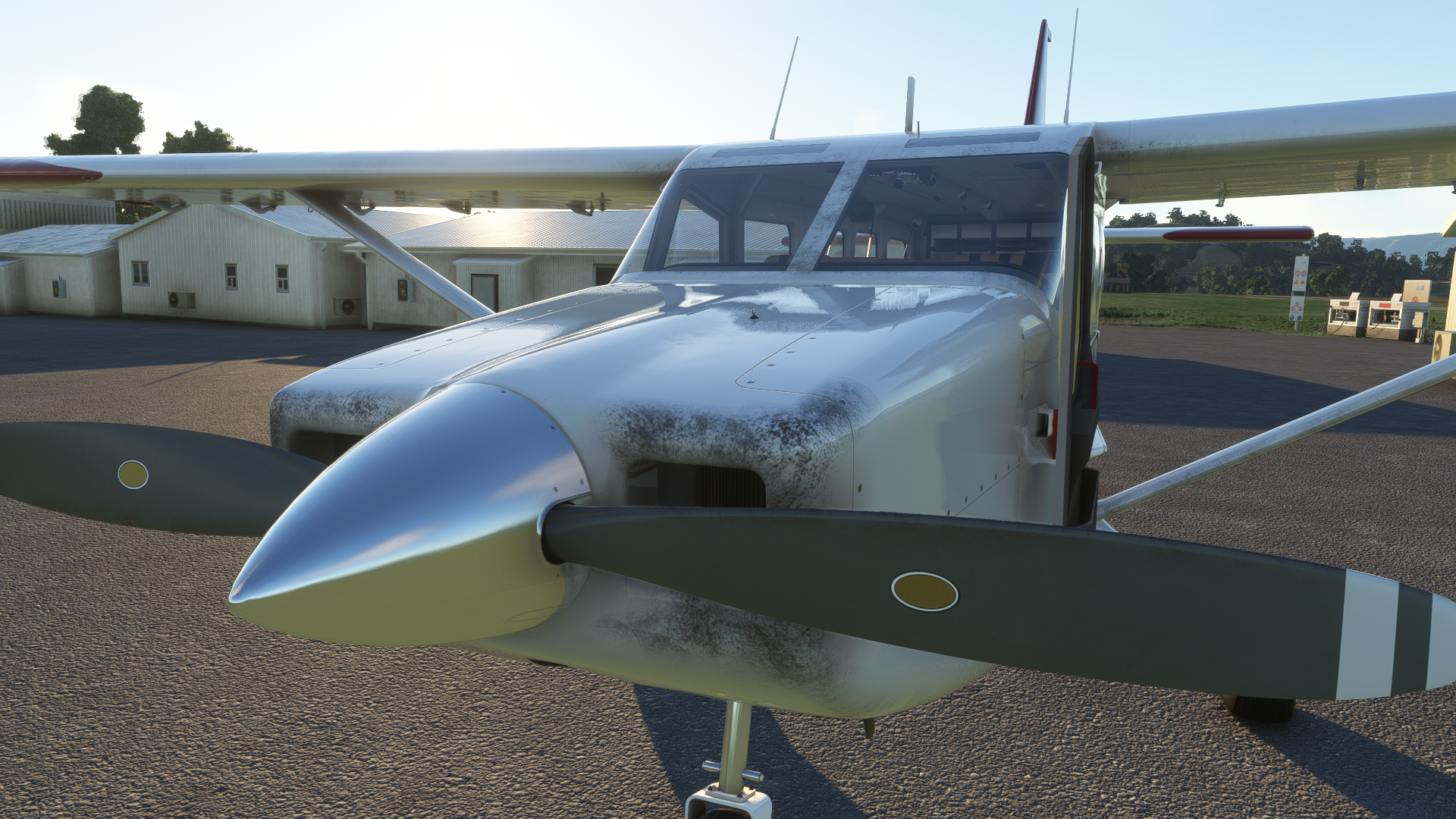
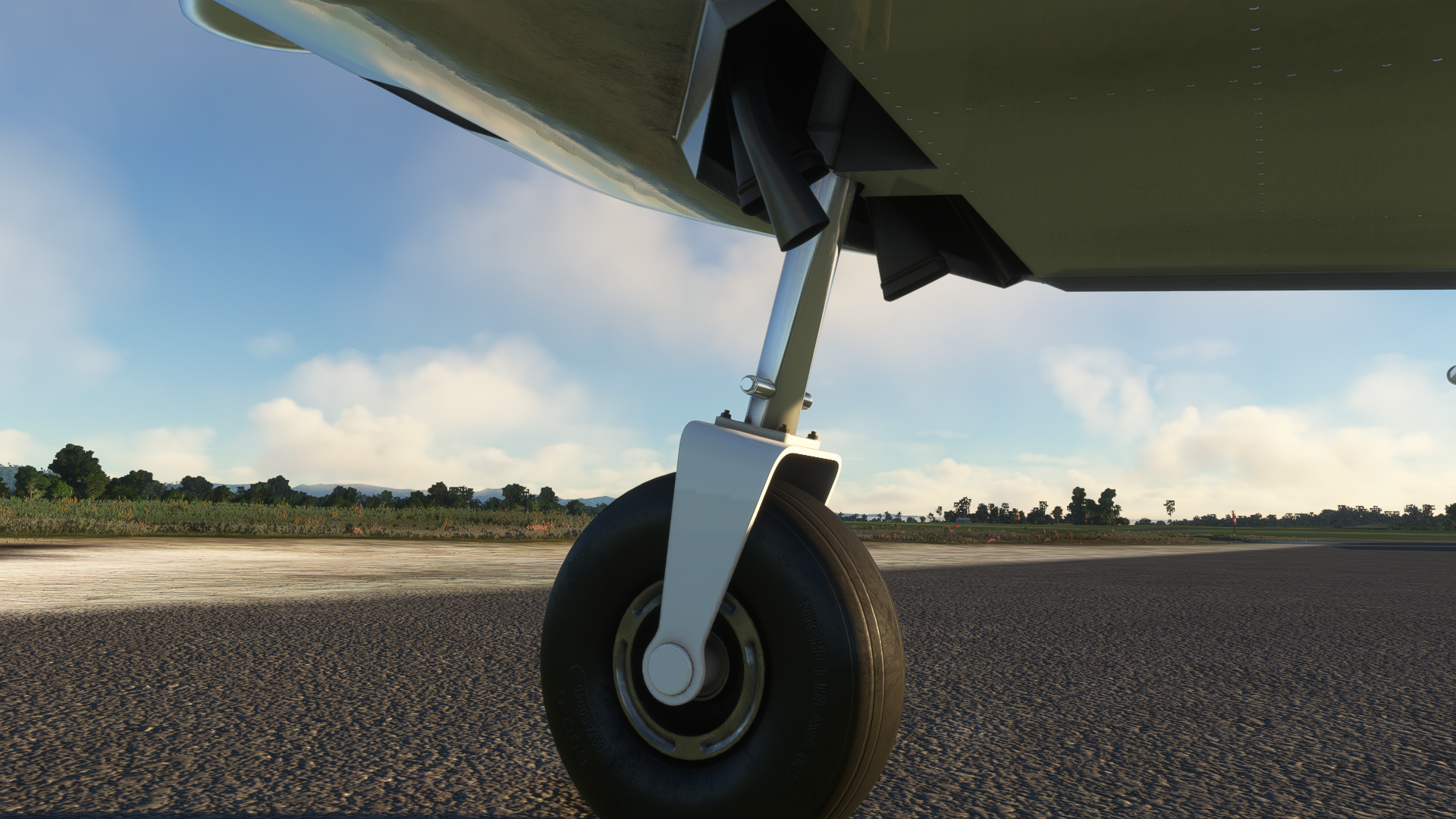
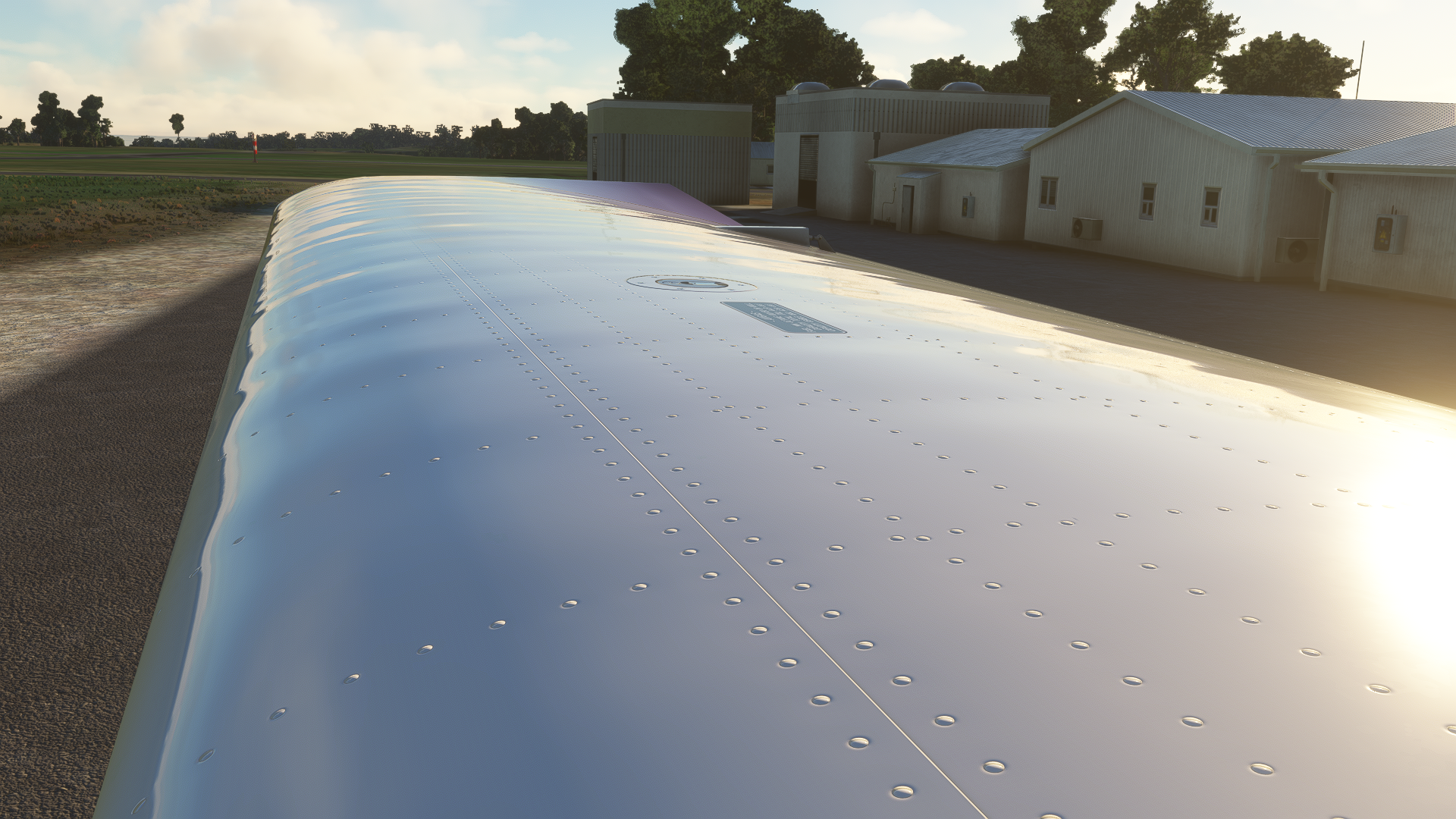
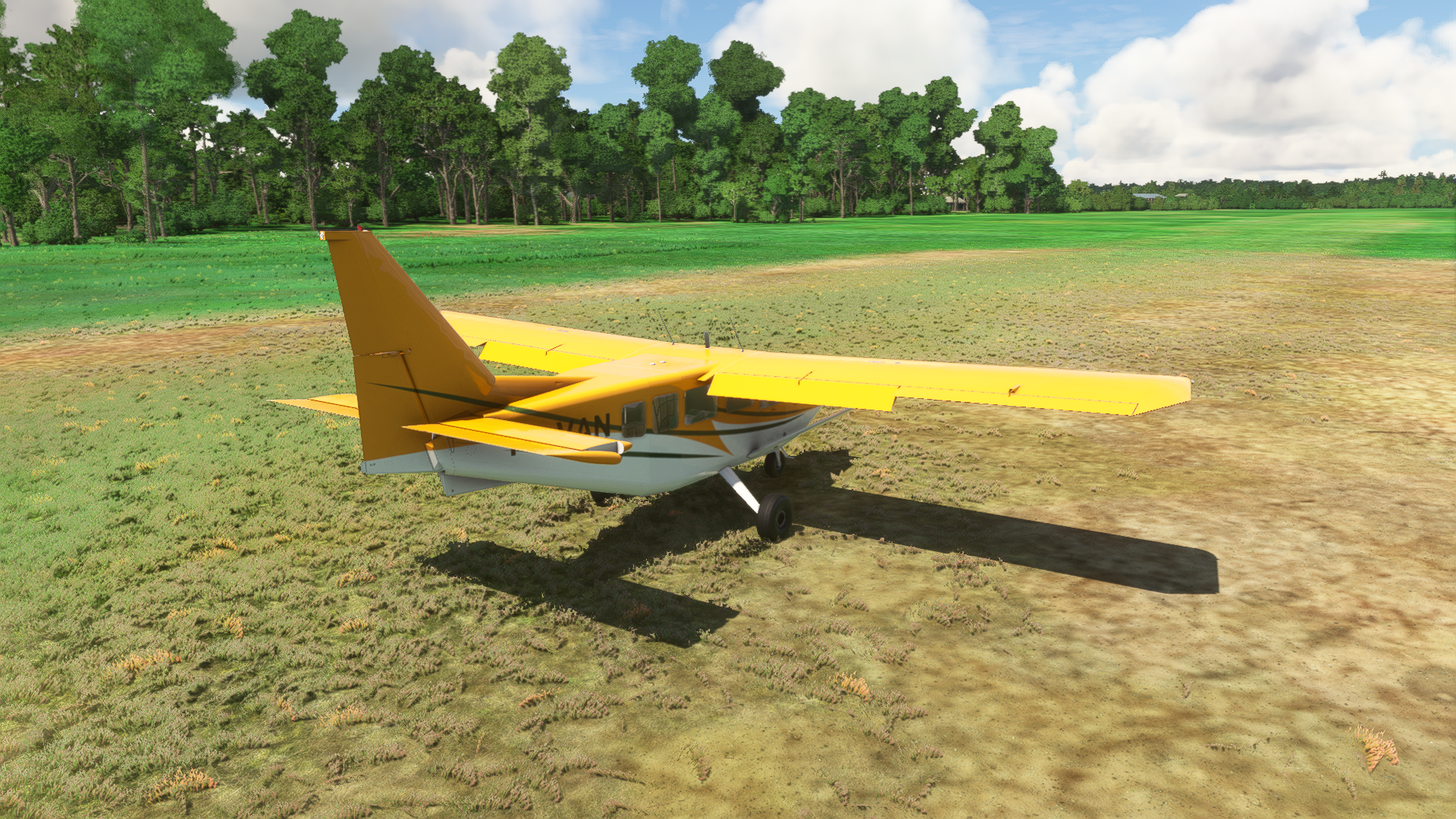
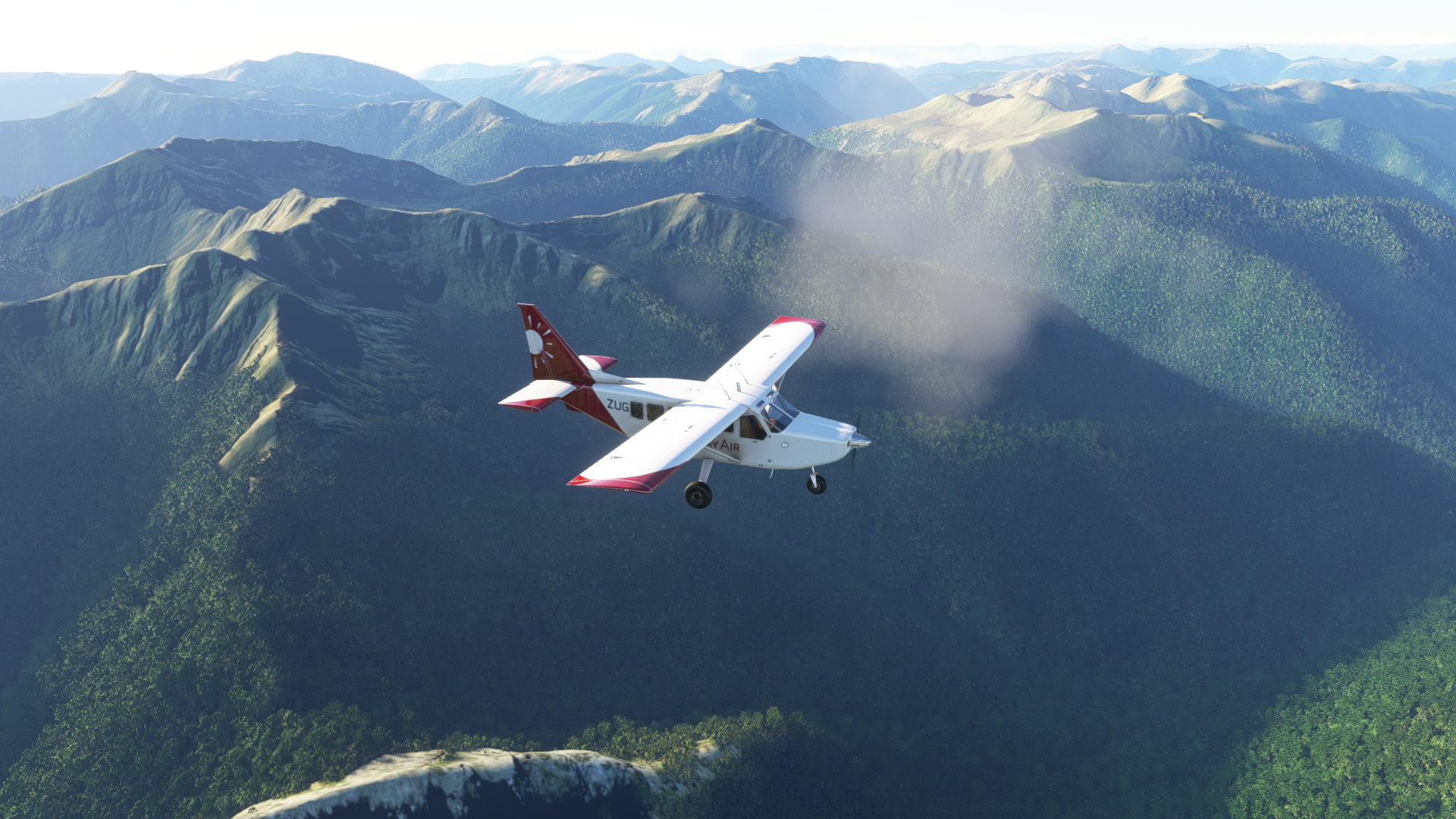
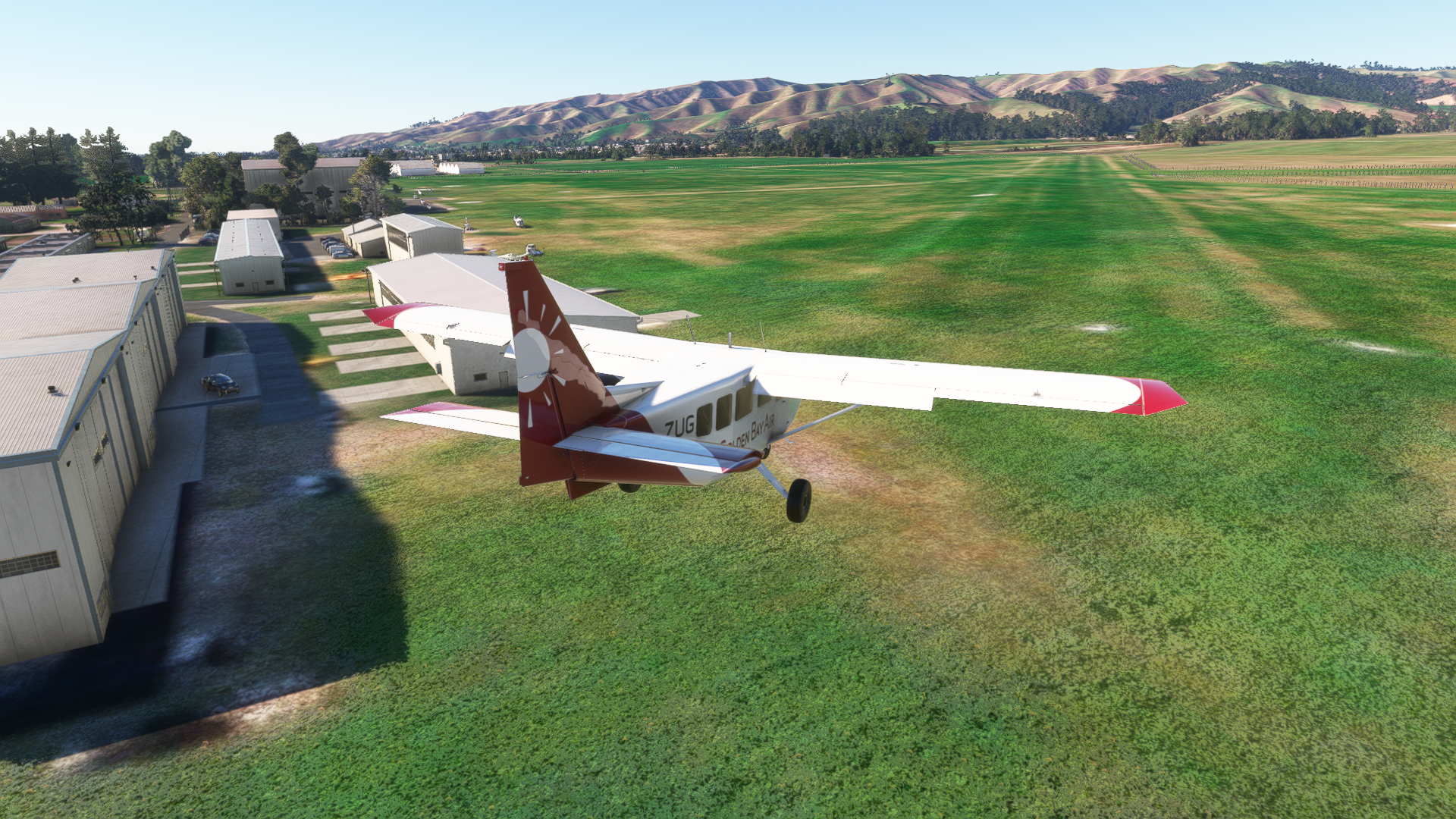
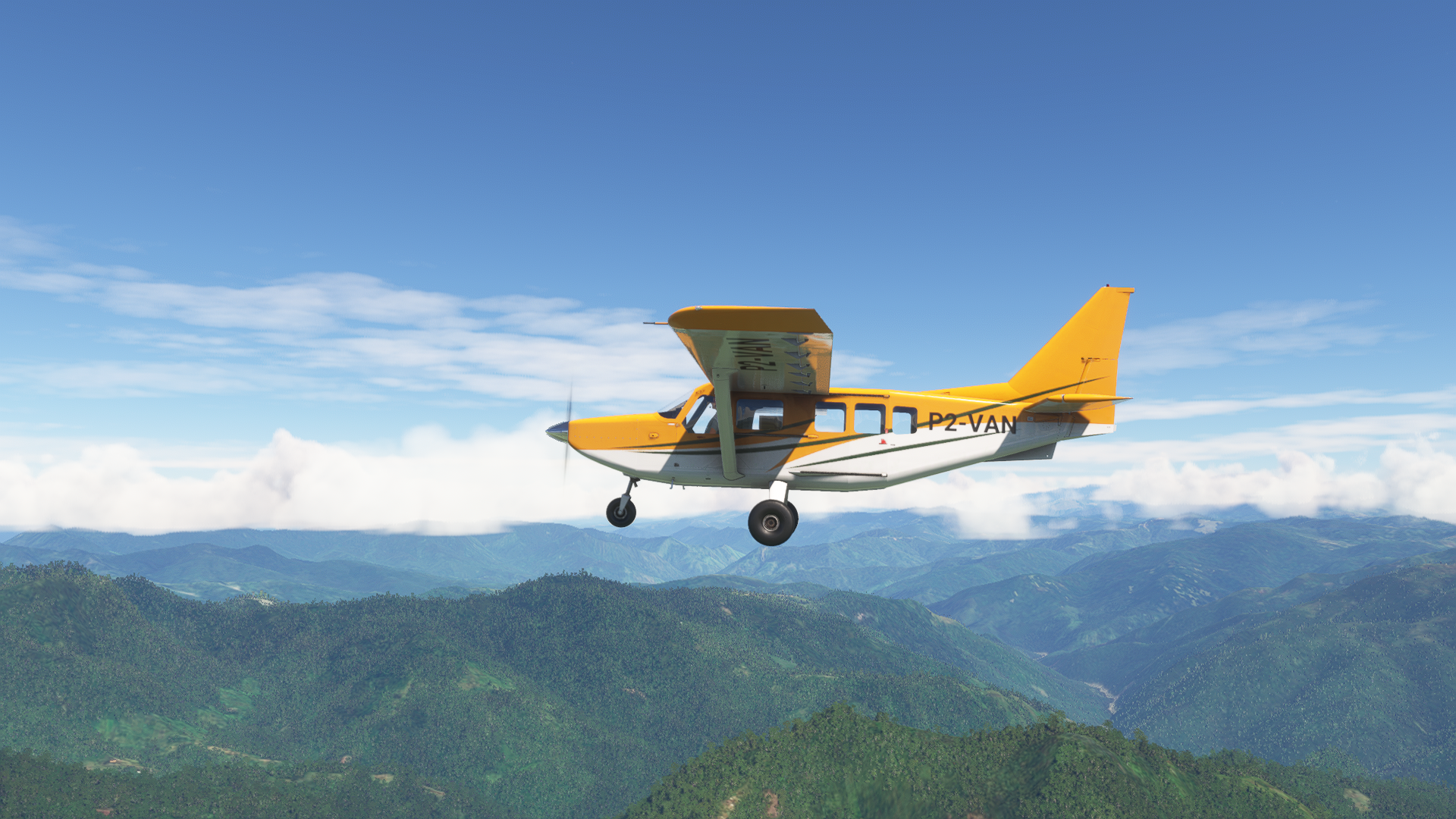
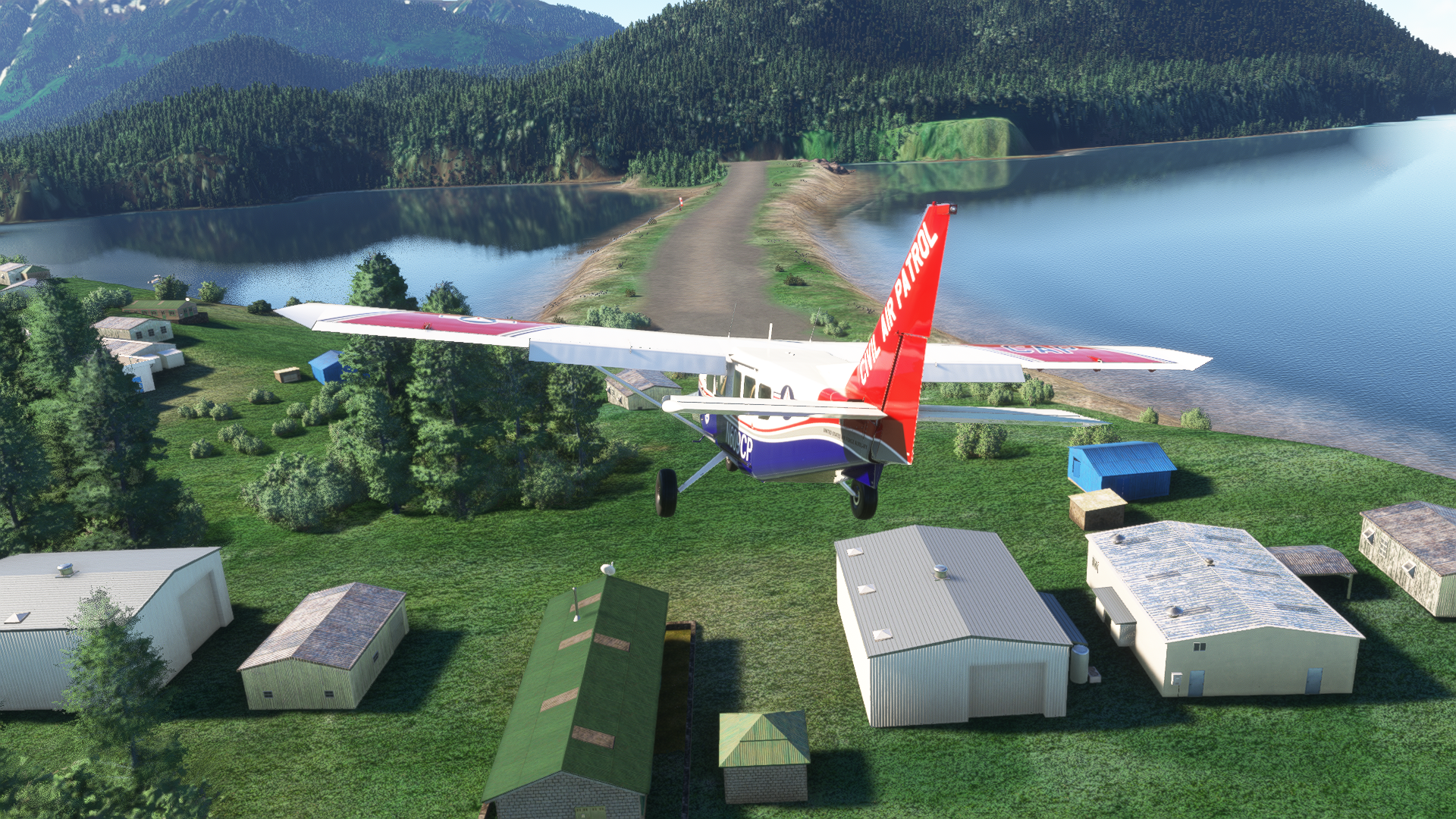
While we’re outside, it’s a good time to take a look at the exterior model. The real Airvan isn’t exactly a looker, but SWS has done a tremendous job at recreating it in the sim, so much so that it’s actually starting to grow on me. The surface materials look authentic, the rivets on the surfaces look perfect, and you can even see the ribbing on the wings if the lighting’s right. Over time, dirt and dust will start to build up on the aircraft’s surface, which can be cleaned using the EFB. An overall beautifully done exterior model.
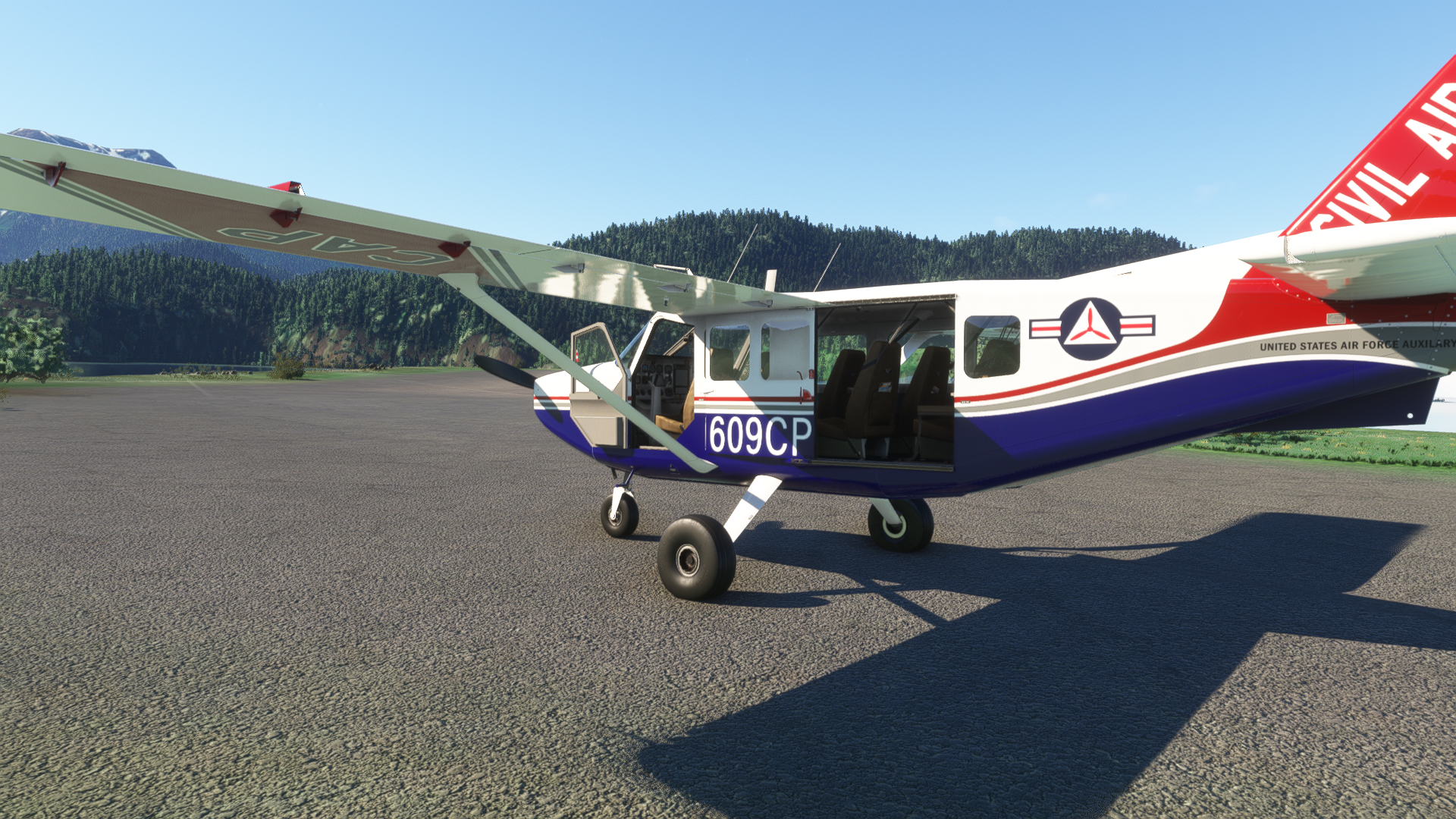
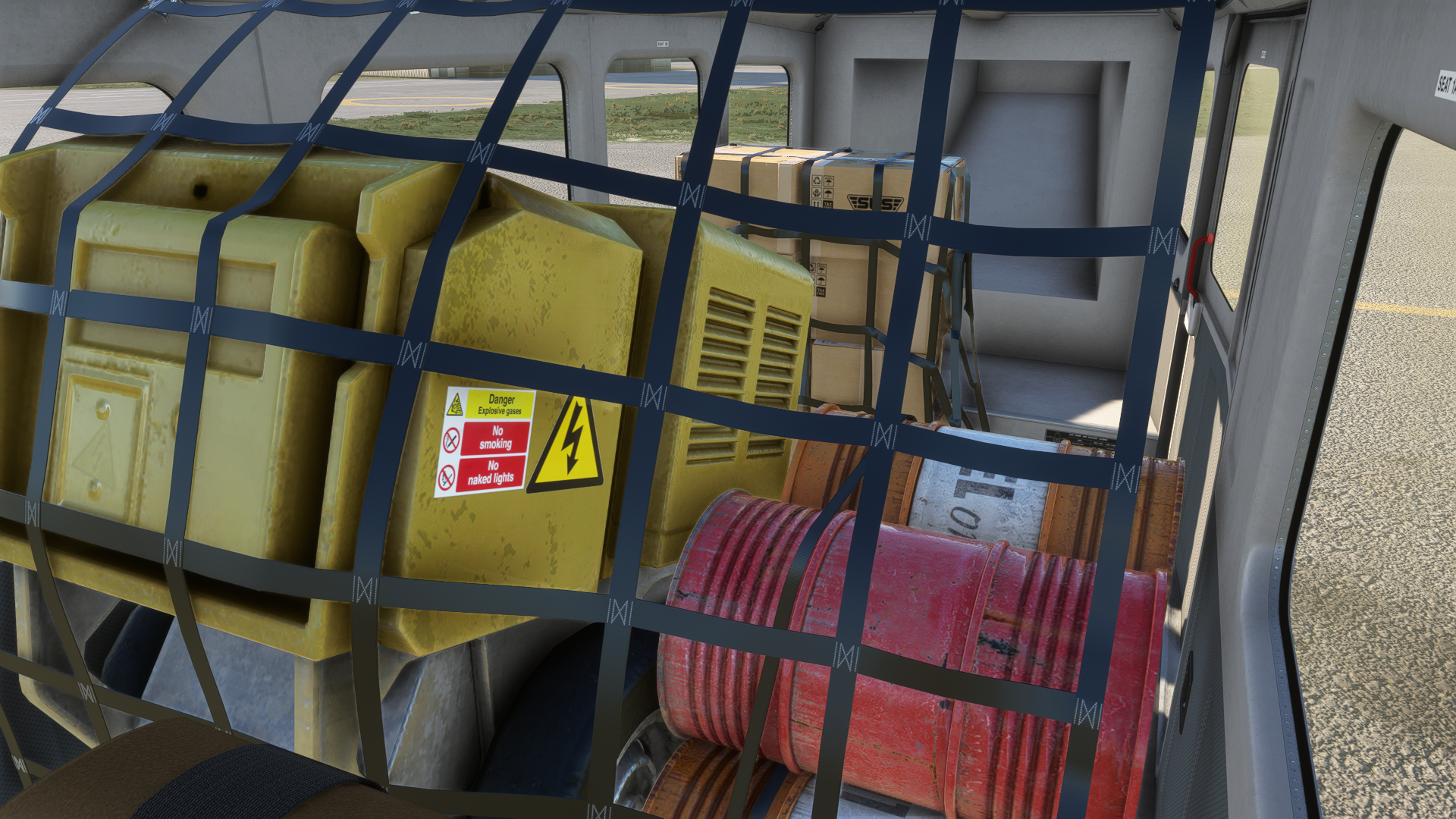
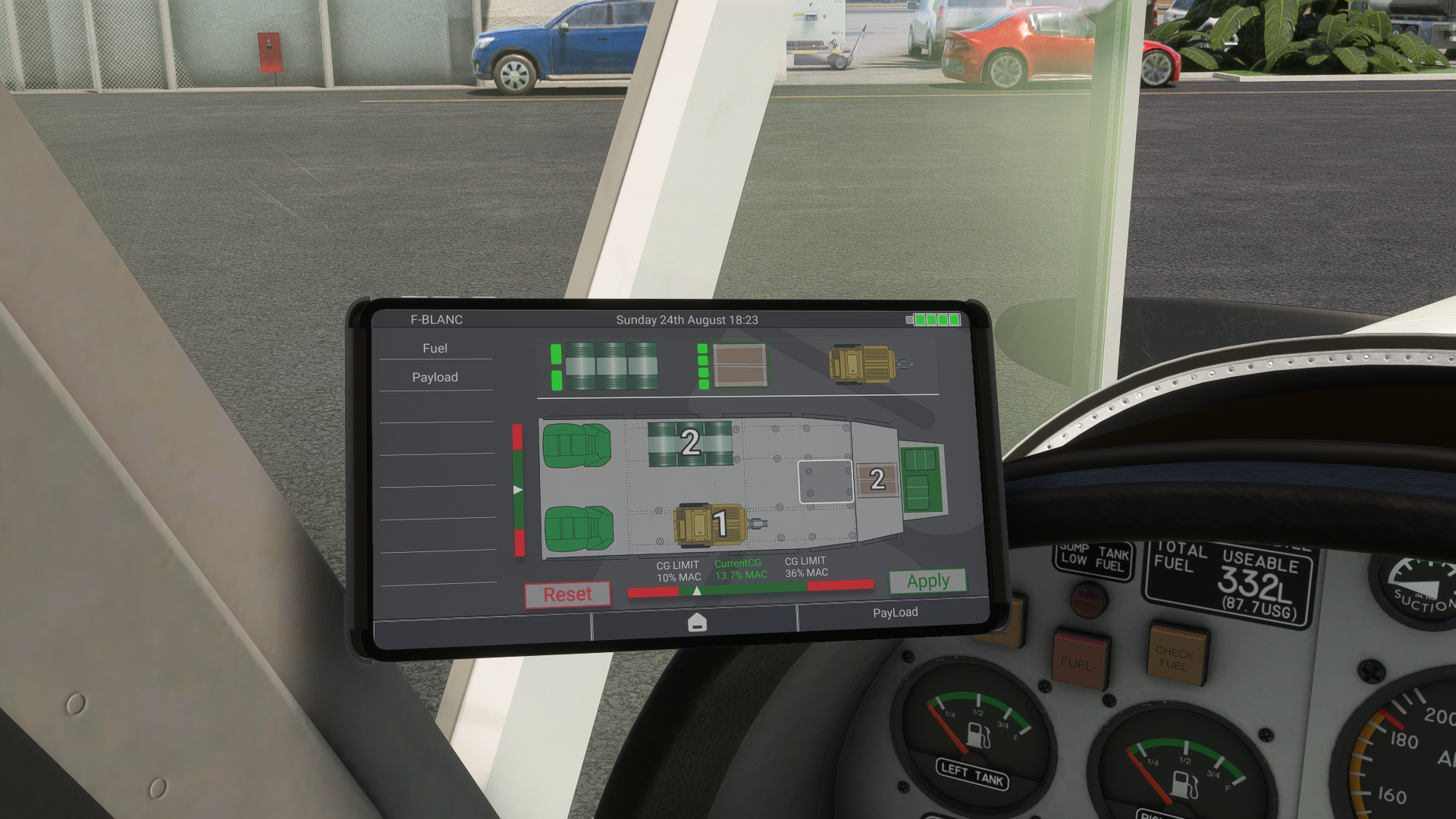
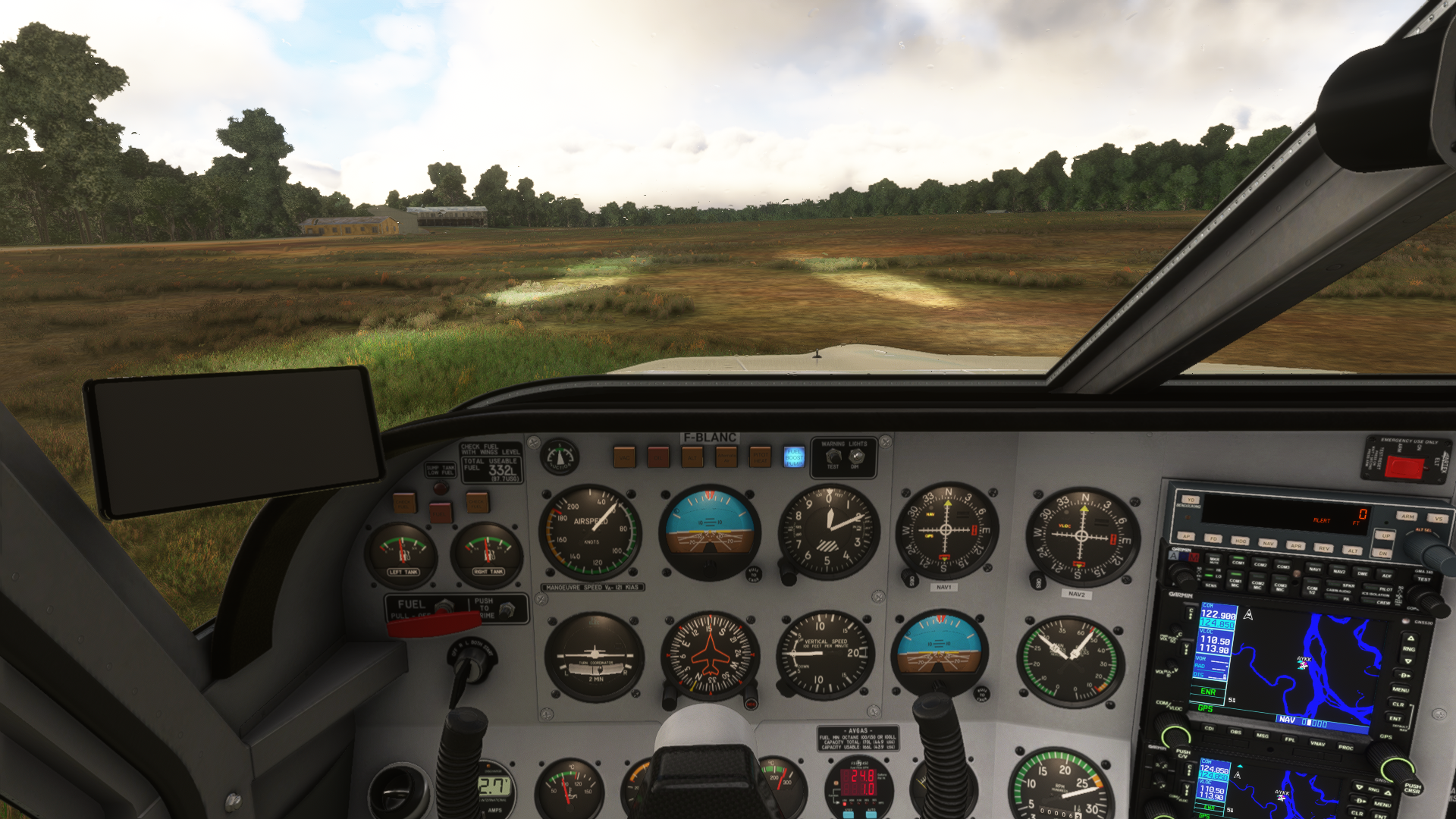
Moving on to the inside, where the high-quality modeling continues, from the great texture quality to the detail on the modeling, everything just looks right here. The livery you choose to fly with will determine whether the plane is configured for passengers or cargo. When flying cargo, you can choose between hauling barrels, boxes, or a generator, and the placement and quantity of these is up to you.
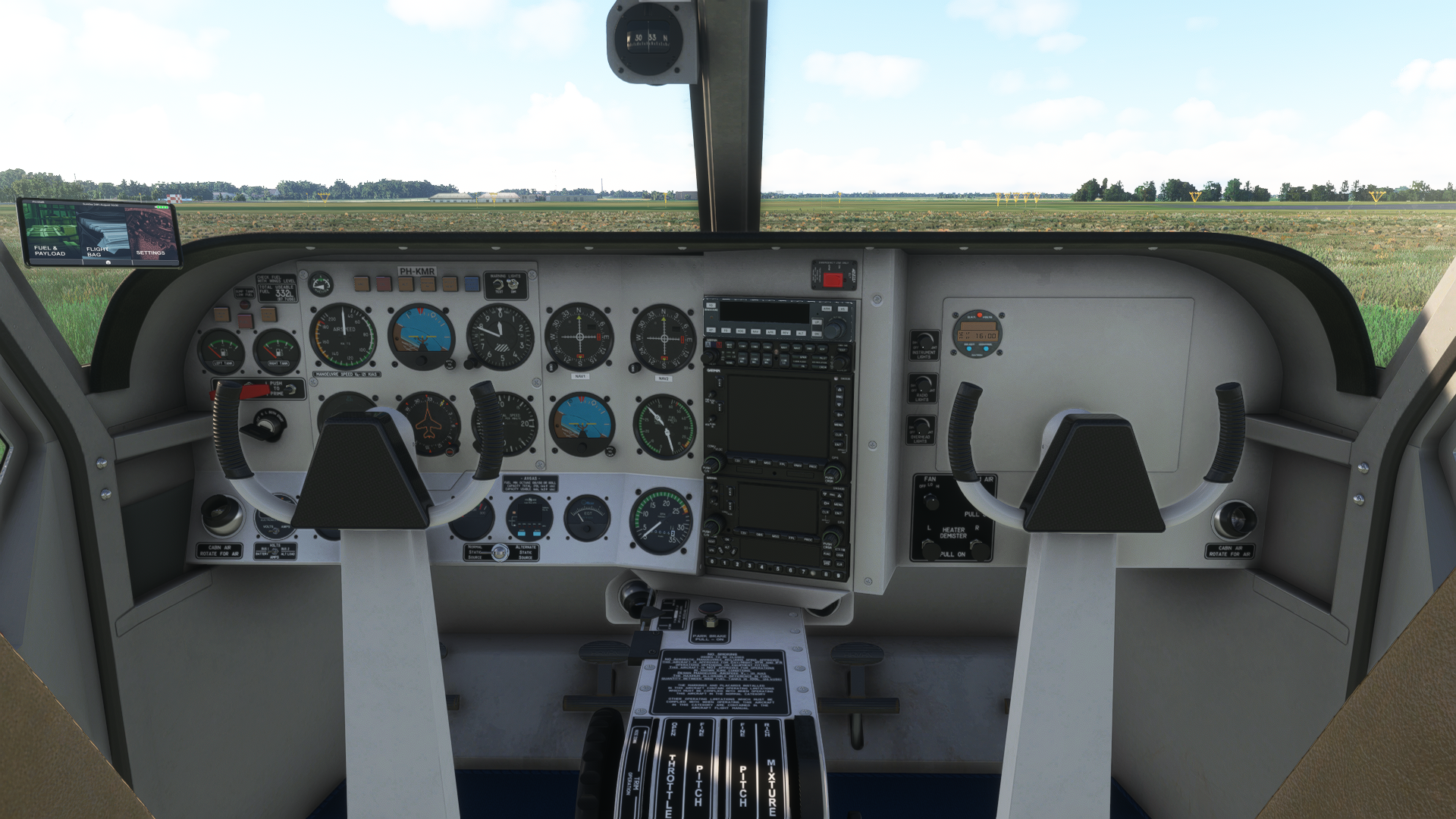
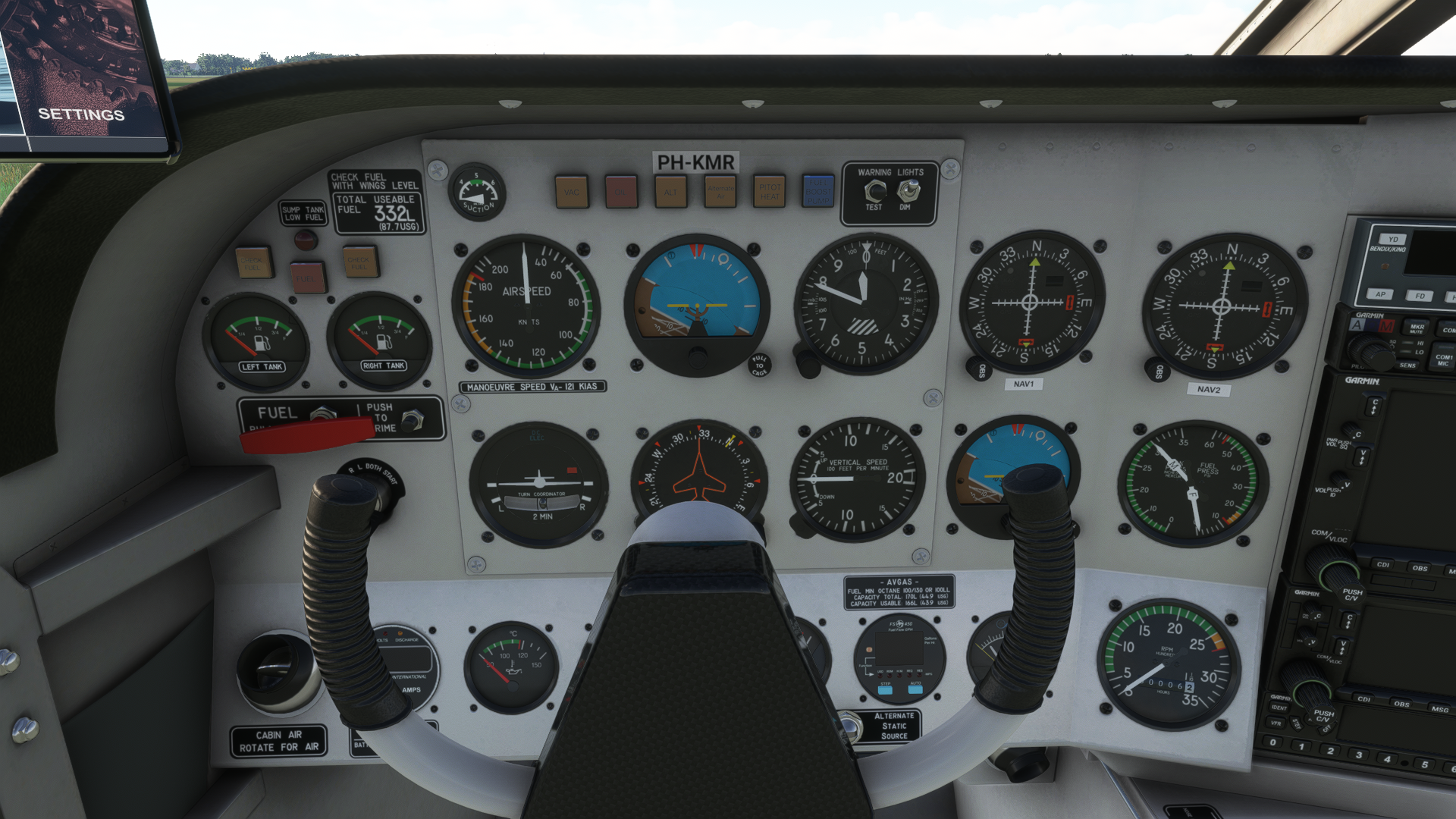
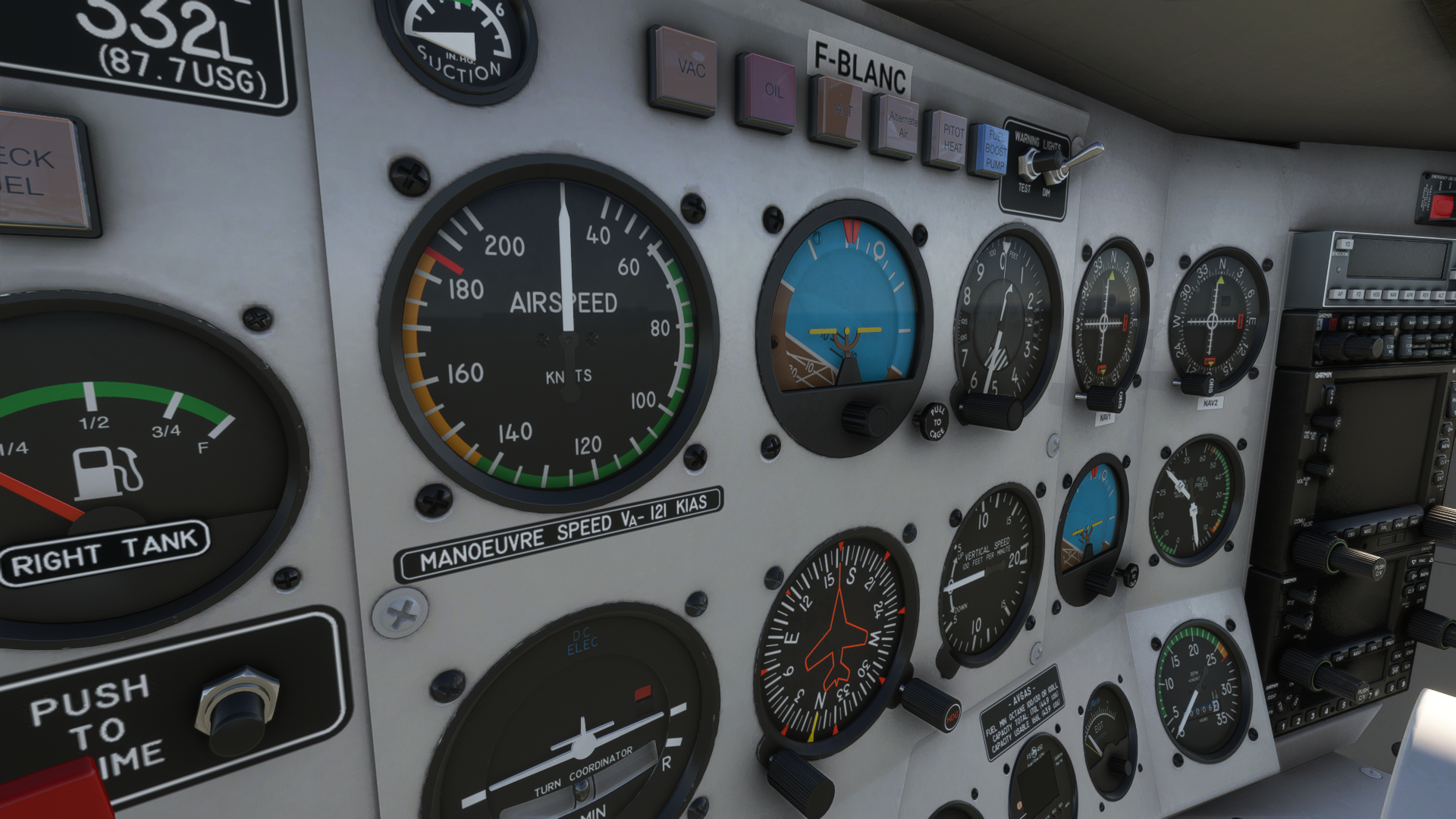
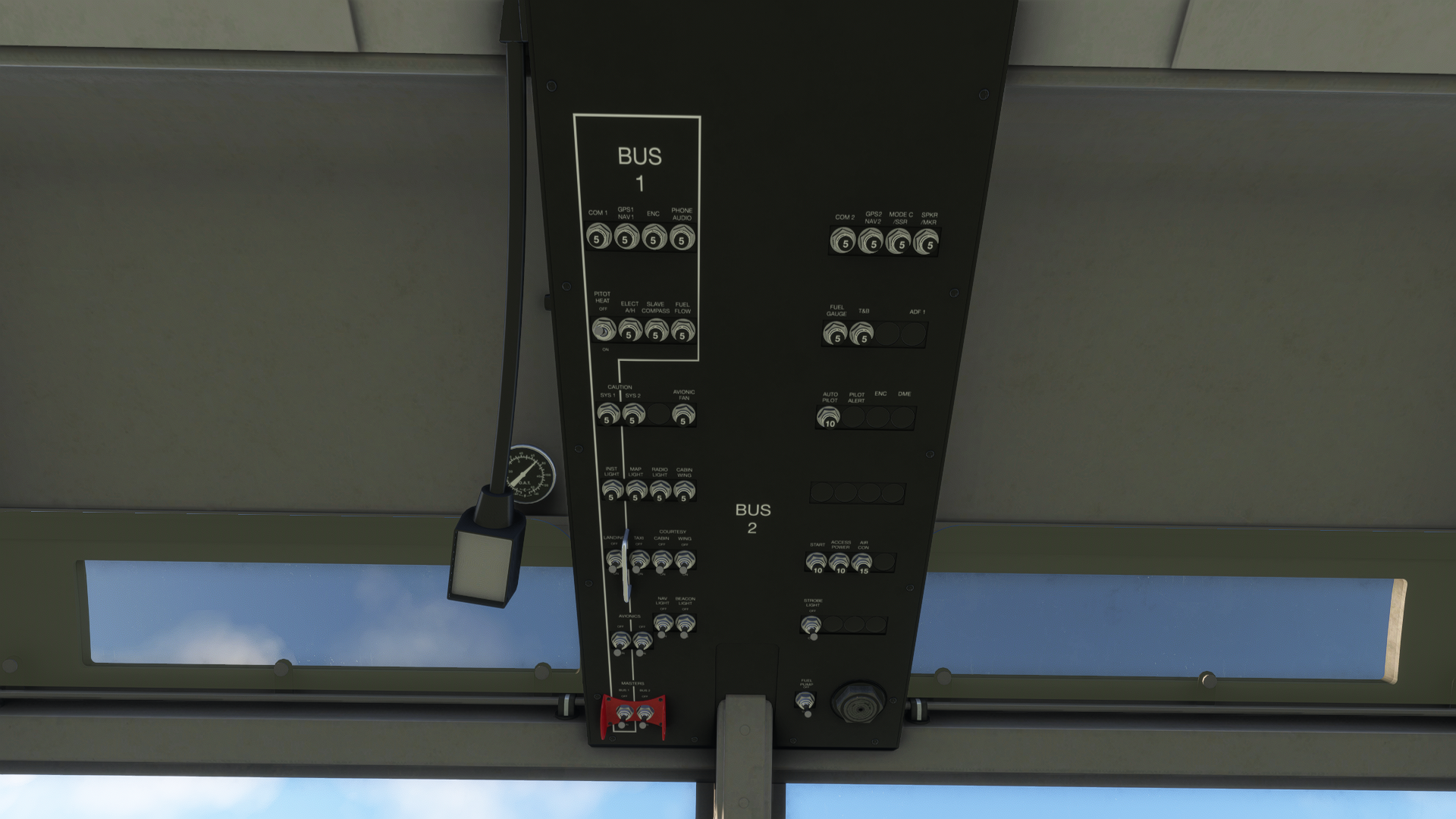
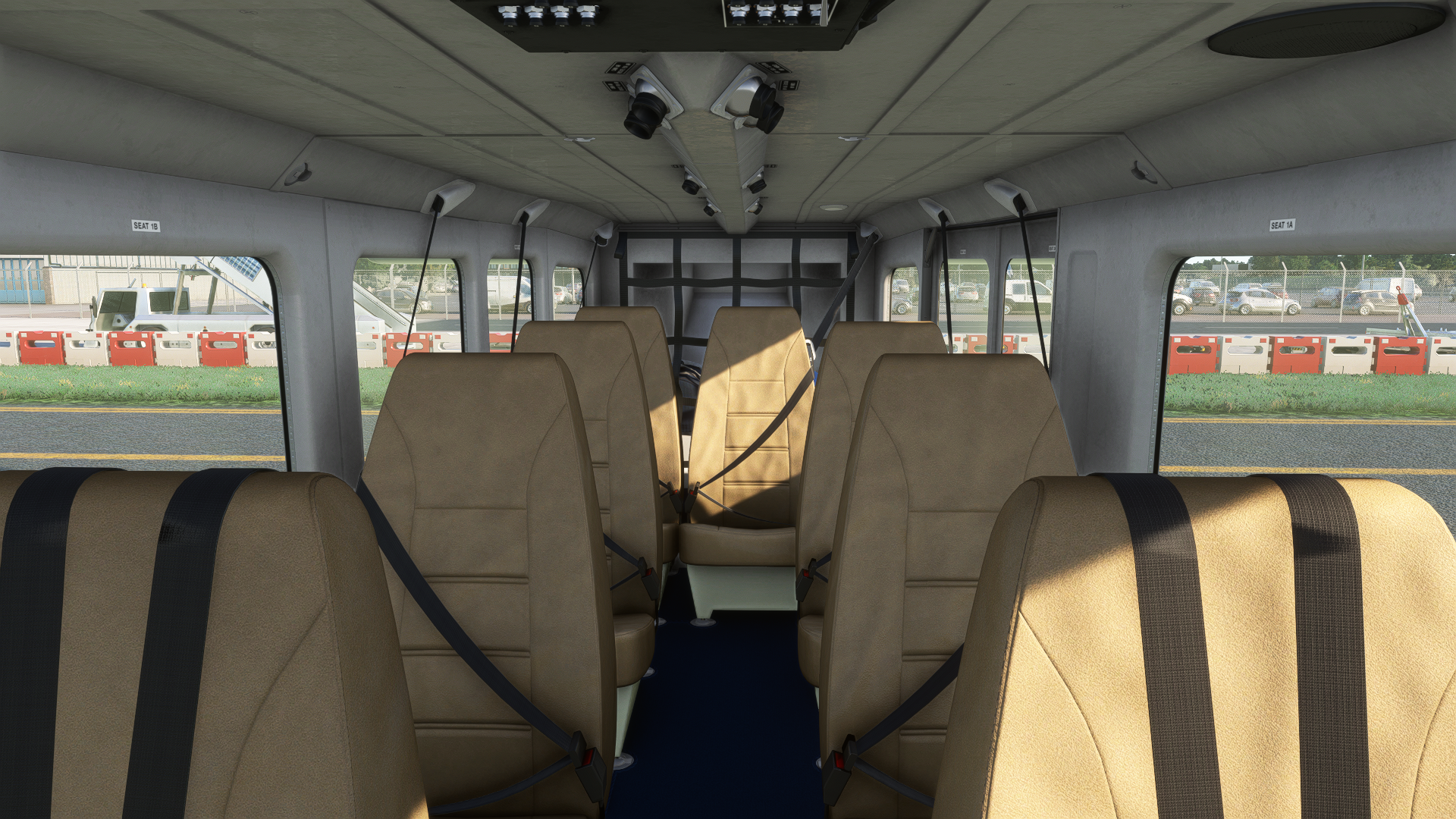
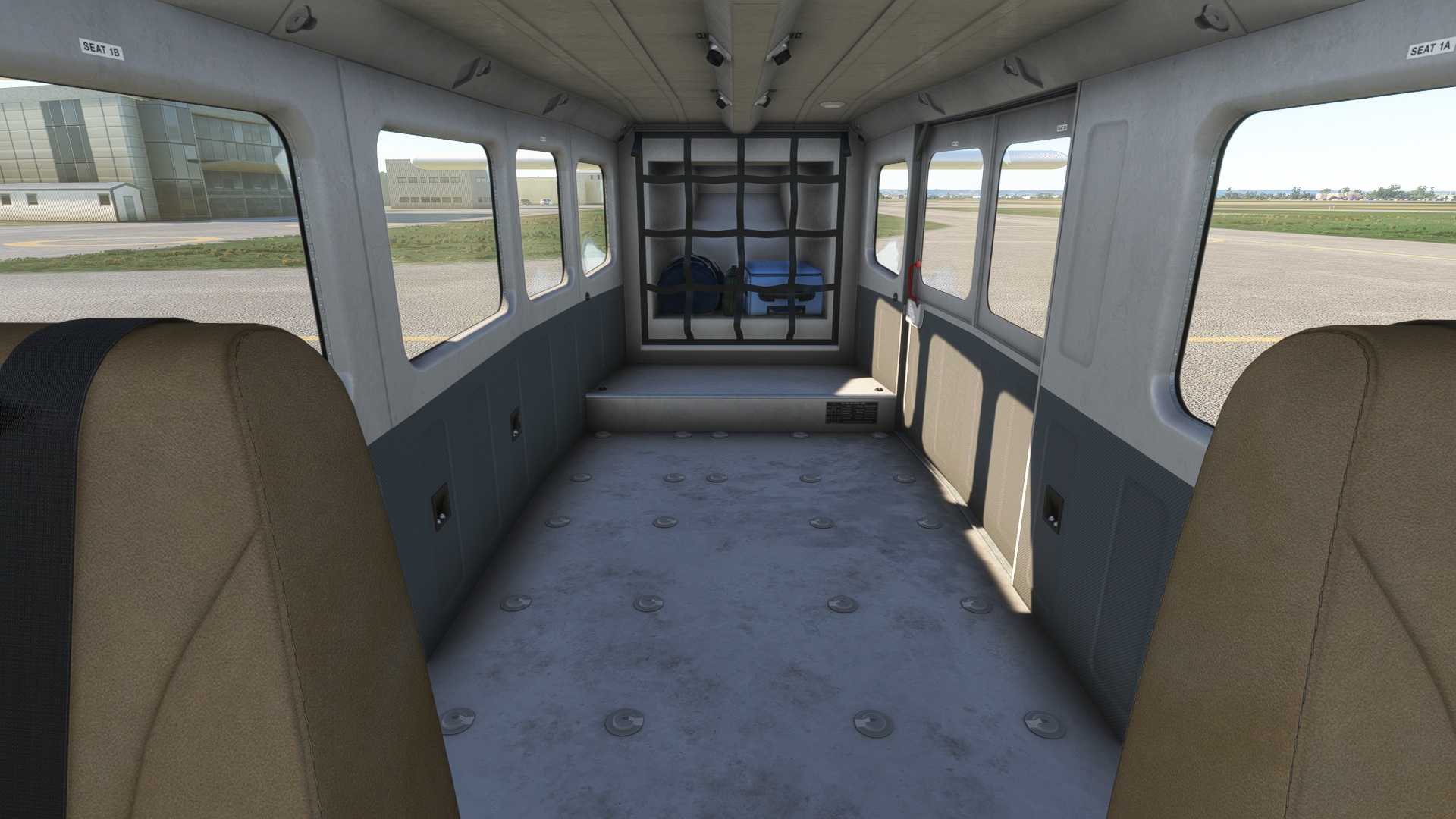
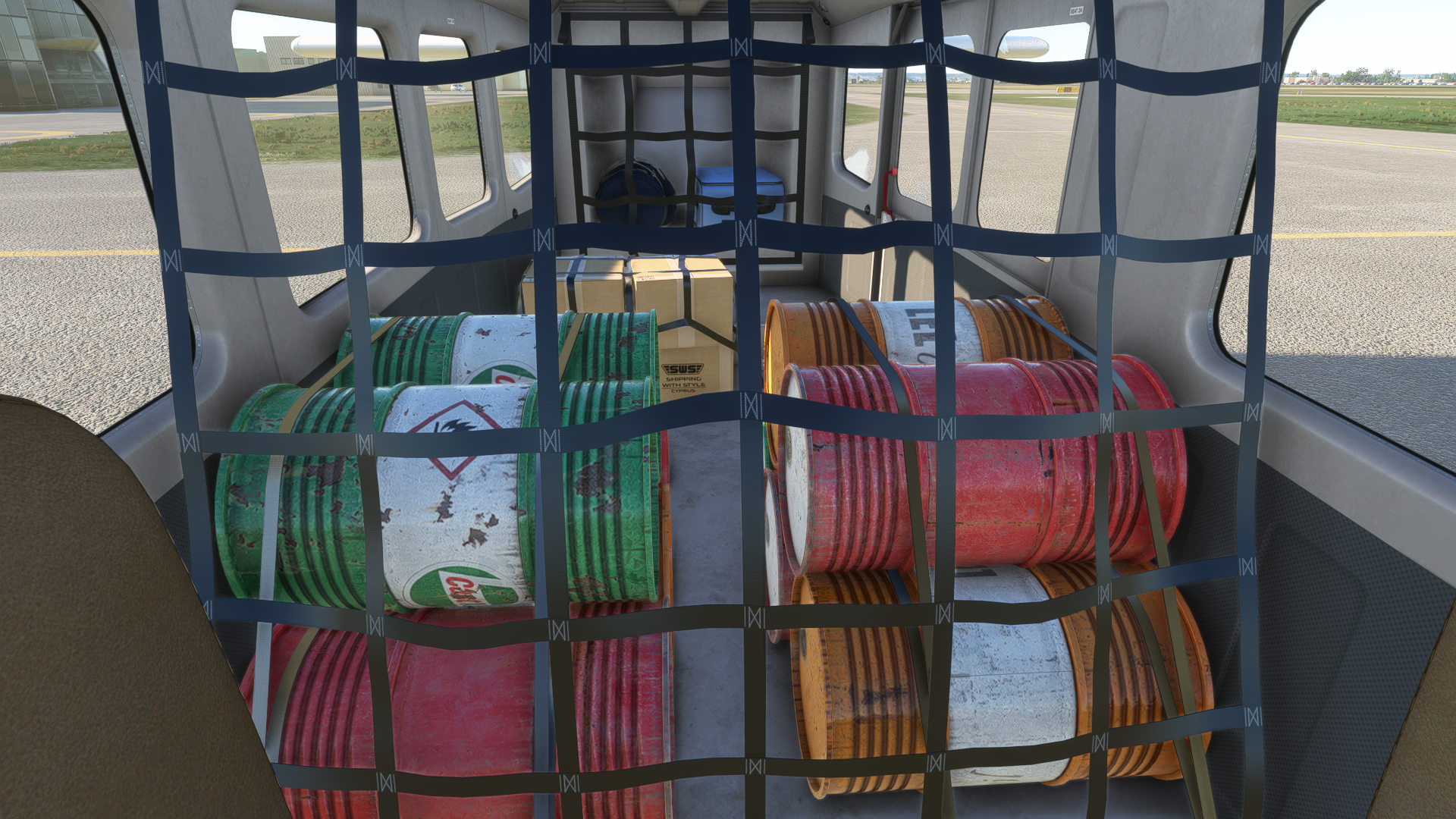
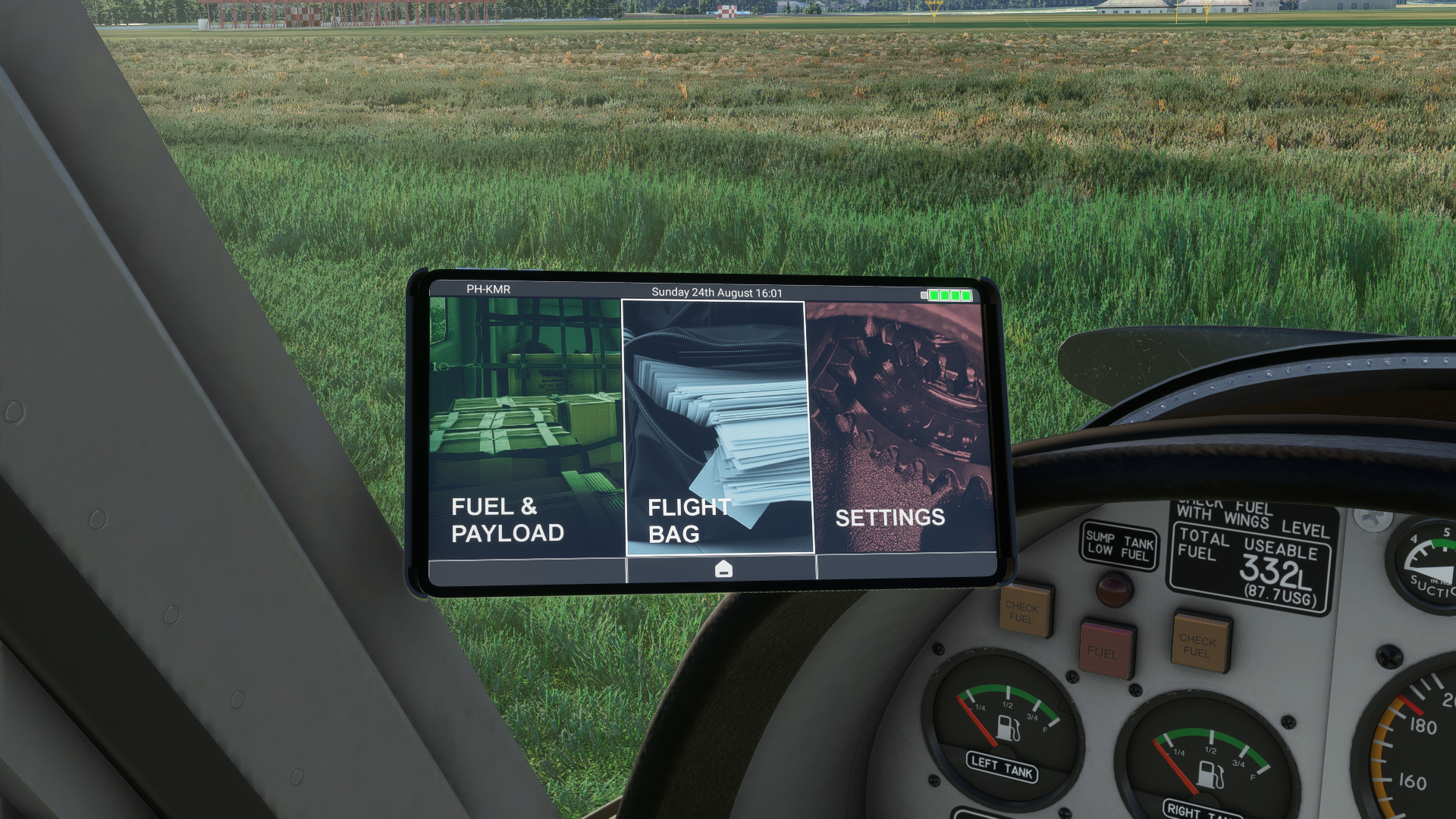
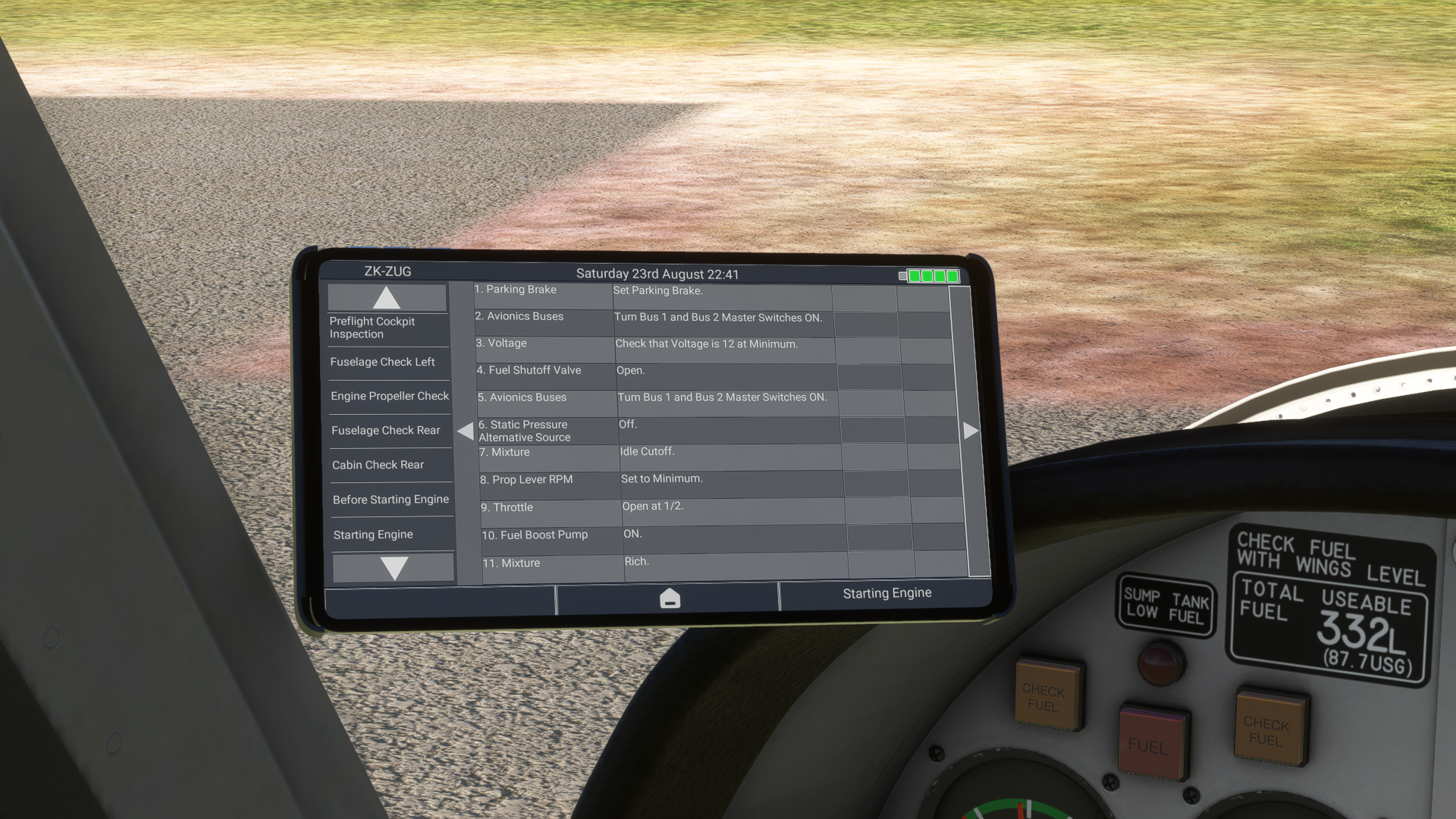
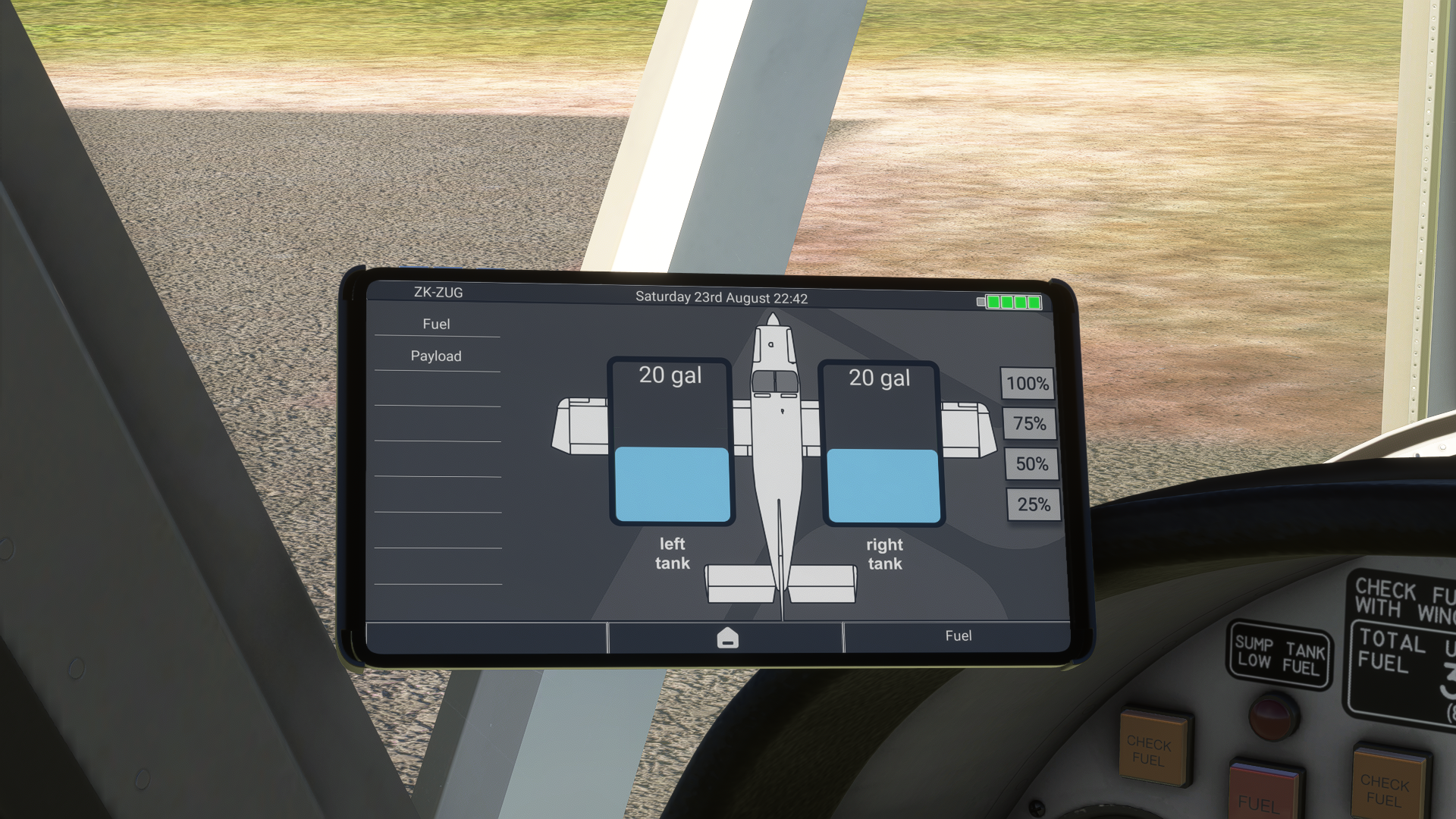
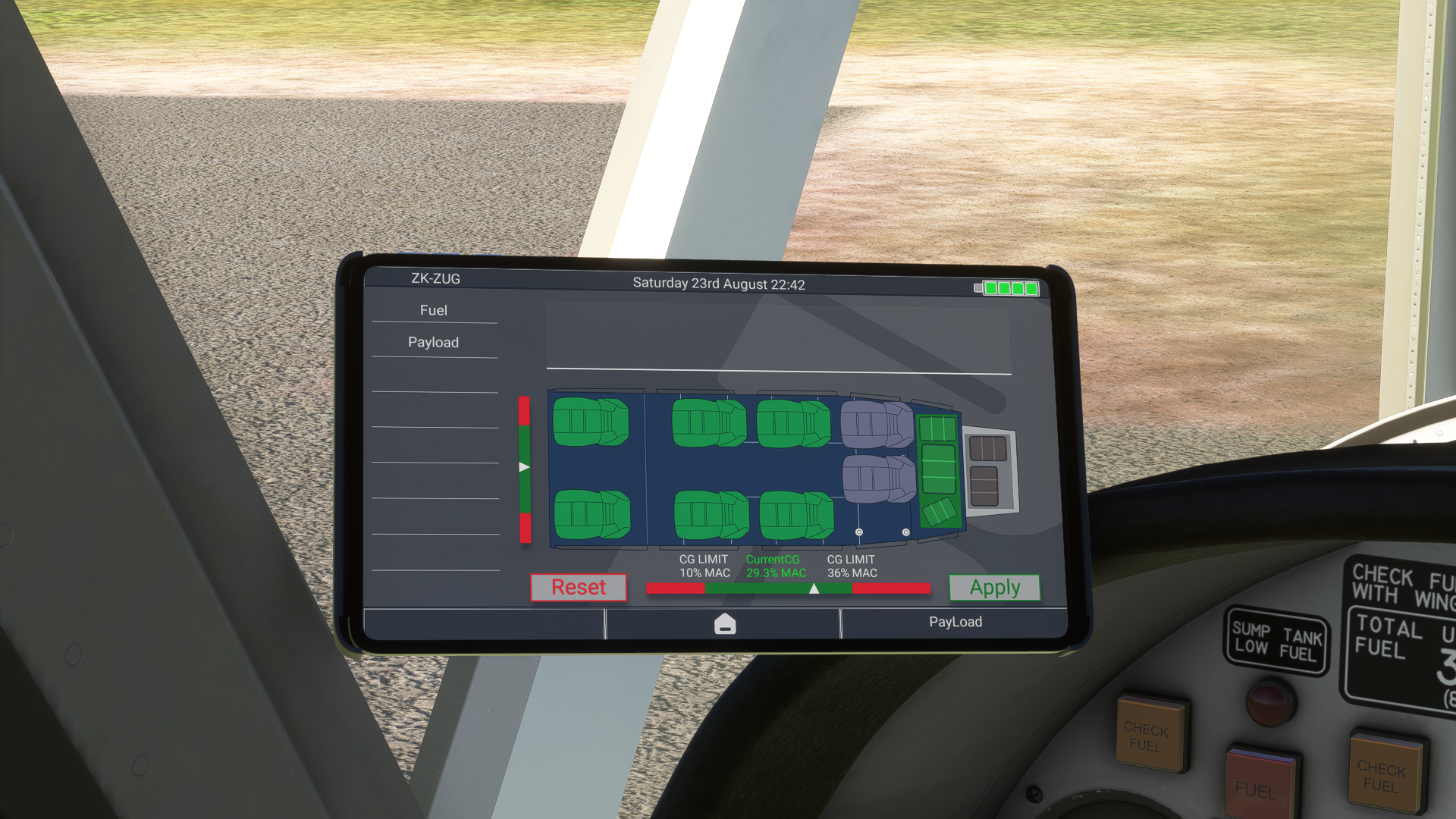
Payload, fuel, checklists, manuals, and settings can all be found on the EFB. Loading passengers is as simple as clicking on the seats and baggage areas that you want occupied, and to load cargo, you click on the cargo type you want to load and then click where you want it to be placed. From the settings, you can choose what GPS option you’d like (WT GNS, PMS GTN, TDS GTNXi), whether you want visible cargo, and whether or not you want to disable the walkaround feature. If you have the SystemsPulse package installed, you can also manage your failures and wear and dirt accumulation rates here.
Taking It for a (Not Literal) Spin
It’s time to start up and taxi the aircraft, and starting up a fuel-injected piston engine can be more complicated than you might think. Generally, you have to use the fuel pump to put some fuel into the engine, but not too much, or you might flood it. Then, with the mixture out, you crank the engine until it starts, and only then do you push the mixture in. After you shut down the plane, the hot engine vaporizes the fuel in the fuel lines, which makes it more difficult for liquid fuel to reach the cylinders; a condition known as vapor lock.
With SystemsPulse installed, I was expecting to have to do this procedure in the Airvan to be able to start it up, but sadly, it seems that startups aren’t simulated correctly, as I was able to start up the aircraft every time without even priming by just having the mixture rich and throttle cracked. Vapor lock is supposed to be simulated, but I was easily able to start up the engine after shutting it down and letting it rest for a few minutes, which tells me that it may not actually be simulated, or it’s not working. The same can be said for engine flooding; despite pumping fuel into the engine for way longer than I should, it still started up just fine.
Apart from this technical miss, the plane does behave authentically during startup. You can see the starter hesitate to crank the engine as it begins to move, and the fuselage and gauges shake as the engine comes alive. Taxiing the Airvan also feels great, as you get to see the plane move with every little bump on the surface, especially when taxiing off-pavement.
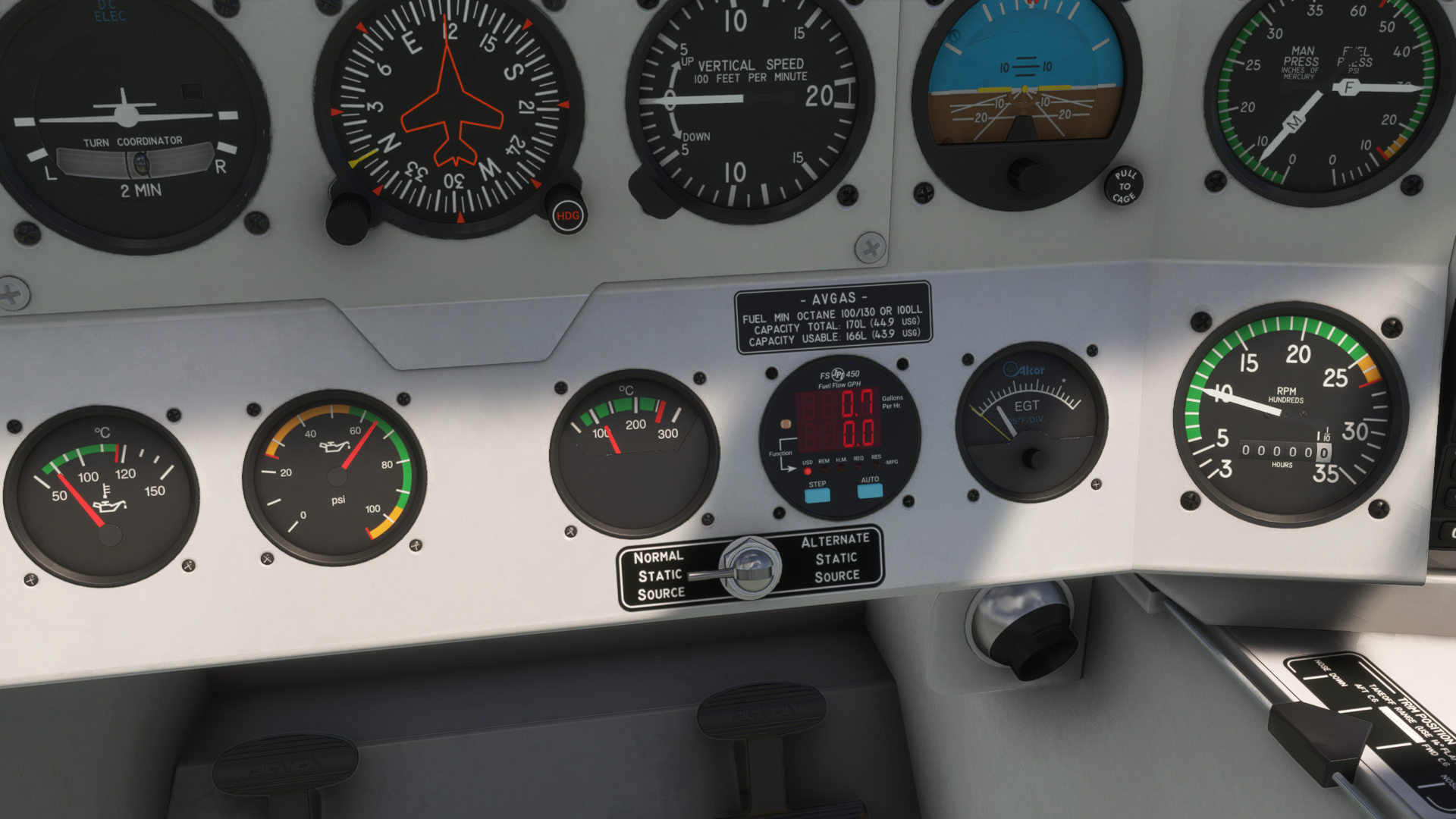
Advancing the throttle for takeoff, you get to hear the amazing sounds that SWS has recorded for the Airvan. The engine sounds identical to the real aircraft’s, and when taking off on soft surfaces, the rattling sounds, along with the whole aircraft shaking, really immerse you in the moment.
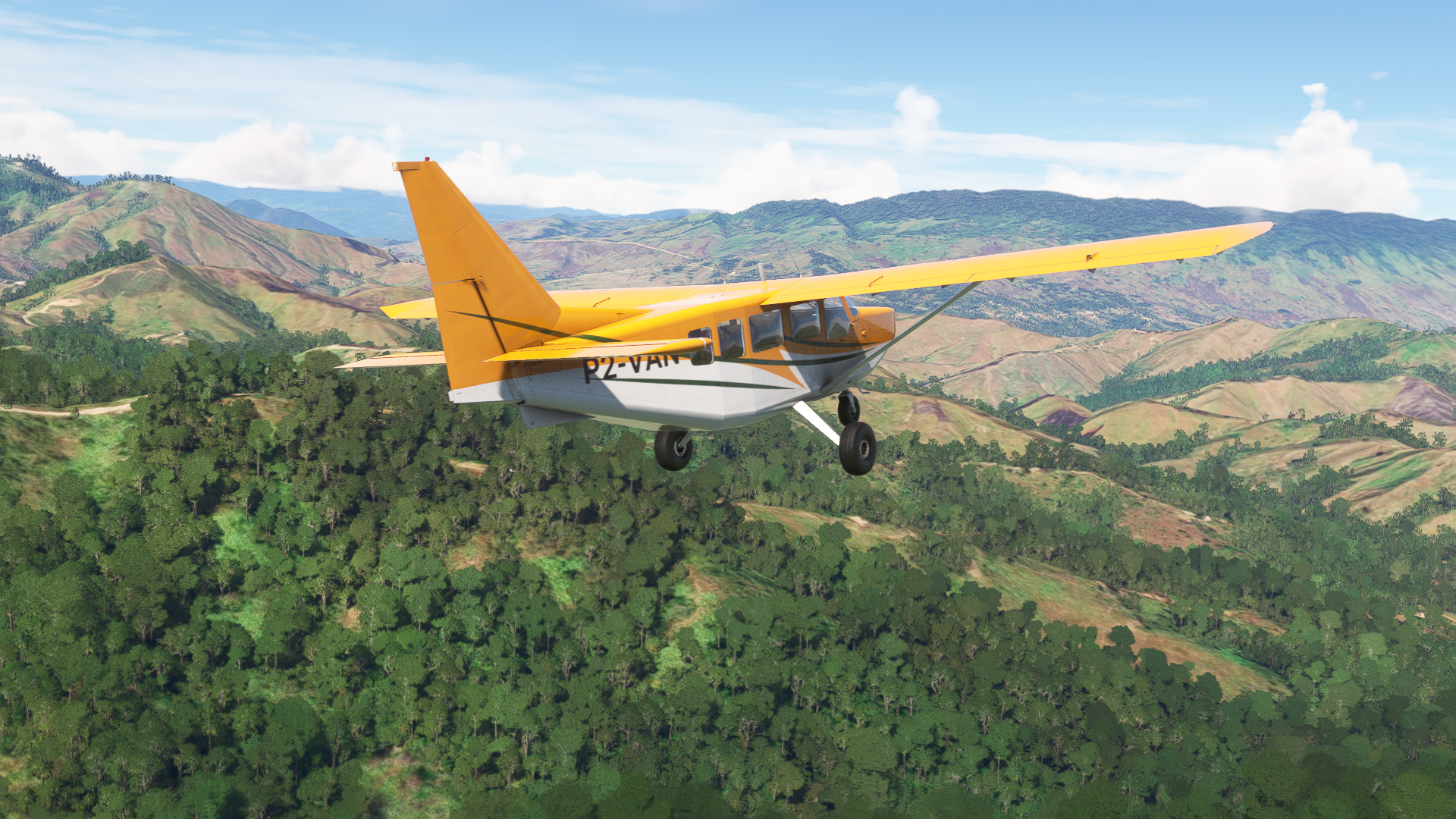
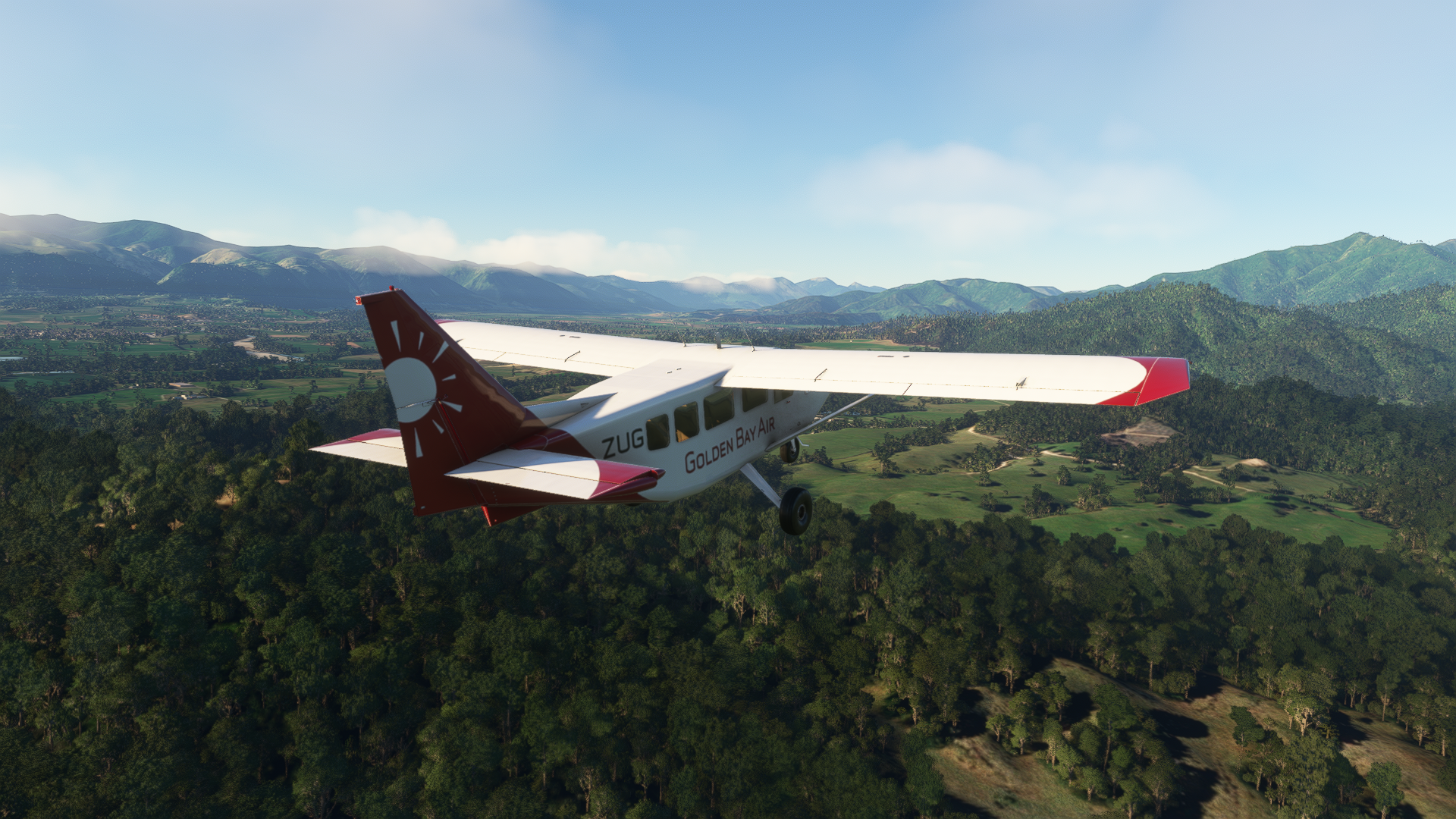
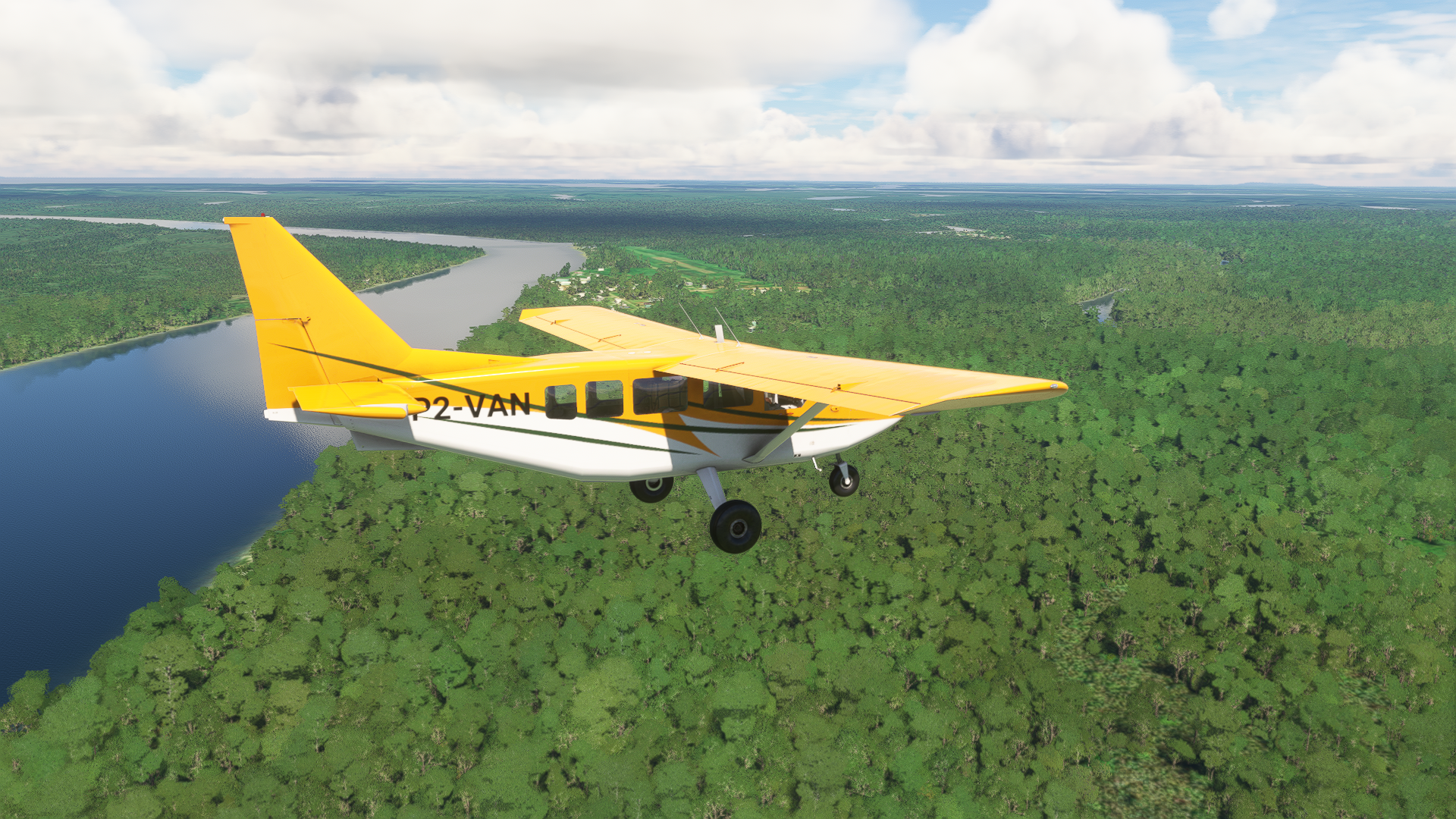
The Airvan’s handling has been described as ‘docile’ by those who’ve flown it, and you can definitely feel that in the simulator. The GA-8 handles a lot like a Cessna 172 or 182, and even somewhat matches those two in performance, as the cruise speed is about 120 KTAS. Stalls, thanks in part to the large tail keeping things stable, feel as forgiving as in a trainer aircraft. One very minor complaint I have is that the trimming is a little too sensitive, which makes it difficult to level out when hand-flying, though this is a very common problem among simulator aircraft in general.
Failures
With the SystemsPulse package, the Airvan has a large set of failures that can either be manually triggered or could happen organically as a result of wear or mistreatment. Since I didn’t have enough time to wait for these to happen from use, I decided to try out the failures by manually triggering them, just to see if some of the expected behaviors are accurate. Failures and maintenance can be accessed from the failures menu in the EFB, where you can also change the wear rate, refill the oil, and give the plane a wash.
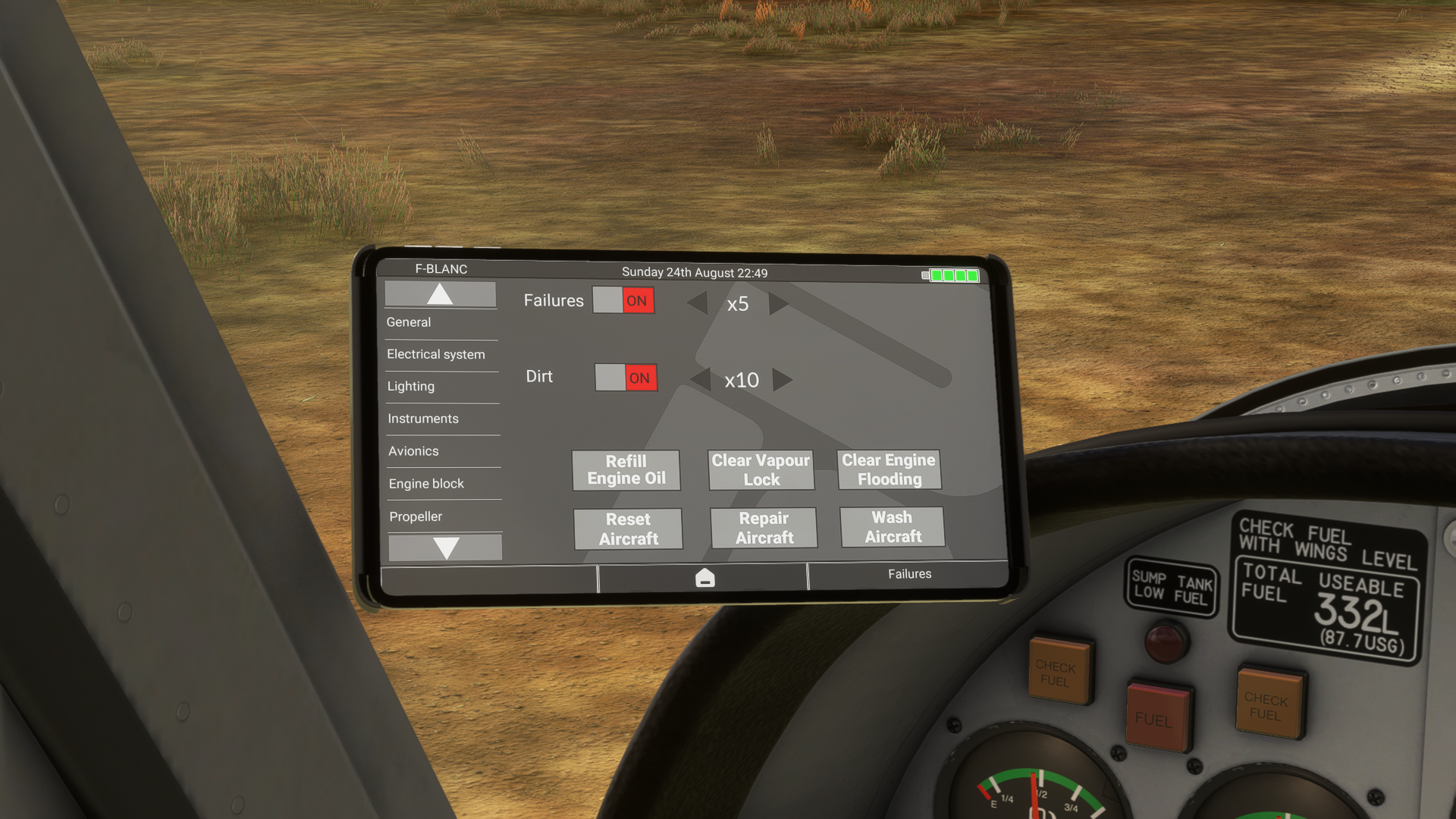
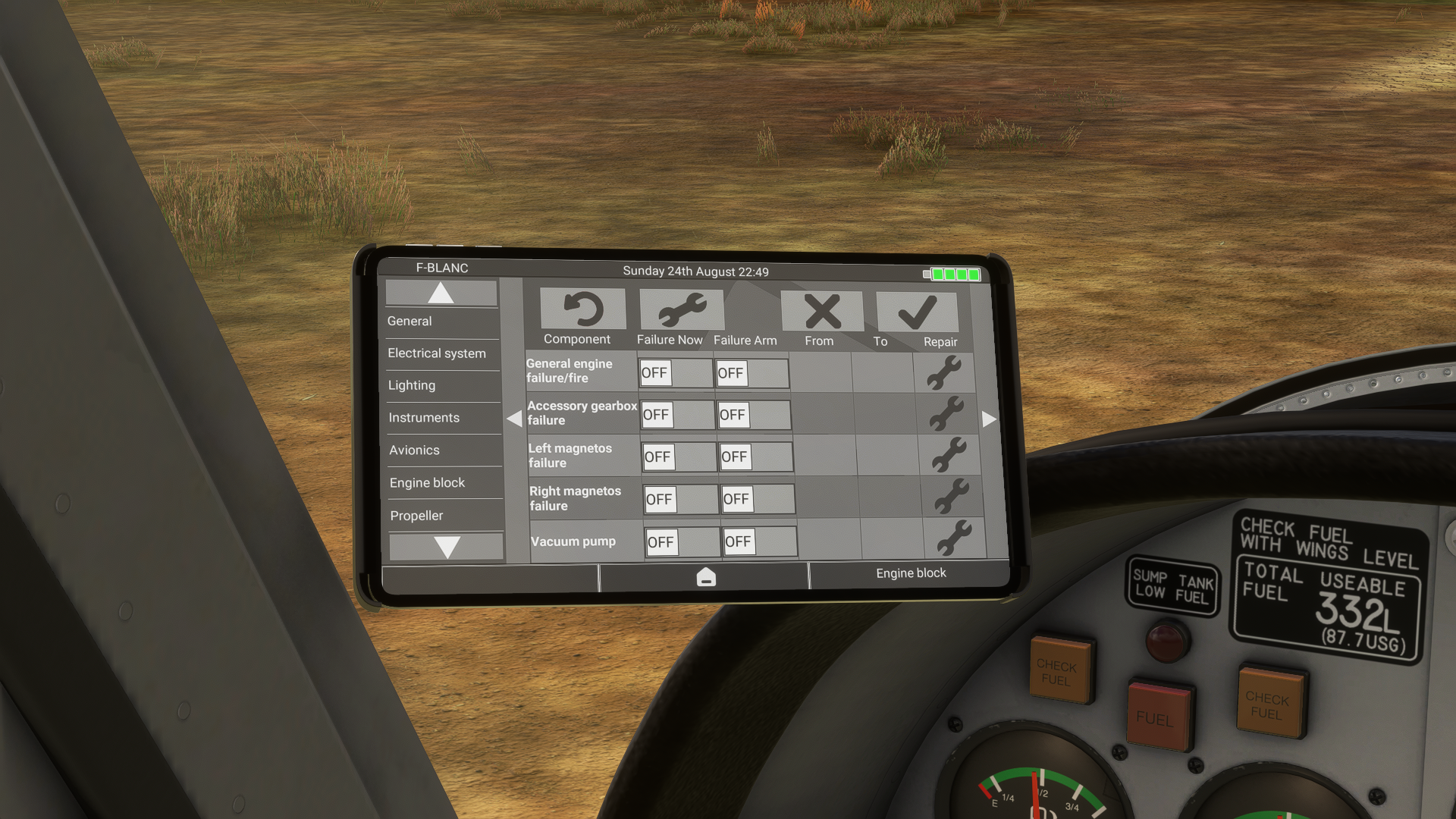
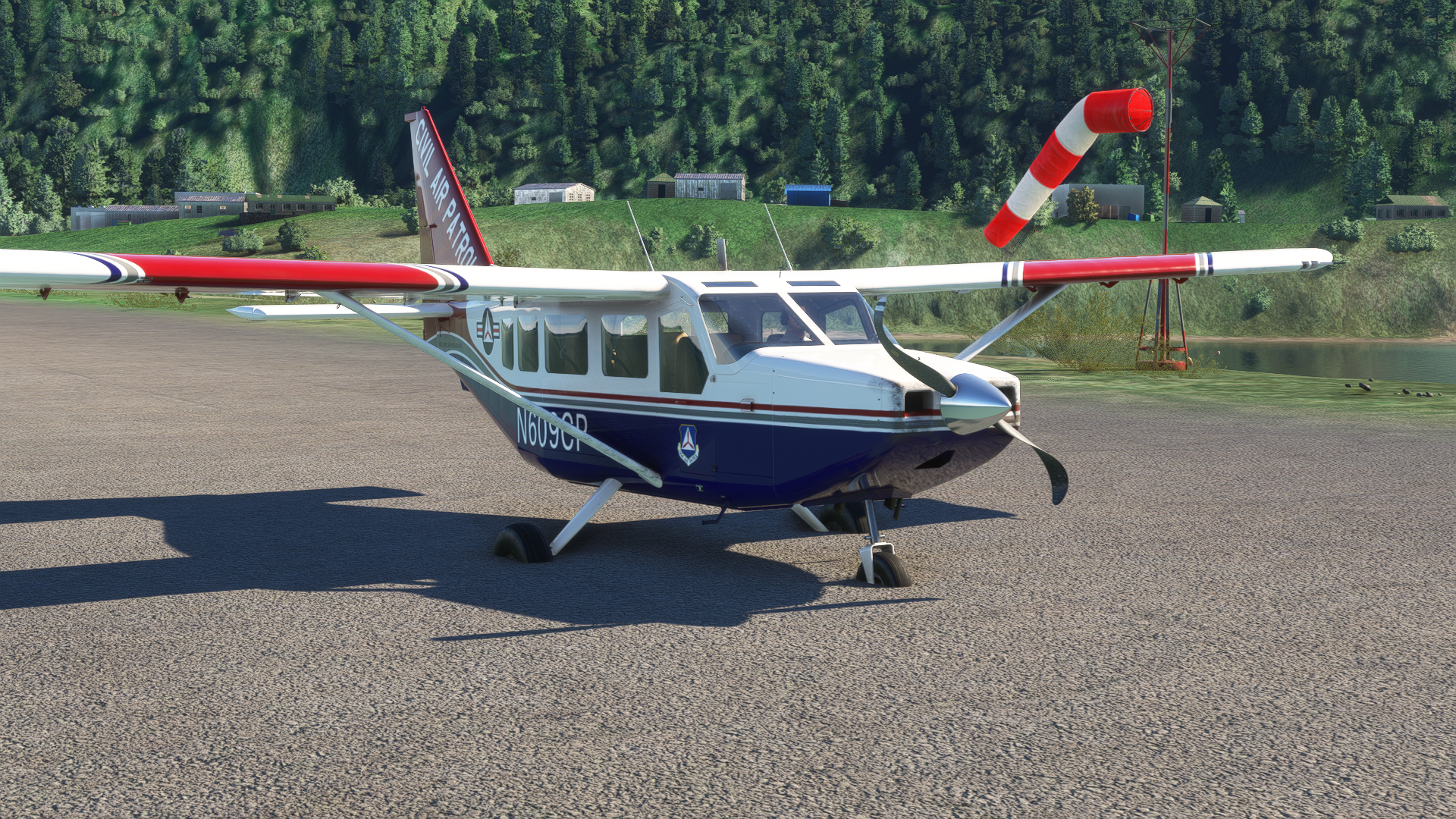
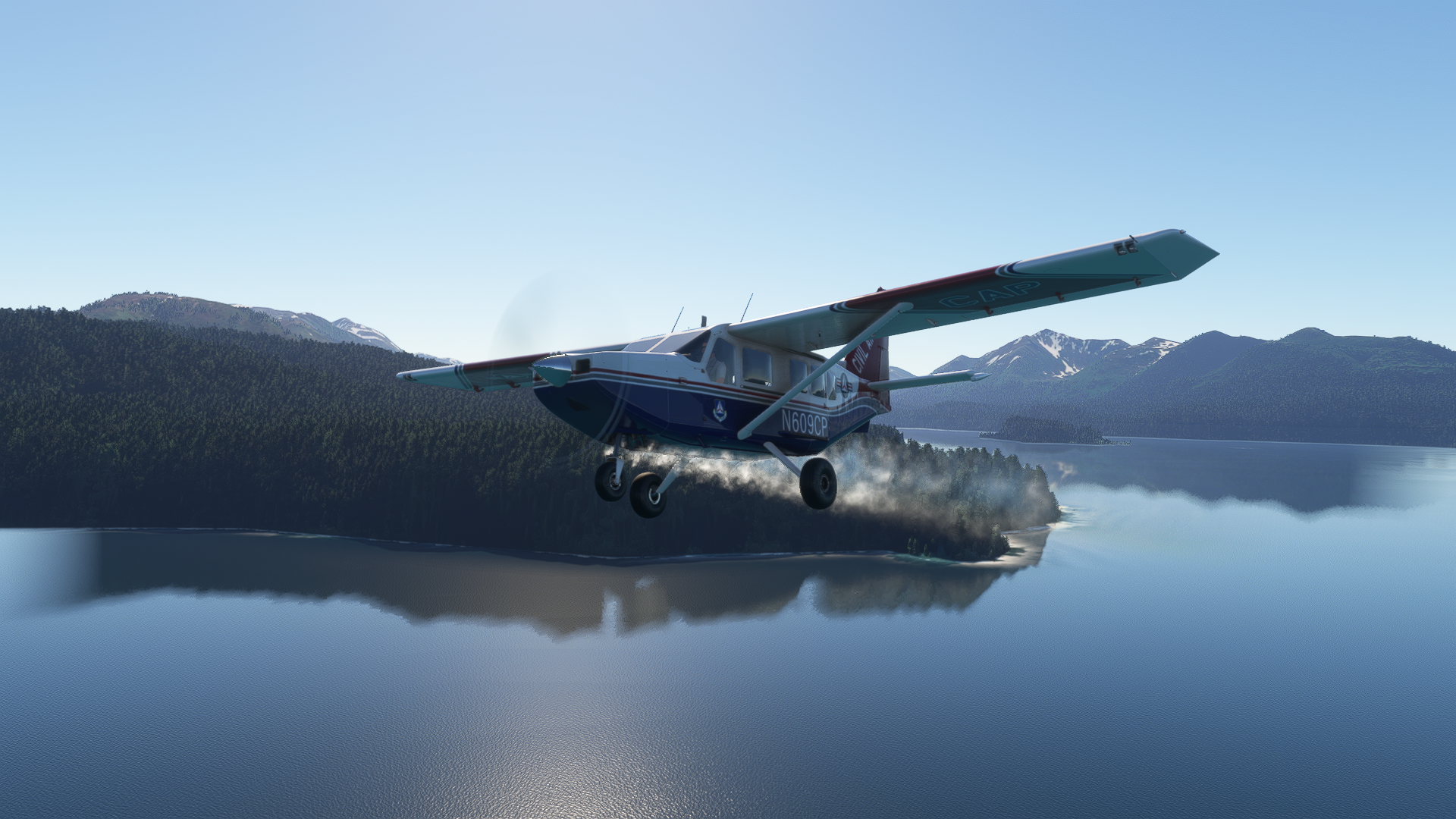
I tried failing some of the cylinders, which did result in the engine fluctuating and producing much less power; visually, white smoke could be seen from the outside. A governor failure, expectedly, rendered prop control useless and allowed the engine to overspeed, which caused my alternator to also fail as a result. An engine pump failure caused the engine to shut down, with a restart only being possible when using the auxiliary pump. The spark plugs are supposed to be able to foul, but I wasn’t able to make this happen organically; still, when manually enabling spark plug fouling, the engine had the expected fluctuations during magneto checks. Hard landings will result in the gear failing, the nose digging into the ground, and the prop bending from striking the ground.
SWS claims that some parts failing can also cascade and cause others to fail, which seemed to be what happened with the alternator when I oversped the engine after failing the governor. Overall, while I didn’t go very in-depth into testing the failures, what I see indicates that they are generally accurately simulated.
Value and Conclusion
The base SWS Airvan is available for $29.99, and the SystemsPulse add-on is available for $17.49. I think making the advanced features and systems available as a separate purchase is a good idea, as it makes the base aircraft more accessible for the casual simmers who are not as interested in deep systems, while also keeping them as an option to those who do want them. The total price with Systems Pulse comes to $47.48, which, although slightly expensive, I think is a fair price for the level of detail offered by this aircraft.
I was rather impressed by the SWS GA-8 Airvan. As mentioned earlier, it’s not a plane I was very interested in at first; however, when love is poured into a project, it’s infectious, which is why I’ve grown to really like the Airvan. I own SWS’s Kodiak and PC-12, and I am happy to see that the developers are starting to go even more in-depth with systems and the overall quality of the aircraft they release. Although I don’t think it quite reaches the levels of some of the best that the GA scene has to offer, the Airvan with SystemsPulse still feels way more alive than most GA aircraft available for MSFS. If you are someone who enjoys bush flying and GA aircraft, I’m sure you will be satisfied with the SWS Airvan.
Feel free to join our Discord server to share your feedback on the article, screenshots from your flights or just chat with the rest of the team and the community. Click here to join the server.