The developer Flight Sim Labs has released another update improving their A321 Series for Microsoft Flight Simulator 2020 and 2024. This update is mostly focused on flight management, guidance, ground operations, and even home cockpit hardware support.
The biggest improvements were received by the Flight Management System with this update. There are many improvements to both the lateral and vertical navigation, predictions, airways, and performance. All of these aspects will be more accurate and better resemble the aircraft’s real counterpart.
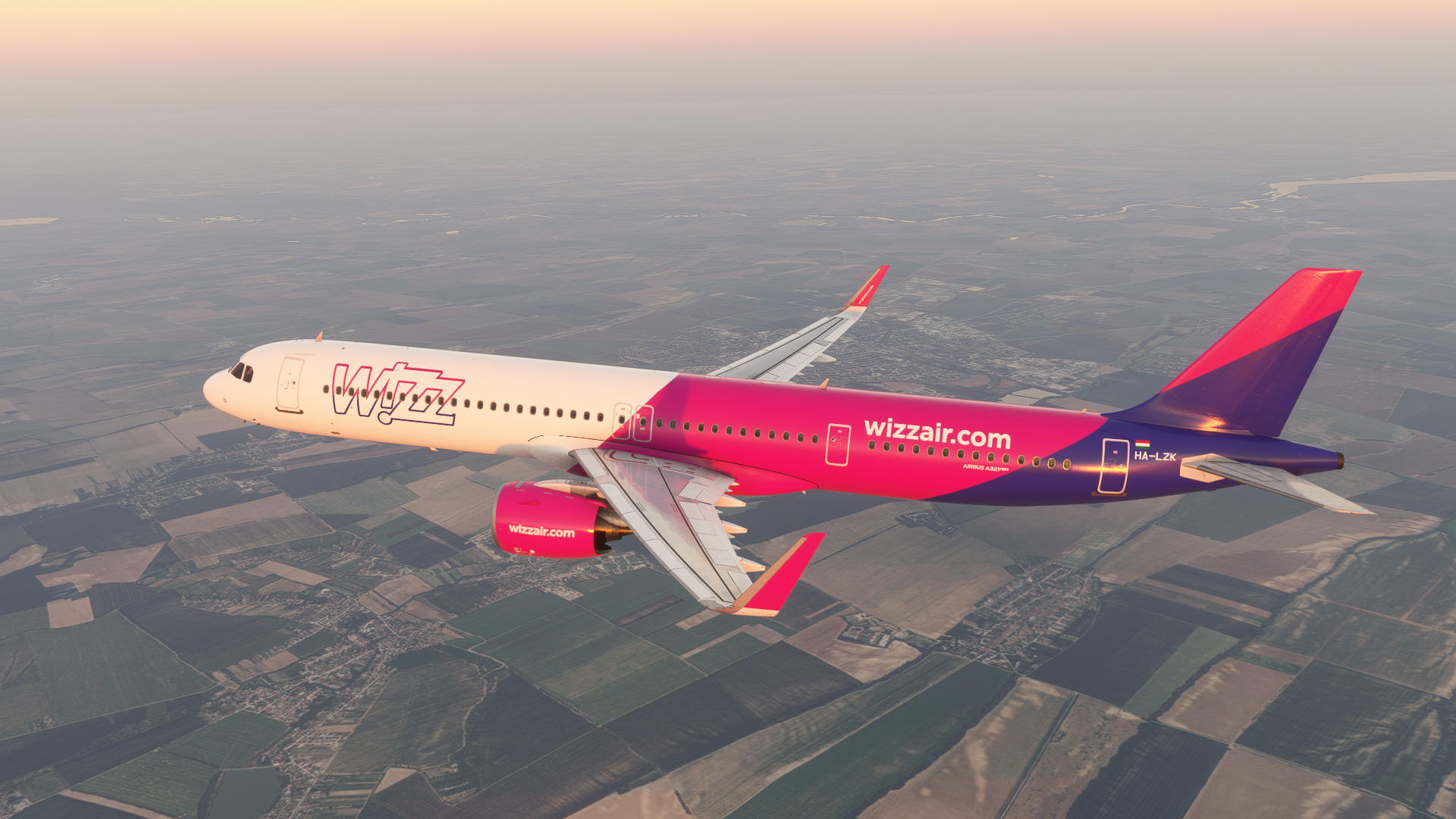
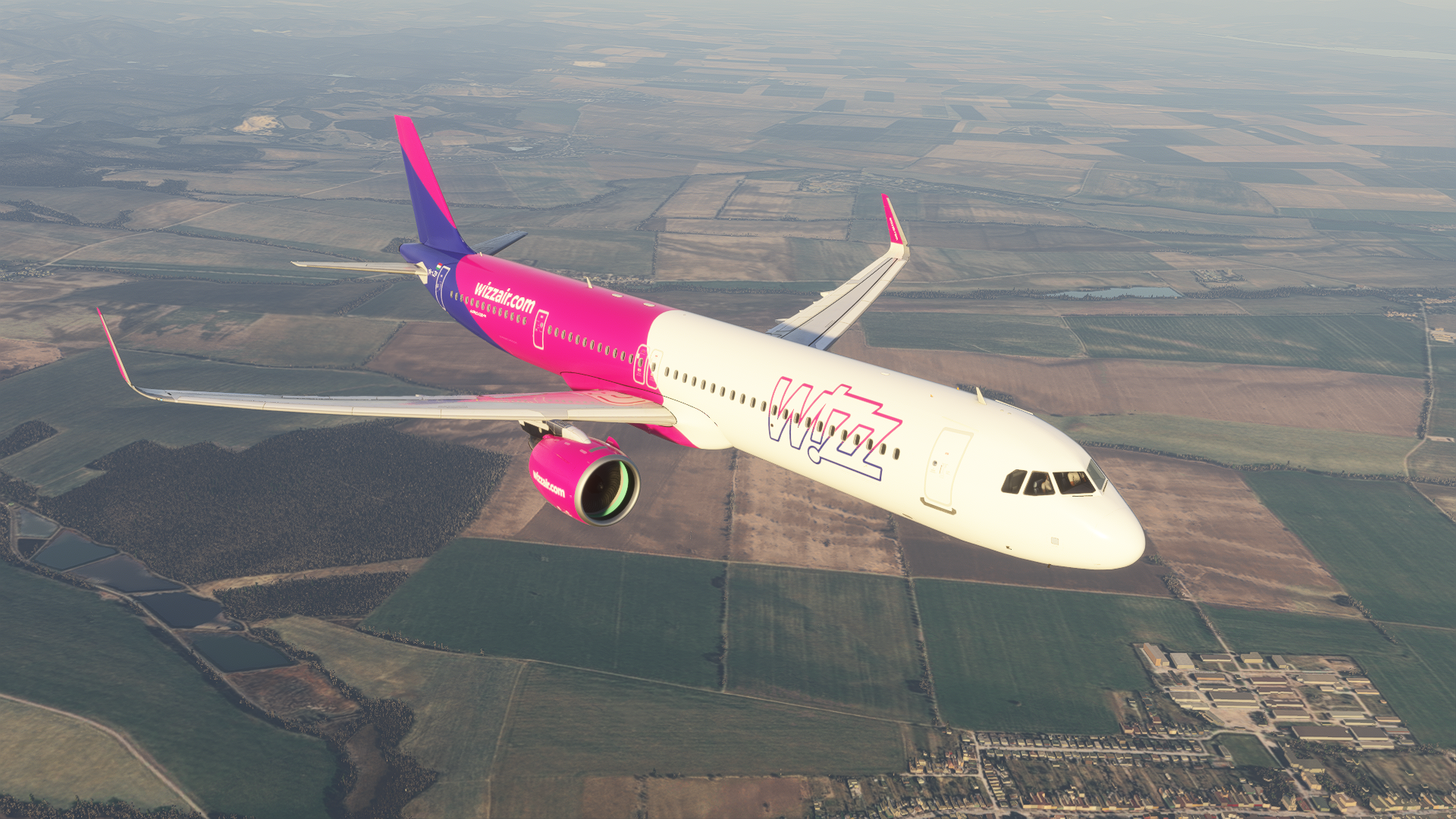
The flight guidance and aircraft handling in both the A321 CEO and the A321 NEO received a major overhaul. Both planes will now have a better pitch behaviour, drag curves, yaw stability and ground handling. The autopilot has been improved as well, with better flight director tracking, initial descent behaviour before T/D, and other predictions through the whole system. This will ensure a smoother ride for virtual pilots of this aircraft.
The EFB wasn’t overlooked either, and there are improvements to the Navigraph map behaviour, loading times and stability. The GSX integration has been updated as well, improving a variety of features, such as stand matching, ground service handling, and better use of remote mode.
The update also improves online connectivity with networks, using new European CPDLC formats and vPilot integration. The ATSAW support has been improved with FSLTL traffic, which will ensure proper showing of callsigns on the display.
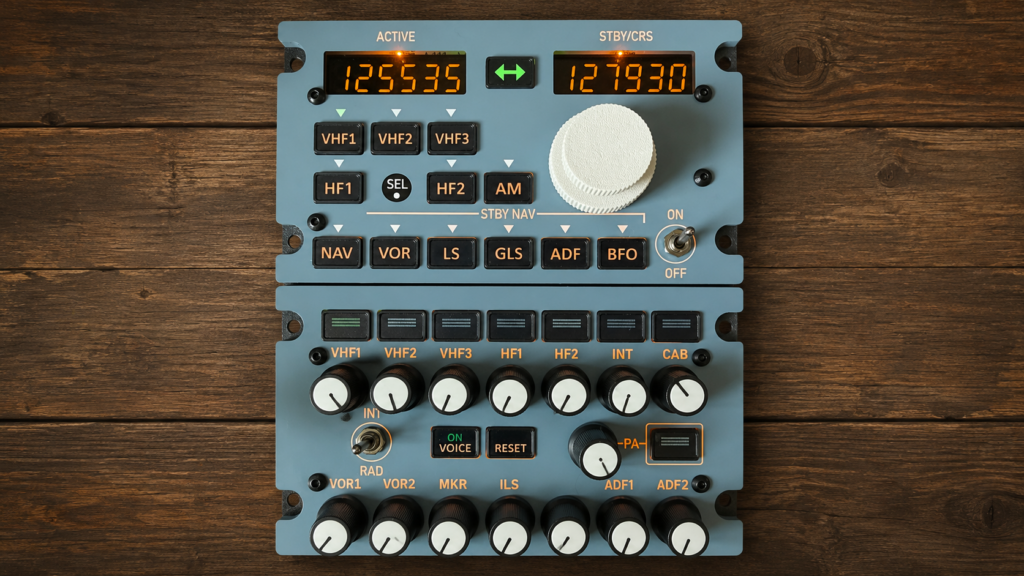
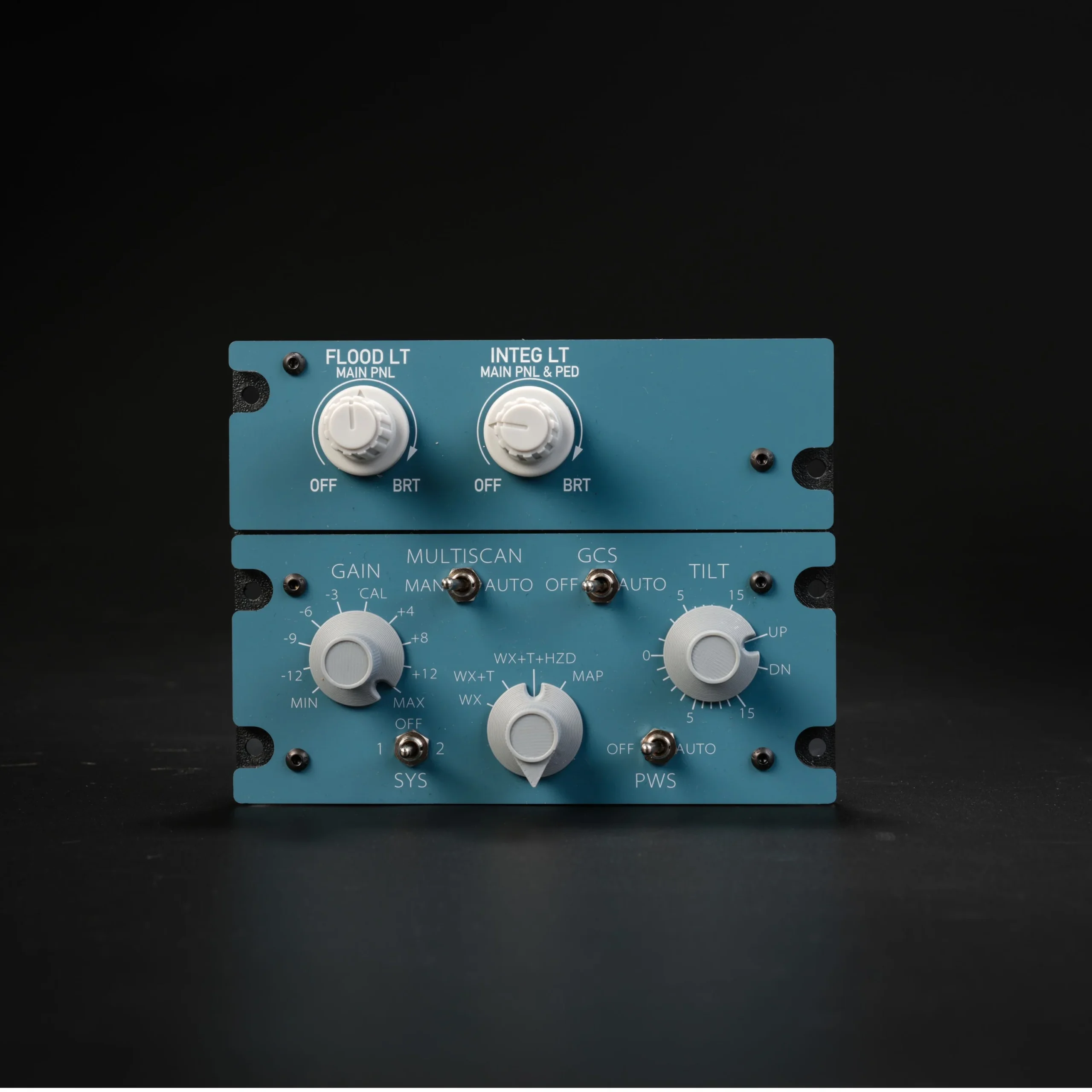
FSLabs also aims for better hardware support with physical units and their A321 series. This is created using new SimConnect events, which will cover GPWS, panel lighting, weather radar, cockpit door controls and overhead. Additionally, Rowsfire and WingFlex have received their own integration with the FSLabs A321 Series. This will create an immediate integrated support with the WingFlex overhead unit, and the Rowsfire A111 and A112 radio and weather panel units.
Lastly, the FSLabs A321 NEO and A321 CEO have received visual and audio improvements. The 3D model has received updates to areas such as the wings, flaps, slats, wheel textures, door logic and the VR cursor behaviour. The sound environment has received low-frequency tweaks, surround sound features and accurate rain behaviour.
The update is available now through the FSLabs Control Center under the Experimental channel. If you would like to read how the FSLabs A321 flies, make sure to check out our review of the NEO version here.
Feel free to join our Discord server to share your feedback on the article, screenshots from your flights or just chat with the rest of the team and the community. Click here to join the server.