JustFlight took to their blog earlier this week to publish a new development update on their upcoming rendition of the Fokker F70 and F100 for Microsoft Flight Simulator 2020 and 2024. The latest developer update also included a comprehensive trailer of the in-development aircraft.
Glass Cockpit Challenges
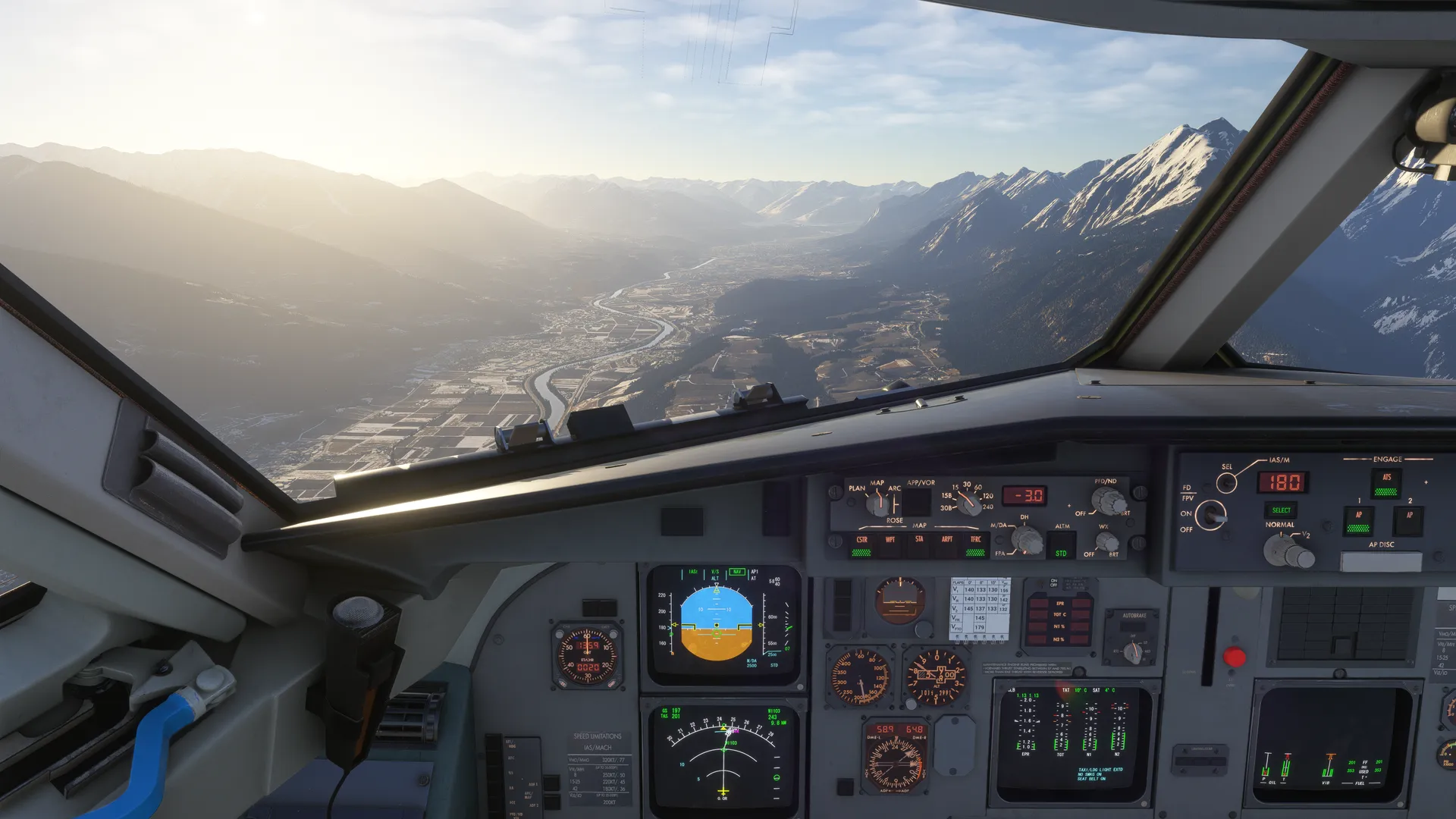
The team starts the dev update, mentioning the challenges and significant effort required in developing such an aircraft, one with a glass cockpit, due to many levels of code connections required for coordinated, smooth functioning. Since their previous update, the code for their AFCAS and FMS has been refined.
The “modern” glass-cockpit-aircraft with a LNAV and VNAV has many features, such as the aforementioned AFCAS, FMS, EFIS displays, and the flight model are very finely integrated with each other as well as heavily reliant on external variables. So much so that every small change to the code of one component can have cascading effects on different sections of code, requiring extensive testing. The team is finally close to a solid build that they can support for many years to come, with the finish line getting closer.
Flight Model Refinements
The team then glossed upon the numerous refinements made to the flight model of the aircraft, with three key areas that are of significant importance. First is the high-altitude performance of the F70/100. The real-world F70 and F100 are powered by two Rolls-Royce Tay 620-15 engines, which were somewhat lethargic when it came to high-altitude flight, especially on the F100 with higher payloads. This is something that is reflected in the sim version and must be considered during flight planning, as it may be more efficient to fly at a lower altitude than to keep climbing.
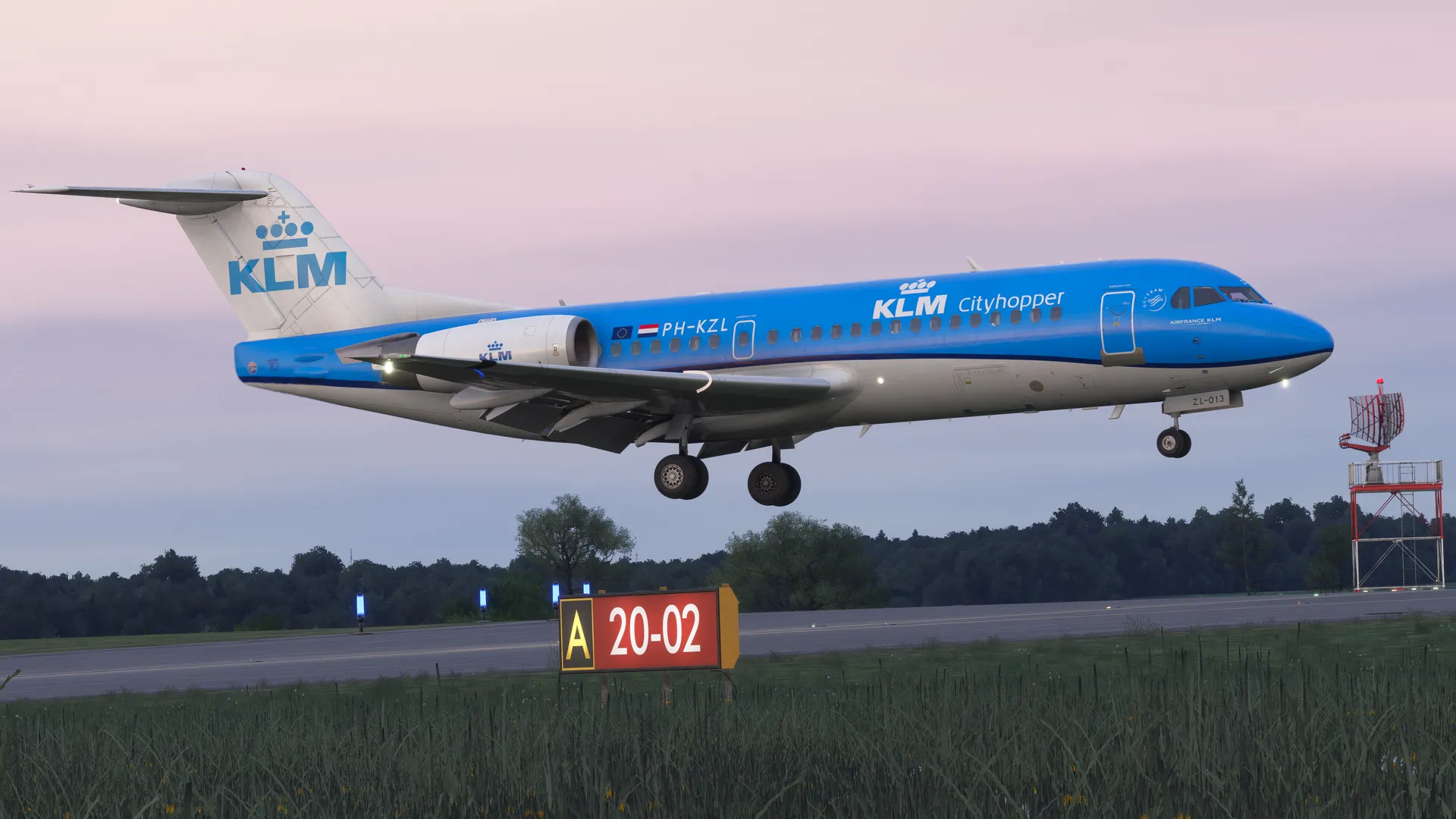
The second key refinement that has made its way into the aircraft is the flare behavior upon landing. Unlike the Fokker F28, which is of a similar configuration, it is not standard operating procedure to extend the speedbrakes over the threshold unless performing a short field landing. F70/F100 FCOMs recommend that the speedbrakes remain retracted during the entire approach. This procedure difference, along with the F28’s behavior, previously made the F70/F100 susceptible to ground effect, leading to floaty landings. This behavior, however, has been fine-tuned based on a vast collection of real-world cockpit videos.
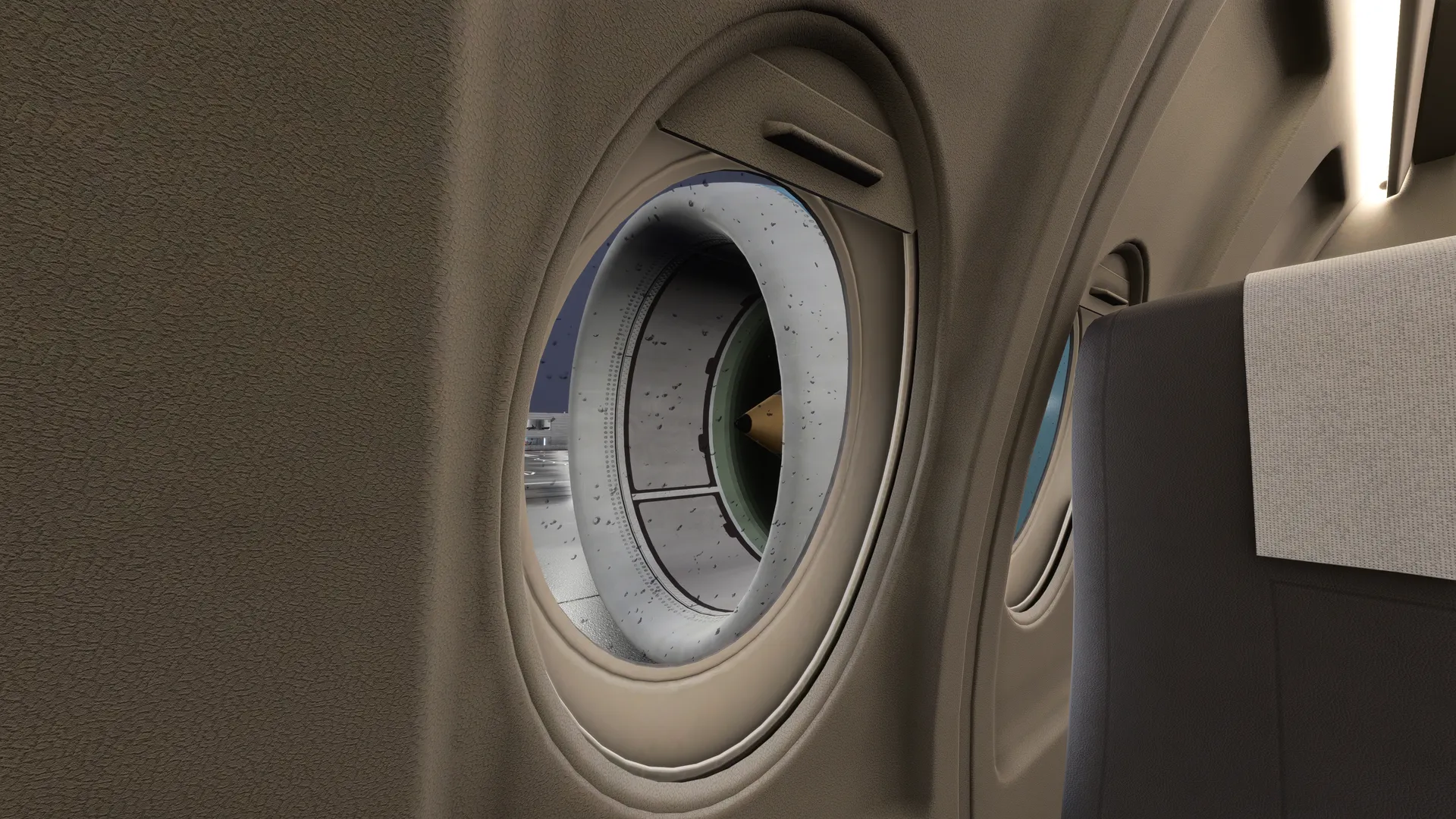
The third aspect of the aircraft that has seen refining is the engine parameters during engine start. In a previous development update, the developers showcased their own custom EPR (engine pressure ratio) simulation of the F70/100. One thing that the team noticed when implementing the soundset was that the engines’ N1 numbers were running a little too high at idle. This did not cause any issues with the physics or SOPs, but did affect the soundset, wherein the engine sounds were slightly out of pitch for the idle power setting. This has now been corrected, and accurate engine figures are seen at idle.
The developers have taken great care in curating the soundset and, in their opinion, surpass the fidelity of the Avro Vulcan B Mk.2, K2, and MRR that they developed for the platform. They have developed the soundset in such a way that you feel like you are in the presence of the aircraft; your body vibrating with low-frequency rumble, euphoria felt when reaching take-off power, and the iconic buzzsaw sound of the Tays overpowering everything else.
Closing Notes
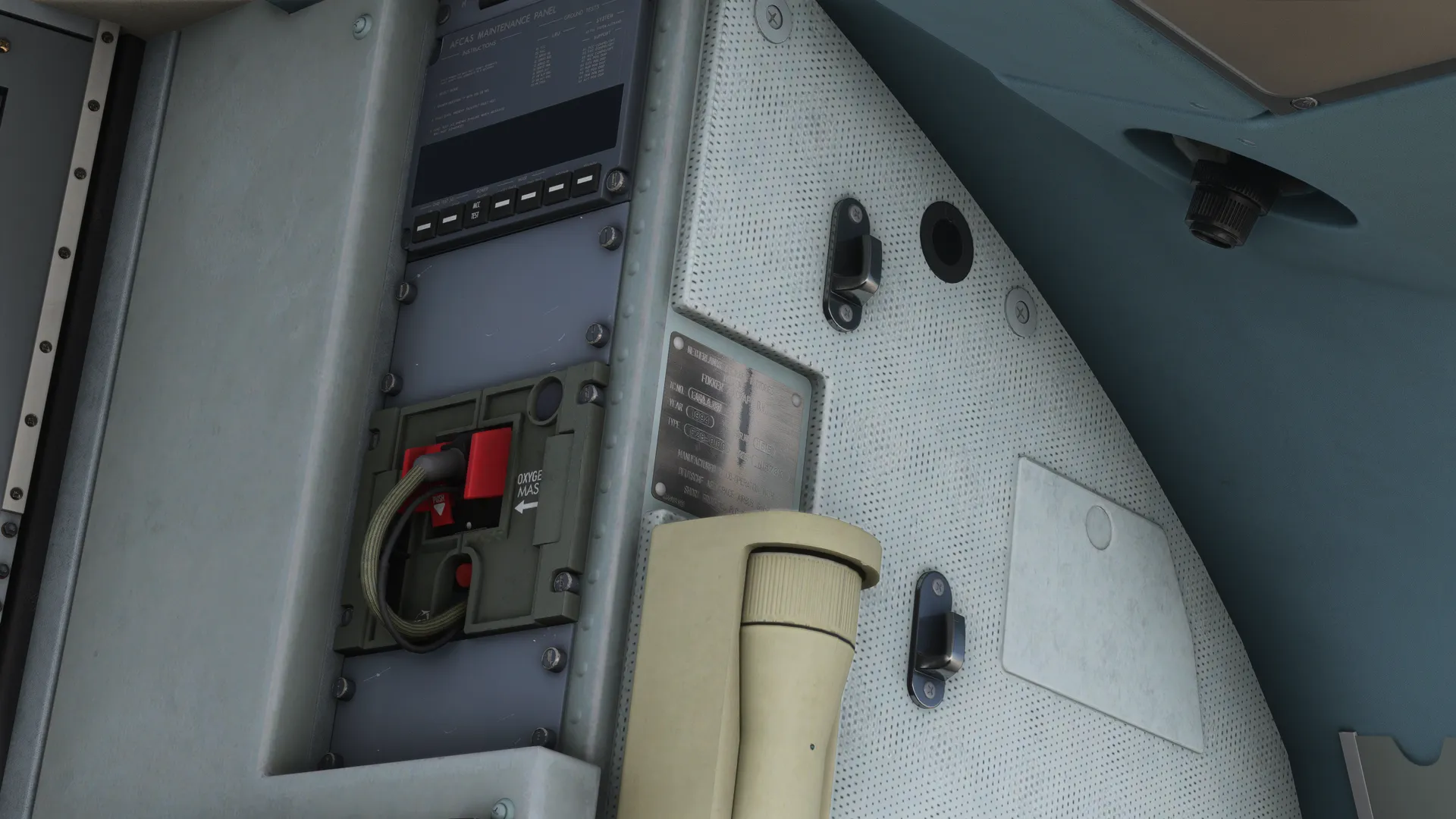
The team also mentioned that they would soon publish a video showcasing the soundset in great detail to soak in the audio experience for ourselves. The team has also completed further work on the liveries and the addition of data plates unique to each paint job. The developers did not mention a specific date or price point, but did allude to an expected release in 2026. The trailer showcasing the aircraft published on the JustFlight YouTube channel can be viewed below.
Feel free to join our Discord server to share your feedback on the article, screenshots from your flights or just chat with the rest of the team and the community. Click here to join the server.