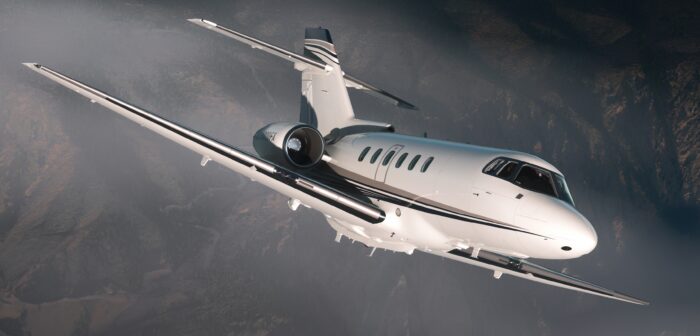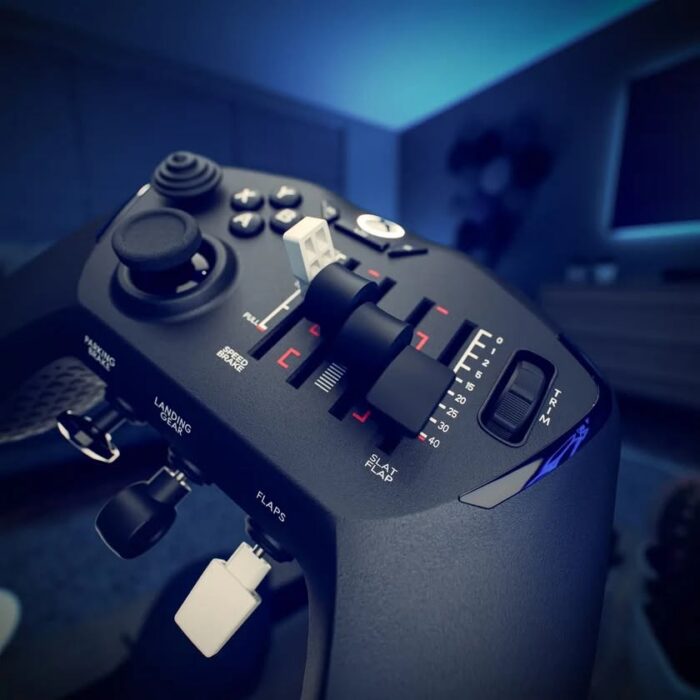
Are you tired of just watching your plane fly itself from departure to final? Are you looking for a challenge? Are you seeking an analog experience while still flying an airliner, rather than your humble little Cessna 150? Do you want to relive the golden age of air travel, right within your simulator?
If you answered yes to any of those questions, then this list is for you. Ever since I got into flying vintage airliners a few years ago, I have completely fallen in love with these old machines. The combination of tons of analog systems to keep track of, little to no automation, and no moving maps or GPS presents a truly unique challenge that keeps you busy and on your toes for most of the flight.
That’s why I invite you to venture into the wonderful world of vintage airliners. This list compiles what I consider to be the five best offerings available as of writing that are also compatible with MSFS 2024. There will also be a couple of honorable mentions at the end of the list that didn’t quite make the top five.
Before diving in, I think it’s worth clarifying what I consider to be a true “vintage airliner”. To me, the defining characteristic of a vintage airliner compared to other airliners is its lack of screens or modern navigation equipment (except in the case of a retrofit). This is why I don’t consider aircraft like the MD80 and A310, with their glass cockpits and RNAV capability, to qualify for this list, despite being quite old.
PMDG Douglas DC-6
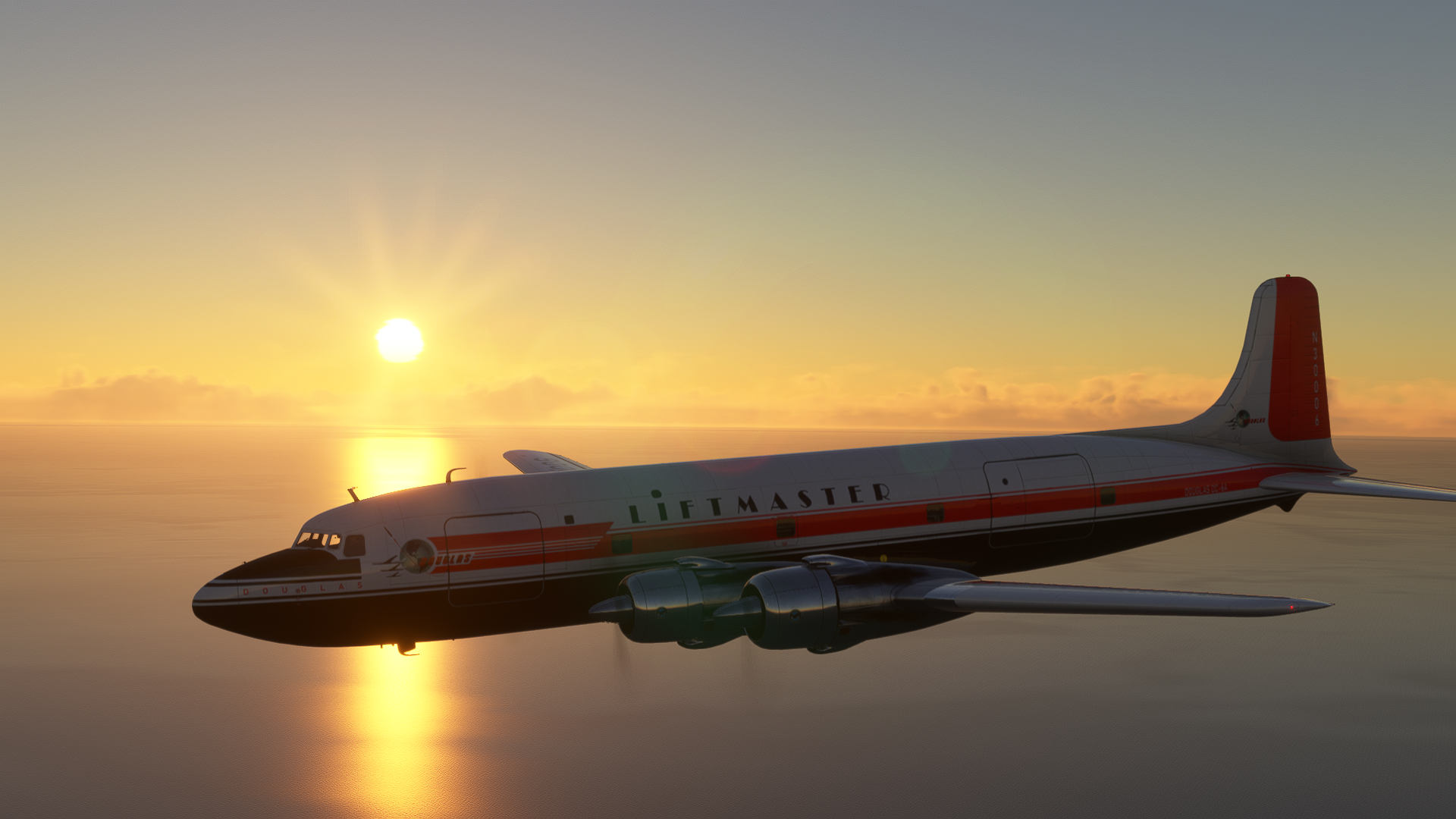
PMDG’s DC-6 is a real classic in more ways than one. Releasing in 2021, it was PMDG’s first product for MSFS 2020 and one of the first high-fidelity addons to be released for the new era of Microsoft Flight Simulator. The DC-6 is also a propliner, which makes it a true classic of classics. Unfortunately, propliners are scarcely represented in MSFS, so that does make this the only one in the list.
Flying the DC-6 is a joy every time. PMDG’s attention to detail with this aircraft and its systems was excellent. With all realism settings turned on, the old bird feels alive. Not following procedures will result in you being unable to start the engines, damaging components, or returning to the ground with a failed engine or four. Watching temperatures and pressures becomes a constant need.



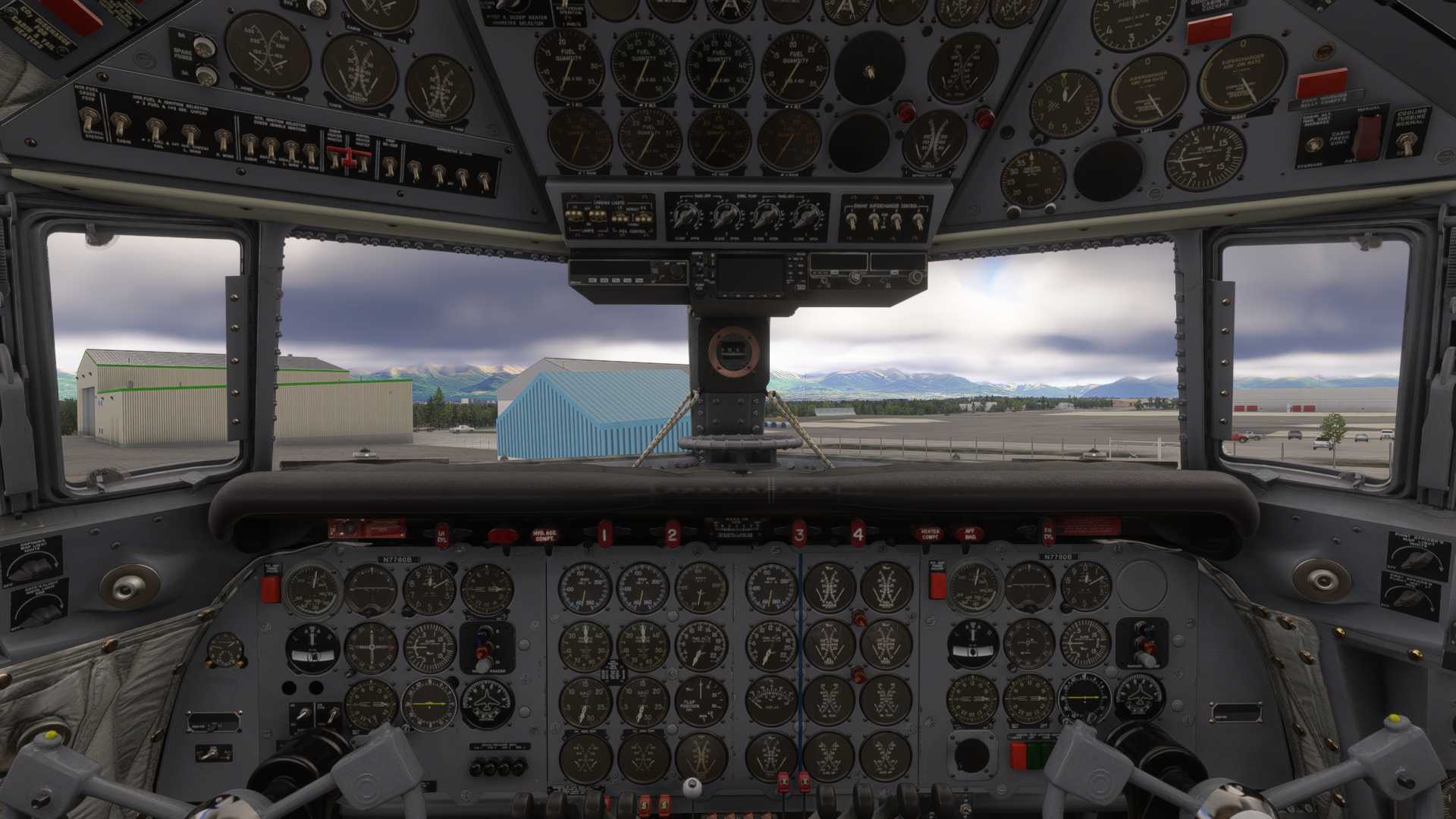
Despite being a three-crewed aircraft, it’s pretty unique in that there is no separate flight engineer’s station; the flight engineer sat on a jumpseat between the pilot and co-pilot. This keeps all the controls quite accessible to you from the captain’s seat if you, like me, are crazy enough to fly it completely by yourself.
Don’t let any of this scare you from trying out the DC-6, though. PMDG’s inclusion of its Artifical Flight Engineer makes flying it much less difficult. The AFE will automatically run through checklists, start up engines, and monitor temperatures for you so you can focus on flying. Also, although VOR-to-VOR flying is most appropriate for this aircraft, you do have the option to install a GPS if you prefer.
FSS Boeing 727
Before releasing the 727, FSS was known for the highly automated and technological E-Jets and Tecnam family of aircraft. This is why it was quite a surprise in 2024 when they released the 727-200, a plane that couldn’t be further from those other two. I have a full-length review where, in short, I mention that this aircraft, despite having some systems inaccuracies and needing some work, was quite fun to fly anyway.
That review was made just a month after its release, and since then, FSS has put a ton of work into this plane. The sounds have been vastly improved and several new variants, including the passenger -200, the -200RE, and the -100 have been developed. Although I haven’t gone through the same rigorous systems testing since the review, all of the systems you would use in regular flight have been improved and behave as expected.
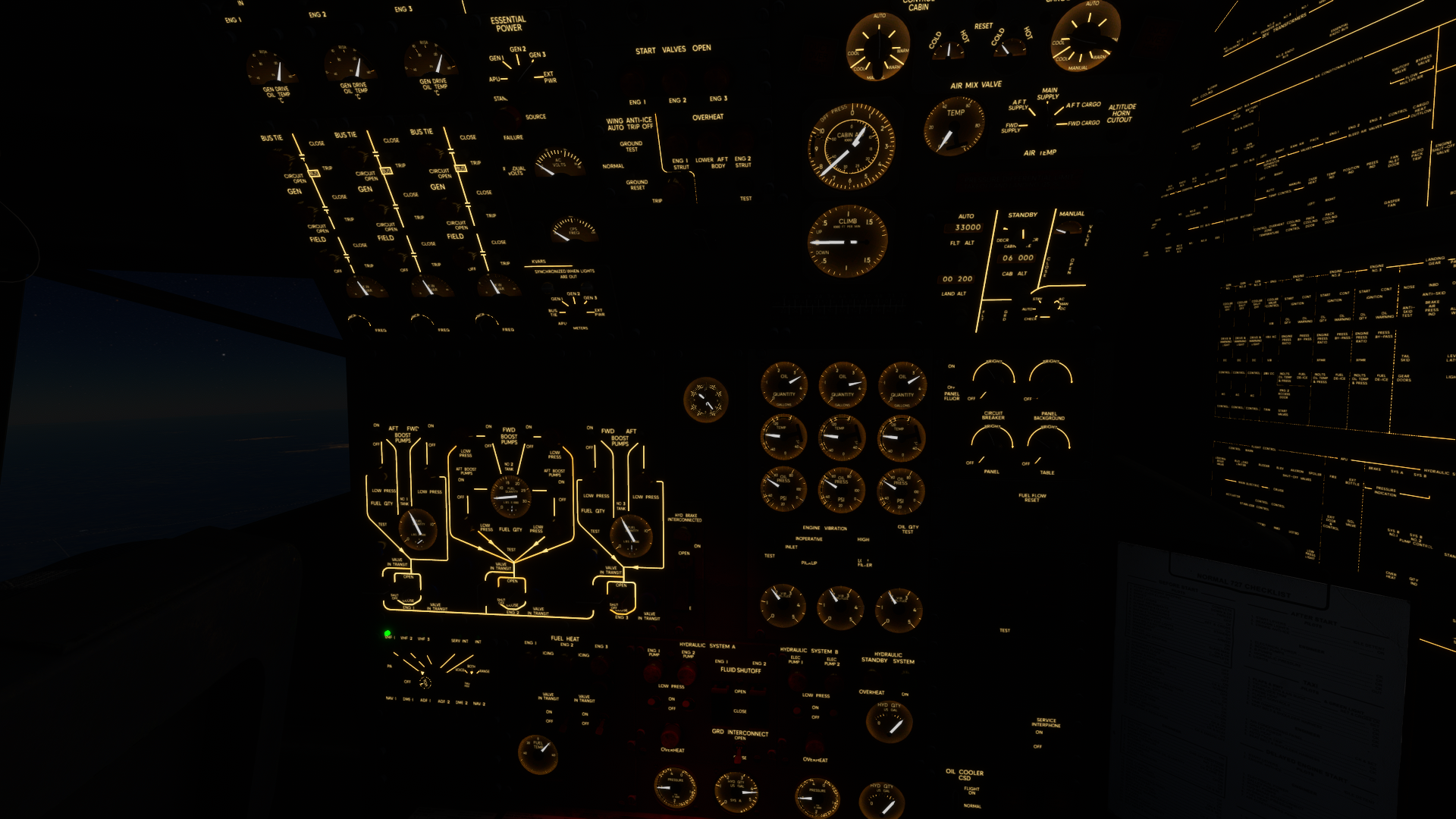

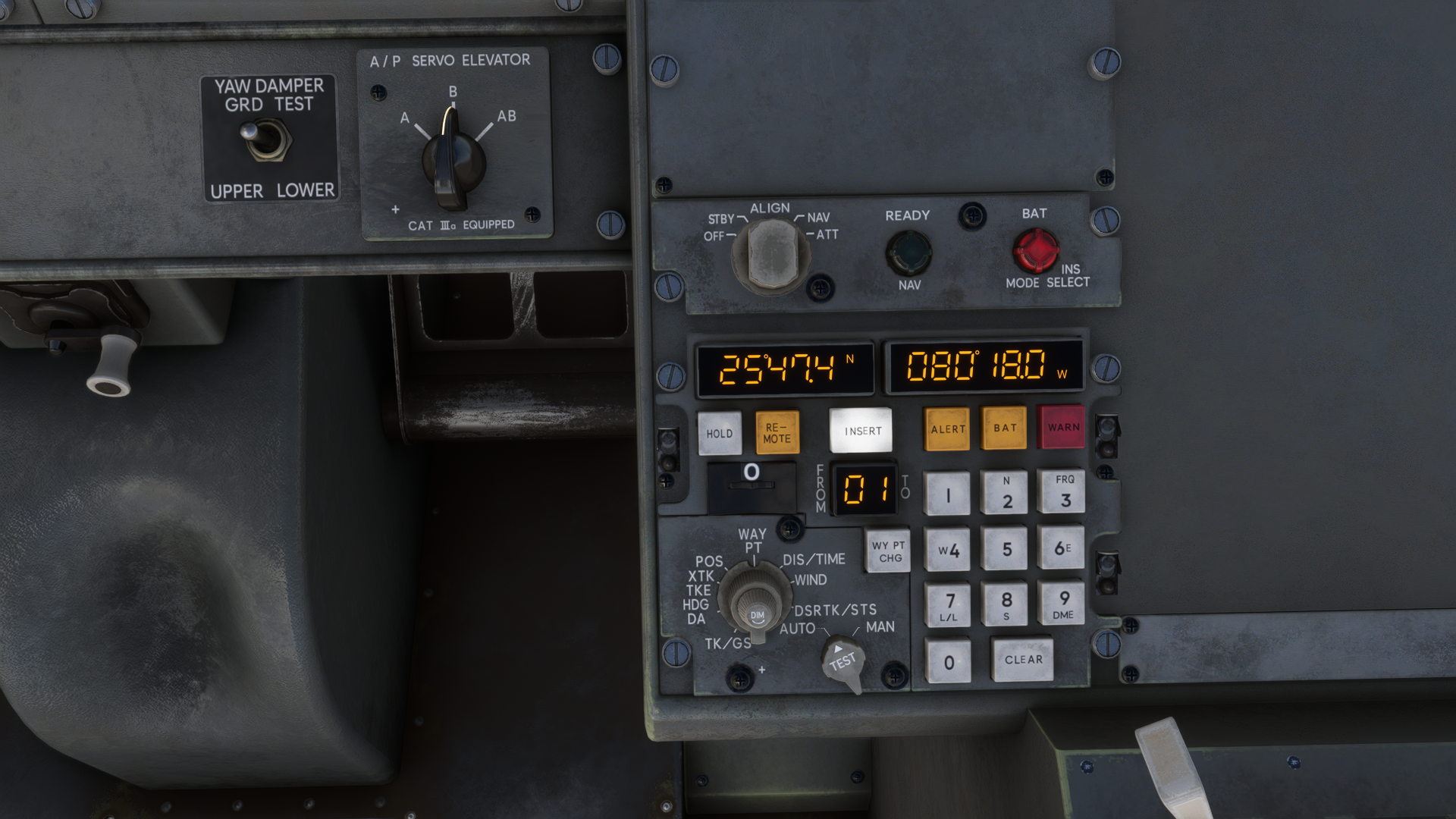

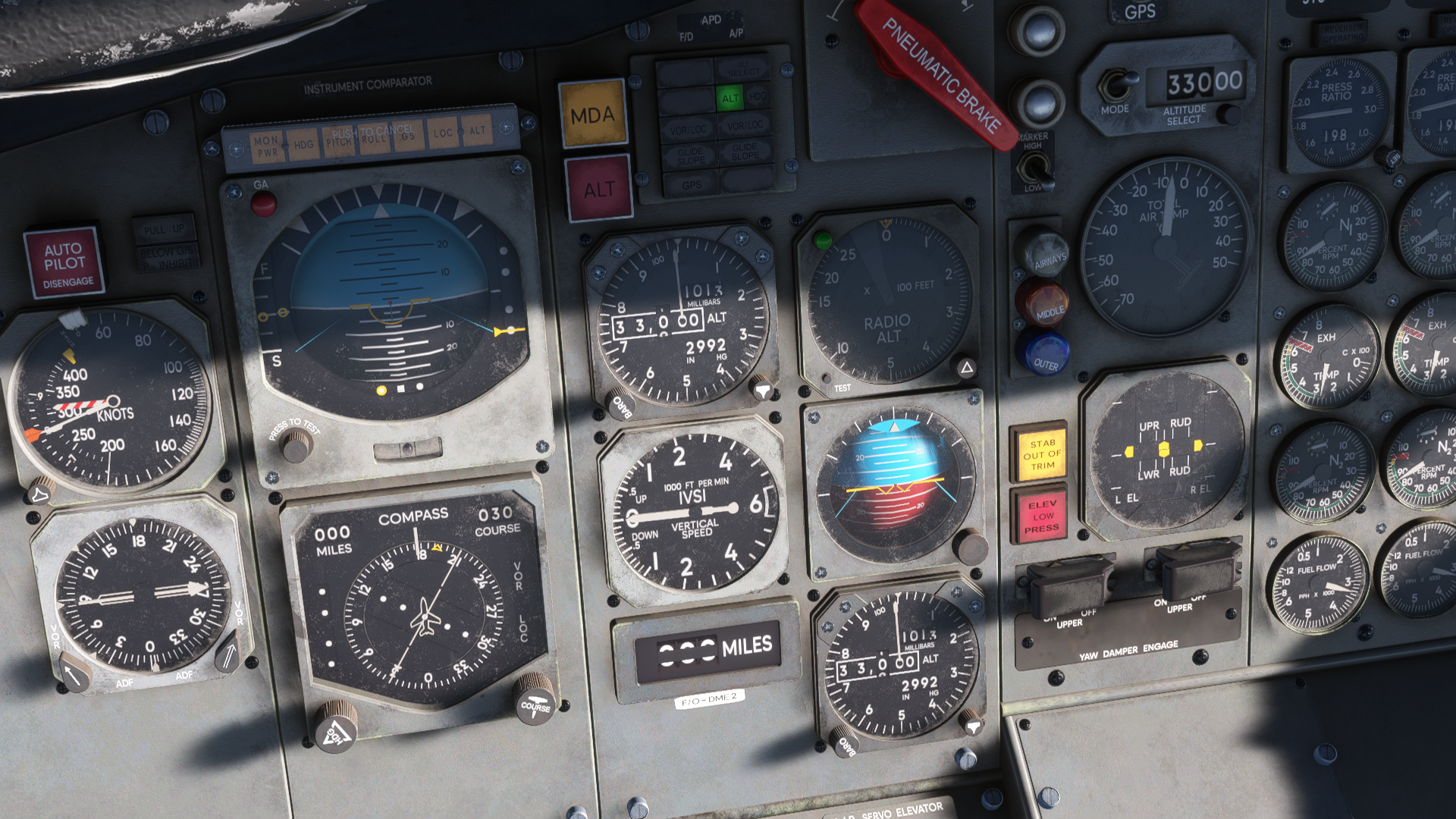
One of the greatest things about the 727 is its inclusion of the CIVA INS. In case you don’t know, a CIVA INS is a system that uses inertial sensors to calculate where it is in the world based on how far it’s moved from its alignment position. In practical terms, it’s kind of like flying with an FMC, but the INS has no named waypoints database, is programmed exclusively with coordinates, only stores nine waypoints at a time, and its position drifts over long flights.
Like the DC-6, there are a lot of different systems to keep track of in the 727, and the use of a flight engineer’s station separate from the rest of the cockpit makes flying it completely by yourself more difficult, though not impossible. Also like the DC-6, the inclusion of an automated flight engineer makes flying the 727 a lot more manageable for those who wish to use it. In terms of navigation, although the INS is the star of the show, the GNS-XLS is great for simulating the kinds of flights done in the retrofitted 727s still flying today.
Just Flight BAe 146 & Fokker F28
If you prefer doing more regional routes, these two will be perfect for you. I’ve decided to write about them together because they are both from the same developer. Thus, a lot of what I have to say applies to both. Don’t let that make you think that they are identical, though.
Just Flight’s attention to detail, not only visual, but in almost every other aspect is remarkable. The models and textures are stellar, as we have come to expect from major developers at this point, but the sound design is among the best I have heard for any flight sim aircraft. Every switch sounds right, every little click and clack the aircraft makes is there. Turning a pump on? You’ll hear the humming in the background as you see the pressure needle slowly rise. All of this contributes to making both of these aircraft feel alive.
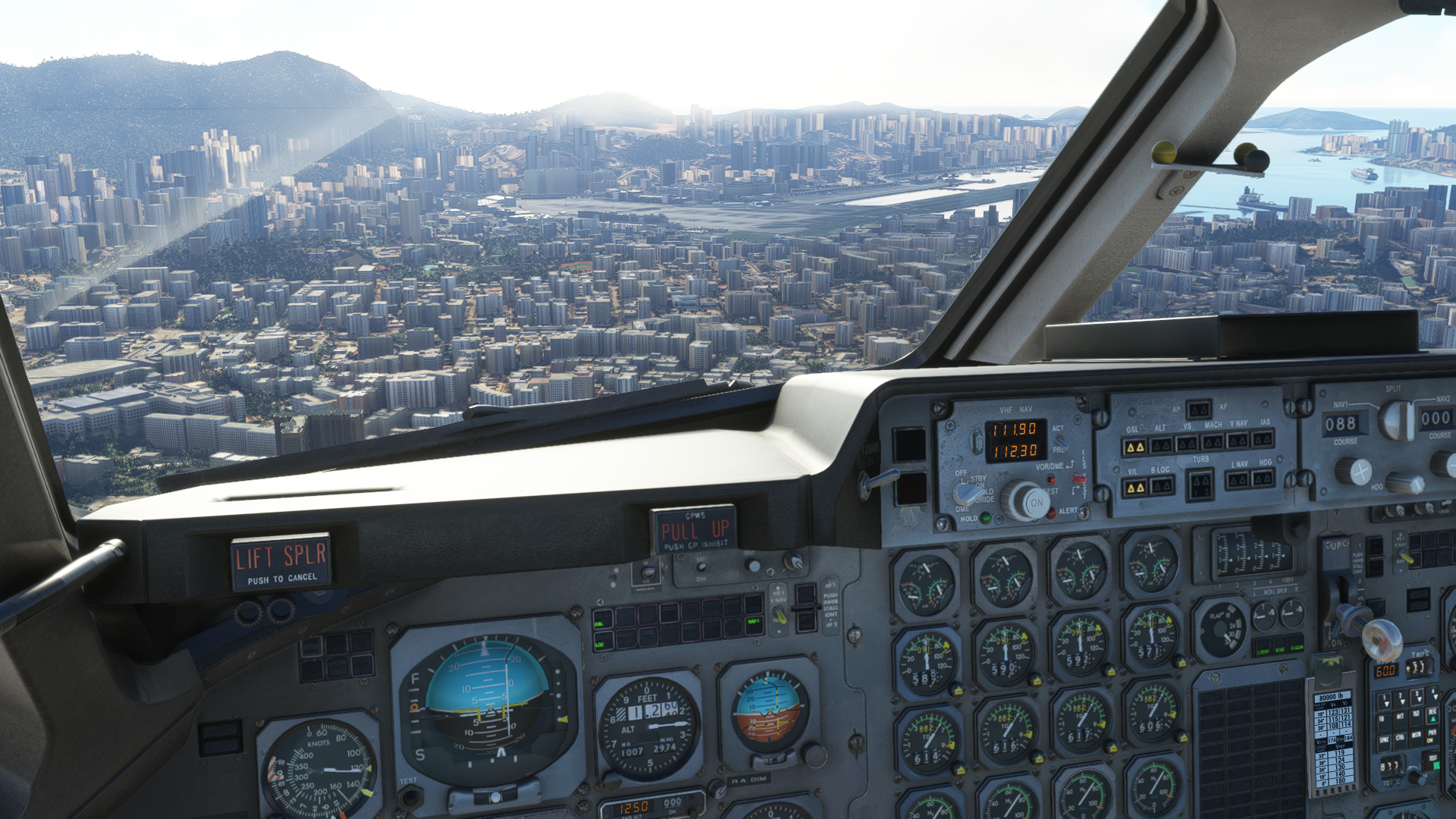
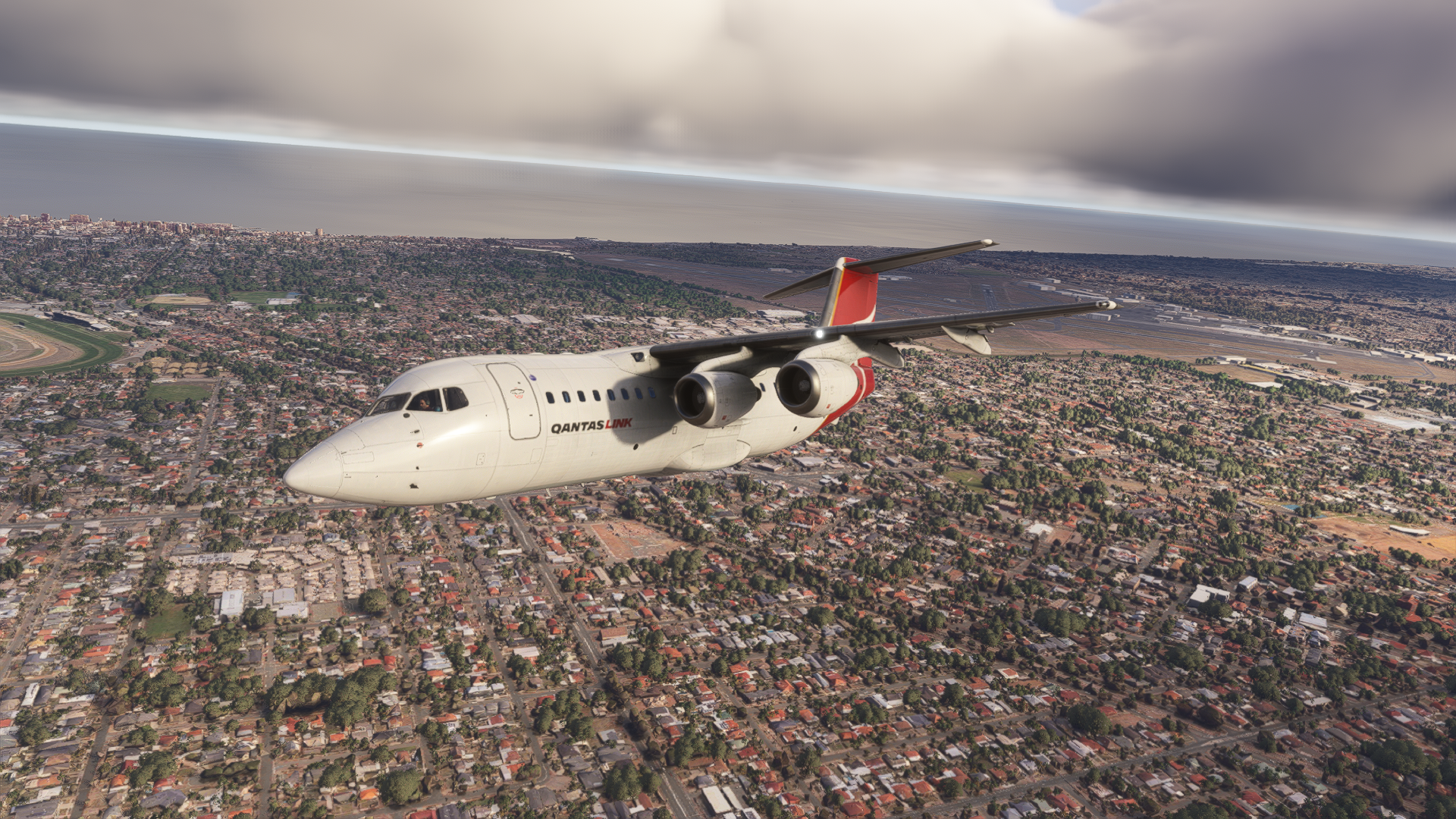
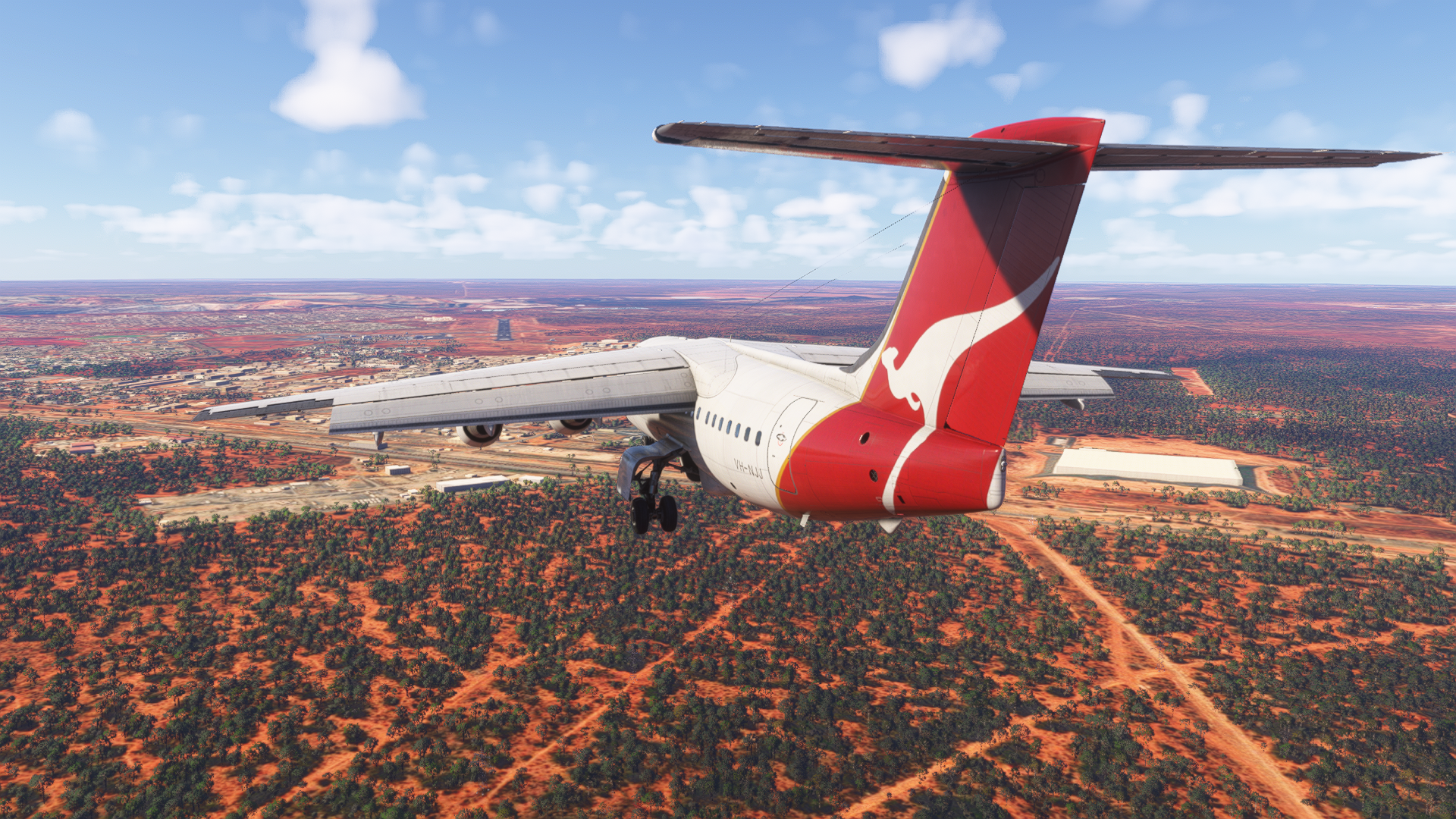
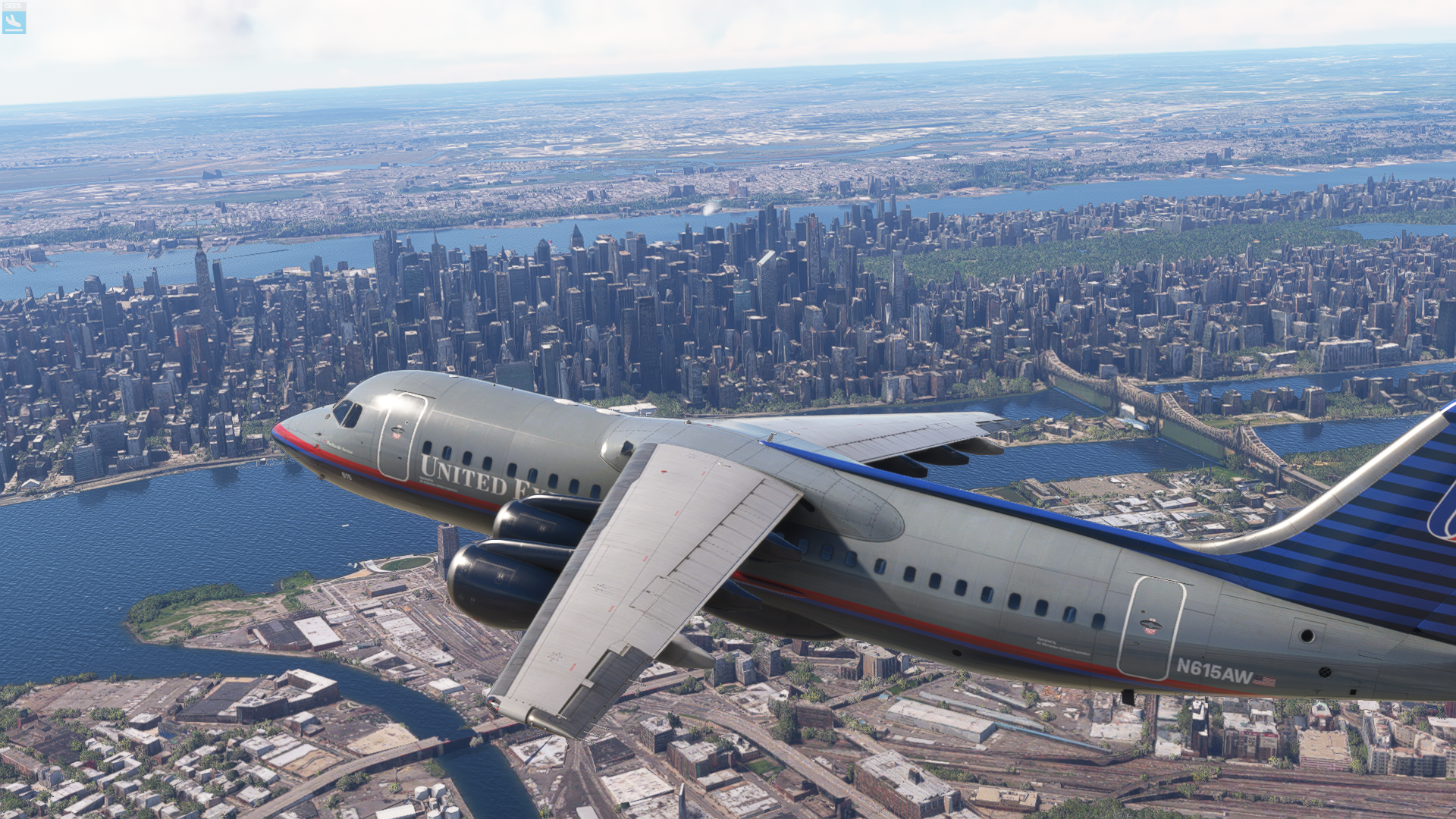
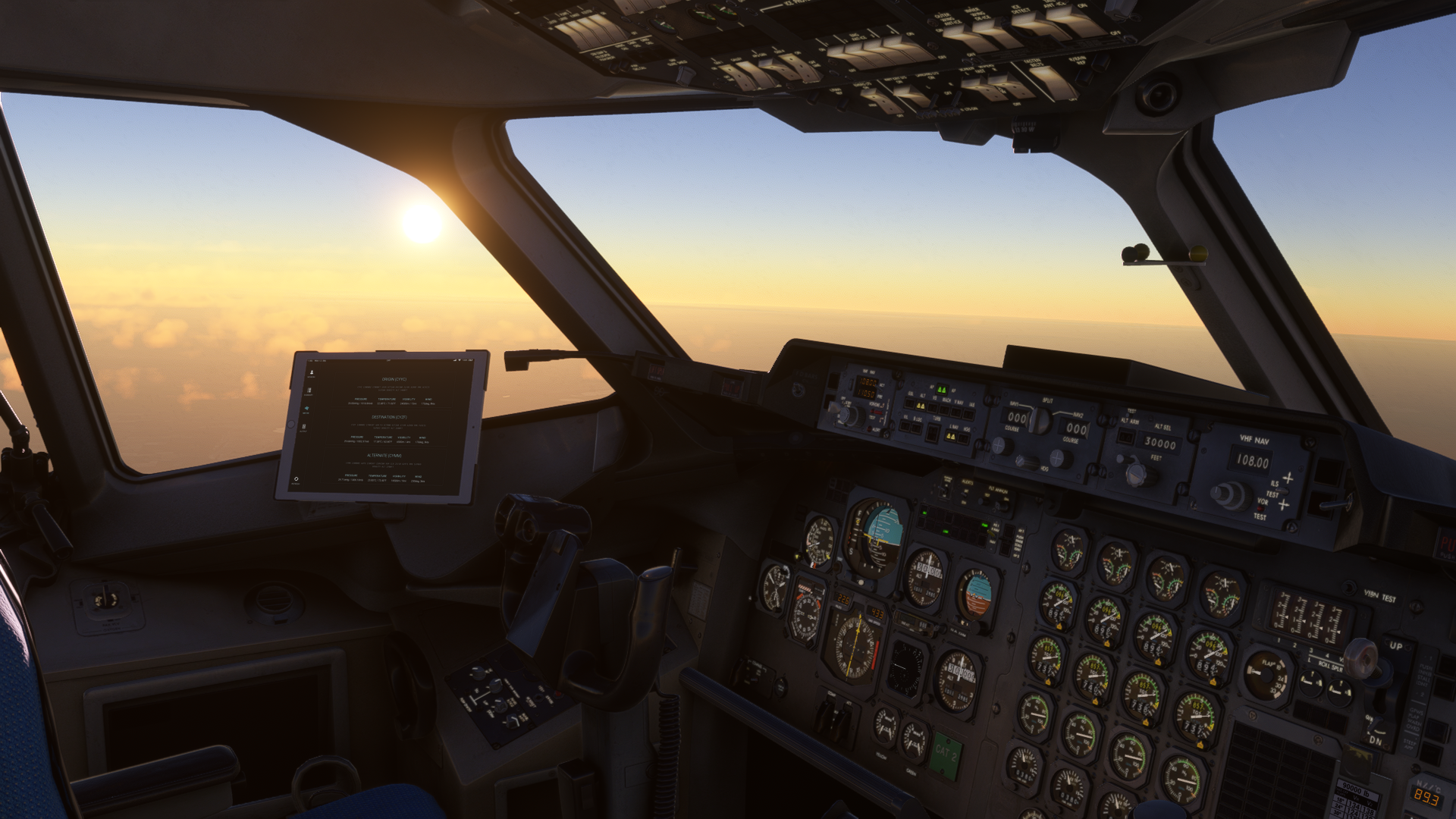
The BAe 146 is such a funky little aircraft. It’s been nicknamed the “Jumbolino” due to the fact that it uses four engines, something I don’t think any other regional airliner has. This strange design actually made it have great short field performance. One of the most famous examples of this performance being put to use has to be the British Airways and Cityjet 146’s flying into London City airport, with its short runway and steep approach.
The F28, by comparison, is a much more conventional jet, but that doesn’t mean that it’s more boring to fly by any means. The Fokker’s design is similar to other jets of its time, but everything is just a little bit different, making it quite interesting to learn about as you fly it. It’s also a little more automated than you might expect. For example, the TTC (Top Temperature Control) system automatically adjusts fuel to prevent exceeding engine temperature limitations. The lift dumpers, which are basically spoilers deployed after touchdown, are armed and deploy automatically, which is not all that common in other aircraft of the time.
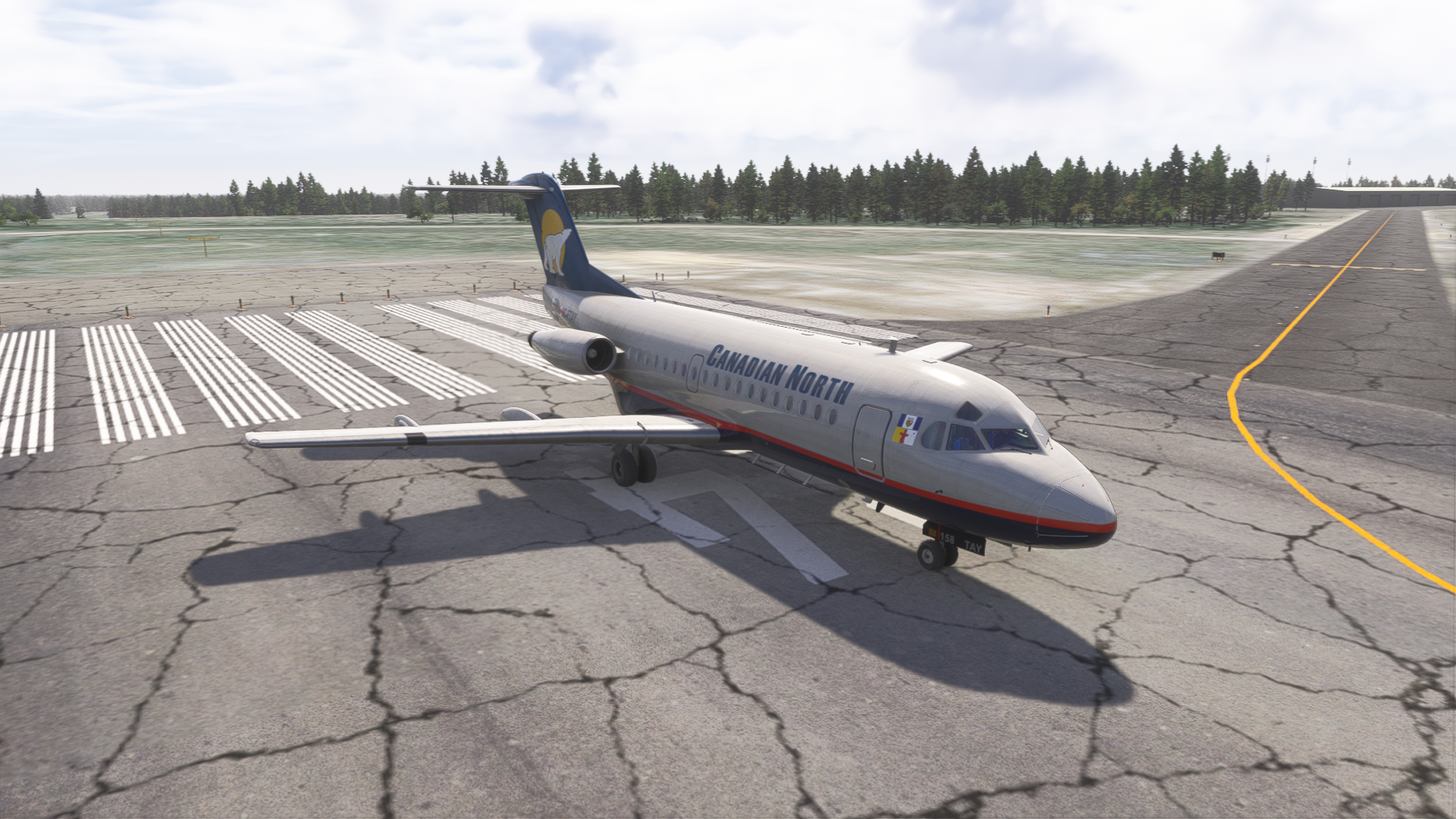
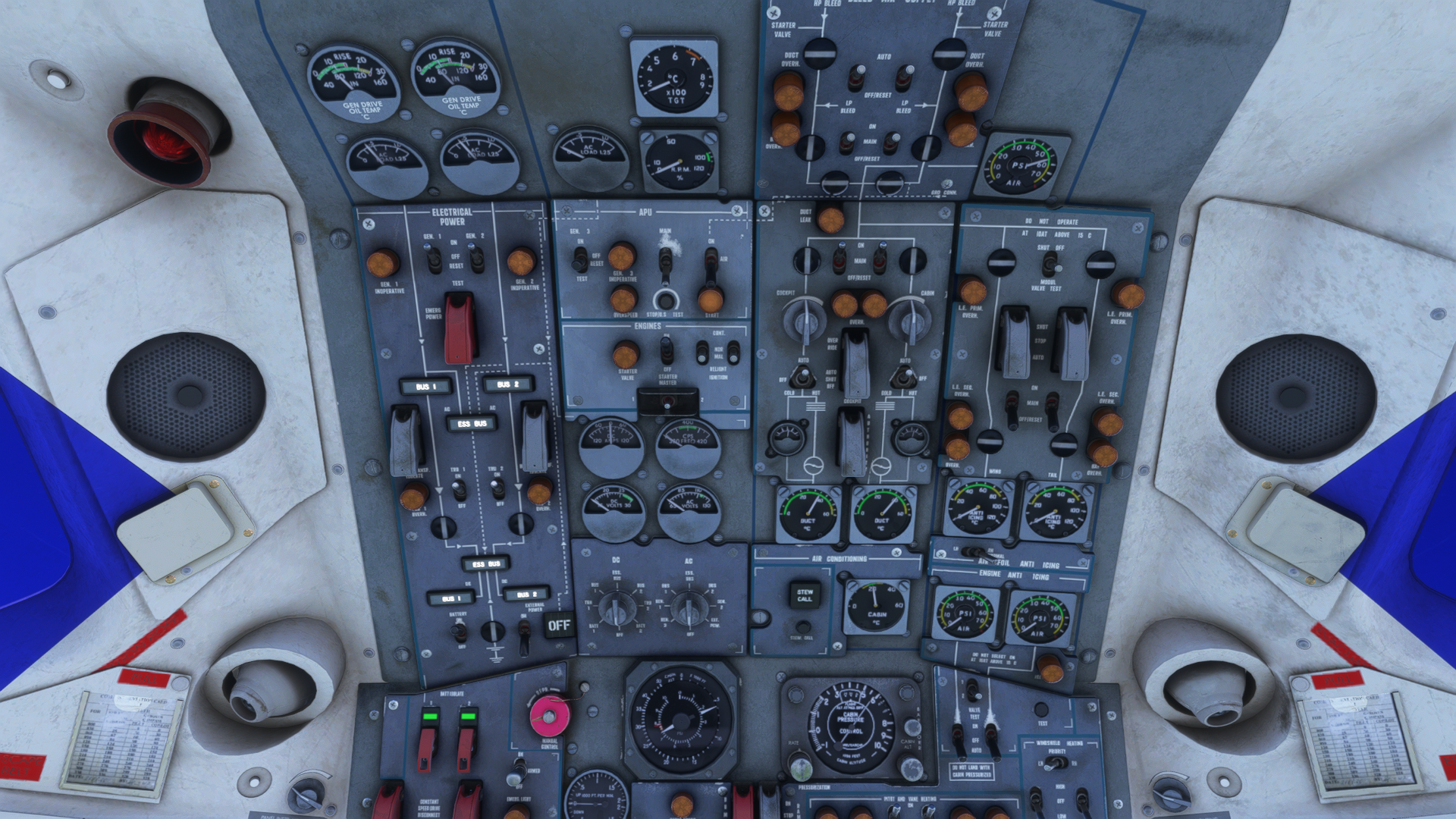
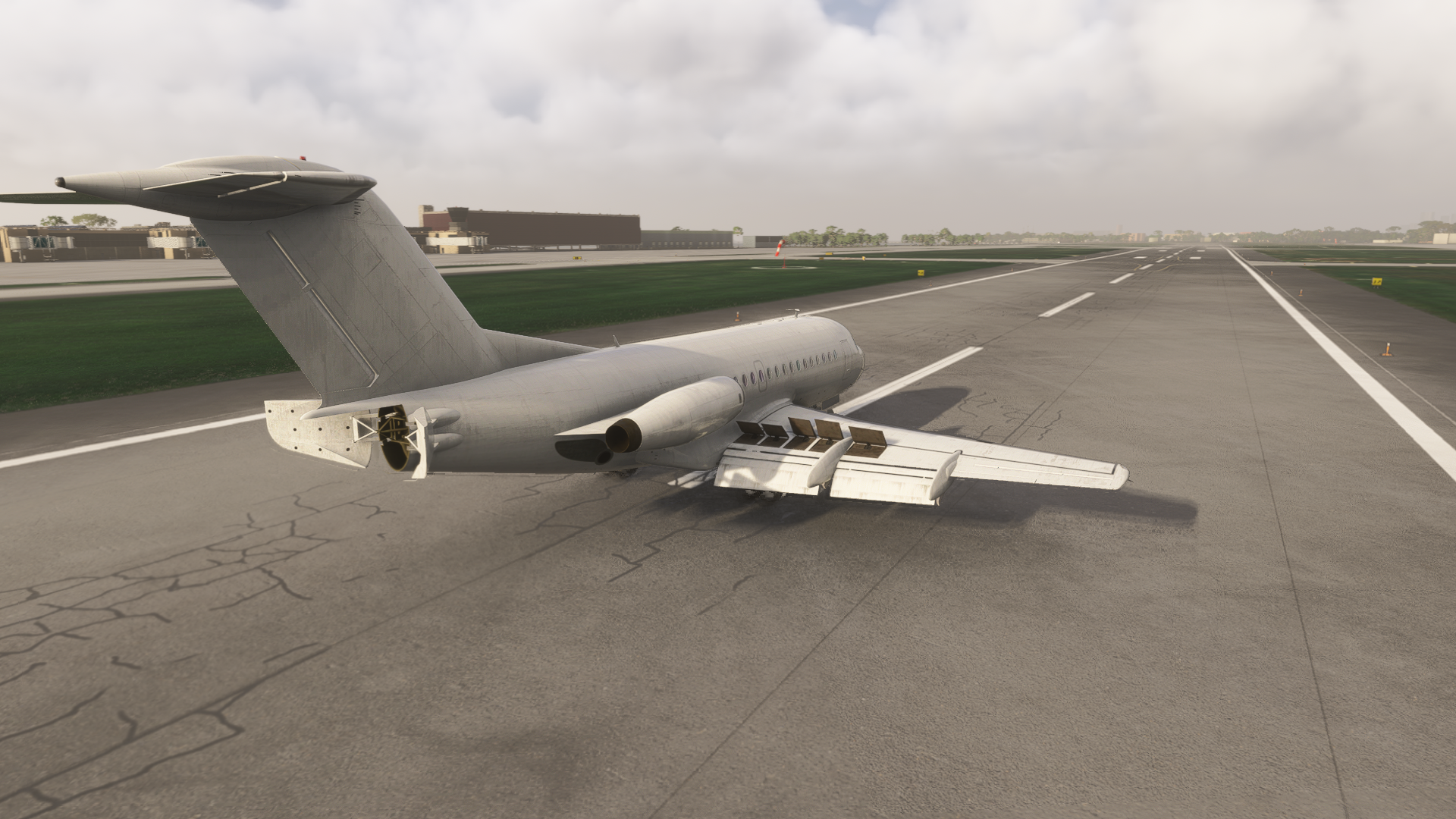
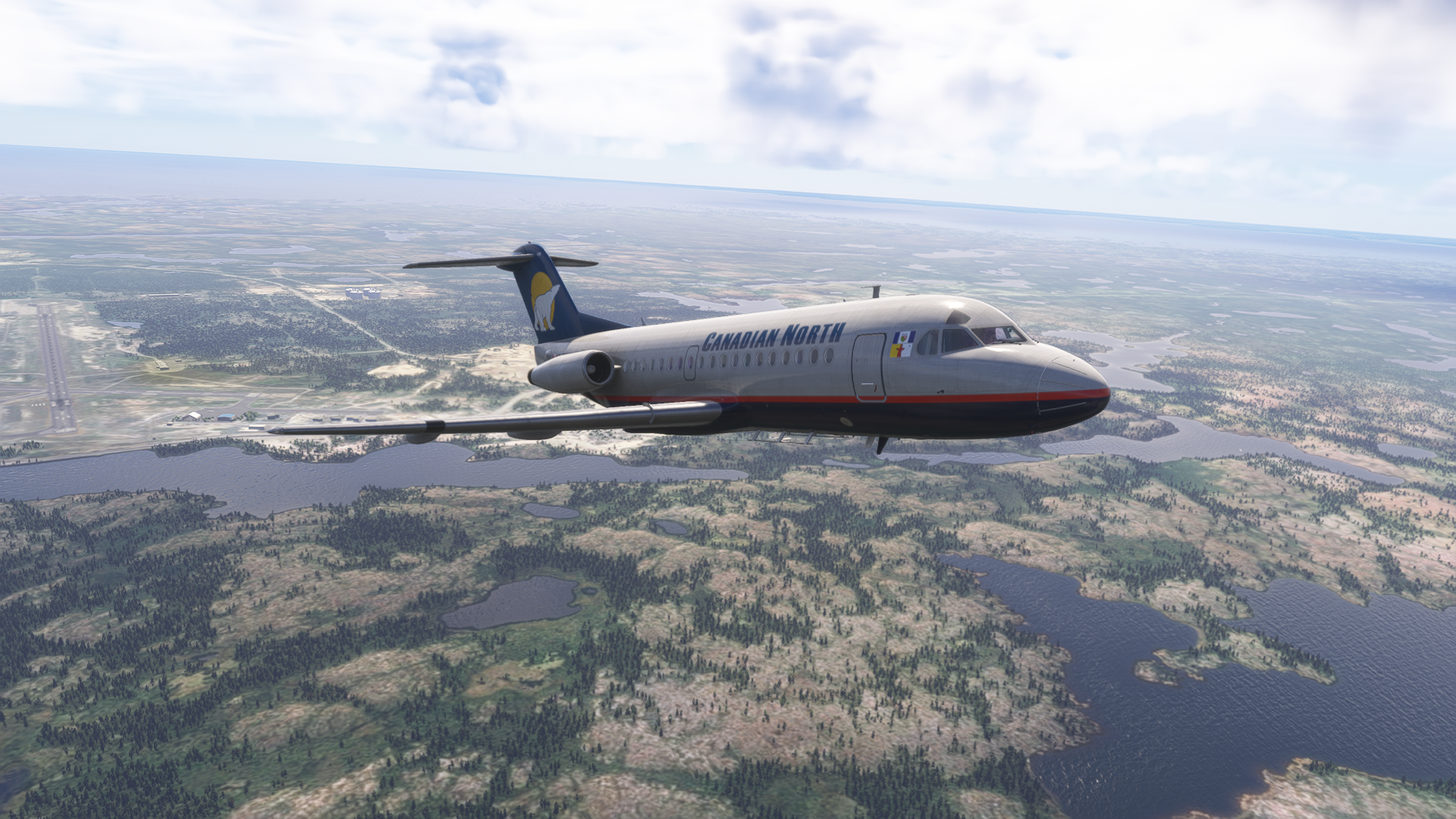
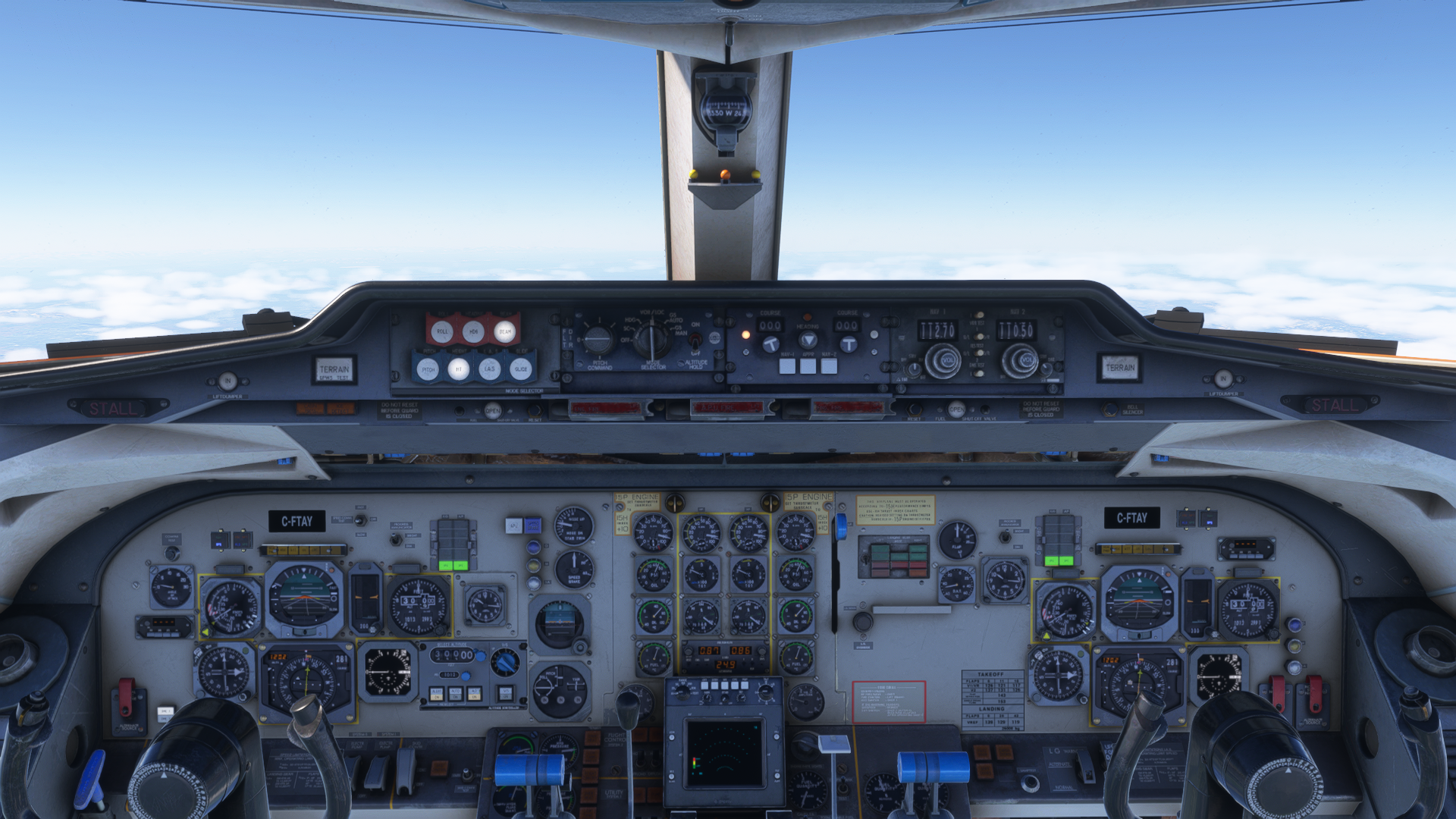
The instrumentation in both of these aircraft is similar. You have the option of flying only by conventional radio navigation or using one of two FMC units. One of these is the default ProLine 21 you’ll find in aircraft like the CJ4, and the other is a fantastic UNS-1 custom-built by Just Flight. Unlike the other aircraft in this list, these two regional jets were built for a crew of two, so they’re much more manageable as a solo pilot.
iniBuilds L-1011 TriStar
And last but not least is the iniBuilds TriStar. If you like the 727 but wish it was a bit bigger and could fly farther, this is what you’re looking for. With a range of 5,345 nmi, the L-1011 is the only jet long hauler in the list. It may also be the most technologically advanced of the list, even featuring some computerized systems like the Performance Management System and being the first airliner ever capable of performing an autoland.
Like with most of iniBuilds’ Aircraft, the Tristar is absolutely stunning to look at, both inside and out. Careful use of high-quality textures and materials make surfaces look exactly as they should, even in varying lighting conditions. This detail does come at a cost, though. I must warn you that the iniBuilds TriStar requires a powerful computer to run acceptably. I have an AMD RX 6700XT (12GB), R5 5600X, and 32GB of RAM and the TriStar, without using FSR, makes my FPS go as low as around 10-15 at big airports. I would normally get at least double that with other addons.


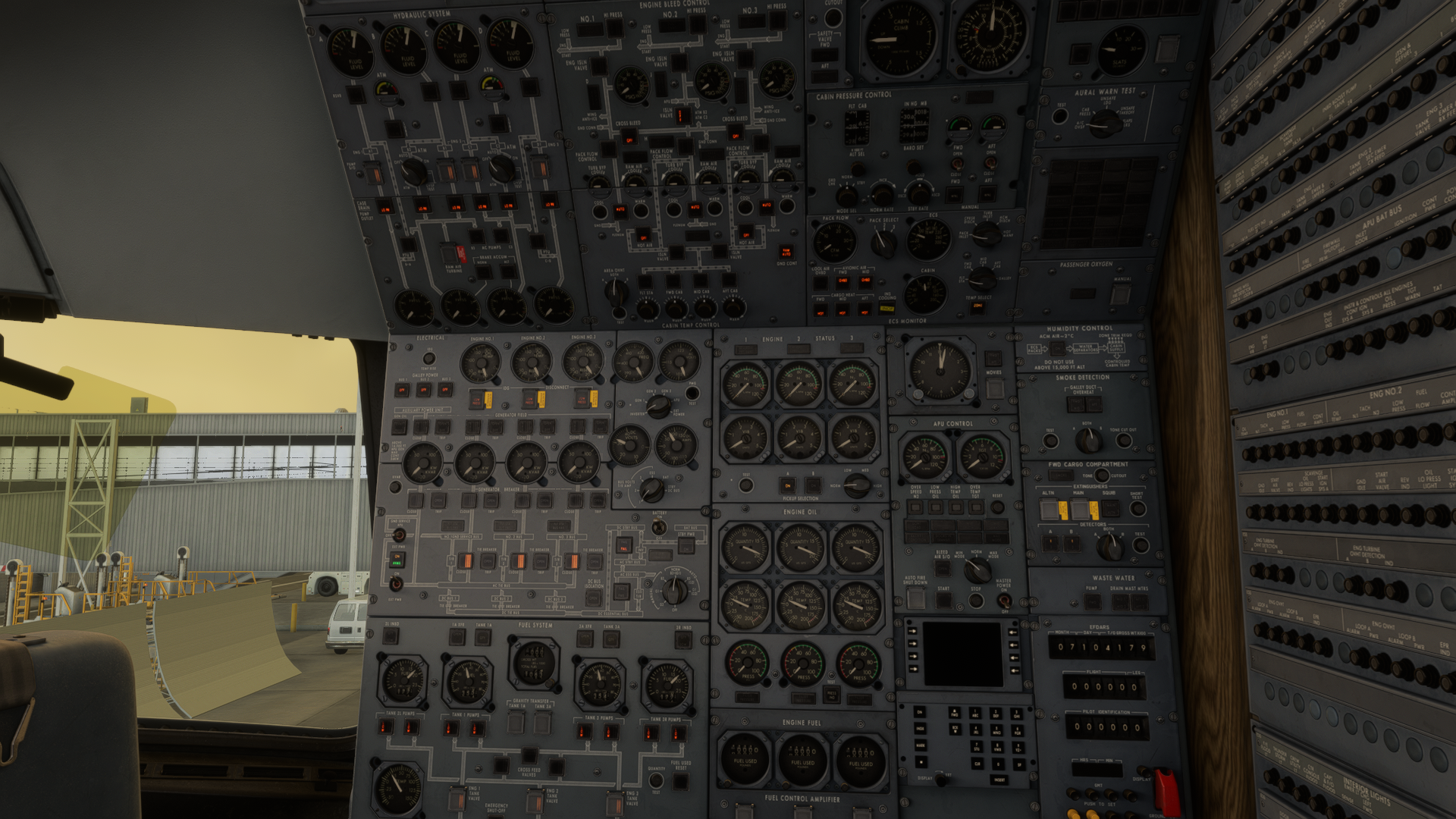
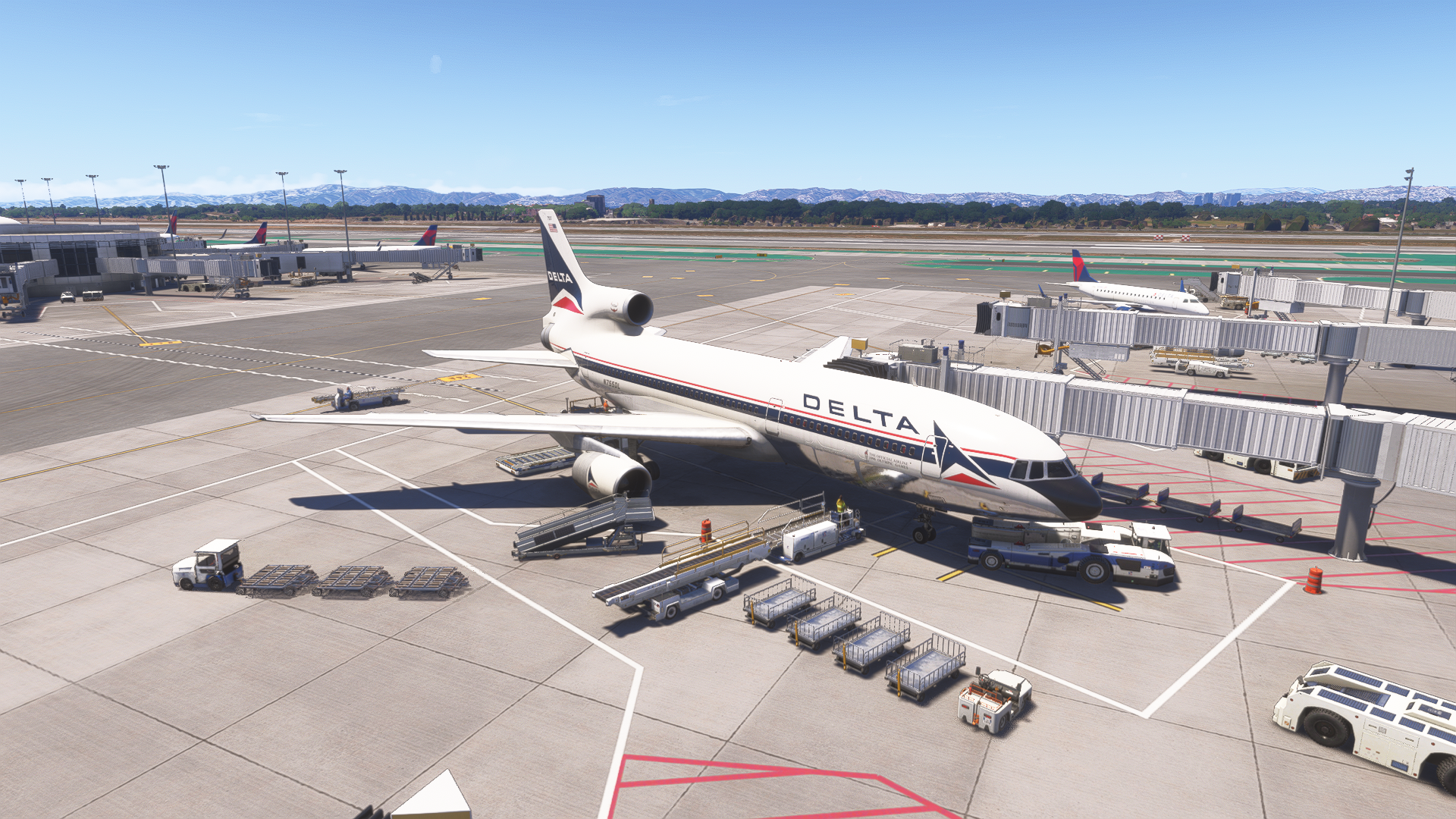
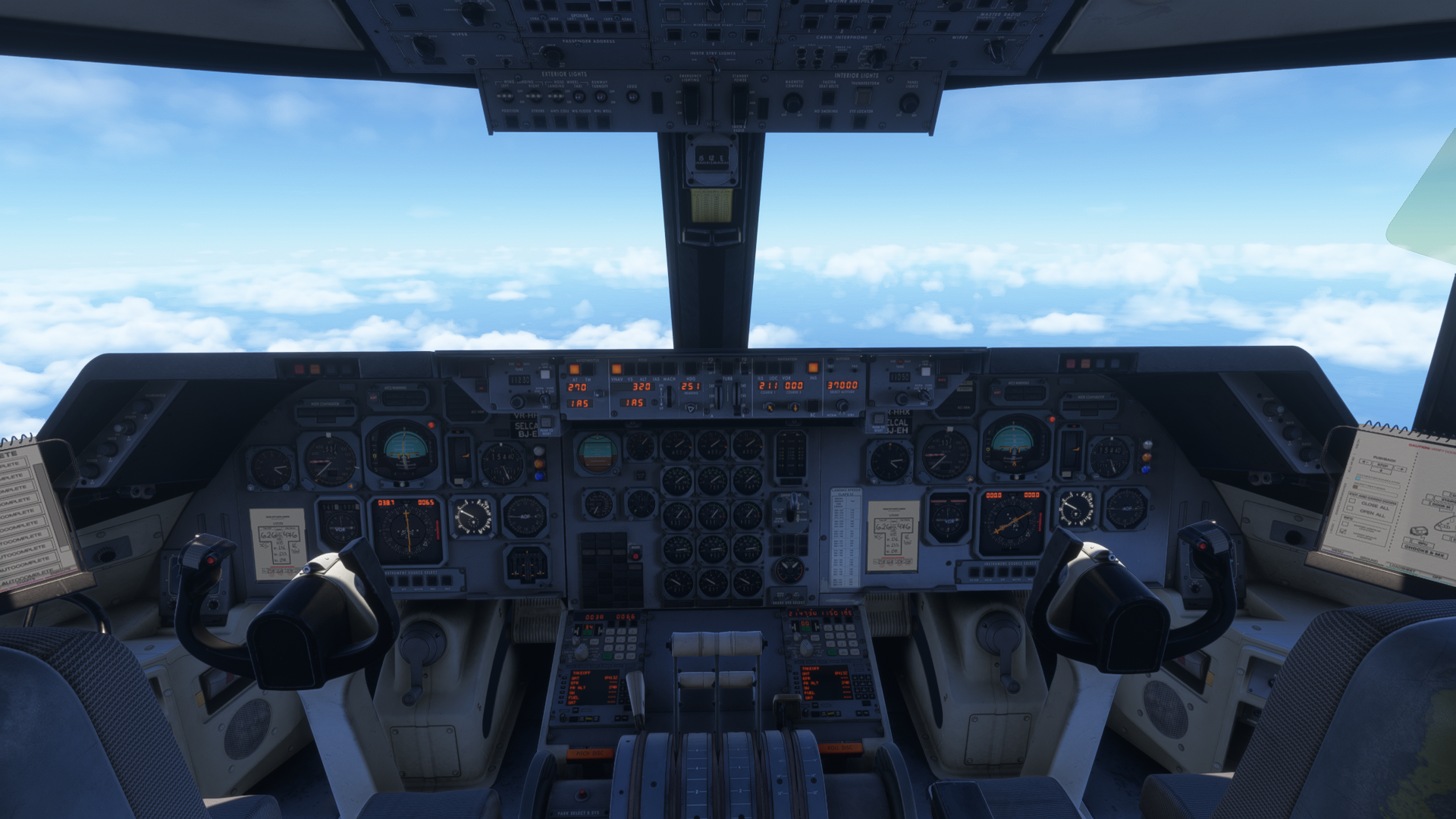
Although the iniBuilds TriStar may not have 100% perfectly accurate systems, I have found that pretty much all of the ones used during normal flight are modeled correctly. Even then, the system depth here is plenty to keep you entertained as you learn about everything involved with the correct operation of the TriStar.
The iniBuilds TriStar, like the 727, features an INS as the main navigation system, meaning even more fun putting coordinates in and re-aligning every few flight hours. You also have the option of using a retrofitted GNS 530 if you prefer that. The TriStar is a three-crewed aircraft with a huge flight engineer’s station, though iniBuilds has included automated flight engineer functions in its PFB (Paper Flight Bag) that make it more manageable to fly by yourself.
Honorable Mentions: Freebies!
Who said you have to spend money to fly vintage? If you’re still not sure you’re ready to buy one of the planes mentioned, here’s two great options that cost you absolutely nothing.
Default DC-3 with Duckworks Enhancement
With almost no systems depth to speak of and only okay texturing, the default MSFS DC-3 is nothing exceptional. The Duckworks Enhancement, though, changes that completely. A custom auto-rich/lean mixture system, custom engine start-up logic, manual supercharger control, and a reworked flight and engine model are just a few of the improvements this enhancement brings.
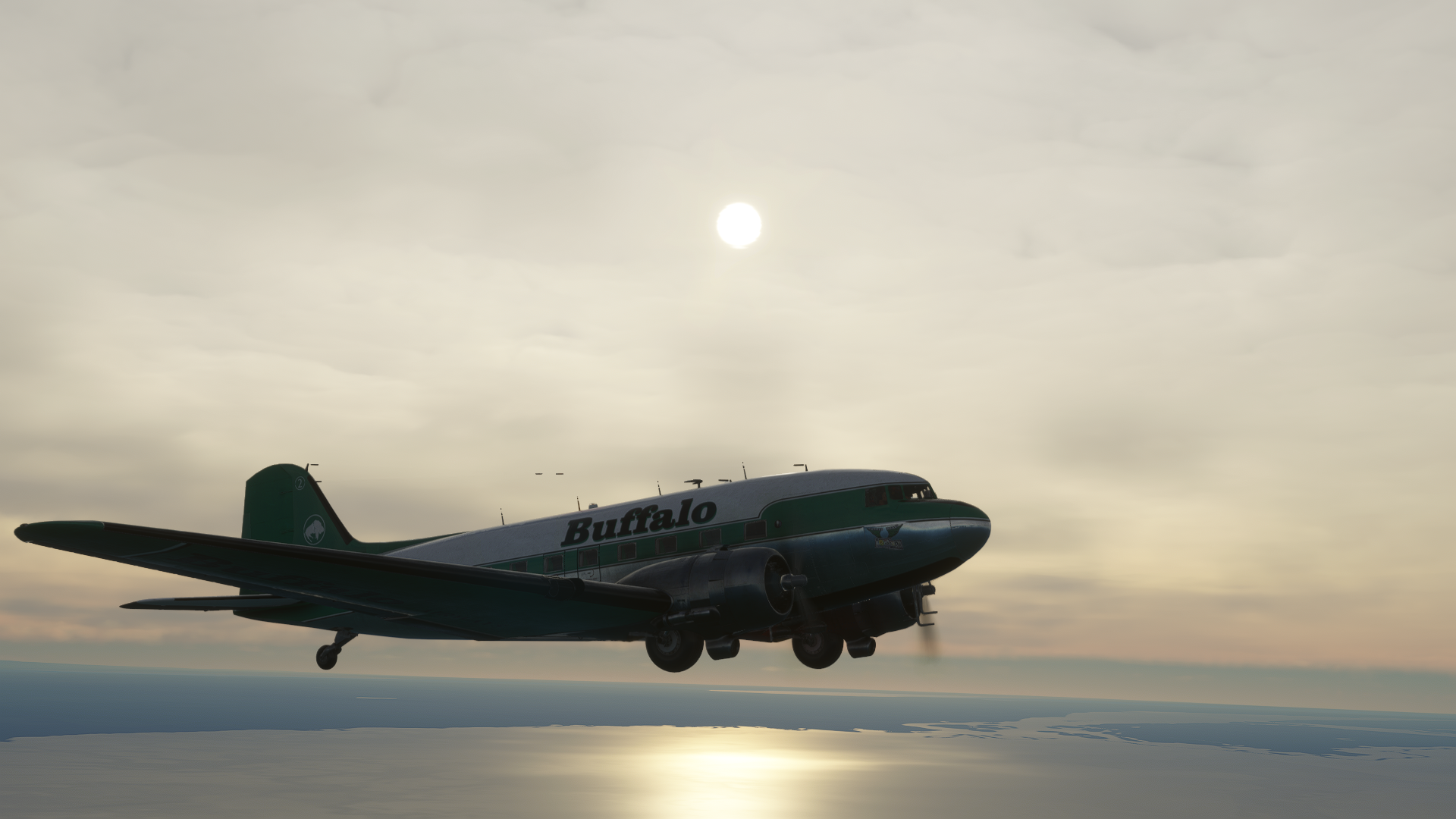
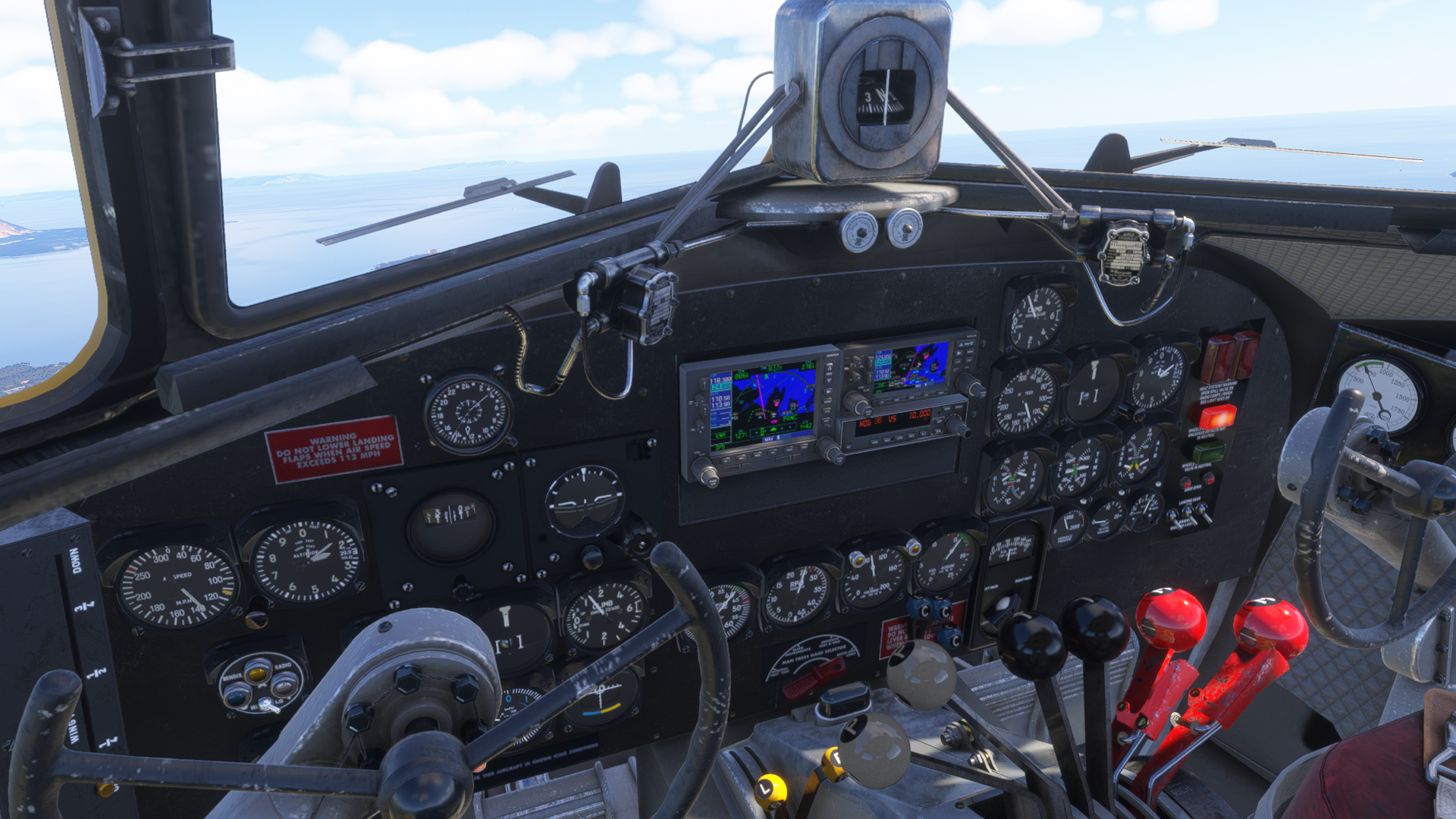
All of these improvements turn the default DC-3 into a genuinely enjoyable aircraft to fly, which is exactly what such a legendary plane deserves. Although originally developed for MSFS 2020, it has been updated to be compatible with 2024 and, best of all, is completely free. You can download it for yourself here.
Bgaurant Fokker F27-MK500
One of the best freeware aircraft available for MSFS, besides the FBW A380, has to be Bgaurant’s Fokker F27-MK500. This addon is a conversion from FSX. However, apart from the textures, you wouldn’t think it is, as the quality surpasses that of even some payware from FSX. It is also more detailed than you might expect. You will almost certainly have to read the included manual to understand how to fly it.
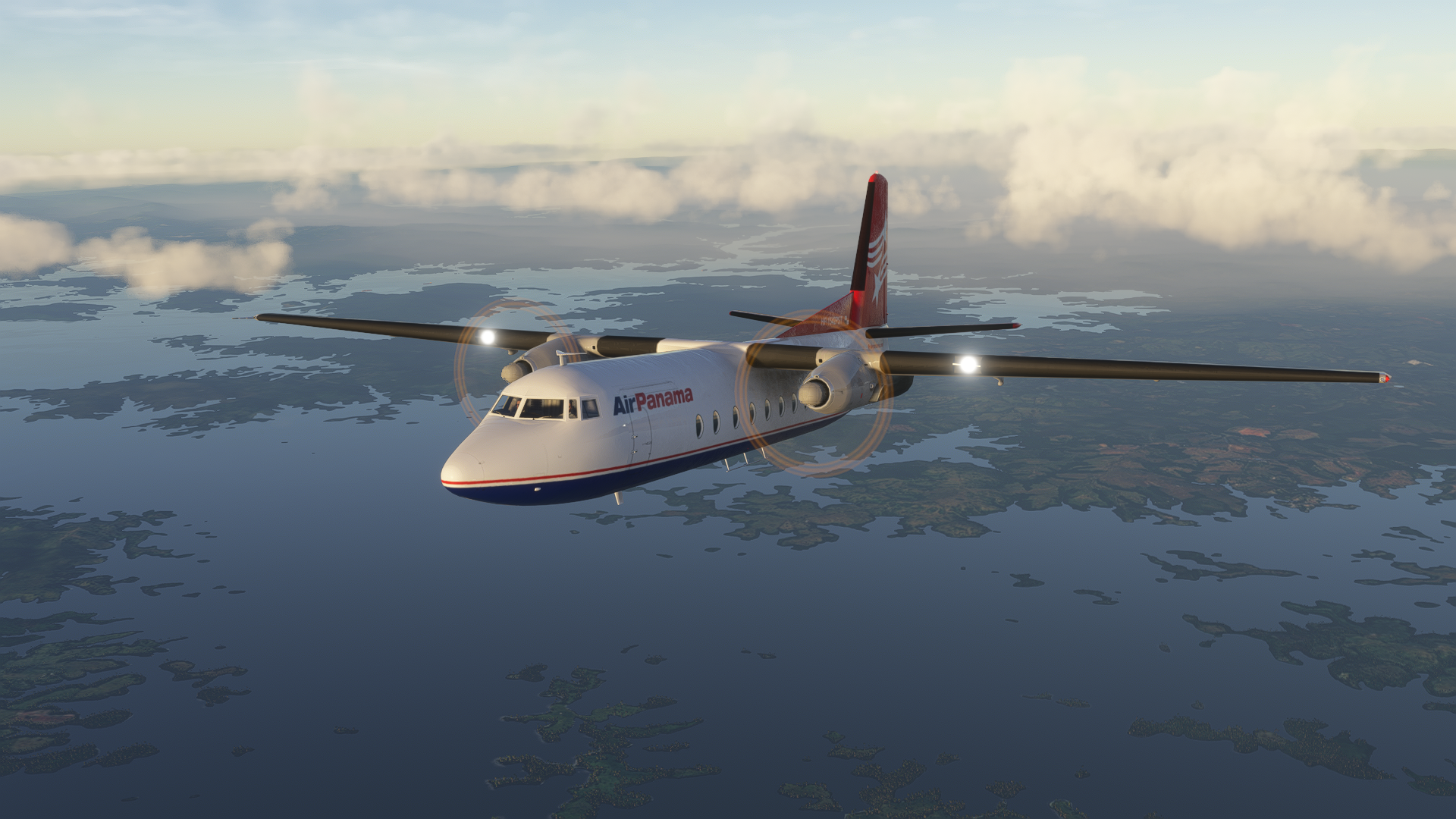
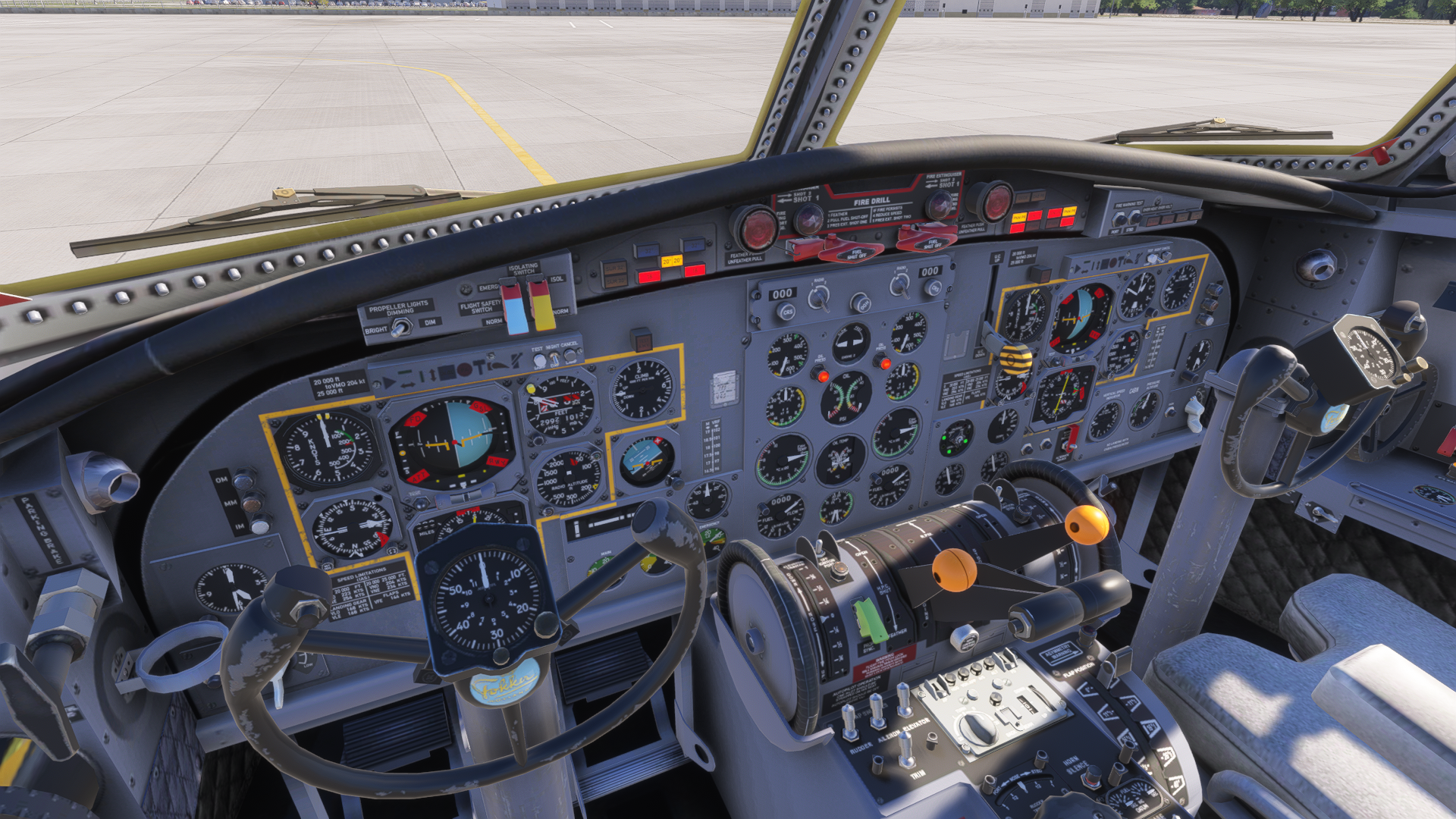
Bgaurant’s freeware Fokker F27 was originally made for MSFS 2020, but has since been updated to work in 2024. The base aircraft is excellent, but what’s even better is all the community mods available to enhance the sounds, textures, and more. You can pick up Bgaurant’s Fokker F27-MK500 here.
Closing Notes
One of the greatest things about flight simulation is its capability to preserve interactive pieces of history. Being able to fly these old airliners in the same way we can all of the modern airliners is not only fun, but it also makes you appreciate how far technology has come.
If you do decide to pick up any one of these great planes, there are some programs I recommend you get as well. First is Flightsim Dispatch, which has a huge database of historical flight plans you can use for plane/route/airline pairings. For VOR-to-VOR flight planning, Little Navmap is hard to beat. Lastly, for these three-crewed aircraft, shared cockpit with your friends is both more realistic and tremendous fun. For shared cockpit, you can use something like FS Copilot.
Feel free to join our Discord server to share your feedback on the article, screenshots from your flights or just chat with the rest of the team and the community. Click here to join the server.