iniBuilds has published an extensive new development update for its upcoming A380 Airliner, revealing substantial work across the aircraft’s systems, flight model, ground operations and visual features. The developer has also confirmed that a major A350 Airliner V2 upgrade is now in development exclusively for Microsoft Flight Simulator 2024 and will be free for existing owners.
The A380 remains the main focus of the update, with iniBuilds detailing several features that go beyond what has previously been shown. Significant portions of the aircraft’s underlying code have also been refactored in an effort to improve performance, stability and maintainability while retaining the intended depth of the simulation.
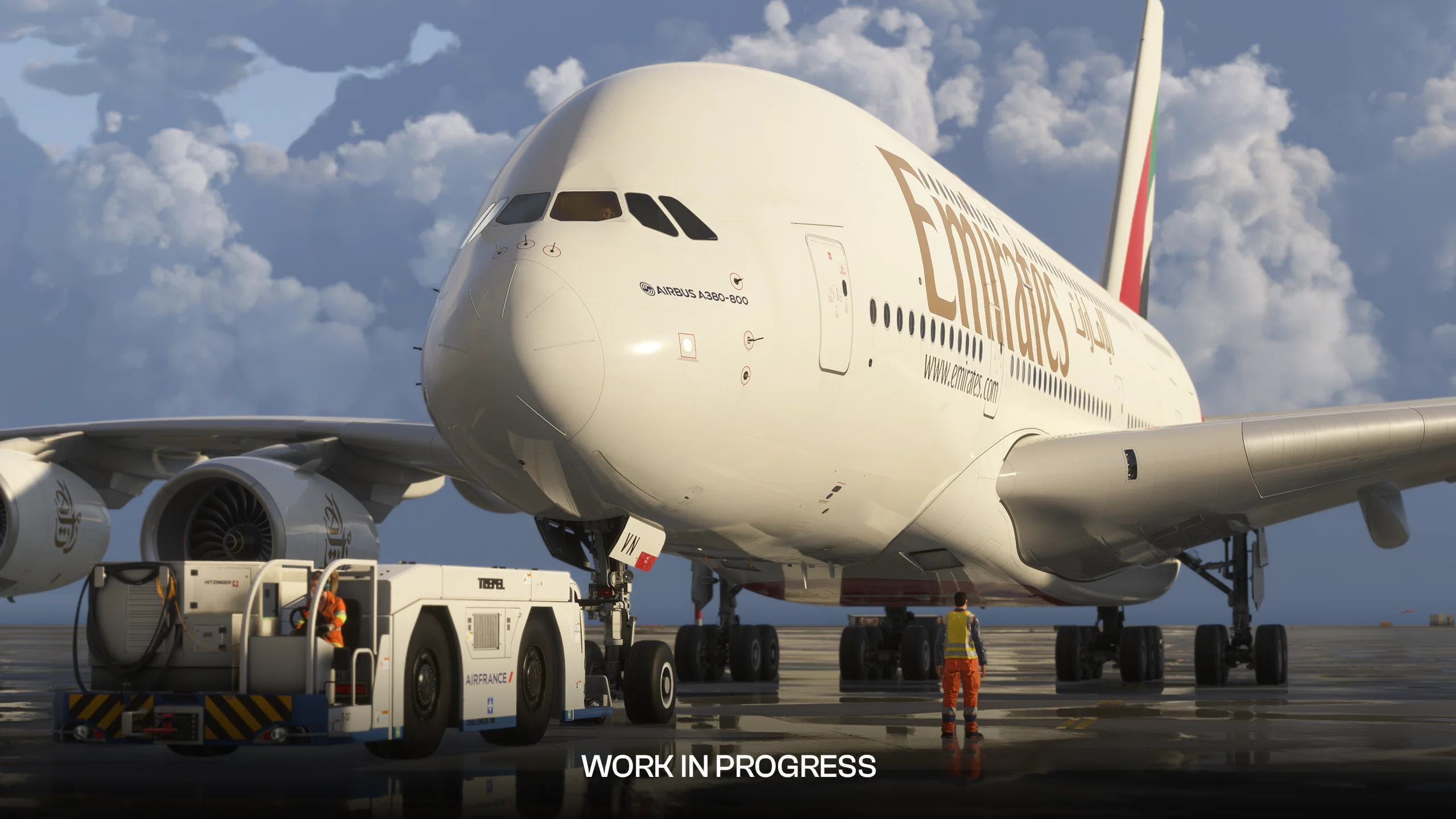
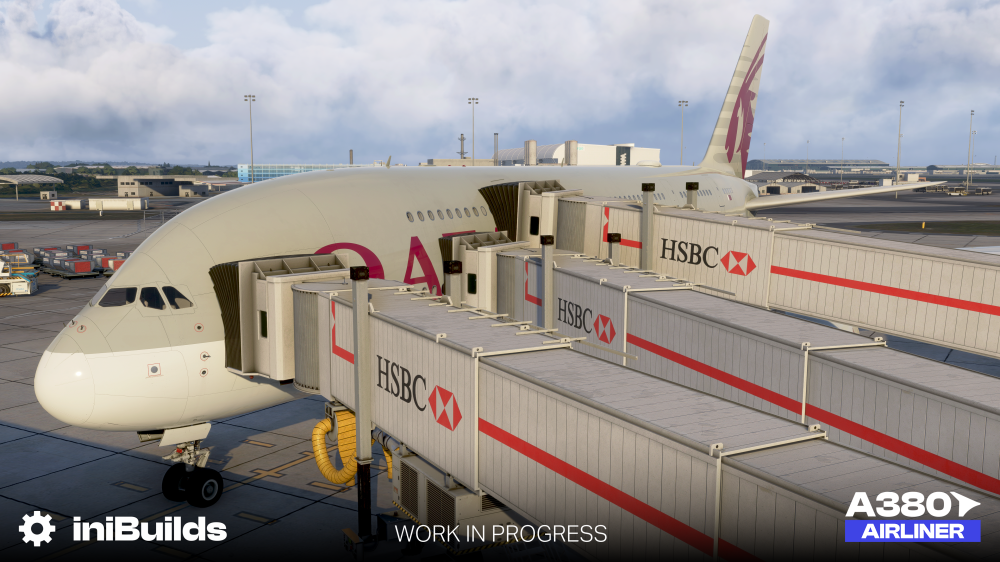
An A380 That Remembers How You Left It
One of the more significant additions is a new persistence system. Fuel quantities, switch positions and system conditions can be retained between simulator sessions, meaning the aircraft does not necessarily return to a completely reset state every time a new flight begins.
That persistence extends beyond the flight deck. Potable water consumption and waste accumulation are simulated and can carry across multiple sectors, with both systems requiring ground servicing. Ignore them for long enough and facilities including the A380’s lavatories and first-class showers can eventually become unavailable.
Ground operations also make use of iniBuilds’ Multi-Jetway Technology. At supported airports, several passenger boarding bridges can connect simultaneously, recreating the aircraft’s two-deck boarding arrangement.
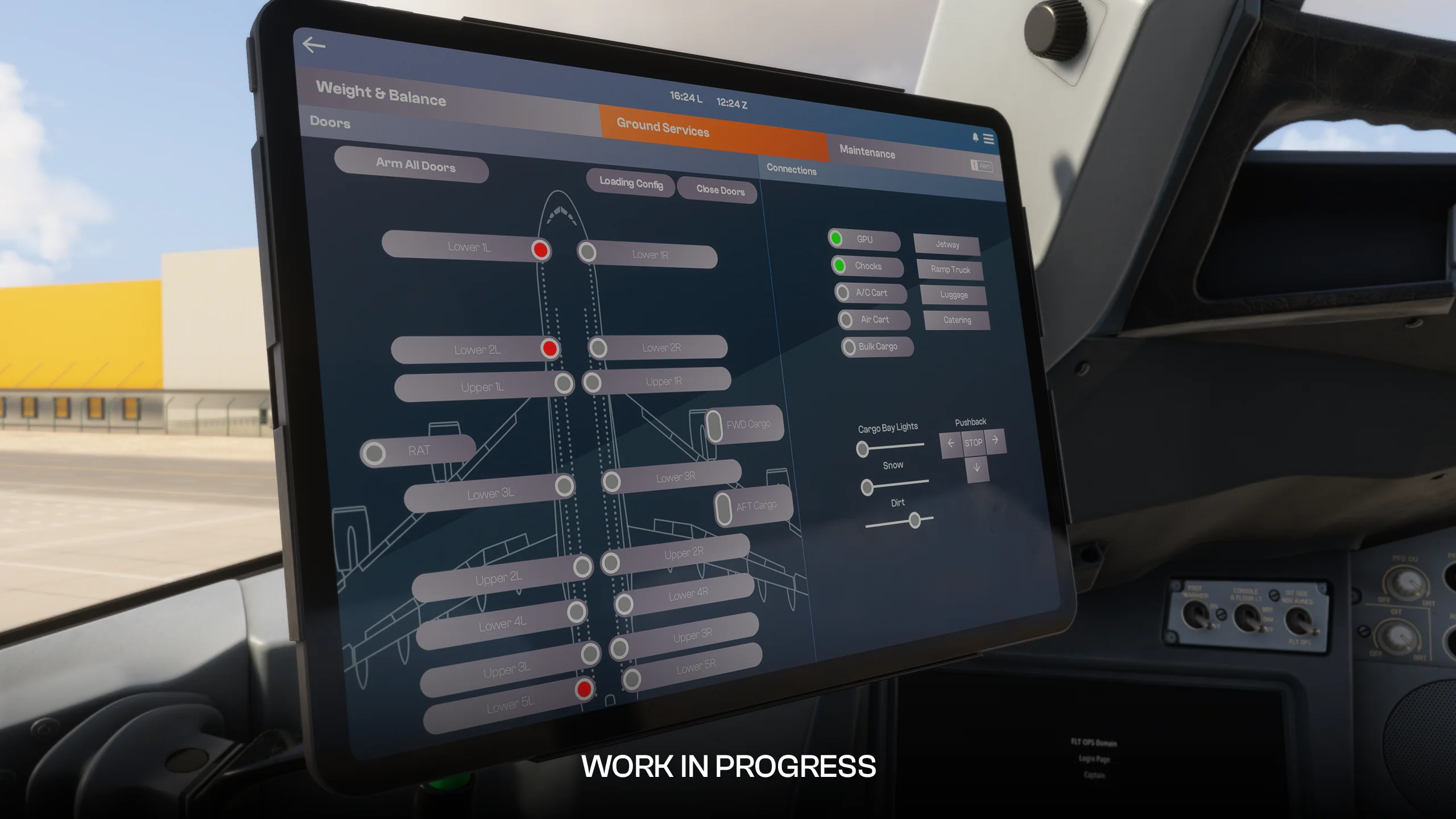
GSX integration has meanwhile moved to what iniBuilds calls V2, introducing revised communication between the aircraft and GSX, dedicated notifications and a new panel for monitoring active ground services.
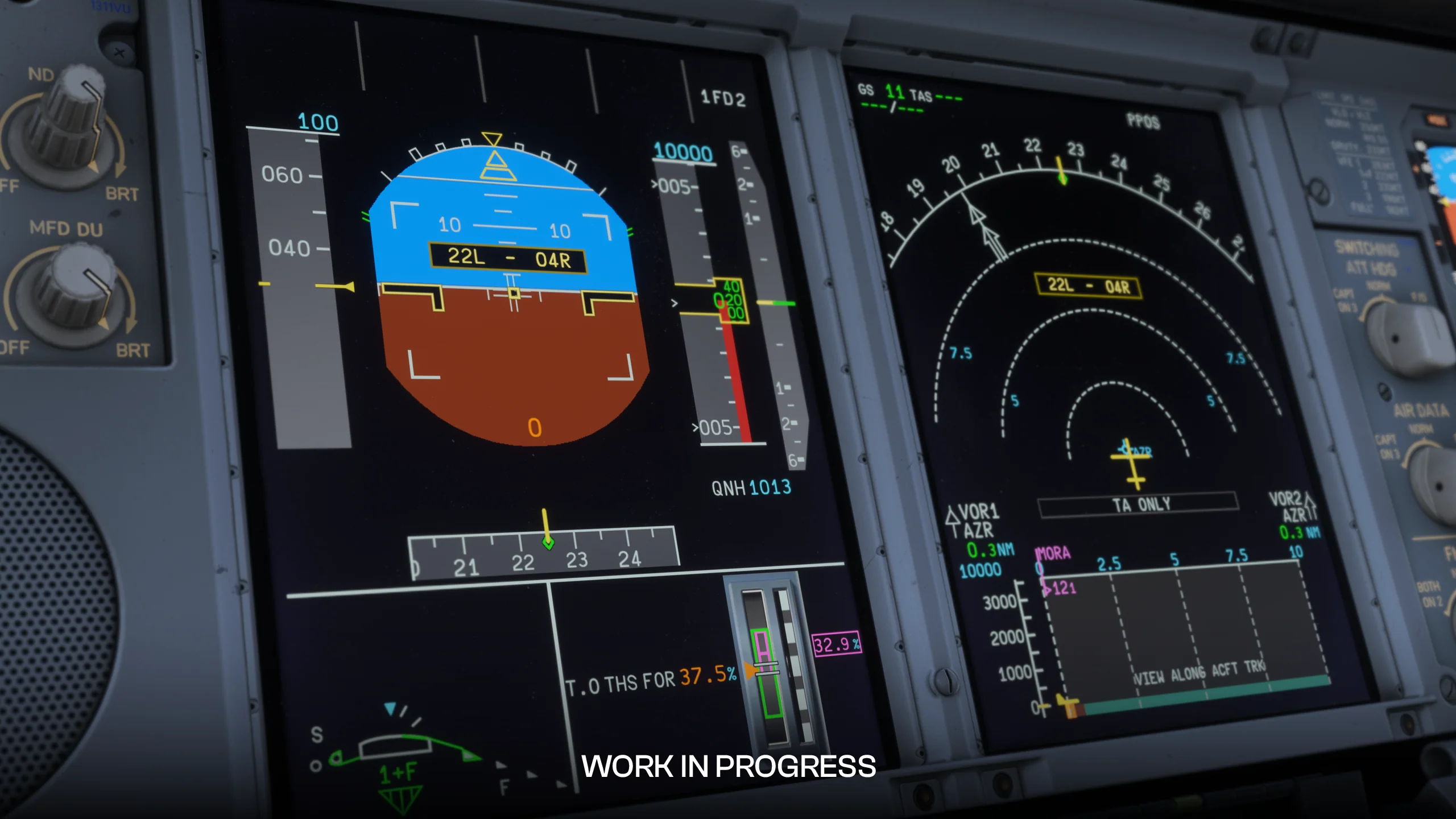
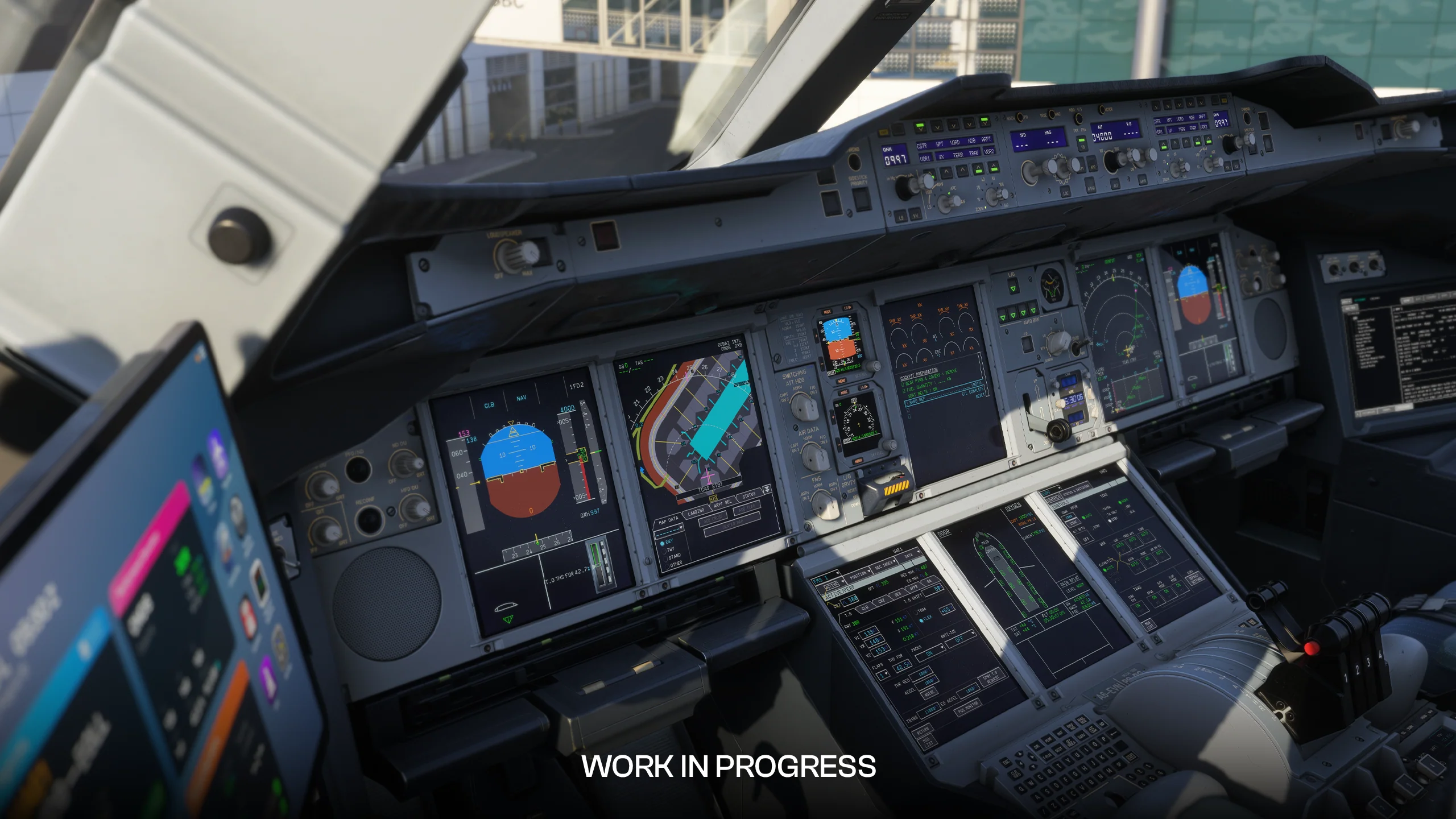
Two Eras of A380
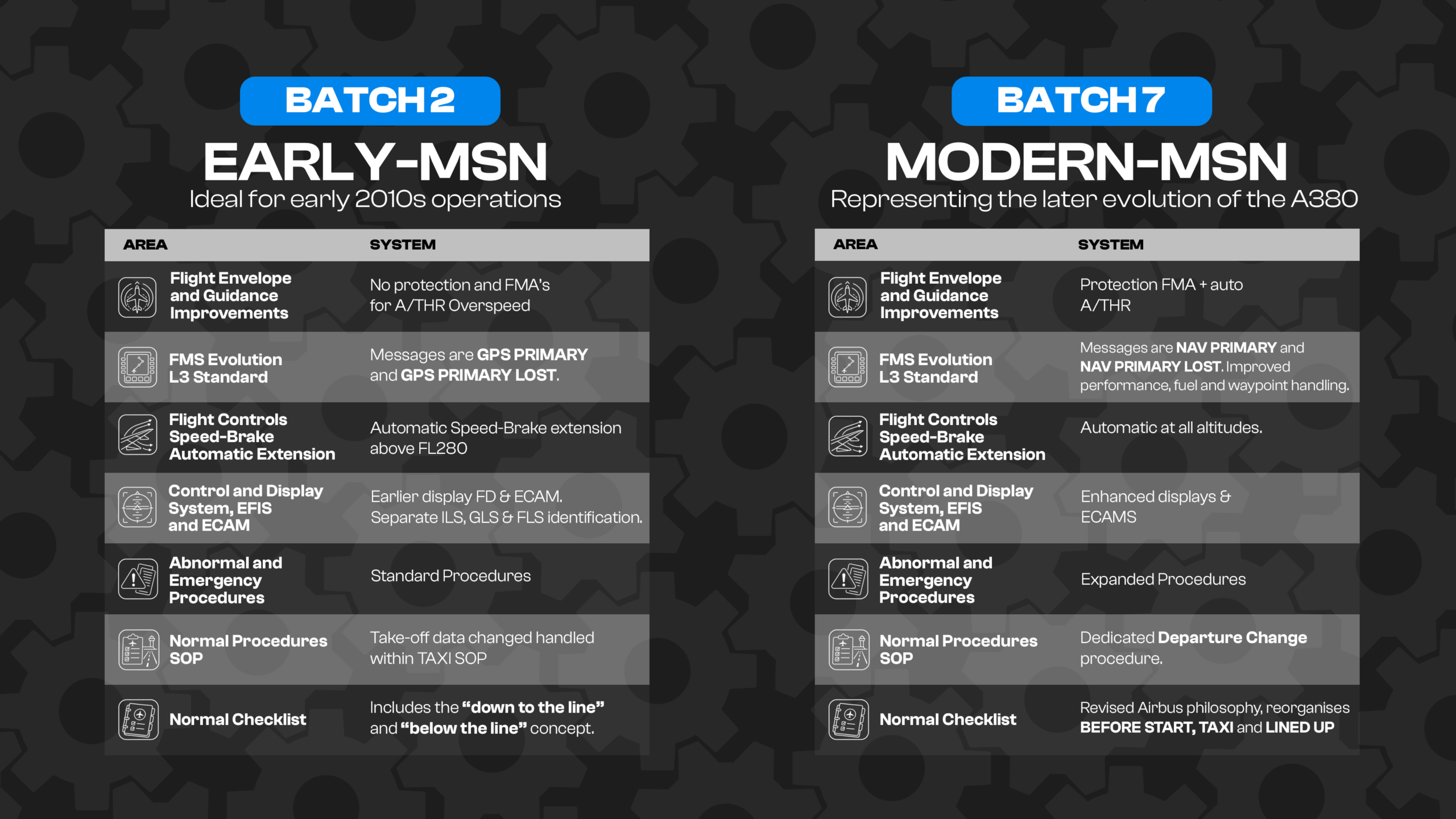
Rather than representing every A380 with a single flight-deck standard, iniBuilds is introducing two selectable aircraft configurations through the EFB.
Early-MSN, based on the Batch 2 standard, is designed around earlier aircraft, while Modern-MSN, based on Batch 7, represents later examples of the type.
The differences go considerably further than cosmetic changes. Depending on the selected configuration, the aircraft will use different FMS capabilities, flight-guidance logic, display behaviour, protections, procedures and checklist philosophy.
That should allow flights to better reflect the period and operator being recreated, whether flying an early Air France service from around 2010 or a contemporary Emirates operation.
Engine choice is receiving similar treatment.
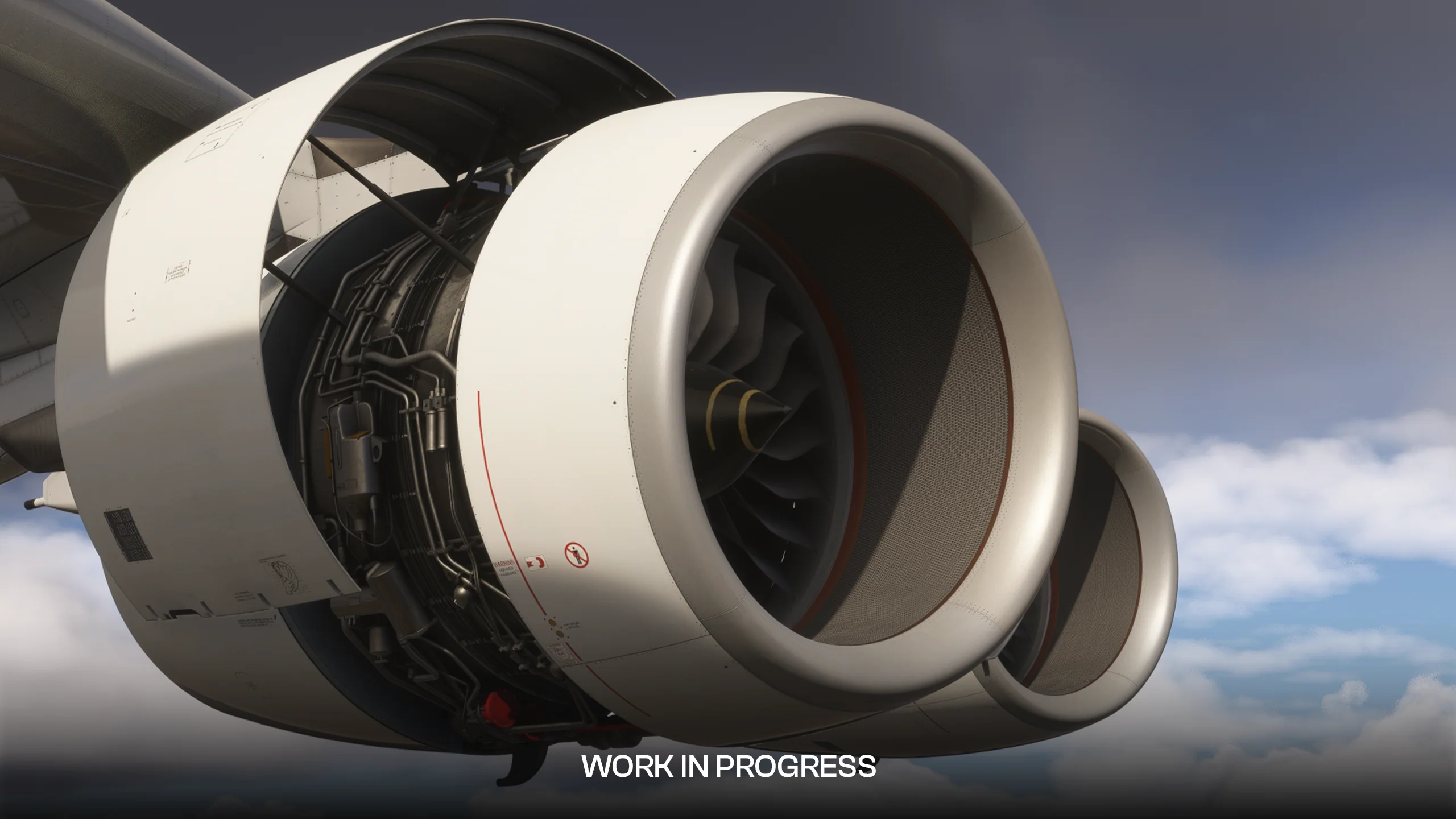
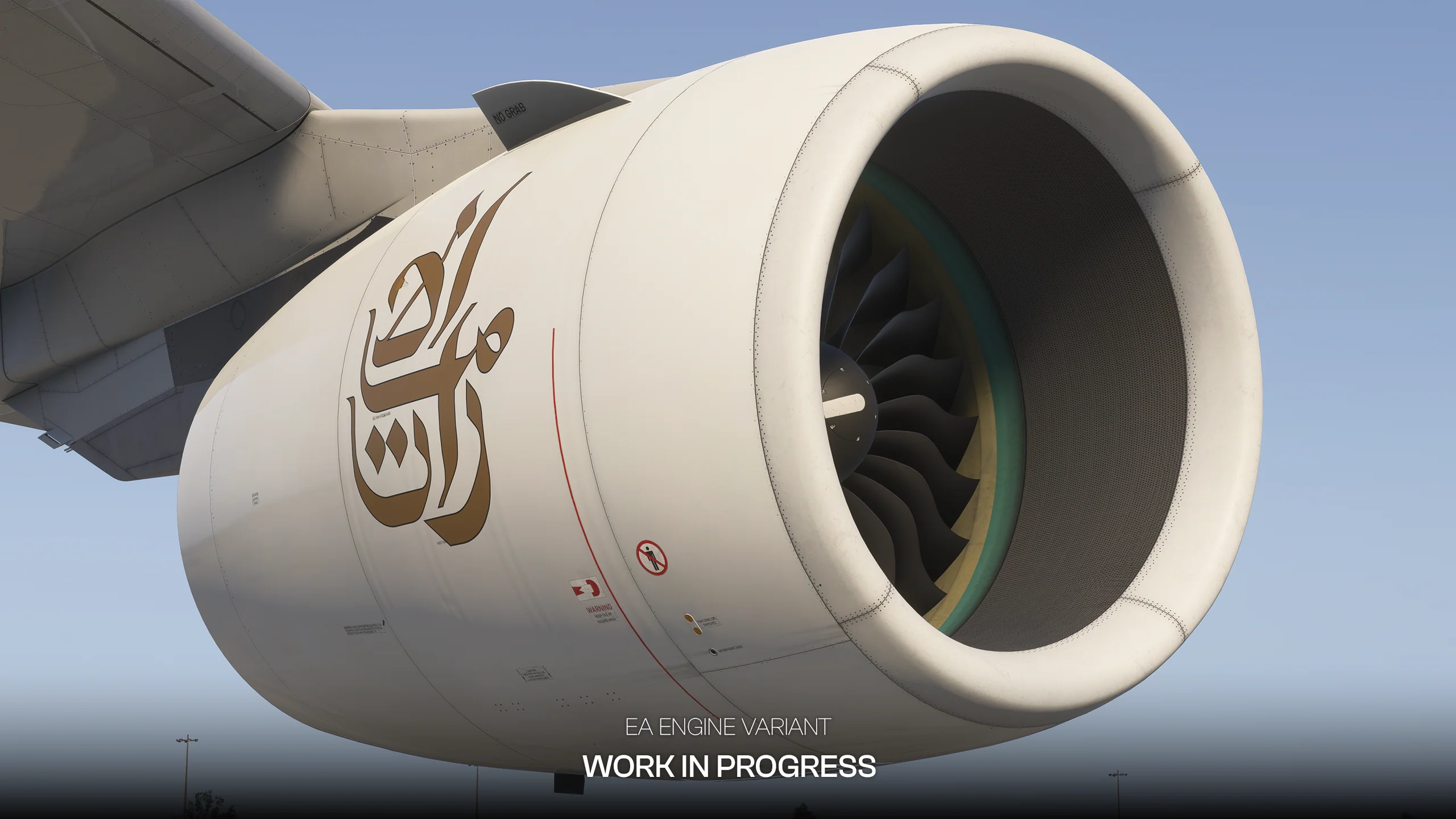
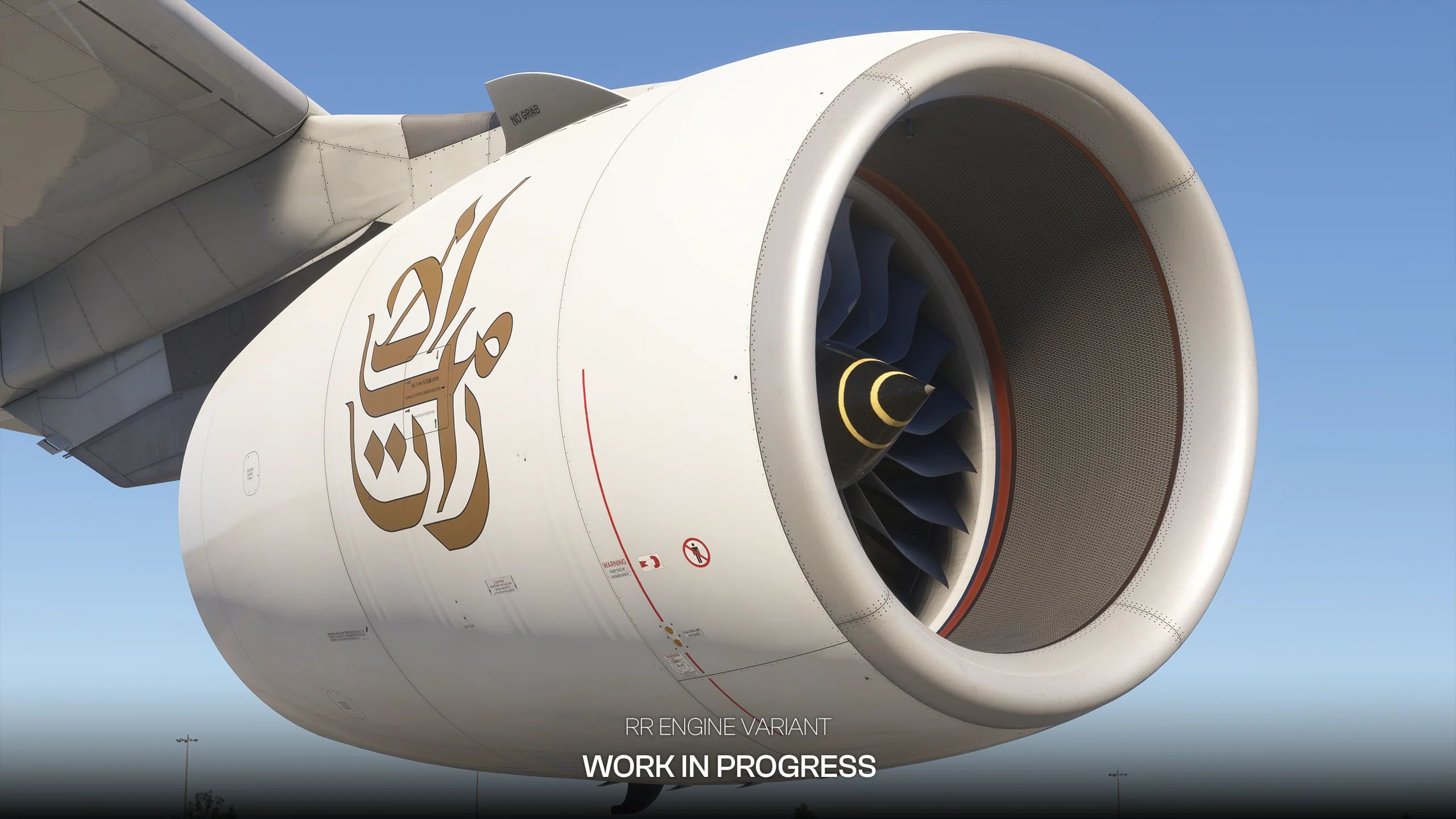
Both the Rolls-Royce Trent 900 and Engine Alliance GP7200 will be included as distinct variants. Each receives its own external model and sound profile, but iniBuilds is also modelling differences in start and shutdown behaviour, spool dynamics, thrust response, cockpit indications and associated system behaviour.
Flight Deck Gets BTV, RAAS and Improved Displays
The flight deck continues to gain functionality across several areas.
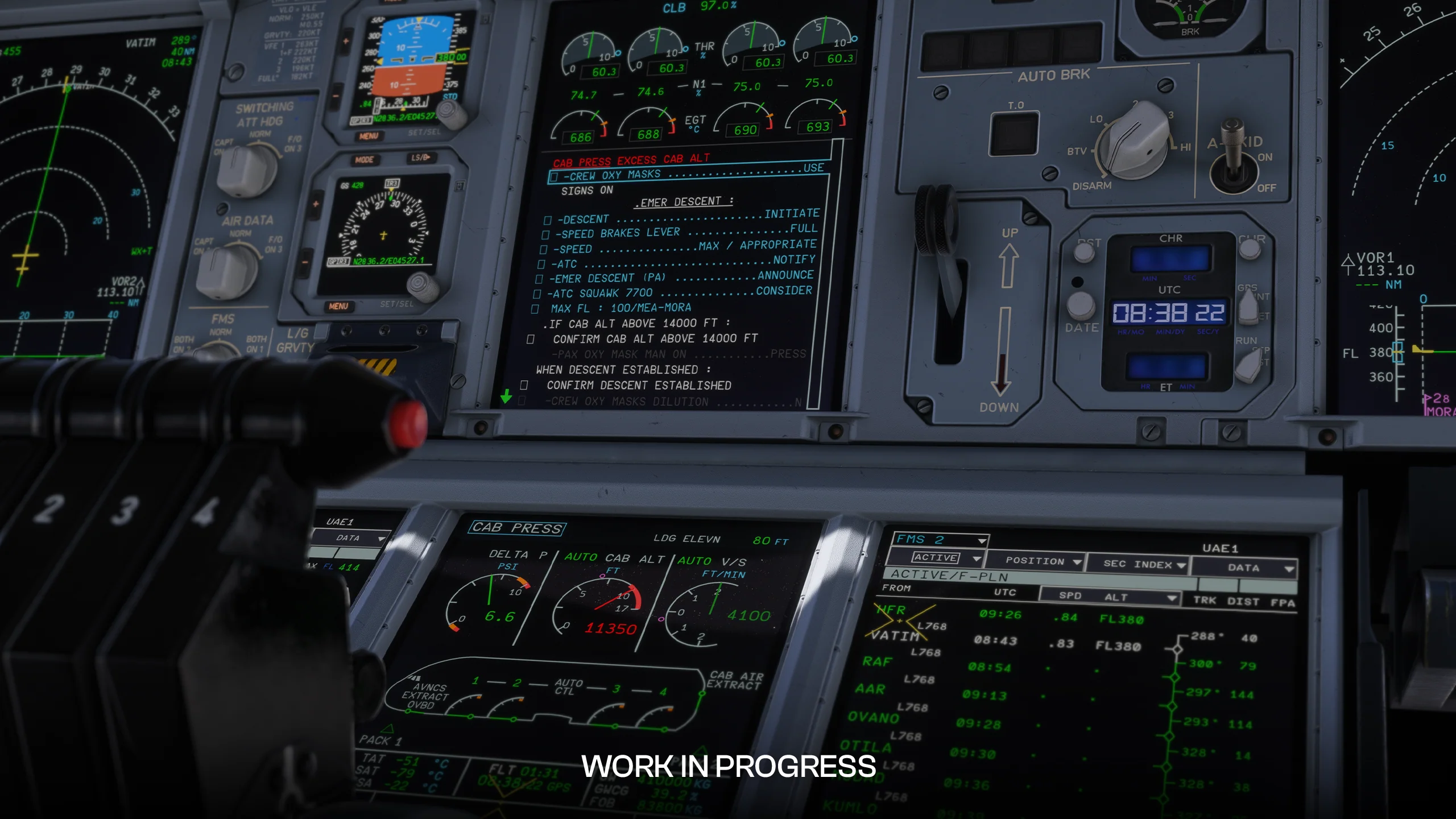
An integrated Runway Awareness and Advisory System will provide runway-related alerts during ground operations, while Brake to Vacate functionality will calculate predicted runway exits and associated turnaround times during arrival planning.
The Vertical Situation Display has received additional work to its calculations and logic, while the weather radar now takes advantage of newer simulator APIs to provide adjustable tilt and azimuth controls.
Display Units can also be managed independently. Pop-up displays and cockpit screens can operate separately, which should make the aircraft more flexible for multi-monitor users and home cockpit setups.
Elsewhere, the EFB’s take-off performance calculator now accounts for aircraft weight, configuration, runway conditions and weather when calculating V-speeds, FLEX temperature and stopping margin. Intersection departures are supported as well, allowing reduced take-off distance to be included in the calculation.
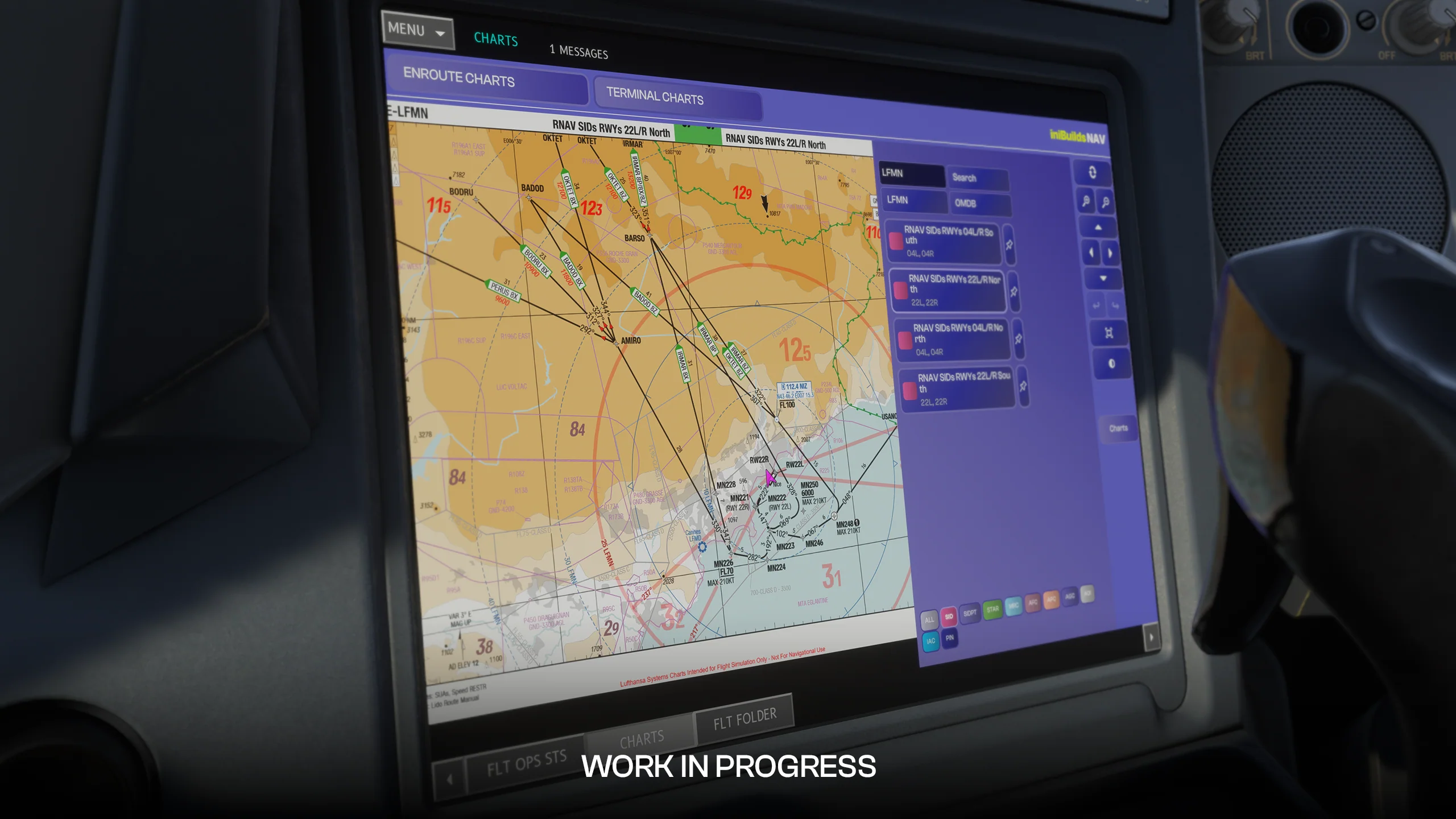
Chart handling has also been expanded with multi-page Lido support, while an EFB Notification Centre provides a central location for aircraft and EFB-related messages.
A Flight Model Built Around the A380
iniBuilds has also provided more detail on how it is tackling the A380’s unusual size and landing-gear arrangement.
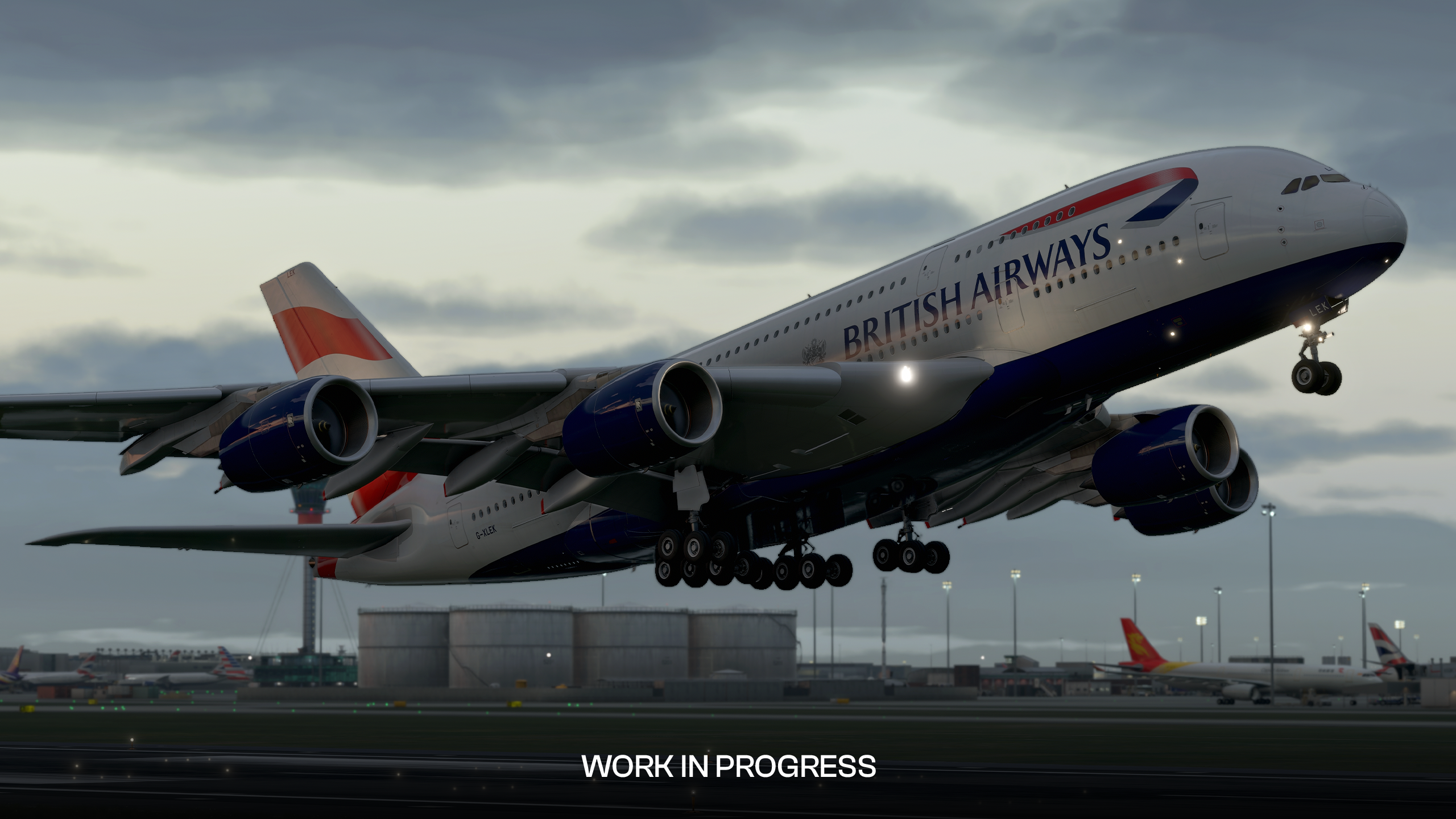
The complete landing-gear configuration is represented in the flight model, including functional rear body-gear steering. Microsoft Flight Simulator 2024’s newer suspension system is being used alongside additional contact points, allowing the individual bogies to react progressively during taxi and touchdown rather than behaving as one rigid assembly.
Dedicated A380 rotation laws have also been developed. These are intended to account for the aircraft’s large operating-weight range and translate sidestick input into an appropriate pitch response during the transition from ground roll to flight.
The wings use a custom dynamic wing-flex system rather than a predefined animation. Their movement responds continuously to aerodynamic forces, aircraft weight, turbulence and manoeuvring loads, with spoilers and control surfaces remaining connected to the changing wing geometry.
PRIM logic and aircraft stability have also undergone further tuning as part of the fly-by-wire development.
Failures Go Beyond Simple Triggers
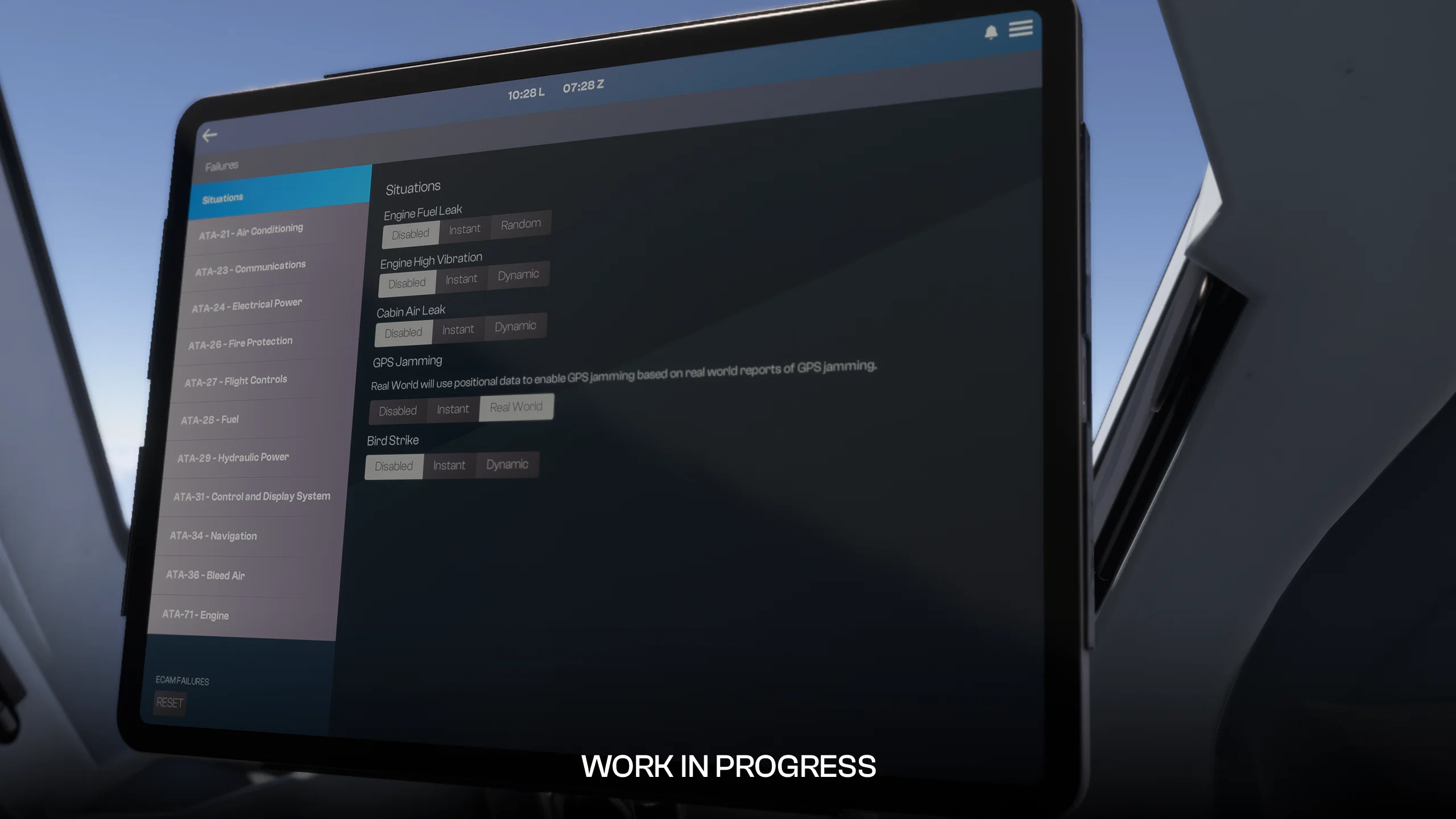
Failures are being organised around the aircraft’s ATA chapter structure and can occur either immediately or randomly during a flight.
iniBuilds highlighted engine fuel leaks, gradual cabin pressurisation leaks and individual Display Unit failures among the scenarios currently represented. The latter can force users to reconfigure available displays using alternate procedures.
Fuel temperature is simulated separately across the aircraft’s tanks as well, changing according to altitude, ambient conditions and flight duration. Temperatures outside the expected operating range can trigger the appropriate ECAM indications.
The visual side of abnormal operations is also receiving attention. Bird strikes and applicable engine failures can produce flames and smoke, while tail strikes will generate sparks and visible contact damage.
Exterior and Immersion Work Continues
The A380’s exterior model remains under revision despite the aircraft having already appeared extensively in previous previews.
The wings, lower fuselage and both engine types have received further geometry and detailing work, while the engines include modelled internal areas.
Microsoft Flight Simulator 2024’s Walkaround Mode will also make use of interactive servicing points around the aircraft. Air-conditioning hatches, ground power connections, APU access panels and water and waste service points can all be interacted with, with several of these features linked directly to the underlying aircraft systems.
Weather effects include tyre and wheel spray, engine spray, reverse-thrust effects, vortices and custom heat blur. In flight, the aircraft will also feature dedicated contrails and fuel-jettison effects.
iniBuilds has not provided a release date for the A380 Airliner, although the developer ended the update by saying that more information will be announced “very soon”.
A350 V2 Moves Exclusively to MSFS 2024
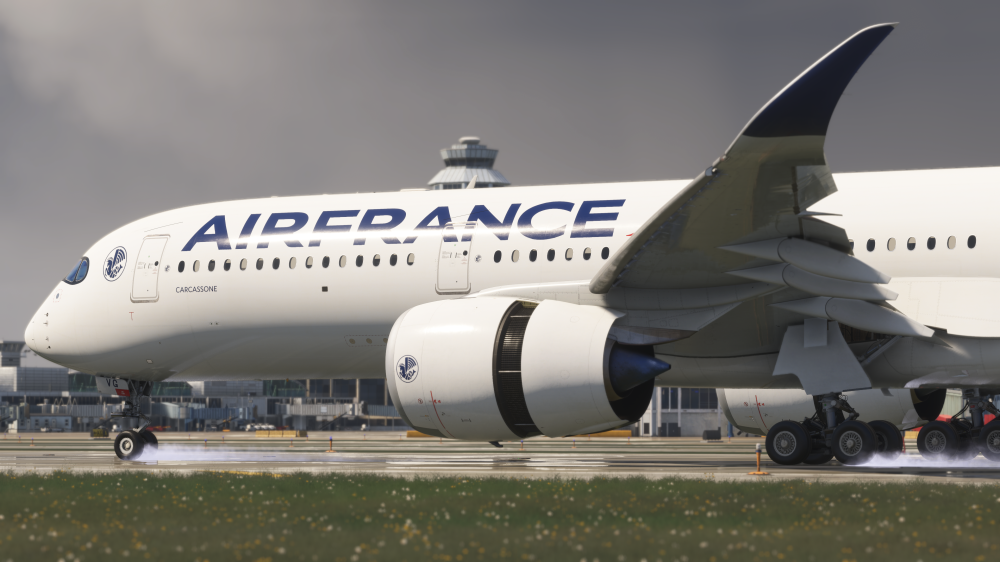
Away from the A380, iniBuilds also confirmed that development of A350 Airliner V2 is underway.
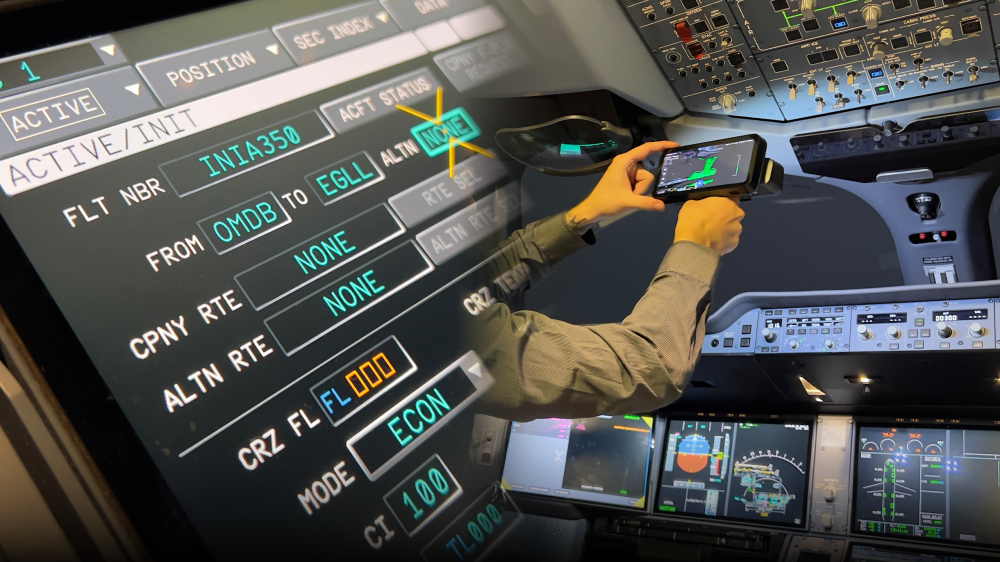
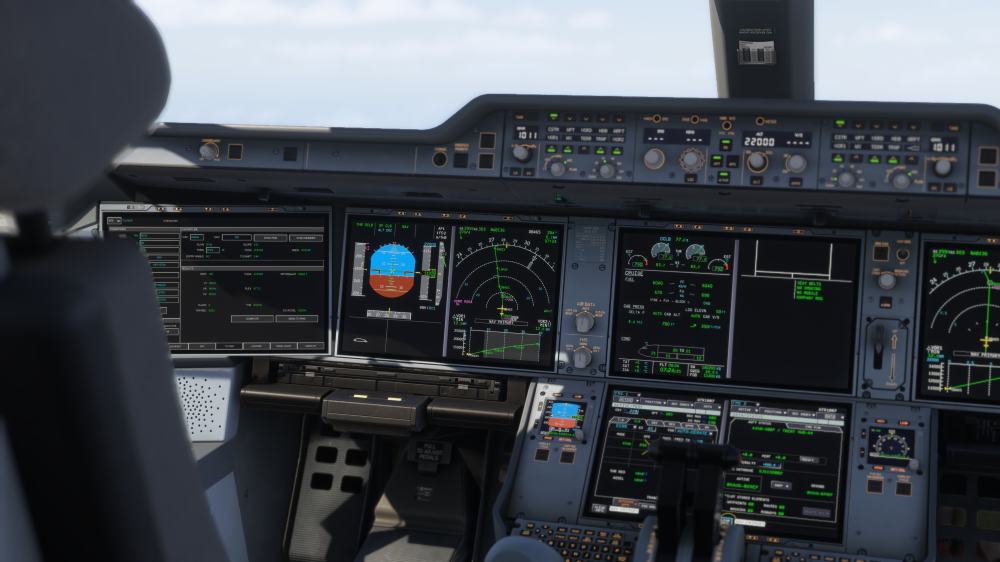
The upgrade is considerably broader than a conventional update, covering cockpit geometry, exterior and interior artwork, aircraft variants, the Head-Up Display, EFB, Onboard Information System, systems, failures and ECAM functionality.
V2 will be developed exclusively for Microsoft Flight Simulator 2024 and will be available as a free update to existing A350 Airliner customers.
Once V2 releases, active development of the MSFS 2020 version will end. Existing customers will retain access to that version in its current form, but future A350 development will move entirely to MSFS 2024.
The cockpit itself is being rebuilt using newly collected reference data, while the exterior geometry of the A350-900 and A350-1000 is being revised to better represent the differences between the two variants.
A new failure system, updated ECAM logic and substantial changes to the HUD are also planned.
One More Update Before V2
Current A350 owners will not have to wait for V2 to see further changes.
A Systems and Performance Update 1, scheduled as version 1.2.7, is also in development for the existing aircraft. It targets stability, flight planning, navigation and handling, including improved SimBrief imports, alternate flight-plan behaviour, waypoint sequencing, VNAV, thrust behaviour and further roll and pitch response refinements.
Some improvements developed for the A380 are also being brought across to the current A350 as part of that update.
With both projects now progressing in parallel, iniBuilds’ latest update places the A380 firmly at the centre of its current aircraft development work while setting out a much larger second phase for the A350 on Microsoft Flight Simulator 2024.
Feel free to join our Discord server to share your feedback on the article, screenshots from your flights or just chat with the rest of the team and the community. Click here to join the server.